

Business
No More 1–2 Day Wait: Cheques To Clear Within Hours From October 4


Last Updated:
RBI launches continuous clearing and settlement for CTS-enabled cheques from October 04, enabling same-day clearance nationwide.

rom Tomorrow, Cheques Won’t Take 1–2 Days—Funds to Reflect in Hours
In a major overhaul, the Reserve Bank of India (RBI) is going away from the existing batch-processing model (which takes up to two working days). A new framework known as a continuous clearing and settlement on realization framework will become effective from tomorrow, October 04. It is Phase 2 of the major overhaul of the cheque clearing system across the country, which is divided in 2 phases.
The Continuous Clearing and Settlement on Realisation will ensure cheque clearance within a few hours, reduce settlement risks and improve efficiency and customer experience.
Instead of fixed-batch cycles, the cheques will be scanned, presented and cleared in real-time processing during business hours (10:00 Am to 4:00 PM).
This will help customers to get funds through cheques on the same day, typically within hours, reducing the typical 1–2 day wait. Note that this applies to all CTS-enabled cheques across India. There are no changes to physical cheque issuance rules.
Process Flow:
- Presenting banks scan and send cheque images/MICR data to the clearing house immediately upon receipt.
- The clearing house forwards these to drawee banks (the paying bank) in real-time.
- Drawee banks provide positive (honour) or negative (dishonour) confirmation.
- Settlements occur hourly until the end of the confirmation session (7:00 PM).
- Once settled, presenting banks must credit funds to customers’ accounts within one hour, subject to standard safeguards.
Phase 2 To Bring T+3 Settlement
Phase 2, which is expected to be implemented from January 03, 2026 onwards, will expedite the process faster. Phase 2 will introduce T+3 clearance hours (item expiry time), which means cheques presented 10:00–11:00 AM must be confirmed by 2:00 PM; unconfirmed ones are deemed approved at expiry.
This mechanism sets a strict timeline for drawee banks (the bank on which the cheque is drawn) to confirm whether a cheque is honoured or dishonoured, ensuring faster cheque clearance within hours on the same day.
T+3 refers to a time-bound process where a cheque presented to the clearing house must be confirmed (either honoured or dishonoured) by the drawee bank within three hours from the time of its presentation.

Varun Yadav is a Sub Editor at News18 Business Digital. He writes articles on markets, personal finance, technology, and more. He completed his post-graduation diploma in English Journalism from the Indian Inst…Read More
Varun Yadav is a Sub Editor at News18 Business Digital. He writes articles on markets, personal finance, technology, and more. He completed his post-graduation diploma in English Journalism from the Indian Inst… Read More
October 03, 2025, 14:42 IST
Read More
Business
No fuel shortage: Govt assures 100% domestic LPG, PNG, CNG supply amid Hormuz energy crunch – The Times of India
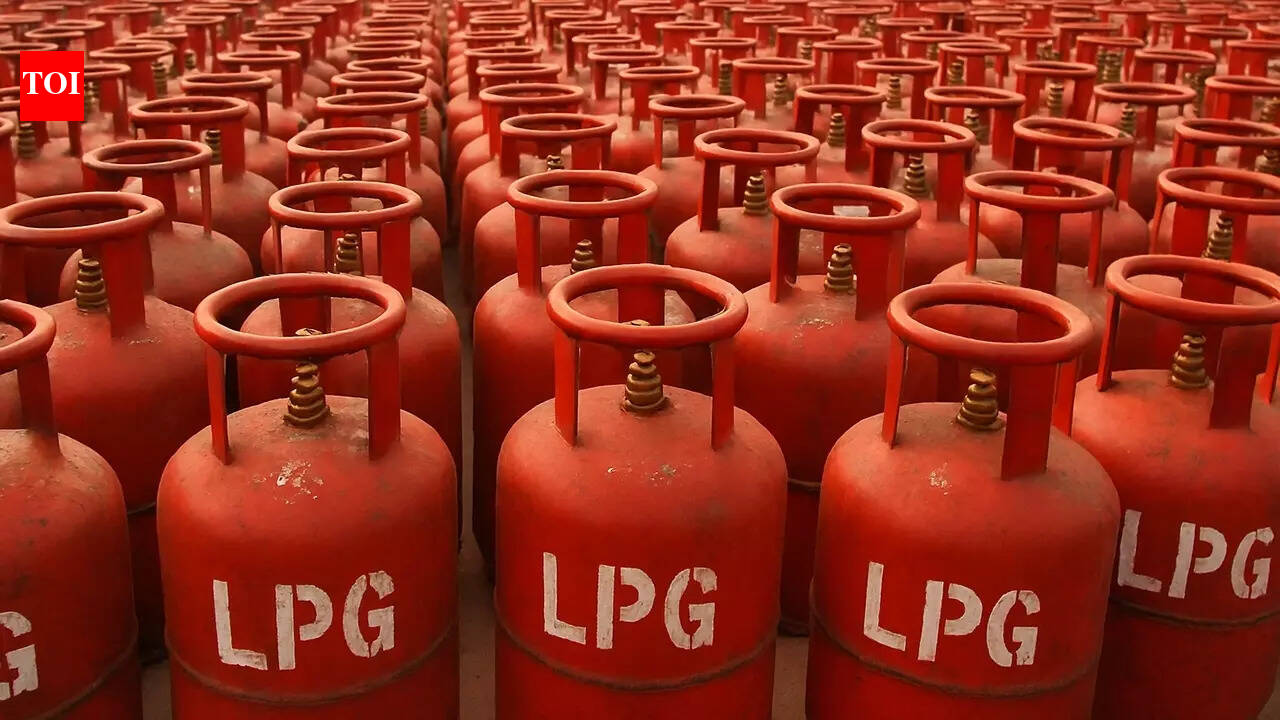
Amid ongoing geopolitical tensions straining global oil supplies, the government has said that it is ensuring uninterrupted fuel availability across the country and is closely monitoring maritime safety in the Middle East.Reassuring citizens, the ministry of petroleum and natural gas said there has been no disruption in household LPG supply. “Domestic LPG cylinder deliveries remain normal against bookings with more than 53.5 lakh domestic LPG cylinders delivered yesterday,” it said.The ministry further urged people not to rush to fuel stations or stock up on supplies. It said, “Citizens are advised to avoid panic purchase of petrol, diesel and LPG as the Govt is making all efforts to ensure availability of petrol, diesel and LPG.”It further assured that essential services remain fully supported, stating, “100% supply is being made to Domestic LPG, Domestic PNG and CNG (Transport),” while supply management measures are being taken as needed.At the same time, the government pointed to changes in consumer behaviour in the energy sector. It said, “more than 39,000 PNG consumers surrendered their LPG connections via MYPNGD.in,” suggesting a gradual shift towards piped natural gas. It also noted a rise in auto fuel demand, adding that “avg. Auto LPG sale by PSU OMCs in the month of April-26 (till 17.04.26) is around 305 MT/day against the avg. of 177 MT/day during Feb-26.“On the maritime front, authorities confirmed that Indian shipping continues to move safely through the region despite risks. The Ministry of Ports, Shipping and Waterways said, “Indian-flagged crude oil tanker Desh Garima safely crossed the Strait of Hormuz on 18 April 2026,” adding that the vessel, carrying 31 Indian seafarers, is “expected to arrive at Mumbai on 22 April 2026.”However, it also acknowledged recent security incidents, noting that “two Indian vessels… reported a firing incident while transiting the Strait of Hormuz,” though “there has been no injury to any crew reported.”The shipping ministry said the situation is being closely tracked, adding, “All Indian seafarers are safe. The situation continues to be closely monitored.”On fuel availability, the petroleum ministry said refineries are running at strong capacity and “sufficient stocks of petrol and diesel are being maintained,” with retail fuel stations operating normally across the country.To cushion consumers from global price shocks, the government highlighted recent fiscal steps, saying, “The Middle East crisis has led to an abnormal increase in crude prices; however, to protect consumers, the Government of India has reduced excise duty on petrol and diesel by Rs 10 per litre.”It also intensified action against malpractice in the supply chain, stating that “more than 2400 raids were conducted across the country” on April 18 to check hoarding and black marketing of LPG.Officials said that coordinated efforts with states, industry stakeholders and agencies are ongoing to ensure energy security and uninterrupted supplies despite global uncertainty.
Business
India-US trade deal: Three-day talks to begin from April 20; what to expect – The Times of India
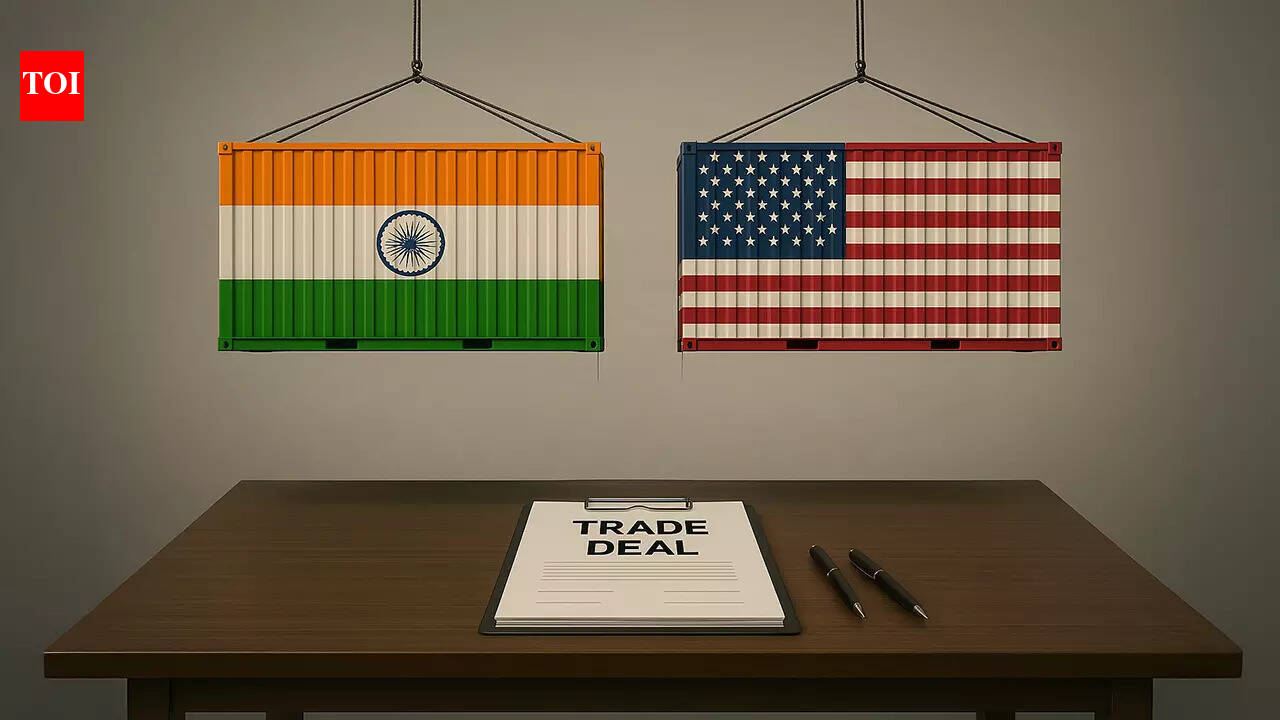
India and the United States are set to resume trade negotiations this week, with a delegation of about a dozen officials travelling from New Delhi to Washington for discussions on the first phase of the proposed bilateral trade agreement (BTA). The talks, scheduled from April 20 to 22, will be led by India’s chief negotiator Darpan Jain, additional secretary in the department of commerce, and will include officials from the customs department and the ministry of external affairs.“The meeting will happen from April 20-22 in Washington DC. India’s chief negotiator Darpan Jain (additional secretary in the department of commerce) is leading the team. Officers from customs and external affairs ministry are also part of the Indian team,” an official told PTI. This round of talks comes after major changes in the US tariff system, which have led both sides to reconsider the structure of the trade agreement finalised earlier this year and released on February 7.A key shift came after the US Supreme Court struck down reciprocal tariffs imposed under the 1977 International Emergency Economic Powers Act, prompting the US administration to introduce a temporary flat 10% tariff on all countries for 150 days from February 24. These developments resulted in postponing of a planned February meeting between the chief negotiators, with the rescheduled talks in Washington now set to take place under this updated tariff framework.With Washington now applying a uniform 10% tariff on all trading partners, the relative advantage India had under the earlier arrangement has diminished, leading to calls for revisiting the agreement. “So the agreement will have to be recalibrated, redrafted,” a government source has said, adding, “that amount of change will take place from their side”.“In our case, since the agreement has not been signed, we have got the option where we can right now change whatever needs to be changed,” the source has said.In addition to tariff issues, the discussions are expected to address two investigations initiated by the US Trade Representative under Section 301 of its trade law. India has contested the allegations in these probes and has asked for them to be withdrawn, arguing that the initiation notices do not provide adequate justification. The talks are taking place at a time when countries are reassessing their positions under the revised tariff system amid changes in global trade with the US.At the same time, trade patterns for India have also seen changes. China has become India’s largest trading partner in 2025-26, replacing the US, which had held that position for four consecutive years until 2024-25.Latest figures show India’s exports to the US rose slightly by 0.92% to $87.3 billion in the last financial year, while imports grew by 15.95% to $52.9 billion. This resulted in a narrowing of the trade surplus to $34.4 billion in 2025-26, compared with $40.89 billion in the previous year.
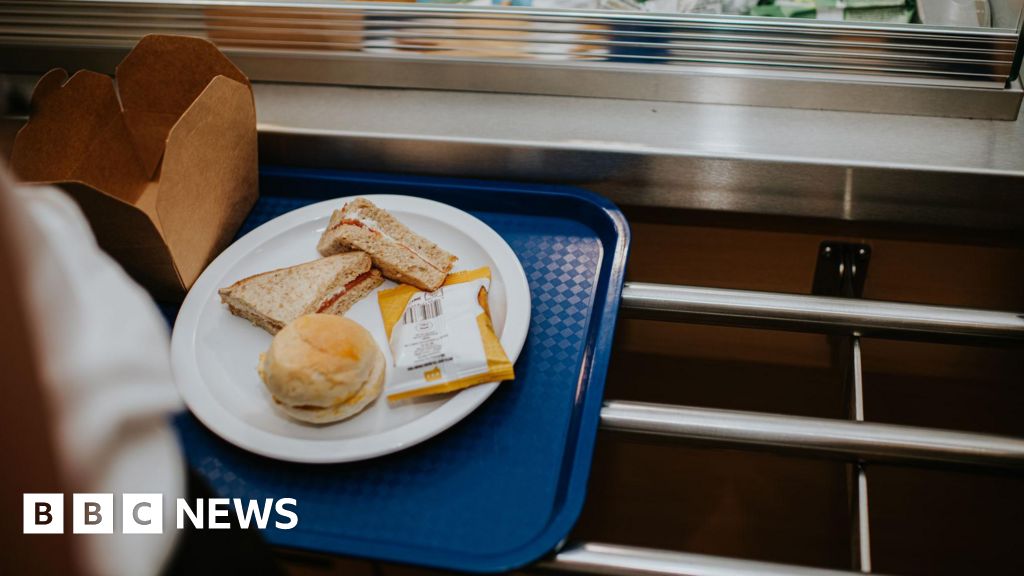
Barbara Middleton says she cannot afford to staff the government’s free breakfast clubs.
Source link


US energy chief says gas prices could stay above $3 per gallon until next year

Netflix documentary director on Hulk Hogan’s Trump support and the backlash that followed him to the end

A portrait of portraitist Michael Shane Neal

The case for Man United’s Fernandes as Premier League’s best

Palace left in shock as Prince William cancels grand ceremony
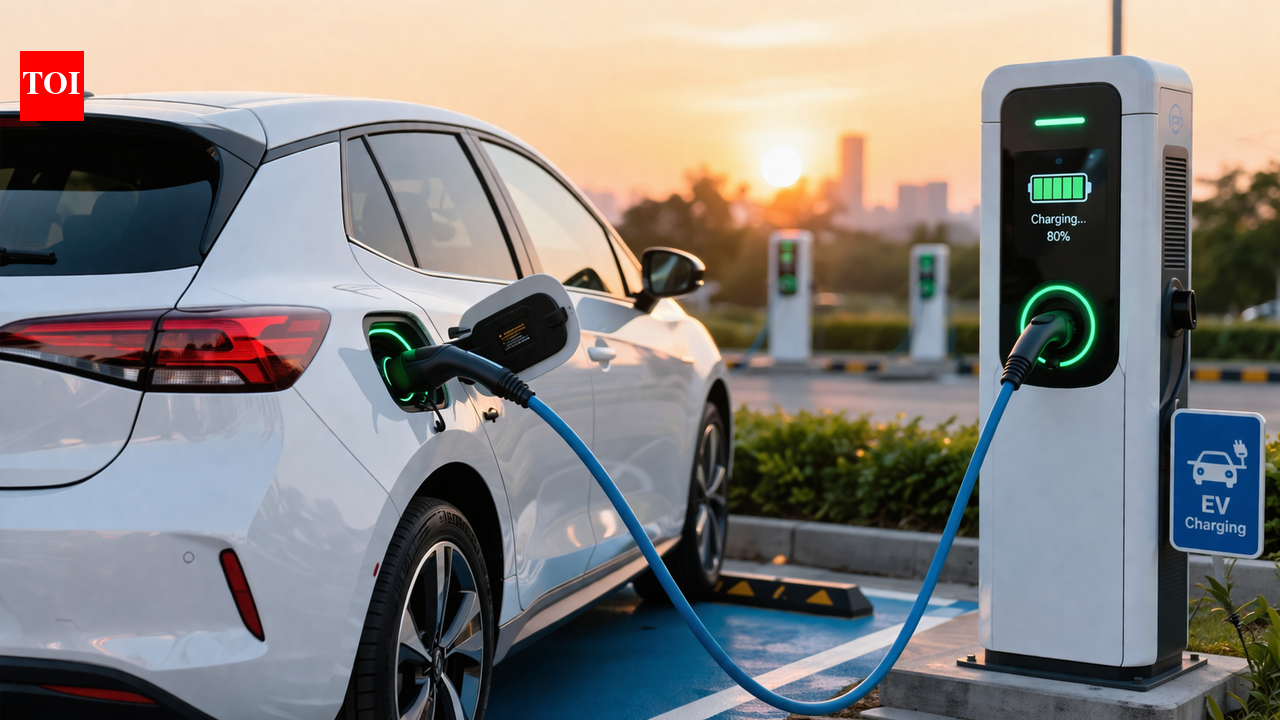
100% road tax waiver for electric cars, new rules for 2, 3 and 4 wheelers – what Delhi govt’s draft EV policy says – The Times of India

-
 Sports6 days ago
The case for Man United’s Fernandes as Premier League’s best
-
 Entertainment6 days ago
Palace left in shock as Prince William cancels grand ceremony
-
Business1 week ago
100% road tax waiver for electric cars, new rules for 2, 3 and 4 wheelers – what Delhi govt’s draft EV policy says – The Times of India
-

 Entertainment1 week ago
Dua Lipa hits major career high ahead of wedding with Callum Turner
-
 Business6 days ago
UK could adopt EU single market rules under new legislation
-
 Business1 week ago
The FAA wants gamers to apply for air traffic control jobs
-

 Sports1 week ago
Lamar Jackson hits back at critics with faithful message on social media
-

 Fashion6 days ago
Energy emerges as biggest cost driver in textile margins