

Fashion
Spring Fair launches new fashion destination for 2026


Published
October 30, 2025
All set to “reimagine the fashion buying experience”, the launch of ‘Fashion at Spring Fair’ will happen at the NEC Birmingham from 1-4 February.
The launch “marks a homecoming for fashion” to deliver “the best in apparel, accessories, and jewellery under one inspiring roof”, organiser Hyve Group said.
Created in “direct response to buyer demand for a fashion-first experience”, event portfolio director Jackson Szabo said: “Fashion at Spring Fair represents a natural evolution in how we bring style, creativity, and commerce together for the UK fashion retail sector.
“We’ve listened closely to buyers and exhibitors alike, and this new destination is designed to meet their needs. It’s not just a place to discover products; it’s where ideas evolve, collaborations form, and the next stories in fashion retail take shape.”
Buyers will discover “immersive spaces designed to bring fashion to life”, including The Style Atelier, a monochromatic studio hosting live trend forecasts, styling masterclasses, and curated showcases.
Meanwhile, the New Business Pavilion offers a dedicated stage for up-and-coming brands such as Nudie Jewellery, Artemis Muse, and Livia Betancourt, to give buyers first access to “fresh, trend-led collections”.
Alongside this will be a curated selection of standout brands, including Urban Bliss, Lighthouse Clothing, Nina Murati, Decollage, Isle & Stars, Luella, and Girl in Mind, to “highlight the very best in contemporary fashion”.
Jewellery and watches will feature creations from Scream Pretty, Bill Skinner, Ayala Bar, and Peace of Mind, while fashion accessories and leather goods include Rock Luggage, Mala Leather, Ashwood Leather, Alice Wheeler, Pachamama, Yoshi and Eloise London.
Also part of Spring Fair 2026 is a new creative direction called ‘Retail Alchemists, Masters of the Mix’, bringing together “craft, creativity, commerce, and connection in a dedicated space”.
Copyright © 2025 FashionNetwork.com All rights reserved.












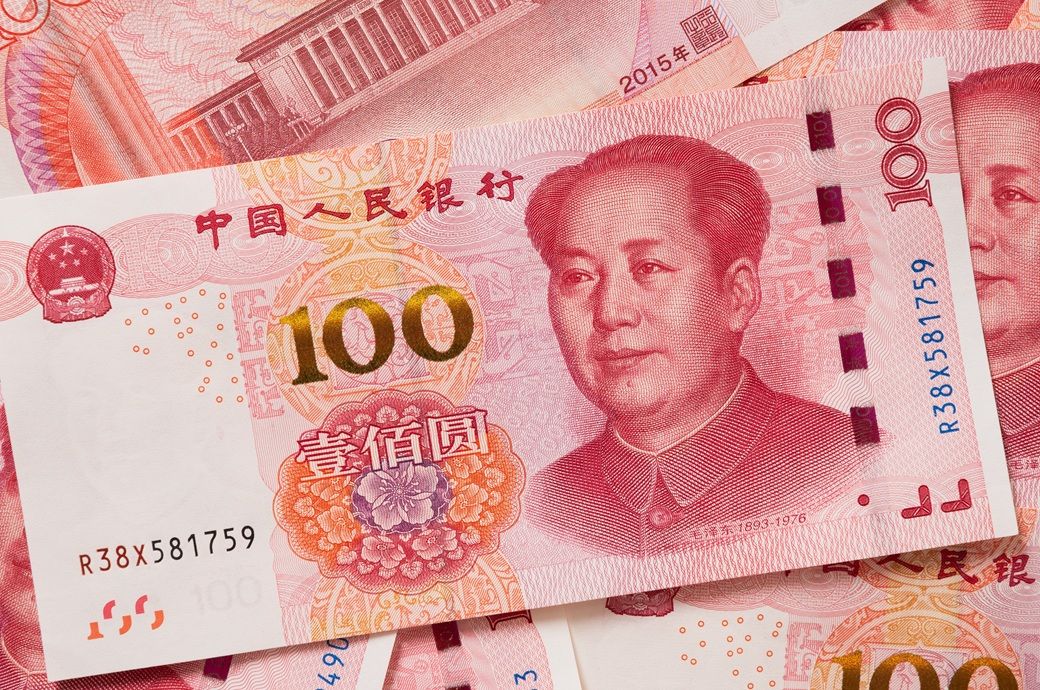
However, actual use of foreign direct investment (FDI) in the Chinese mainland declined during the same period, falling 5.7 percent year on year (YoY) to ¥161.45 billion ($23.43 billion), as mentioned in official ministry figures.
China established 8,631 new foreign-invested firms in the first two months of the year, up 14 per cent YoY, even as actual FDI inflows fell 5.7 per cent to ¥161.45 billion ($23.43 billion).
High-tech industries attracted ¥63.21 billion ($9.19 billion), rising 20.4 per cent and accounting for 39.2 per cent of total inflows, while investment from Canada and Switzerland surged sharply.
Sector-wise, FDI inflows totalled ¥47.52 ($6.90 billion) in manufacturing and ¥111.22 billion ($16.17 billion) in services, indicating continued dominance of the service sector in attracting foreign capital. High-tech industries remained a key growth area, drawing ¥63.21 billion ($9.19 billion) in investment, up 20.4 per cent year on year (YoY) and accounting for 39.2 percent of the national total.
In terms of source countries, investment from Canada and Switzerland recorded strong gains, surging 210 per cent and 41.3 per cent respectively compared with the same period last year, highlighting a shift in the composition of foreign capital entering the Chinese market.
Fibre2Fashion News Desk (JP)

In 2023, 73 per cent of APAC CEOs were optimistic about global economic prospects; however, it was down to 64 per cent in 2025. Globally, only 68 per cent of CEOs remain upbeat about this—the lowest level seen in four years.
APAC CEOs reported much more optimism in 2025 about the growth prospects of their own economies over the next three years, while confidence in global economic prospects dropped, KPMG said.
Optimism about their own country’s prospects was the highest in Australia and lowest in India last year.
About four-fifths of APAC CEOs also saw substantial growth opportunities for their organisations and industries.
Optimism about their own country’s prospects was the highest in Australia (90 per cent) and lowest in India (71 per cent) last year, a KPMG release said citing its latest annual ‘APAC CEO Outlook’.
The declining confidence of APAC CEOs in the global landscape also reflects ongoing uncertainty and volatility that has plagued the global markets, stemming from an evolving geopolitical landscape, persistent supply chain constraints and intensifying scrutiny on sustainability, KPMG noted.
Furthermore, about 80 per cent of APAC CEOs also saw substantial growth opportunities for their organisations and industries, in line with the global average.
In fact, in 2025, executives appear more certain that their companies are on an upward trajectory compared to the previous year: 61 per cent of respondents expect earnings to increase by more than 2.5 per cent this year, compared to just 52 per cent in 2024.
CEOs in Japan (76 per cent) are particularly optimistic about their earnings outlook compared to global and regional peers, reflecting its solid domestic demand and stable GDP performance.
This positivity is driving many in APAC to continue investing in their businesses, with executives noting that there is strong appetite for increased hiring (92 per cent) and mergers and acquisitions (87 per cent) over the next three years, and a substantial number (82 per cent) of APAC CEOs expecting to spend more than 10 per cent of their budgets on artificial intelligence (AI) in the next 12 months.
This clearly indicates that subdued global outlook has not dampened optimism around companies’ prospects in APAC, KPMG remarked.
Confidence in the growth prospects of the global economy is lowest among Chinese companies (58 per cent). This likely reflects, in part, the impacts of an uncertain tariff environment. Strained relations with its main export partner and uncertainty around global demand are likely some areas of concern among firms in China.
Global trade risks topped the minds of APAC CEOs last year, especially as geopolitical tensions and trade realignments dominated headlines. These trends have persisted in 2025, with supply chain resilience remaining a top three driver of organisational decision-making in the short term.
However, the landscape is shifting with the arrival of emerging technologies like generative AI. AI integration is the top issue driving APAC executives’ short-term decision-making, a notable contrast with global peers who are more focused on cybersecurity issues and supply chain resilience, KPMG added.
Fibre2Fashion News Desk (DS)

Strait of Hormuz disruption has unleashed a cascading cost shock across the textile value chain, from crude to fibre.
Indian PSF has surged 26.5 per cent while naphtha prices have spiked nearly 90 per cent, inflating feedstock costs.
The cotton–polyester spread has tightened to multi-year lows, while 31 force majeure declarations across Asian petrochemical plants intensify supply risks.
Source link


How Jaxon Smith-Njigba’s contract extension impacts Seahawks

China sees rise in new FDI firms despite lower inflows
Vets to be legally required to publish price lists and cap prescription fees

-

 Sports1 week ago
Japan suffers shocking collapse to Venezuela in World Baseball Classic
-

 Entertainment1 week ago
Strategic oil stocks to be released ‘immediately’ in Asia and Oceania: IEA
-
 Business1 week ago
New Income Tax Act 2025 To Take Effect From April 1: 10 Key Changes That Will Affect Your Money
-

 Sports1 week ago
Transfer rumors, news: Real Madrid open to Camavinga exit, as Premier League clubs circle
-

 Sports1 week ago
PCB files complaint over allowing Bangladesh to take review on penultimate ball – SUCH TV
-
 Business7 days ago
Stocks and pound rise as US rate call approaches
-

 Tech6 days ago
Justice Department Says Anthropic Can’t Be Trusted With Warfighting Systems
-

 Sports6 days ago
March Madness 2026 – How to watch in SA, start time, schedule, TV channel for NCAA championship basketball tournament