

Fashion
ICE cotton slips as weak US stocks, grains pressure market


ICE December cotton futures settled at 64.54 cents per pound, down 0.69 cents.
ICE cotton futures declined amid weakness in US stocks and grains, with traders awaiting the USDA’s supply and demand report due on November 14, 2025.
Technology and AI-related stock losses and uncertainty around President Trump’s tariff policies further dampened sentiment.
Brazil’s October cotton exports rose 5 per cent year-on-year, while ICE deliverable inventories remained steady at 13,749 bales.
Market analysts noted that the fall in the stock market was the primary driver behind the decline. Weakness in grain prices added further pressure on cotton values. US stocks closed lower on Thursday, extending losses from earlier in the week. Technology and AI-related stocks led the declines due to concerns about overvaluation and economic uncertainty.
The US Supreme Court heard arguments challenging President Trump’s broad tariff policies, heightening global trade concerns. US Trade Representative Greer stated that some plaintiffs could receive refunds if the court rules against the tariffs, subject to Treasury’s scheduling.
CBOT soybean futures fell sharply as optimism over renewed demand weakened following signs of easing trade tensions.
Traders are now focused on the USDA’s delayed monthly supply and demand report, scheduled for release on November 14, 2025. Despite the ongoing US government shutdown, the USDA confirmed it is collecting survey data for upcoming crop yield reports.
Brazil’s cotton exports totalled 293,928.51 tons in October, up 5 per cent year-on-year, with daily shipments averaging 13,360.39 tons, also up 5 per cent.
ICE data showed deliverable No. 2 cotton futures inventory unchanged at 13,749 bales as of November 05, 2025.
This morning (Indian Standard Time), ICE cotton for December 2025 traded at 64.66 cents per pound (up 0.12 cent), cash cotton at 62.04 cents (down 0.69 cent), the March 2026 contract at 65.90 cents (up 0.13 cent), the May 2026 contract at 67.11 cents (up 0.13 cent), the July 2026 contract at 68.07 cents (unchanged), and the October 2026 contract at 68.08 cents (down 0.51 cent). A few contracts remained at their previous closing levels, with no trading recorded so far today.
Fibre2Fashion News Desk (KUL)












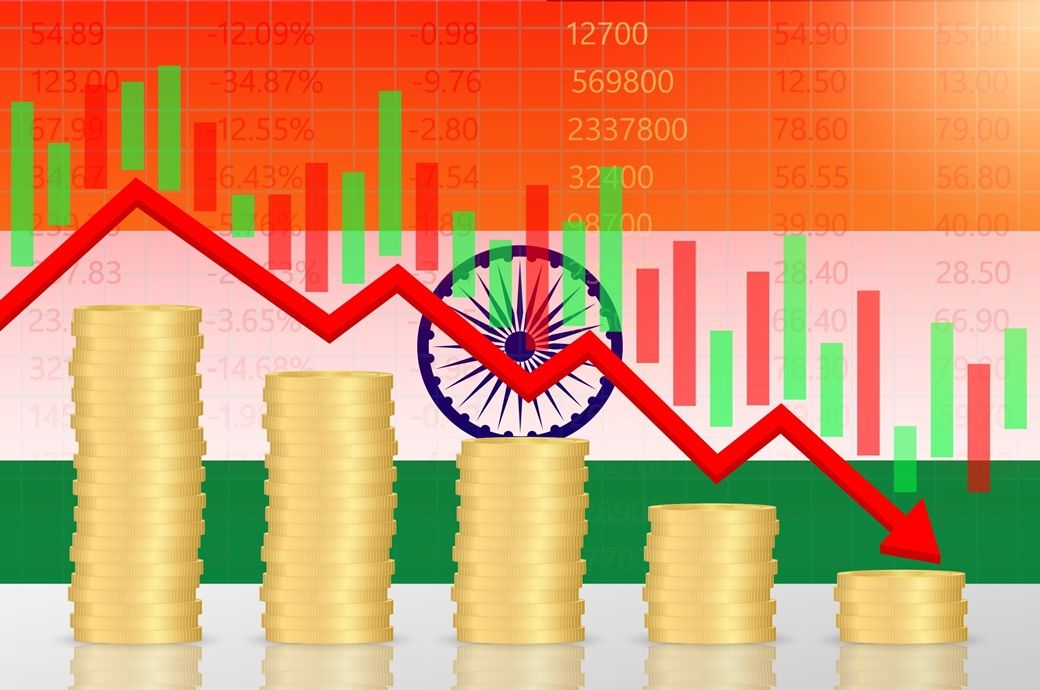
While trends in high frequency indicators for January-February 2026 appear favourable, the heightened uncertainty around the duration of the Middle East conflict casts a shadow on the near-term macroeconomic outlook for India amid high import dependency for items like crude oil, natural gas and fertilisers, it noted.
India’s FY27 GDP growth is likely to slow to 6.5 per cent from the projected 7.5 per cent in FY26 owing to the impact of higher energy prices and concerns around energy availability, ICRA Ratings said.
The heightened uncertainty around the duration of the Iran war casts a shadow on the near-term macroeconomic outlook for India.
If the conflict lasts longer, the adverse effects could widen across sectors.
If the conflict lasts for an extended period, the adverse implications of the same could widen across sectors, amid an uptick in input costs and the consequent impact on profitability of the India corporate sector.
Amid the projected uptrend in the consumer price index-based inflation in FY27 with risks tilted to the upside, ICRA Ratings expects an extended pause on the policy rates by the central bank’s monetary policy committee in the fiscal despite the anticipated softening in the GDP growth. However, it expects the Reserve Bank of India to continue to intervene on the liquidity front during FY27.
The available data for January–February FY2026 indicate a positive trend across most non-agricultural indicators, with the year-on-year performance of 12 out of 18 indicators improving compared to the third quarter of FY26, while the remaining six deteriorated.
Fibre2Fashion News Desk (DS)

Indonesia’s apparel exports rose modestly to $8.705 billion in 2025 from $8.316 billion in 2024, reflecting gradual recovery.
The US remained dominant, accounting for over 56 per cent of shipments, highlighting growing market dependence.
While Japan, South Korea and Europe offered stability, exports stayed concentrated in key products and segments.
Source link

Methanol prices in India have surged nearly 150 per cent from pre-Iran–US tension levels, tracking a sharp rise in crude oil and tightening global energy markets.
Hormuz disruption risks, limited rerouting capacity, rising freight and insurance costs, and constrained imports are fuelling volatility, with prices seen approaching ₹90 per kg.
Source link


Nike shares fall 9% on weak outlook, expected 20% sales decline in China

Prince Harry surprises crowd by calling attendees his source of hope

Wrigley Field to host Big Ten/SEC volleyball doubleheader

-

 Politics1 week ago
Afghanistan announces release of detained US citizen
-

 Sports1 week ago
Broadcast industry CEO says consolidation is ‘essential’ to compete for NFL soaring media rights prices
-

 Tech1 week ago
Can a Home Appliance Fix the Problem of Soft-Plastic Waste?
-

 Entertainment1 week ago
UN warns migratory freshwater fish numbers are spiralling
-
 Business1 week ago
Property Play: Home flippers see smallest profits since the Great Recession, real estate data firm says
-
 Business1 week ago
Gold prices soar in Pakistan – SUCH TV
-

 Fashion1 week ago
ICE cotton slips on weaker crude, profit booking
-
 Business1 week ago
More women are entering wealth management, but few are in advisory roles, study finds