

Business
Labour codes to usher in uniformity, clarity – The Times of India

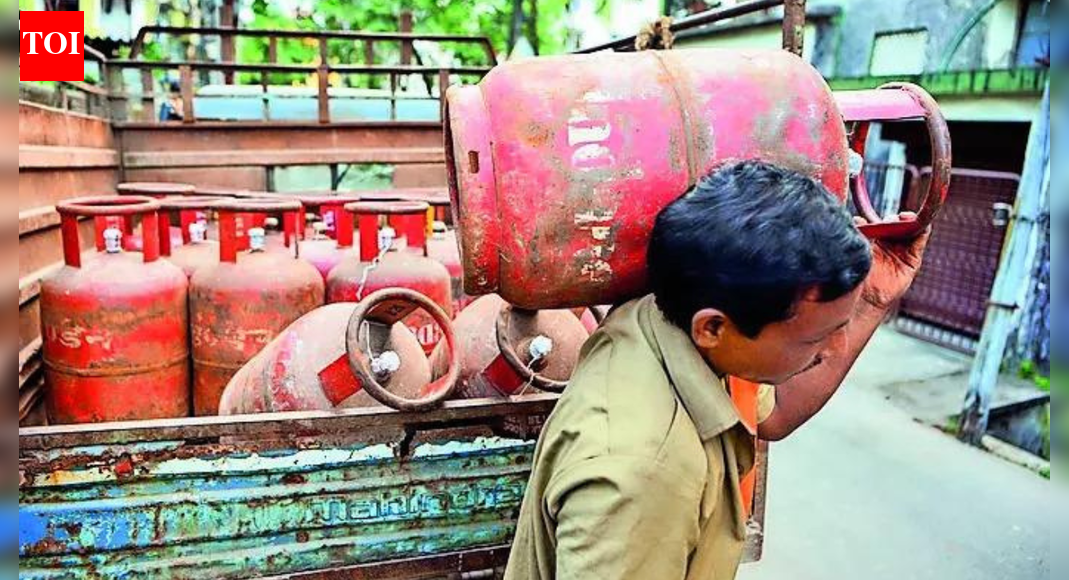
In a landmark move set to reshape India’s labour landscape, govt notified the implementation of all four labour codes, bringing into effect one of the most ambitious labour reforms in the country’s post-independence history. The rollout marks the realisation of “One India, One Law”- a unified labour framework that replaces a century of fragmented statutes with a consolidated, modern regulatory system. The four legislations cover various aspects of wages, social security, occupational safety, health and working conditions and employee relations aspects.Together, these codes subsume 29 central labour laws into a single legal structure aimed at improving transparency, reducing compliance complexity and enabling uniformity across states. Under the earlier system, overlapping definitions, varying state amendments and multiple registrations created operational hurdles for both employers and workers. The new framework introduces standardised definitions, rationalised thresholds and digitised processes intended to streamline compliance across the country.While the codes are now in force nationwide, supporting rules under both central and state jurisdictions are still to be notified. The press release issued by govt clarifies that they would engage with the public and stakeholders in the development of rules, regulations, and schemes under the new codes. Additionally, to ease the transition, the release confirms that the relevant provisions of existing labour laws will remain in force during the transition period.Changes for industryThe implementation of the labour codes will fundamentally reshape workforce management across industries. By introducing a uniform definition of wages, organisations will face greater clarity in benefit calculations for gratuity, ESI, leave encashment, overtime and statutory bonus, reducing litigation risk but potentially increasing employment costs. This change demands a thorough review of salary structures and payroll systems to ensure compliance. Additionally, the broader definition of ‘worker’ will extend entitlements such as overtime, leave encashment, and retrenchment compensation to a wider employee base, requiring companies to reassess classifications and related policies.Changes for workersFor workers-particularly those in the unorganised, gig and platform sectors-the reforms mark an unprecedented expansion of protections. The code on wages ensures a statutory minimum wage for all categories of workers and prohibits gender-based wage discrimination. The Social Security Code extends benefits to gig workers, platform workers and fixed-term employees for the first time. A national database of unorganised workers and a dedicated Social Security Fund aim to enable targeted delivery of welfare benefits. The OSH Code enhances workplace safety norms, regulates working conditions and ensures portability of benefits for migrant workers.A new chapter for India’s labour ecosystemThe enforcement of the labour codes marks a pivotal moment in India’s economic reform journey. If implemented effectively, the unified framework promises greater transparency, stronger worker protections and a more predictable regulatory environment for businesses. While final state rules and clarifications are awaited, Friday’s notification marks the beginning of a new chapter – one where India’s labour laws, finally, speak in a single, coherent voice.(The writer is partner, people advisory services – tax, EY India)







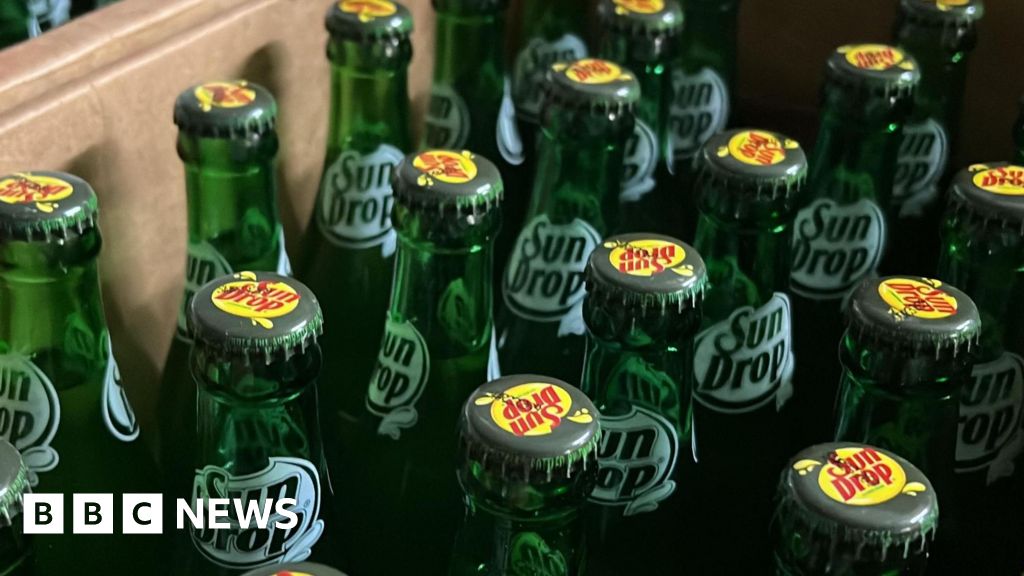
Soft drinks company Twig’s Beverage has a loyal following for its old-fashioned approach.
Source link

The Chancellor is trying to use this moment as a launching pad for a wider attempt to gee up consumer and business confidence.
Source link
Business
Oil market price battle: Russia and Iran offer deeper discounts to China as crude piles up at sea – The Times of India

Russian and Iranian oil producers are reportedly offering deeper discounts to compete for the same limited pool of Chinese buyers after India pulled back from purchases. Analysts say India’s imports from Russia could fall by 40 per cent from January levels, to around 600,000 barrels a day, according to a scenario from Rystad Energy, as reported by Bloomberg.Much of the displaced crude is heading east, sparking a price war with Iranian suppliers, long favoured by China’s independent refiners, known as teapots. Russian Urals crude is reportedly selling at about $12 a barrel below ICE Brent, up from a $10 discount last month. Iranian Light crude is going for as much as $11 below the global benchmark, widening from $8–$9 in December, according to traders.
“The Chinese private refiners cannot take in much more as their capacity is likely maxed out,” said Jianan Sun, an analyst at Energy Aspects, noting that sanctioned barrels are building up in both onshore and offshore storage.China’s teapots historically act as a pressure valve, absorbing barrels shunned by others, but their capacity is limited; they account for roughly a quarter of the country’s refining capacity and are also subject to government import quotas. Major state-owned refiners, meanwhile, have traditionally avoided Iranian crude and have recently largely stayed away from Russian barrels as well.With China unable to fully absorb the displaced supply, unsold oil is piling up in Asian waters, leaving Russia and Iran scrambling. The Kremlin has already cut output, depriving it of funds for its war in Ukraine, while Iran is trying to ship as much oil as possible amid fears of a potential US strike.Data shows Russian oil deliveries to Chinese ports rose to 2.09 million barrels a day in the first 18 days of February, a roughly 20 per cent increase from January and nearly 50 per cent higher than December. By contrast, Iranian exports to China have fallen about 12 per cent from a year earlier, to roughly 1.2 million barrels a day, according to Kpler. The firm estimates nearly 48 million barrels of Iranian crude are now at sea, up from about 33 million in early February. Russian cargoes sitting in Asian waters total around 9.5 million barrels.A potential US strike on Iran could disrupt exports if oil facilities are targeted or shipments through the Strait of Hormuz are blocked. Russian barrels carry a “relatively lower level of risk” for Chinese buyers compared with Iranian crude, said Lin Ye, vice president of oil markets at consultancy Rystad Energy, citing optimism over a potential ceasefire in Ukraine.

The family-owned soda firm that stuck to returnable glass bottles

College track athlete allegedly stabbed to death by girlfriend over suspected affair

Who is Rafael Olarra? Know all about Pedro Pascal’s boyfriend
-

 Entertainment1 week ago
Queen Camilla reveals her sister’s connection to Princess Diana
-

 Tech1 week ago
Rakuten Mobile proposal selected for Jaxa space strategy | Computer Weekly
-

 Politics1 week ago
Ramadan moon sighted in Saudi Arabia, other Gulf countries
-

 Entertainment1 week ago
Robert Duvall, known for his roles in "The Godfather" and "Apocalypse Now," dies at 95
-
 Business1 week ago
Tax Saving FD: This Simple Investment Can Help You Earn And Save More
-

 Politics1 week ago
Tarique Rahman Takes Oath as Bangladesh’s Prime Minister Following Decisive BNP Triumph
-

 Tech1 week ago
Businesses may be caught by government proposals to restrict VPN use | Computer Weekly
-

 Sports1 week ago
Usman Tariq backs Babar and Shaheen ahead of do-or-die Namibia clash