

Business
Drug rebate rate cut by over a third after zero-tariff deal with US

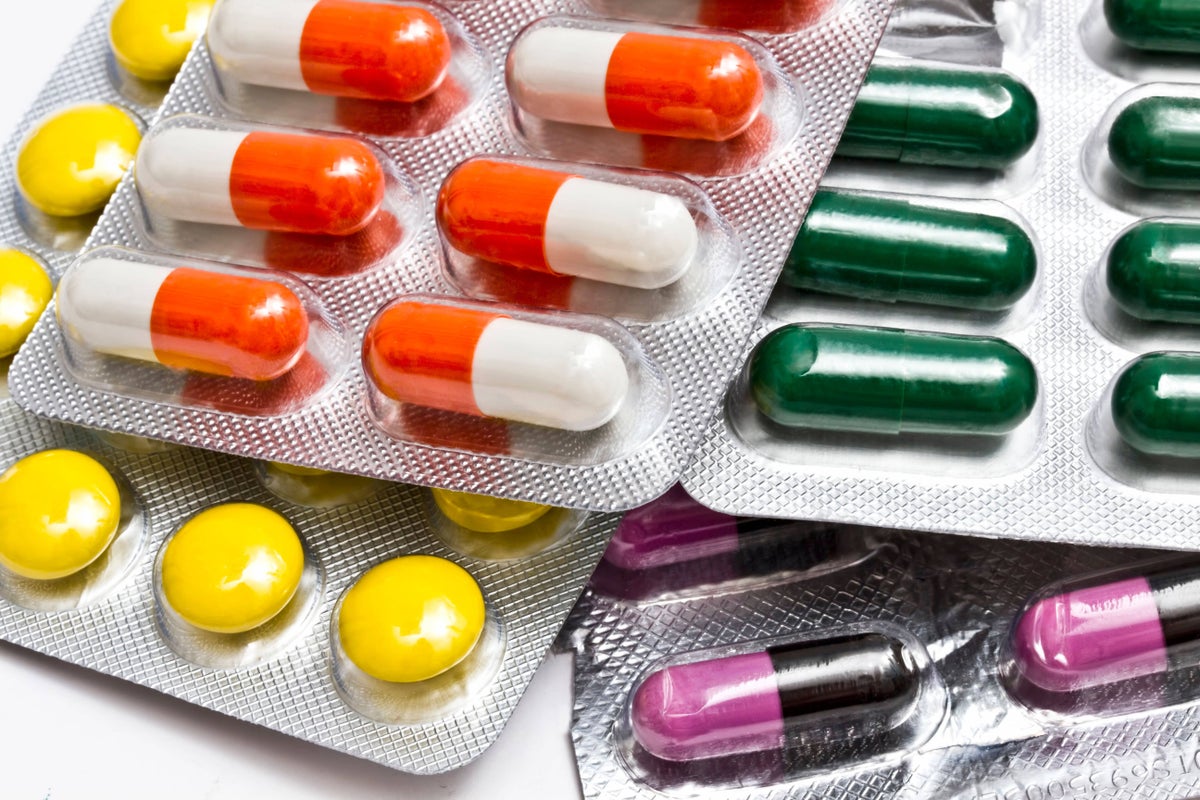
Rebates paid by drugs firms to the NHS are being cut by more than a third next year following the recent tariff deal with the US.
The Government said the rebate costs for companies – the proportion of revenues from new branded medicine sales that drugs firms must pay back into the NHS – would fall to 14.5% in 2026 from 22.9% this year.
It comes after the UK-US tariff deal earlier this month, which will see zero tariffs on British pharmaceutical products imported into the US in return for the NHS raising spending on medicines.
As part of the deal, it was also agreed that repayment rates on NHS drug prices would be capped at 15% for the first three years.
This is the amount that drugs firms pay back to the NHS to ensure it does not overspend its allocated budget for branded medicines.
The Government said it is able to offset the lower rebate thanks to falling costs for medicines, in part driven by drugs coming off patent.
But Downing Street admitted soon after the trade deal that the agreement to increase the threshold for what the NHS can pay for new medicines by 25% will cost it around £1 billion extra a year by 2029.
The Association of the British Pharmaceutical Industry (ABPI) said the “high and unpredictable” rebate costs had been a “significant drag on UK life science competitiveness in recent years”.
Richard Torbett, chief executive of the ABPI, said: “It’s good that the amount of revenue companies will need to pay to the UK government has come down in 2026.”
He added: “However, this is only the first step in returning the UK to a more competitive position.
“Payment rates remain much higher than in similar countries, and there is work to do to accelerate the NHS’s adoption and use of cost-effective medicines to improve patient care.”
The Department for Health said the lower rebate costs should also make the UK an attractive place for investment by pharma firms, clinical trials and the early launch of new medicines.
Health innovation minister Dr Zubir Ahmed said that together with the tariff deal, “this will help secure and drive investment in the sector, ensuring Britain remains a powerhouse for life sciences for the benefit of our patients, our NHS and our economy”.
Science minister Lord Vallance added: “We need our brilliant life sciences companies to discover and get important new medicines to patients right across the NHS and to create jobs in the UK.
“This new rate helps achieve that.”
Under the changed system customers collect points rather than reward coupons, with £1 spent equalling one point.
Source link

There have been extra jitters in UK government debt markets ahead of Thursday’s local and national elections.
Source link
Business
Sugarcane price hike: Govt raises FRP to Rs 365/quintal for 2026-27, farmers to benefit from higher returns – The Times of India
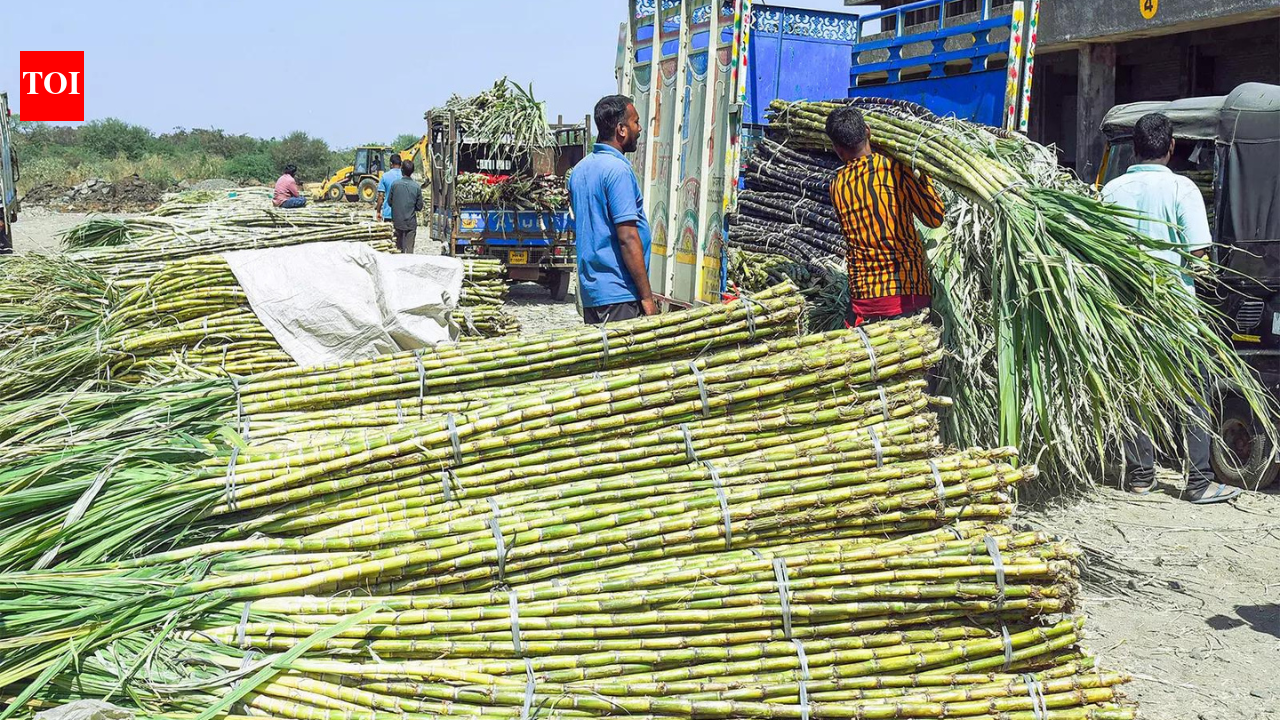
The government has increased the fair and remunerative price (FRP) of sugarcane by Rs 10 to Rs 365 per quintal for the 2026-27 season beginning October, PTI reported.The decision was approved by the Cabinet Committee on Economic Affairs (CCEA), chaired by Prime Minister Narendra Modi.“The FRP will be Rs 365/quintal for a basic recovery rate of 10.25 per cent,” Union Minister Ashwini Vaishnaw said after the meeting.The revised FRP is 2.81 per cent higher than the current rate of Rs 355 per quintal for the 2025-26 season.For every 0.1 per cent increase in sugar recovery above 10.25 per cent, the FRP will rise by Rs 3.56 per quintal, providing an incentive to mills for higher efficiency.To safeguard farmers supplying to mills with lower recovery rates, the government has decided that there will be no deduction in FRP for recovery below 9.5 per cent. In such cases, farmers will receive Rs 338.3 per quintal in the 2026-27 season.The production cost of sugarcane for 2026-27 has been estimated at Rs 182 per quintal, making the FRP 100.5 per cent higher than the cost.“Farmers are expected to get more than Rs 1 lakh crore,” Vaishnaw said.The move is expected to benefit nearly one crore sugarcane farmers, along with farm labourers and workers engaged in sugar mills.The FRP has been fixed based on recommendations of the Commission for Agricultural Costs and Prices (CACP) and consultations with state governments and stakeholders.The sugar sector supports the livelihoods of around five crore farmers and their families, and about five lakh workers directly employed in sugar mills, besides those involved in related activities such as transportation.Sugar mills are required to purchase sugarcane from farmers at the FRP or higher.Vaishnaw said the FRP has been increased every year over the past decade, and the latest revision will also support ethanol production from surplus sugarcane.On cane dues, he said that in the 2024-25 season, about Rs 1,02,209 crore, or nearly 99.5 per cent, of the total payable dues of Rs 1,02,687 crore had been cleared as of April 20, 2026.For the ongoing 2025-26 season, Rs 99,961 crore, or 88.6 per cent, has been paid out of total dues of Rs 1,12,740 crore.


AS-level Business Studies paper allegedly leaked online

Italy’s Meloni warns over AI deepfakes after false photos circulate

Oprah’s Book Club: Author Douglas Stuart reads “John of John” excerpt

-

 Tech1 week ago
A Brain Implant for Depression Is About to Be Tested in Humans
-

 Sports1 week ago
Pro wrestling star Steph De Lander reveals how colleague’s advice helped lead her to title triumph at ACW
-

 Tech1 week ago
Almost 90% of women leave tech industry within 10 years | Computer Weekly
-
 Business1 week ago
‘I had £20,000 stolen and had to fight a 13-month fraud reporting rule to get it back’
-

 Entertainment1 week ago
Norway joins Type 26 Frigate Programme to boost NATO naval power
-

 Entertainment1 week ago
Melania Trump says ABC should ‘take a stand’ on late-night host Kimmel
-

 Tech1 week ago
This Ambitious Laptop Doesn’t Leave Much Room for Your Hands
-
 Business6 days ago
PSX plunges over 4,800 points | The Express Tribune