

Business
Deepening Pak-Indonesia ties | The Express Tribune

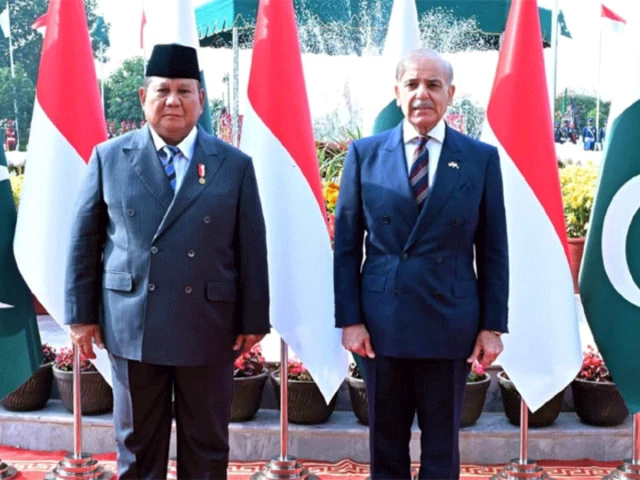
With supportive tariffs, electronics manufacturing can emerge as major pillar of Indonesia’s investment footprint
President of Indonesia Prabowo Subianto and Prime Minister Shehbaz Sharif Photo: Radio Pakistan
ISLAMABAD:
Pakistan and Indonesia are steadily shaping one of South and Southeast Asia’s most consequential, yet under-reported, economic relationships. What began as a tariff-centred arrangement has matured into a broader commercial partnership driven by commodity flows, rising business-to-business engagement, and an expanding agenda for investment cooperation.
Recent figures underline this momentum. Bilateral trade reached $4.2 billion in 2024, and early 2025 numbers continue to climb. Between January and September 2025, trade volumes touched $2.92 billion, up from $2.69 billion during the same period of last year. This steady rise reflects both the resilience of commodity flows and the gradual expansion of non-traditional product lines entering each other’s markets. Yet the structural imbalance persists – Indonesia remains the dominant exporter, while Pakistan’s outbound shipments largely remain confined to a narrow set of labour-intensive items.
Palm oil remains the anchor of this asymmetry. As one of the world’s largest consumers of imported edible oils, Pakistan depends heavily on Indonesian supply – a reality that shapes pricing, availability, and strategic planning for domestic refiners and food manufacturers. The Indonesian Palm Oil Association reaffirmed in late 2024 and again in 2025 that Indonesia will continue prioritising Pakistan’s edible oil requirements. This stable flow is a valuable assurance for Pakistan, though vulnerability to biodiesel mandates, domestic Indonesian policy shifts, and global price cycles remains.
The policy framework for bilateral trade is robust on paper but under-leveraged in practice. The Indonesia-Pakistan Preferential Trade Agreement (IP-PTA) provides a predictable tariff structure, yet businesses on both sides note that the agreement has not kept pace with evolving supply chain realities. Rules of origin, digital documentation, sanitary and phytosanitary alignment, and services-sector protocols require updating. In short, the scaffolding exists; the operational architecture needs modernisation.
On the export diversification front, opportunities remain substantial but under-exploited. Pakistani exporters identify textiles, home linen, surgical instruments, rice, leather, and processed foods as areas with strong potential in Indonesia’s consumer-driven market. Conversely, Indonesian firms see Pakistan as an attractive destination for electronics, machinery, processed foods, and – significantly – investments in logistics, refining, and distribution infrastructure. Joint ventures in edible oil refining, port-side storage terminals, and downstream food processing plants have been actively discussed at recent business forums.
Business-to-business engagement is deepening faster than government-led initiatives. Delegations from Karachi, Lahore and Islamabad continue to visit Jakarta, Bandung, and Surabaya for sector-specific roundtables and trade fairs. Chambers of commerce on both sides are pushing for SME-focused engagement, with a growing emphasis on using Indonesia as a gateway to Asean and encouraging Indonesian firms to view Pakistan as an entry point to South Asia and Central Asia. This bottom-up momentum is likely to be a major driver of bilateral expansion in the years ahead.
The constraints are equally real. Pakistan’s exporters face high freight costs, fragmented market intelligence, and complex Indonesian non-tariff standards. Indonesian suppliers, meanwhile, must navigate Pakistan’s volatile exchange conditions and inconsistent regulatory signals. Domestic Indonesian policies – particularly biodiesel blending requirements and temporary export curbs – periodically disrupt Pakistan’s edible oil supply chain. For both sides, these frictions complicate long-term planning.
To strengthen and stabilise the partnership, a series of practical measures merit serious consideration. Upgrading the IP-PTA into a broader Free Trade Agreement would be a critical first step, incorporating services, digital trade, clearer investment rules, and mutual recognition of standards. Securing long-term edible oil supply contracts, supported by dedicated storage and port-side infrastructure in Pakistan, would help cushion policy shocks. Joint ventures in refining and downstream processing could add value locally while reducing dollar-based import exposure.
Equally important would be establishing bilateral certification and standards alignment centres to help SMEs meet regulatory requirements more easily. A dedicated Pakistan-Indonesia trade portal could provide real-time tariff data, logistics options, and a digital dispute resolution window – the essential tools for smaller exporters. An investment facilitation desk, jointly staffed by the two governments and linked to export credit agencies, could accelerate approvals and de-risk early-stage projects.
Recent diplomatic and business activity suggests that both sides recognise the importance of moving in this direction. In 2024 and 2025, the Pakistan-Indonesia Business Council and Indonesian diplomatic missions in Karachi engaged in active discussions around agriculture, manufacturing, energy, halal products, and logistics investment. There is also renewed advocacy for finalising a comprehensive trade agreement and introducing direct flights to reduce logistics costs and expand business mobility. These developments signal that investment is becoming a central theme of the bilateral agenda.
A promising new area is Pakistan’s fast-growing electronic appliances market. Demand for air-conditioners, refrigerators, fans, small home appliances, and LED TVs is expanding at a pace that now requires fresh global investment. Indonesian manufacturers – already competitive in mid-range electronics – see Pakistan as an attractive destination due to its large consumer base, improving localisation policies, and lower production costs compared to many Asean peers. Early conversations between Indonesian appliance makers and Pakistani industry groups indicate serious interest in assembling and eventually manufacturing select product lines inside Pakistan.
If realised, Indonesian investment in this sector could have significant spillovers. Local assembly partnerships would reduce import dependence, stabilise prices, and generate jobs across the electrical, metal works, plastic moulding, and logistics value chains. With supportive tariff policies and streamlined approvals, electronics manufacturing could emerge as one of the next major pillars of Indonesia’s investment footprint in Pakistan.
The writer is a Mechanical Engineer






Two ads promoting British beef and milk have been banned after television presenter and environmental campaigner Chris Packham complained that they misled consumers about the products’ carbon footprints.
Both ads for the Agriculture and Horticulture Development Board’s (AHDB) Let’s Eat Balanced campaign used the carbon footprint of British beef and milk to promote the products, firstly stating: “British beef not only tastes great, but has a carbon footprint that’s half the global average*.”
The asterisk linked to text that stated: “Full lifecycle emissions of CO2 eq (carbon dioxide equivalent) per kg of beef.”
The ad for milk stated: “British milk not only tastes good, but is also produced to world-class standards, and has a carbon footprint a third lower than the global average.”
Packham complained to the Advertising Standards Authority (ASA) that the ads, and specifically the carbon footprint claims, were misleading as they did not reflect the full environmental impact of British meat and dairy.
The AHDB said the ads’ mention of carbon emissions would be understood in relation to the environmental impact of beef and milk that occurred between the “cradle-to-retail” stages.
But the ASA said the average consumer “being reasonably well-informed, observant and circumspect” would understand the claims to apply beyond the retail stage and include actions such as cooking and wastage.
The ASA said: “While we acknowledged the potential difficulties in producing post-retail emissions data, the claims in the ads suggested those emissions were included and we therefore expected the evidence provided to also include them.
“We therefore concluded that the evidence presented was insufficient to support the full life-cycle claims in the ads, which was how the average consumer was likely to interpret them.
“We reminded AHDB that environmental claims should be based on the full life cycle unless the ad stated otherwise.”
AHDB’s director of communications and market development, Will Jackson, said: “Let’s Eat Balanced is doing what it was designed to do, providing clear, factual, evidence-led information about British food, nutrition and farming standards.
“Since the investigation began, we have conducted independent consumer research which found that the majority of respondents interpreted these adverts as relating to the production phase only, from farm to retail.
“This research provides important insight into consumer understanding and supports our belief that consumers were not misled by the information we shared in these two specific adverts.”
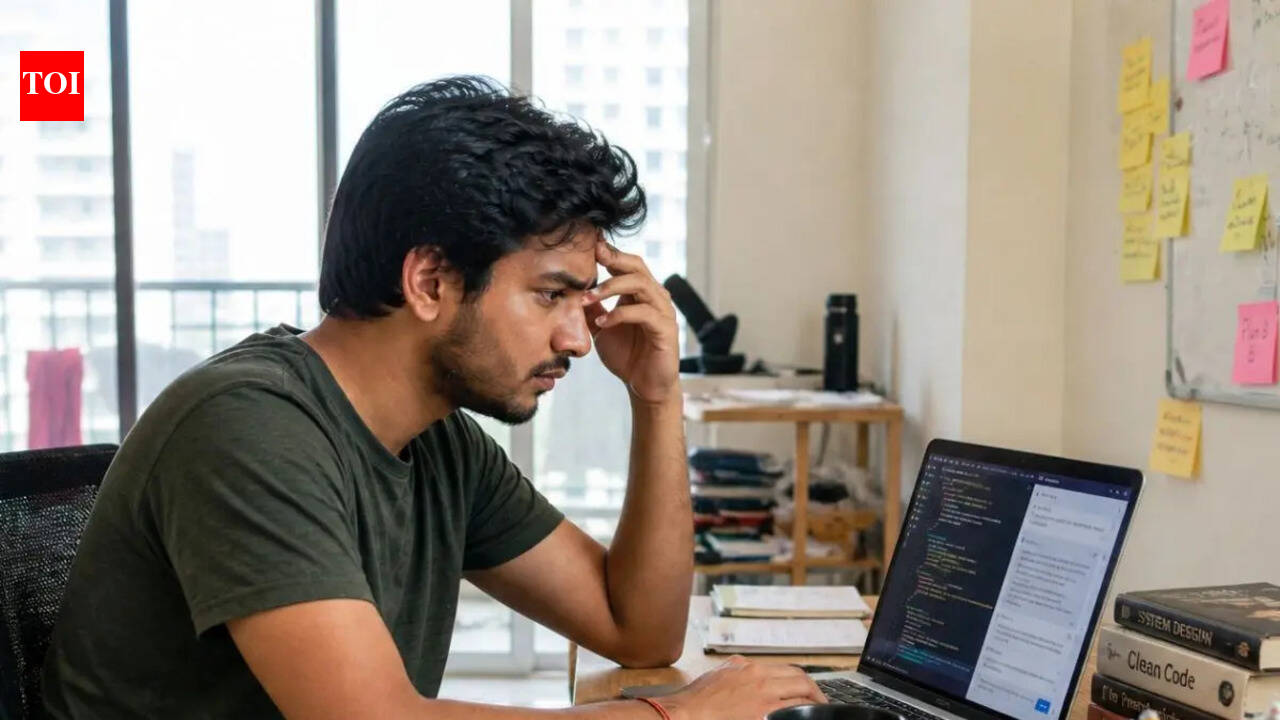
BENGALURU: India’s Gen Z workforce is embracing what experts describe as “portfolio careers” – balancing multiple professional identities and income streams simultaneously. New research from LinkedIn shows that 75% of Gen Z entrepreneurs in India now manage multiple income streams, significantly higher than the 62% among Gen X entrepreneurs. The findings point to a growing preference among younger professionals for flexibility, autonomy and diversified sources of income. “We’re also seeing the rise of the ‘portfolio era’, with more professionals creating multiple income streams and redefining what a career can look like. This shift is making entrepreneurship more accessible than ever before,” said LinkedIn India country manager Kumaresh Pattabiraman.Rather than depending on a single full-time role, many professionals are simultaneously building businesses, freelancing, consulting, creating online content and monetising specialised skills through digital platforms. The trend comes amid a broader rise in entrepreneurial activity in India. LinkedIn recorded a 104% year-on-year increase in members adding “Founder” to their profiles – the highest growth among all global markets.AI is also emerging as a major enabler of this shift. The report found that 85% of Gen Z entrepreneurs consider AI and digital tools important to their business operations.

Sam Altman said Elon Musk tried many times for total control of OpenAI, which he’s now suing.
Source link


Will LeBron James retire after current season?

South Korea reviews phased support for Strait of Hormuz security efforts

New Jersey Gov. Mikie Sherrill announces another NJ Transit World Cup ticket cut days after first reduction

-

 Tech1 week ago
DHS Demanded Google Surrender Data on Canadian’s Activity, Location Over Anti-ICE Posts
-
 Business1 week ago
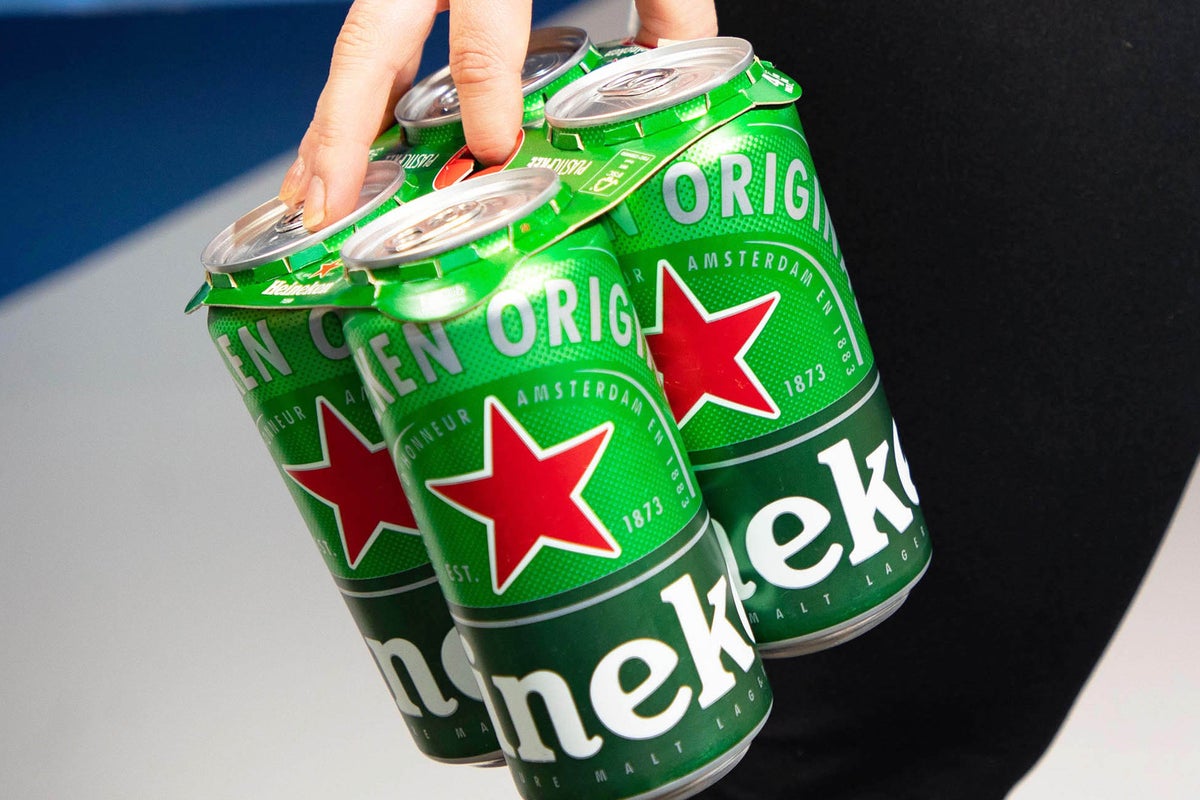
Heineken plans huge investment in hundreds of UK pubs ahead of World Cup
-

 Tech5 days ago
A new frontier: Identity stack evolves for agentic systems | Computer Weekly
-

 Tech4 days ago
‘Orbs,’ ‘Saucers,’ and ‘Flashes’ on the Moon: Pentagon Drops New UFO Files
-
 Business1 week ago
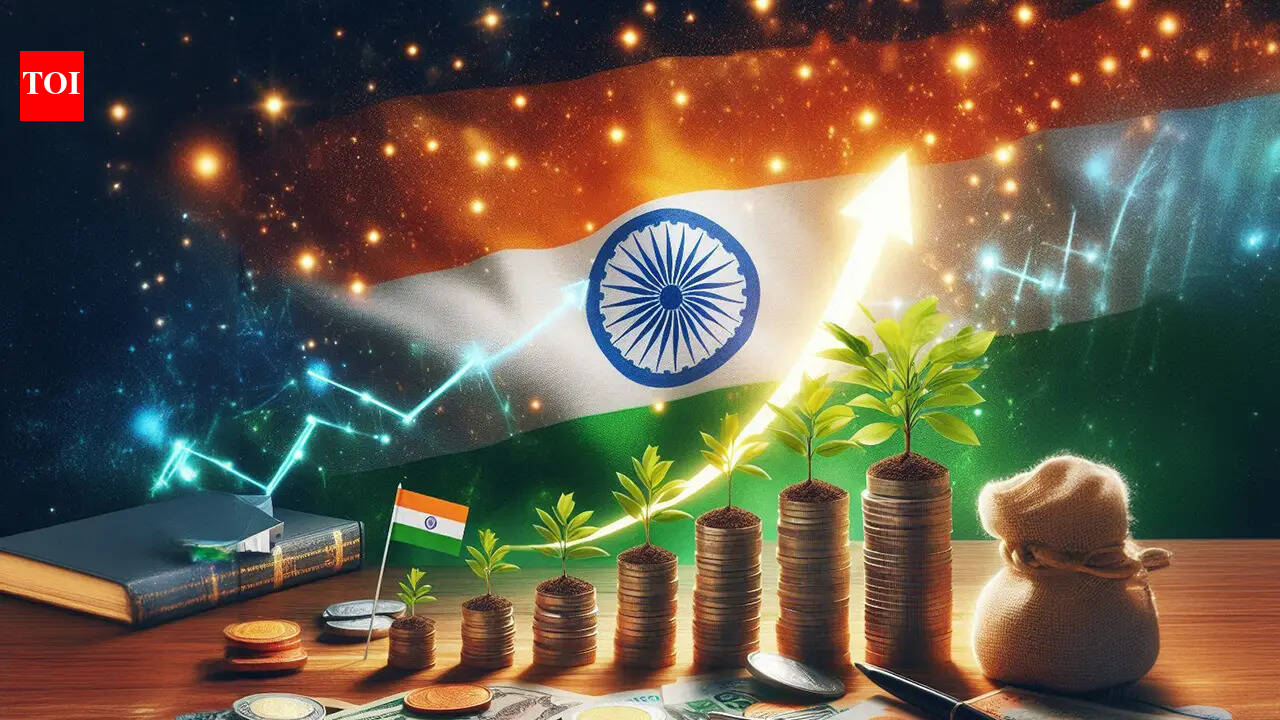
India among most resilient large EMs, better placed for future global shocks; policy reforms & strong buffers help: Moody’s – The Times of India
-

 Tech5 days ago
What Microsoft Executives Really Thought About OpenAI in 2018
-
 Fashion5 days ago
New orders in German manufacturing up 5% MoM in Mar 2026: Destatis
-

 Sports5 days ago
Shaheen Afridi achieves landmark feat during opening Test against Bangladesh