

Business
Rupee Falls 25 Paise To Close At A Record Low Of 90.74 Against US Dollar On Monday


Last Updated:
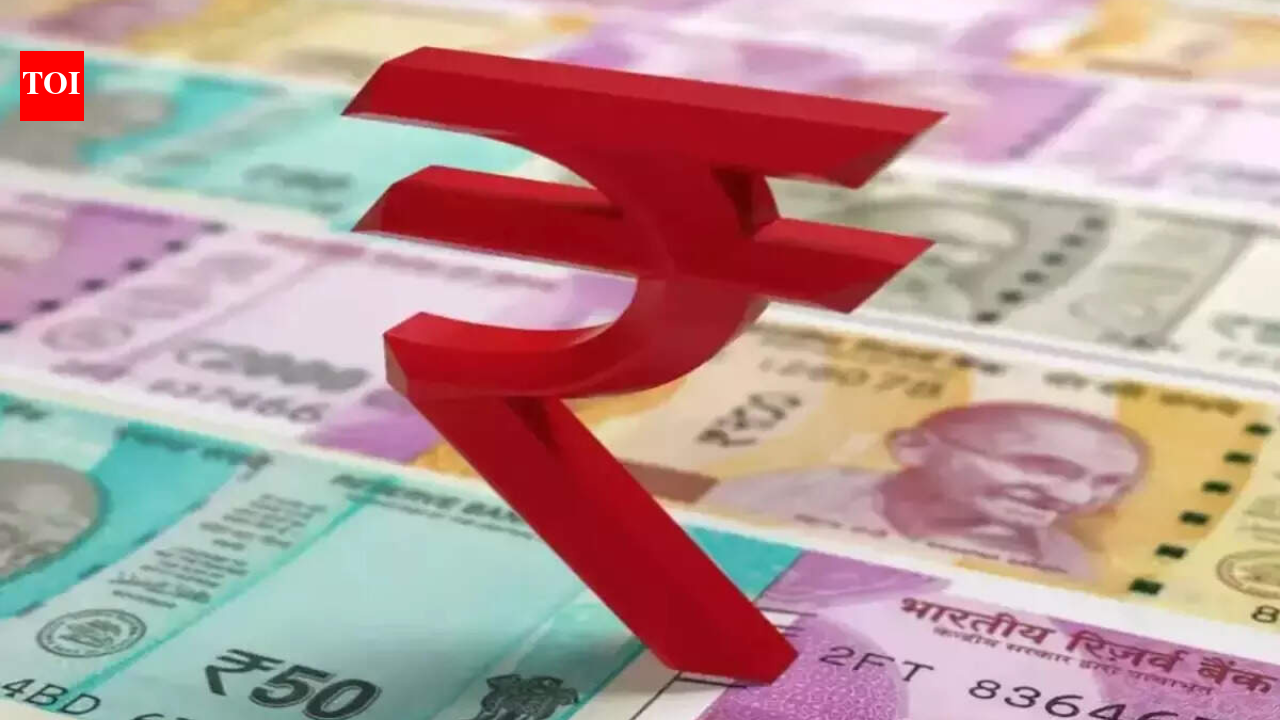
On Monday, the rupee dropped to its lowest ever level of 90.80 before ending at a new all-time low of 90.74 (provisional) against the US dollar.
Rupee depreciates against the US dollar.
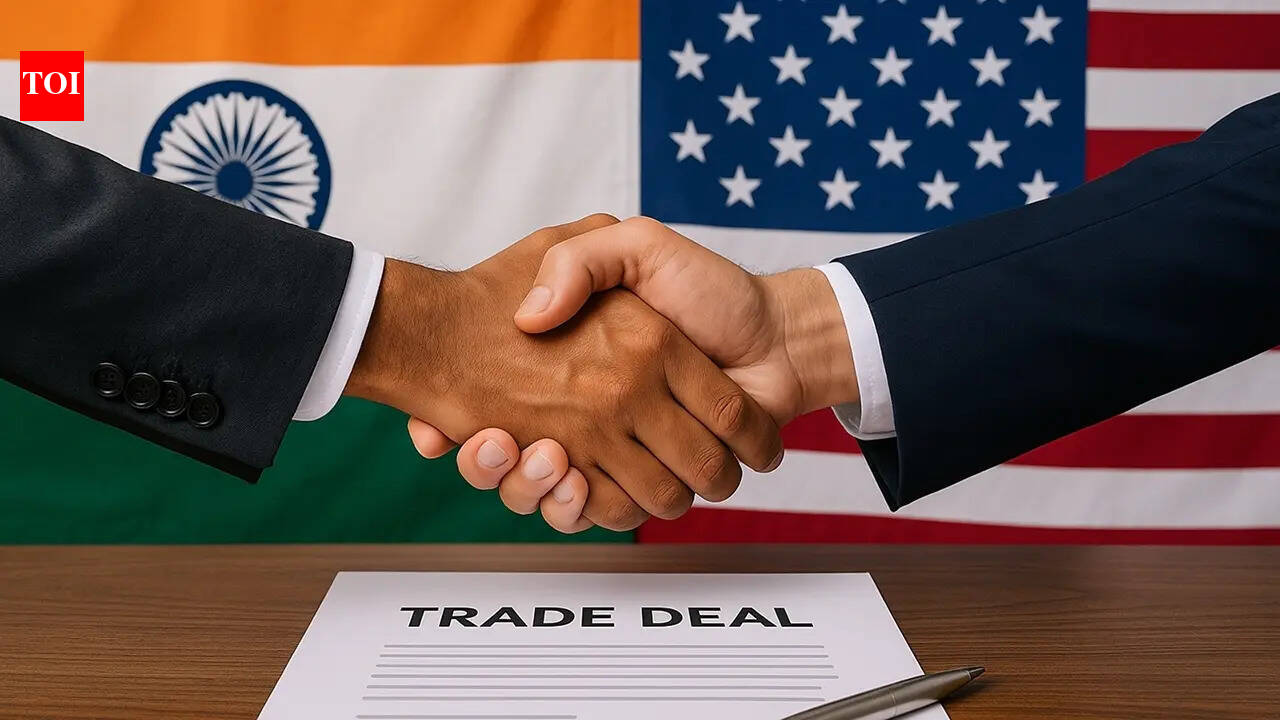
The rupee on Monday slipped to its lowest-ever level of 90.80 before settling at a fresh all-time low of 90.74 (provisional) against the US dollar, pressured by uncertainty over an India-US trade deal and continued foreign fund outflows.
The domestic currency lost 25 paise from its previous close. Forex traders said a risk-averse market mood and strong dollar demand from importers further weighed on investor sentiment.
At the interbank foreign exchange, the rupee opened at 90.53 against the US dollar and later touched a record intra-day low of 90.80, down 31 paise from its previous close. It finally closed at 90.74 (provisional), marking a fresh lifetime low.
On Friday, the rupee had already weakened by 17 paise to close at a then record low of 90.49 against the greenback.
Commenting on the move, Dilip Parmar, Research Analyst at HDFC Securities, said the Indian rupee was the worst-performing currency among its Asian peers.
“The Indian rupee plunged to a record low, making it the worst performer among Asian currencies. Even though the trade balance was better than expected, the rupee could not find support,” Parmar said.
He added that the weakness was largely driven by demand-supply imbalance.
“This weakness is mainly due to a big gap between demand and supply, with high dollar demand from importers and ongoing capital outflows being the main worries for the currency,” Parmar noted.
From a technical perspective, Parmar said the outlook remains tilted in favour of the dollar.
“In the short term, the technical outlook for the USD-INR pair is still positive, with key resistance at 90.95 and support at 90.50,” he said.
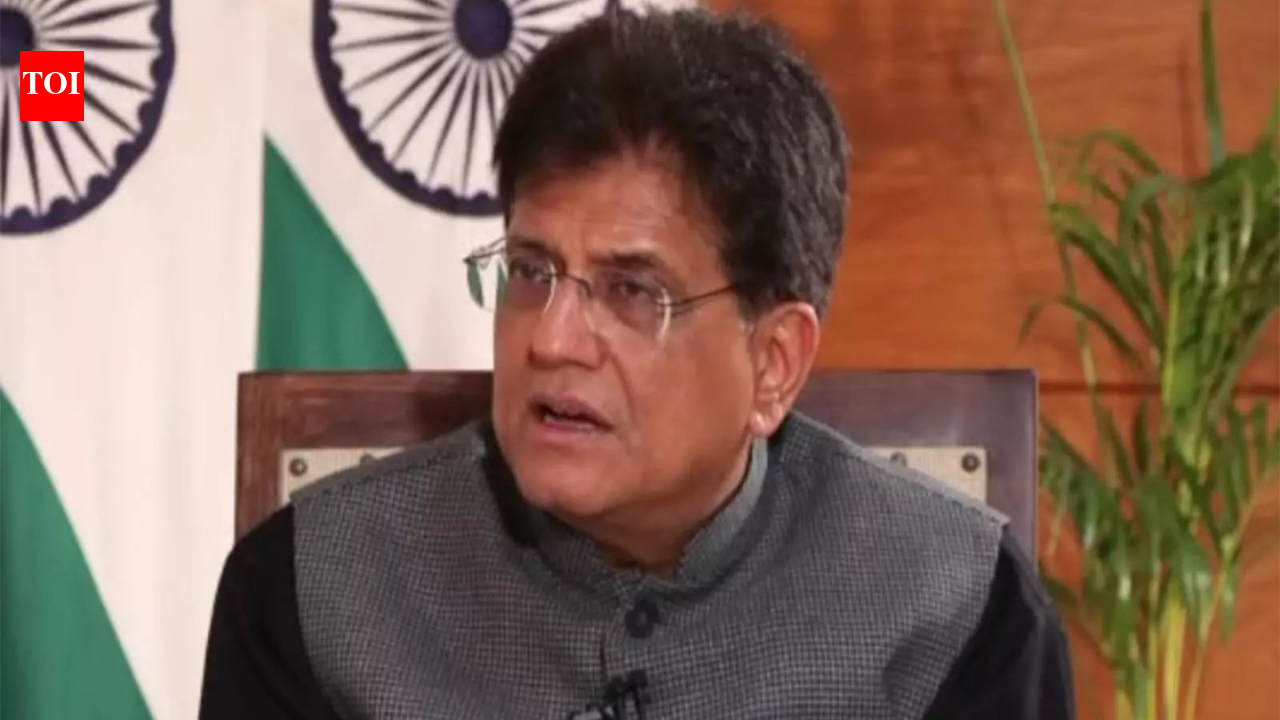
Meanwhile, Commerce Secretary Rajesh Agrawal said India and the US are “very close” to finalising a framework trade deal.
“We are very close to the framework deal, which we think can be done soon. But I don’t want to give a timeline,” Agrawal told reporters.
India and the US are currently holding parallel discussions—one focused on a framework trade deal to address high tariffs and another on a full bilateral trade agreement. Indian industry and exporters are keenly awaiting clarity, as elevated import duties continue to hurt exports to the US.
The two sides concluded two days of talks last Thursday, during which trade issues and the proposed bilateral agreement were discussed. Prime Minister Narendra Modi and US President Donald Trump also spoke on Thursday on maintaining momentum in the economic partnership, amid indications that the long-pending trade deal could be nearing completion.
In global markets, the dollar index, which tracks the greenback against six major currencies, fell 0.08 percent to 98.32. Brent crude, the global oil benchmark, rose 0.21 percent to USD 61.25 per barrel in futures trade.
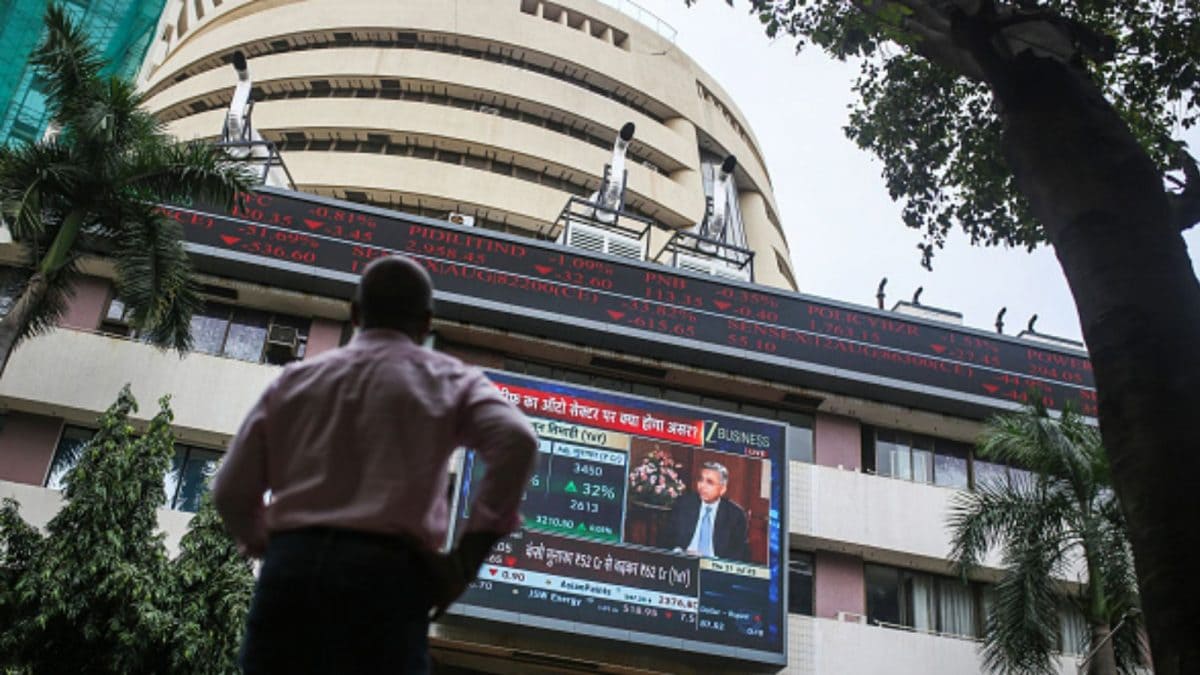
In the domestic equity market, the Sensex slipped 54.30 points to close at 85,213.36, while the Nifty declined 19.65 points to 26,027.30.
Foreign Institutional Investors (FIIs) sold shares worth Rs 1,114.22 crore on Friday, according to exchange data.
Meanwhile, India’s foreign exchange reserves increased by USD 1.033 billion to USD 687.26 billion for the week ended December 5, the Reserve Bank of India said on Friday. In the previous week, forex reserves had declined by USD 1.877 billion to USD 686.227 billion.
(This story has not been edited by News18 staff and is published from a syndicated news agency feed – PTI)
 Click here to add News18 as your preferred news source on Google.
 December 15, 2025, 17:50 IST
Read More

Heineken has announced a substantial investment exceeding £44 million into hundreds of its pubs across the UK, a move expected to create approximately 850 jobs.
The Dutch brewing giant’s Star Pubs operation, which manages 2,350 sites nationwide, is undertaking this significant financial commitment despite a challenging period for the pub sector.
The industry has faced considerable pressure over the past year, grappling with escalating labour costs and increases in national insurance contributions.
Concurrently, consumer spending has been constrained by concerns over inflation and rising unemployment, further impacting pub revenues. However, pubs did receive additional business rates support from the government last month, aimed at alleviating some of these financial burdens.
Lawson Mountstevens, managing director of Star Pubs, indicated that the investment strategy is partly designed to bolster revenues and help the group navigate the recent “sustained increases in running costs”.
This year, £44.5 million will be allocated to upgrades for 647 pubs. A notable 108 of these venues are earmarked for particularly significant cash injections, with each transformation costing at least £145,000.
Heineken clarified that while the majority of its pubs are group-owned, they are independently operated by local licensees. A key focus for this investment, particularly in the lead-up to the 2026 football World Cup, will be on sports-focused venues.
The pub firm and brewer has a history of significant investment in British pubs, having pumped £328 million into the sector since 2018. Work has already commenced at 52 locations, including eight projects dedicated to reopening boarded-up pubs that have endured lengthy closures.
Mr Mountstevens also urged the government to reduce the tax burden on pubs, arguing it would ease cost pressures and foster further job creation within the industry.
He stated: “We can only do so much; the root-and-branch reform of business rates that the industry has been calling for over many years is urgently required, as well as a lowering of the burden of taxation on pubs, including VAT and beer duty.”
He concluded with a direct appeal: “We are calling on the Government to support us in bringing out the best in the Great British pub.”
GameStop’s boss Ryan Cohen says he sees potential to make eBay a much bigger rival to Amazon.
Source link
It comes as the US said on Monday it will begin to help “guide” vessels out of the Strait of Hormuz.
Source link


Dwayne Johnson shocks everyone with bold Met Gala outfit

Greg Brockman Defends $30B OpenAI Stake: ‘Blood, Sweat, and Tears’

Met Gala 2026 “Costume Art” red carpet pictures from New York City

-

 Tech1 week ago
A Brain Implant for Depression Is About to Be Tested in Humans
-

 Tech1 week ago
Almost 90% of women leave tech industry within 10 years | Computer Weekly
-
 Business1 week ago
Pakistan’s oil market is fuelling the crisis | The Express Tribune
-
 Business1 week ago
‘I had £20,000 stolen and had to fight a 13-month fraud reporting rule to get it back’
-

 Sports7 days ago
Pro wrestling star Steph De Lander reveals how colleague’s advice helped lead her to title triumph at ACW
-

 Entertainment1 week ago
Melania Trump says ABC should ‘take a stand’ on late-night host Kimmel
-

 Tech7 days ago
This Ambitious Laptop Doesn’t Leave Much Room for Your Hands
-

 Entertainment1 week ago
Norway joins Type 26 Frigate Programme to boost NATO naval power