

Business
Thousands of drivers wrongly fined for speeding since 2021

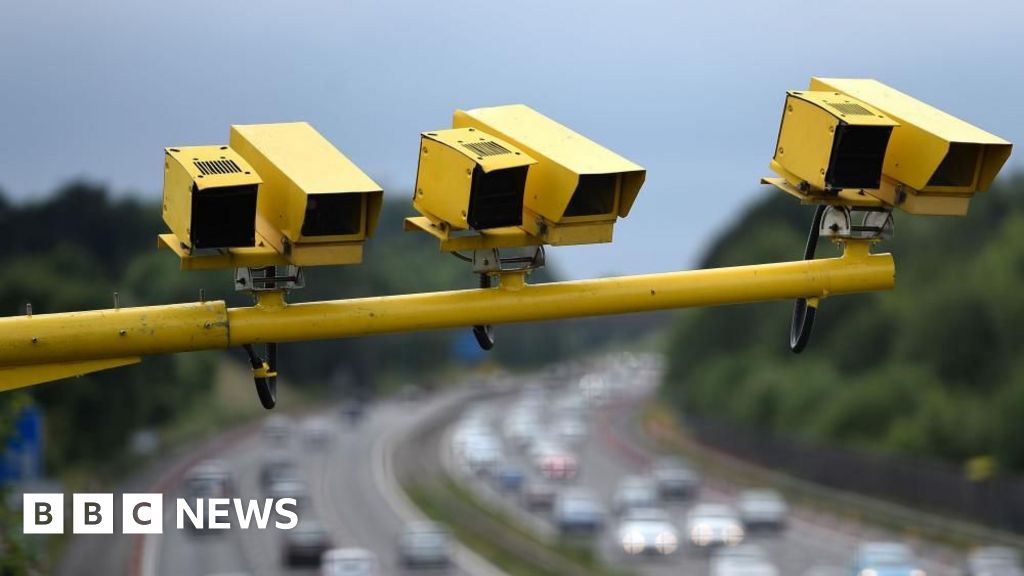
Thousands of drivers could have speeding fines cancelled after a fault saw some cameras falsely triggered on English motorways and A roads.
And tens of thousands of drivers will have speed awareness courses cancelled as the government orders National Highways to look back at six years of speed camera data.
National Highways said it had found 2,650 wrongful speed camera activations since 2021 due to a delay between cameras and variable speed signs.
Not all camera activations are enforced, so not all of the wrongful activations will have resulted in fines.
Affected drivers will be contacted by police and be reimbursed for any fines while points will be removed from their licences where needed.
More than 36,000 drivers have been told by police their speed awareness courses are being cancelled as a precaution while the speed camera issue is investigated.
Police forces are also thought to be discontinuing thousands of other prosecutions, regardless of whether they were affected by the issue.
Transport minister Simon Lightwood said the government will compensate any affected drivers, refunding speeding fines and rescinding points from licences.
“Steps will be taken to remedy any incorrect prosecutions,” he said in a written statement to parliament.
National Highways apologised for the error.
“Safety is our number one priority,” said chief executive Nick Harris.
“All drivers should continue observing the posted speed limits as normal. Anyone who has been impacted will be contacted by the relevant police force.”
The agency said a temporary fix had been rolled out, providing an extra layer of data from the cameras to police forces so they can filter out any faulty captures.
But the agency gave no clear timeline as to when a permanent fix would be in place.
National Highways, which runs England’s motorways, blamed an “anomaly” in how variable speed cameras were interacting with signs on some A roads and motorways.
It meant a delay of around 10 seconds between cameras and relevant variable speed signs, meaning some drivers were incorrectly identified as speeding after the limit had changed.
So on a road where the speed limit increases, a driver may see a sign saying 60mph, but the camera recording it may still be working on the basis of a previous 40mph speed limit.
National Highways said the 2,650 incidents since 2021 represent fewer than two each day, compared with more than six million activations of speed cameras on the affected roads over the same period.
It said the anomaly has impacted 10% of England’s motorways and major A roads.
The fault affects 154 cameras out of a total of 400 across the entire motorway network – all of the variable speed cameras on smart motorways, and a section of the A14 between Huntingdon and Cambridge plus the A1 approach junction to the A14.
Andy Walpole, 55, from Swindon was one of those who was incorrectly landed with a ticket for speeding on the M25 between junction 9 and Cobham services.
“I was adamant I wasn’t speeding. I drive for a living, so I adhere to the variable speed limits within a mile an hour, so I knew I wasn’t,” he told the BBC.
He opted to pay for a speed awareness course rather than challenge the penalty, because he felt it was difficult to mount a successful appeal.
Though he was refunded the cost of the course, he says: “How can we have trust and faith in the system now?”
He also wonders how many people who chose to take points on their licence would have ended up with higher insurance premiums as a result of an unsafe conviction.
“What if you took your car insurance out the day after you’d taken the points? You declared those points on your insurance — where do you stand then?”
National Highways is working with police to check activations and promised nobody would now be wrongly prosecuted.
Meanwhile, police forces have stopped issuing fines from variable cameras until they have confidence in their accuracy.
National Highways said it will increase the use of traffic patrol officers to enforce speed limits in the meantime.
Lightwood warned drivers that “if you break the law, you can expect to be punished”.
A Department for Transport spokesperson said: “We apologise to anyone who has been affected. Safety was never compromised, and we are working with policing to ensure nobody is incorrectly prosecuted in future.
“Enforcement is still in place, and the public can remain confident that only motorists who break the rules will be penalised.”
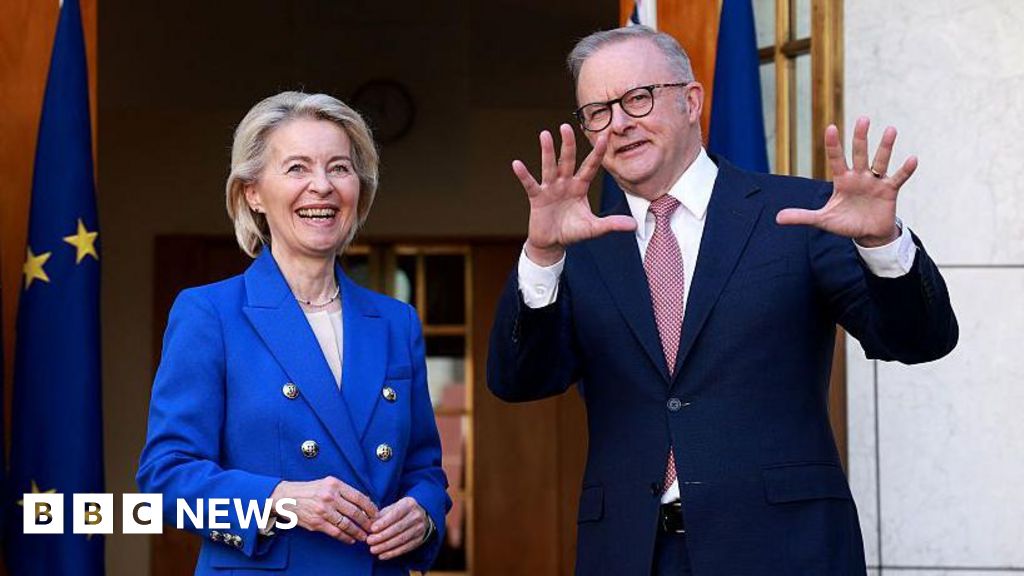
Australia and the EU sign sweeping trade and security deals after years of negotiations.
Source link
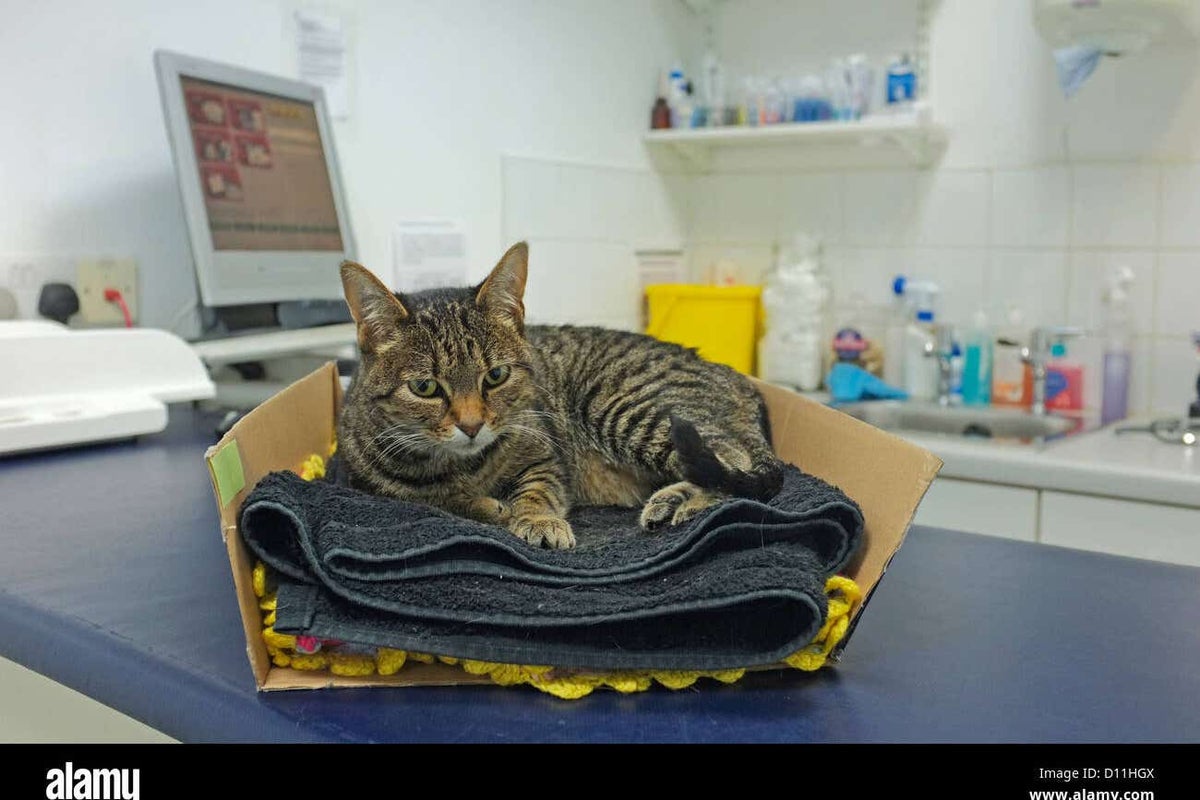
Vets will be legally bound to prescription fee caps and publishing price lists among new measures which will start coming into force later this year, the competition watchdog has announced.
The Competition and Markets Authority (CMA) said its final reforms for the sector will help pet owners better navigate the vet services market.
Other legally binding measures will include a price comparison website and mandatory branding by the large groups to boost competition and drive down prices.
The CMA said pet owners using a vet practice that is part of a larger chain can expect to see changes before Christmas, including standard price lists.
The measures follow the CMA finding that fees have risen at almost twice the rate of inflation, with pet owners not being given enough information about their vet and the prices of treatments.
Martin Coleman, chairman of the independent Inquiry Group, said: “This is the most extensive review of veterinary services in a generation, and today’s reforms will make a real difference to the millions of pet owners who want the best for their pets but struggle to find the practice, treatment and price that meets their needs.
“Too often, people are left in the dark about who owns their practice, treatment options and prices – even when facing bills running into thousands of pounds.
“Our measures mean it will be made clear to pet owners which practices are part of large groups, which are charging higher prices, and for the first time, vet businesses will be held to account by an independent regulator.
“Our changes put pet owners at the centre but also help vets by enhancing trust in the profession and protecting clinical judgment from undue commercial pressure – and that is important to ensure our pets continue to get the best care.”
The CMA said practices must publish a comprehensive price list for standard services, including consultations, common procedures, diagnostics, written prescriptions and cremation options under its new rules.
Prescriptions – for which “many” practices charge £30 or more for each – are to be capped at £21 for the first medicine and £12.50 for any additional medicines.
Practices must also provide a written estimate in advance for any treatment expected to cost £500 or more, including aftercare costs, as well as an itemised bill.
Emergency care will be the only exception for written estimates.
Prices and information about who owns the surgery are to be made available to pet owners through the Royal College of Veterinary Surgeons (RCVS) ‘Find a Vet’ service, which will share the data with third-party comparison sites.
Vet businesses must make it clear whether they are part of a group or an independent business, with details of group ownership to be displayed on signs at the surgery and online.
British Veterinary Association president Rob Williams said: “The majority of the CMA’s measures focus on increasing transparency and information, which will help pet owners make more informed choices and support competition, which is a really positive step.”
He added: “Delivering highly skilled veterinary medicine is costly and whilst we recognise prices have risen sharply in recent years this is due to a number of factors, including the higher costs all businesses are experiencing – and vet practices are not immune.
“Plus, thanks to advances in diagnostics and medical technology over the last 20 years, vets can now do much more to manage disease and injury in animals, whereas in the past the only option available may have been to euthanase.
“Owners today also have a greater expectation of their vet, with many expecting human quality healthcare for their pets and whilst this is possible to deliver, it comes at a cost.”
Business
Gold price prediction today: Pressure on gold prices to continue on March 24, 2026 amid US-Iran war? Check outlook – The Times of India

Gold price prediction today: Gold prices are likely to remain range-bound in the near future, says Praveen Singh, Head Currencies and Commodities, Mirae Asset ShareKhan
Source link


South Korea’s Misto Holdings’ 2025 profit jumps 31.6% on steady growth

Can Modular Phone Accessories Finally Evolve Beyond MagSafe?
Australia and EU agree sweeping trade deal in face of global uncertainty

-

 Entertainment1 week ago
Strategic oil stocks to be released ‘immediately’ in Asia and Oceania: IEA
-

 Sports1 week ago
Transfer rumors, news: Real Madrid open to Camavinga exit, as Premier League clubs circle
-
 Business1 week ago
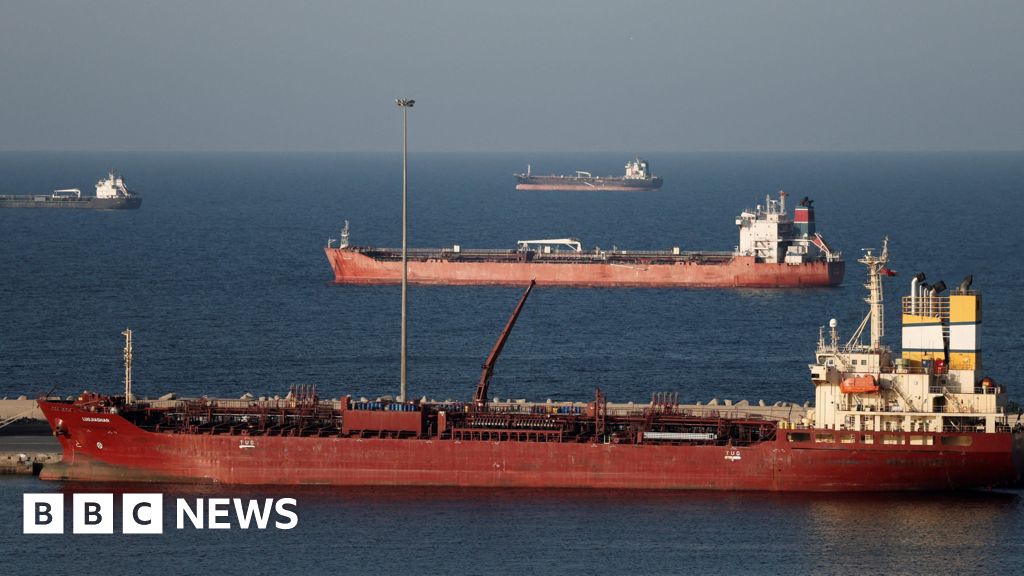
UK looking at all options to secure Strait of Hormuz, says Ed Miliband
-

 Tech1 week ago
Early Deals From the Amazon Spring Sale That Passed Our BS Test
-
 Business1 week ago
New Income Tax Act 2025 To Take Effect From April 1: 10 Key Changes That Will Affect Your Money
-
 Business1 week ago
Stocks To Watch: Tata Motors, IndiGo, Jindal Stainless, GMR Airports, Hindalco, And Others
-

 Tech1 week ago
Our Favorite Red Light Hair Growth Device Is Currently on Sale
-

 Sports1 week ago
PCB files complaint over allowing Bangladesh to take review on penultimate ball – SUCH TV