

Fashion
Matches and Raey acquired by new luxury group Hulcan


Published
December 17, 2025
So now we know what the intriguing holding page was all about for Matches. The defunct online luxury retailer and its Raey own-brand have been acquired by a brand new luxury group.
Two years after it went into administration and was bought by Frasers Group, Joe Wilkinson and Mario Maher have acquired it.
They’re the founders of members-only shopping app Mile (formerly known as Heat), which is backed by LVMH. Matches, along with Mile, will be part of their new luxury group Hulcan.
Matches and Raey will be relaunched in 2026 with “will relaunch in 2026 with a new business model focused on redefining luxury retail through innovation, community and profitability”.
It looks like Raey will be a bigger part of the launch as it’s listed along with Mile and Matches as a separate brand on the Hulcan website.
The company has funding (reportedly $150 million) backed by Frasers Group, Palm Angels founder Francesco Ragazzi, PagsGroup, and Mile investors including Antler, LVMH Luxury Ventures, the Hermès family, Stefano Rosso and Carmen Busquets.
There has been a deluge of speculation about whether Matches would return after the much-loved business was closed by Frasers Group just a few months after it acquired it. And with the consolidation that’s been seen since in the luxury sector there could be a place for the revived business. The new owners certainly have some heavyweight players believing in them but we’ll just have to wait and see.
For now, Joe Wilkinson said: “This is a big moment for us. We’re bringing brands, media, and technology together into one ecosystem built for the future of luxury. We’re not just building places to shop…We want to shape how people discover, experience, and connect with brands. Over the past six years, we’ve built everything from the ground up, proving we can innovate, scale responsibly, and create real value for both brands and customers. With the backing of our investors and partners, we’re stepping into this next chapter with real momentum.”
Mario Maher, the other co-founder, added: “This strategic decision directs our focus on building deeper collaborative ties with our brand partners, while accelerating the growth of Mile and the evolution of Matches into a modern, highly curated omnichannel experience. We are committed to preserving the unique heritage of Matches, while driving its digital transformation and developing the distinctive voice of Raey into the next chapter within our offering. This framework is the foundation for the modern, connected luxury group we are building.”
And what of Frasers? Its CEO Michael Murray said: “At Frasers Group, we’re committed to investing in the future of luxury – a core pillar of our Elevation Strategy. The success of Mile under Joe and Mario’s leadership reflects their nuanced understanding of today’s luxury consumer and Hulcan will build on this momentum, engaging the next generation of digital natives. We’re proud to support their vision, offering strategic guidance and global retail expertise as they relaunch Matches and Raey to unlock its full potential.”
Copyright © 2025 FashionNetwork.com All rights reserved.











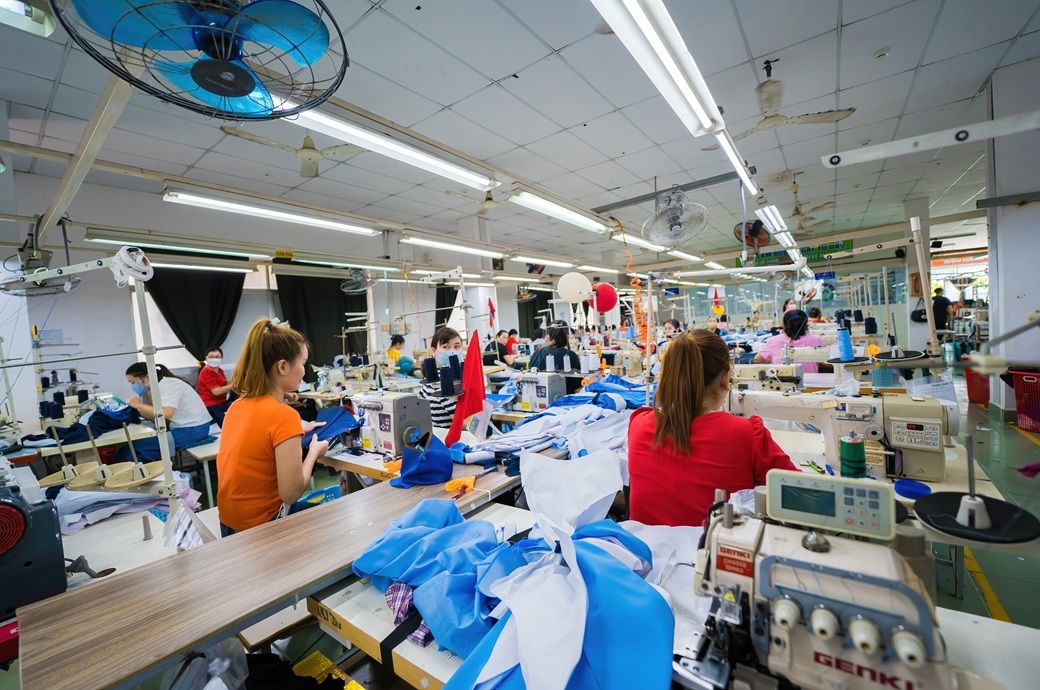
Growth in output and new orders softened, with production nearing stagnation. New orders rose at the slowest pace in eight months, while export orders declined for a second straight month, reflecting a weaker trade environment, S&P Global said in a press release.
ASEAN manufacturing growth slowed in April, with the S&P Global Manufacturing PMI falling to a nine-month low of 50.7.
Output and new orders weakened, export sales declined further, and employment fell for the first time in eight months.
Supply chain pressures and rising operating costs intensified inflation.
Despite weaker momentum, firms remained optimistic.
Supply-side constraints intensified during the month. Delivery times lengthened to a 17-month high as firms increased purchasing activity, putting pressure on supply chains. As a result, inventories of both inputs and finished goods declined, indicating firms relied on existing stocks to meet demand.
Employment conditions also weakened, with staffing levels falling for the first time in eight months, albeit marginally. Meanwhile, backlogs of work continued to rise, suggesting capacity pressures persist.
Inflationary pressures strengthened further. Input costs rose at the fastest pace since March 2022, prompting firms to increase output prices at the sharpest rate in 49 months.
Maryam Baluch of S&P Global Market Intelligence said ASEAN manufacturing remained in expansion territory in April, though growth momentum weakened as output neared stagnation, demand softened, exports fell faster, and employment declined. She noted that price pressures intensified further amid rising operating costs.
“While manufacturing firms in the ASEAN region remain optimistic about continued production growth in the coming year, the overall trajectory will remain dependent on external factors, notably the ongoing conflict in the Middle East, which is also shaping the inflation picture,” added Baluch.
Fibre2Fashion News Desk (SG)
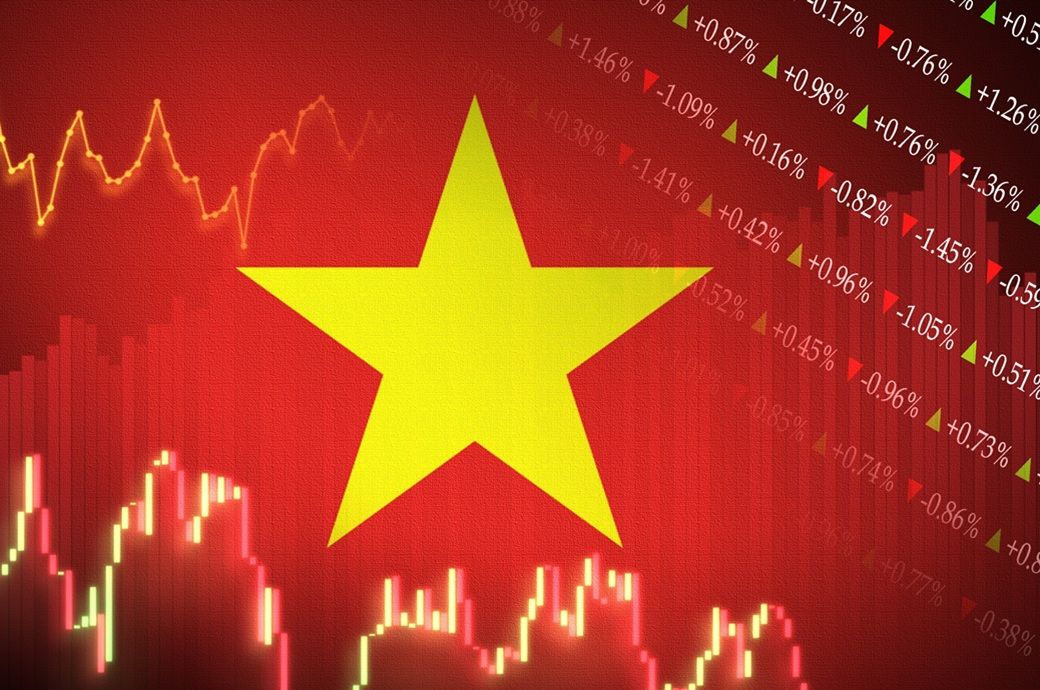
Affirming its ’Ba2’ rating, the agency said Vietnam’s institutional quality and governance were improving due to administrative, legal, and public sector reforms implemented since late-2024, and downside risks from US trade measures had eased compared with what was expected earlier.
Moody’s Ratings recently raised its outlook on Vietnam to ‘positive’ from ‘stable’, citing rising confidence in the country’s ability to strengthen its credit profile over the medium term.
Affirming its ’Ba2′ rating, it said Vietnam’s institutional quality and governance were improving due to reforms implemented since late-2024, and downside risks from US trade measures had relatively eased.
Moody’s emphasised that the country’s growth potential continues to be a primary anchor for its credit profile. This is supported by a diversified export base, recovering domestic demand and robust foreign direct investment (FDI) inflows, all of which provide a solid foundation for macroeconomic stability.
Vietnam has demonstrated a high degree of adaptability to global volatility like fluctuating energy prices, rising shipping costs and inflationary pressures stemming from geopolitical tensions. This resilience is underpinned by a stable economic foundation, a positive external balance and a highly diversified trade structure, it noted.
However, risks within the banking system, vulnerabilities in the real estate market and lingering institutional bottlenecks continue to serve as hurdles for a potential rating upgrade in the future, the rating agency cautioned.
Fibre2Fashion News Desk (DS)

He said the sharp increase in oil and gas prices has fuelled inflationary pressures, weighing on the country’s growth outlook. Despite the downgrade, the government expects economic recovery, projecting growth to rebound to 5 per cent in 2027 and average around 5.5 per cent annually through 2029.
Cambodia has lowered its 2026 growth forecast to 4.2 per cent from 5 per cent due to rising oil and gas prices amid Middle East instability and Thailand border tensions.
Inflationary pressures are weighing on the economy, though growth is expected to recover to 5 per cent in 2027.
Export-driven sectors and tourism remain vulnerable to global volatility.
Cambodia’s economy continues to rely heavily on exports of garments, footwear and travel goods, alongside tourism, agriculture and construction. Authorities cautioned that prolonged global uncertainty could further impact these key sectors and slow overall economic momentum.
Fibre2Fashion News Desk (CG)


I’ve Tried Every Digital Notebook. These Are the Best Ones

ASEAN manufacturing momentum eases in April amid rising cost pressures
Oil prices drop below 100 dollars a barrel on renewed hopes over peace deal

A Brain Implant for Depression Is About to Be Tested in Humans

Pro wrestling star Steph De Lander reveals how colleague’s advice helped lead her to title triumph at ACW

‘I had £20,000 stolen and had to fight a 13-month fraud reporting rule to get it back’

-
 Tech1 week ago
A Brain Implant for Depression Is About to Be Tested in Humans
-
 Sports1 week ago
Pro wrestling star Steph De Lander reveals how colleague’s advice helped lead her to title triumph at ACW
-
Business1 week ago
‘I had £20,000 stolen and had to fight a 13-month fraud reporting rule to get it back’
-

 Entertainment1 week ago
Norway joins Type 26 Frigate Programme to boost NATO naval power
-

 Entertainment1 week ago
Melania Trump says ABC should ‘take a stand’ on late-night host Kimmel
-

 Tech1 week ago
Are tech leaders risking a cyber resourcing crisis? | Computer Weekly
-
 Business6 days ago
PSX plunges over 4,800 points | The Express Tribune
-

 Tech1 week ago
This Ambitious Laptop Doesn’t Leave Much Room for Your Hands