

Fashion
China’s HSG buys controlling stake in Golden Goose

Published
December 19, 2025
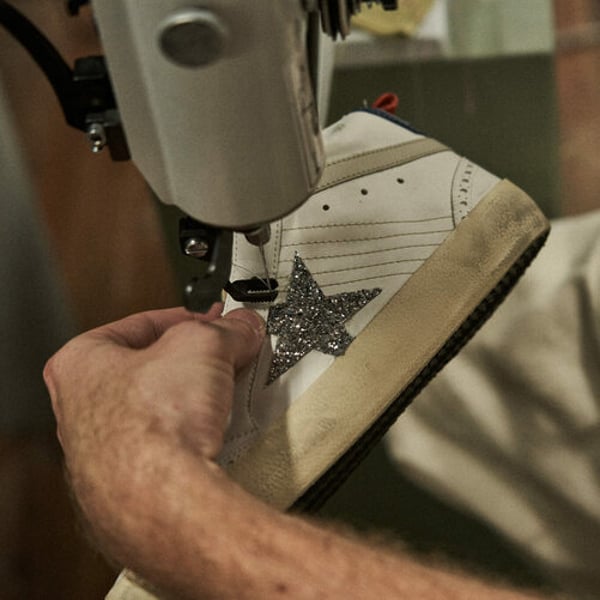
Chinese Global investment firm HSG has acquired a controlling stake in Italian sneaker label Golden Goose, in one of the biggest Chinese investments in a European luxury brand.
Temasek, a global investment company, and a fund managed by its wholly-owned asset manager, True Light Capital, will acquire a minority stake. US investment fund Permira will remain committed as a strategic minority shareholder, continuing its successful partnership with Golden Goose, according to a press release from the Venice-based sneaker brand.
The deal ends months of speculation that Golden Goose was about to be sold to a Chinese investor.
Financial terms of the transaction were not disclosed. The transaction is subject to customary closing conditions and regulatory approvals and is currently expected to close within the summer of 2026. Golden Goose S.p.A. expects its €480.0 million Senior Secured Floating Rate Notes due 2031 to be redeemed in full.
Golden Goose has been the fastest growing Italian fashion label in the past half-decade, stunning observers with its exceptional performance. Since 2020, the group has delivered consistent, strong, and profitable growth, with revenues increasing from €266 million in FY 2020 to €655 million in FY 2024. During this period, the group has accelerated its direct-to-consumer (DTC) channels, launched its Forward Store concept, diversified its product assortment, and invested significantly in ‘Co-Creation’ experiences, deepening connections with its customers worldwide.

This investment comes amid a period of strong financial performance for Golden Goose. In the nine months ending September 2025, the group reported double-digit growth across regions. Revenues rose 13% year-on- year, driven by 21% growth in its DTC channel and an expanded store network, which reached 227 directly operated stores, up from 97 in 2019.
The investment is underpinned by a strong strategic and cultural fit with Golden Goose’s growth ambitions. Drawing on the new investors’ combined experience and track records investing in international luxury and consumer technology brands, such as Moncler and Ermenegildo Zegna group by Temasek, and ByteDance, Pop Mart, RedNote, and Marshall by HSG, they will support Golden Goose’s international ambitions as a leading next-generation luxury brand, while preserving and continuing to invest in Golden Goose’s Made in Italy roots.
Silvio Campara, Golden Goose’s hard charging CEO, will continue to lead the group as chief executive officer, alongside the existing leadership team. Marco Bizzarri, currently a non- executive director on the Golden Goose board, will become non-executive chairman. He brings significant industry expertise, shaped by his leadership of globally renowned luxury brands including Gucci, Bottega Veneta, and Kering, and will play an important role in accelerating Golden Goose’s next phase of global expansion.

“We are delighted to welcome HSG and Temasek as strategic partners to Golden Goose as we step up our global ambitions as a leading international luxury brand. Their investment is yet another vote of confidence in the success of our model at the intersection of luxury, lifestyle, and sportswear, beloved by a growing, global community of dreamers. With their experience of scaling international leaders across luxury and the broader business spectrum, HSG and Temasek will help us unlock the vast opportunity ahead for Golden Goose. We are grateful to Permira for being integral partners to our successful journey so far and are delighted they will remain valued partners alongside HSG and Temasek,” said Campara.
“Golden Goose stands for love, empathy, authenticity and a powerful sense of community in today’s luxury landscape,” added Jiajia Zou, Partner at HSG. “We feel deeply privileged to partner with Temasek and Permira, together with Silvio and his talented team to support the brand as it enters its next exciting chapter of growth- especially internationally- while preserving and celebrating what makes Golden Goose so uniquely Italian. We look forward to contributing our global experience, resources, and deep respect for the brand’s heritage, with the shared ambition of bringing the unique joy and spirit of Golden Goose to consumers around the world, for generations to come.”
In addition, Francesco Pascalizi and Tara Alhadeff, partners at Permira, commented: “Golden Goose has led the way in defining what it is to be a next-gen luxury brand for two decades now. They have built a unique community of GG-lovers around the world whilst also building a robust and high performing business. Against a challenging backdrop for the luxury industry in 2024 and 2025, Silvio and his talented team have continued to deliver strong performance and healthy growth, proving that Golden Goose is a brand that can stand the test of time.”
Copyright © 2025 FashionNetwork.com All rights reserved.







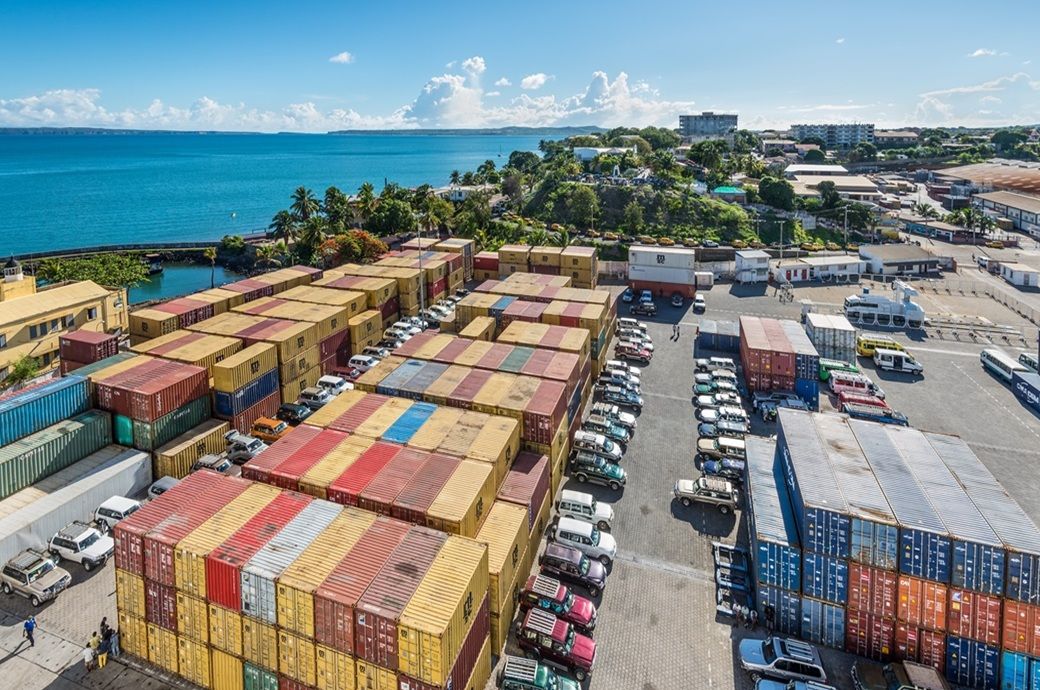
The programme is jointly implemented by UN Trade and Development (UNCTAD), the World Customs Organization and UK Customs.
The UK has committed around $1.25 million in funding for the ‘Accelerate Trade Facilitation’ programme for the 2026-2029 period.
The programme is jointly implemented by UNCTAD, the World Customs Organization and UK Customs.
The latest phase will expand the programme’s capacity-building activities and introduce the Reform Tracker tool to up to three additional countries.
For more than a decade, the programme has supported over 30 economies to speed up the movement of goods and strengthen cooperation between the public and private sectors.
“We will build on the strong and sustained impact achieved by partner countries over the last 11 years of the programme, strengthening national trade facilitation committees and driving practical, lasting reforms that make trade simpler, faster and more inclusive while supporting economic growth,” said Megan Shaw, deputy director of international customs and border engagement at UK Customs in an UNCTAD release.
The programme will continue to place national trade facilitation committees (NTFCs) at the core of its work. NTFCs serve as coordination platforms where government agencies and businesses identify bottlenecks, agree on priorities and advance trade facilitation reforms.
UNCTAD has supported them through specialised training, including via its trade facilitation e-learning platform, and practical tools such as the Reform Tracker. The tool helps countries monitor progress on trade facilitation reforms and keep society-wide collaborators aligned.
“These reforms contribute to a trading environment that is faster, cheaper, more transparent and more predictable—conditions that help businesses compete and grow,” said Angel Gonzalez Sanz, officer-in-charge of UNCTAD’s division on technology and logistics.
The 2026-2029 phase will expand the programme’s capacity-building activities and introduce the Reform Tracker to up to three additional countries.
These efforts will help deepen digitalisation and improve coordination between border agencies—measures crucial to reducing costs and processing times for traders.
Fibre2Fashion News Desk (DS)
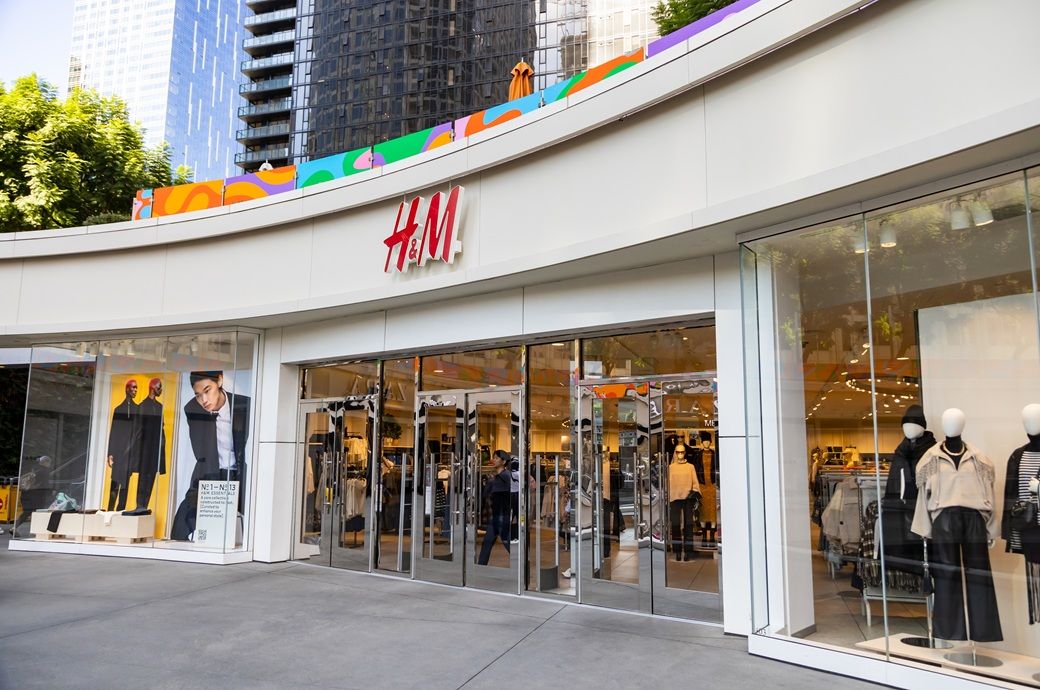
The gross profit reached SEK 25,138 million (~$2.39 billion), with the gross margin improving to 50.7 per cent from 49.1 per cent a year earlier, supported by lower markdown costs and more efficient sourcing.
H&M has reported net sales of SEK 49,607 million (~$4.72 billion) in Q1 FY26, with sales down 1 per cent in local currencies.
Improved cost control lifted gross margin to 50.7 per cent and operating profit rose 26 per cent.
The net profit increased to SEK 704 million (~$75.05 million), while inventory fell 16 per cent.
Currency effects weighed on revenue despite stronger margins and improving sales.
The operating profit rose by 26 per cent to SEK 1,512 million, lifting the operating margin to 3 per cent from 2.2 per cent. Selling and administrative expenses declined by 1 per cent in local currencies and by 9 per cent in SEK terms, reflecting continued cost discipline, H&M said in a press release.
The net profit after tax (PAT) increased to SEK 704 million (~$75.05 million), with earnings per share (EPS) improving to SEK 0.45 from SEK 0.37. Inventory management also showed progress, with stock-in-trade falling 16 per cent to SEK 34,608 million, indicating improved inventory productivity.
However, sales in SEK terms were impacted by a currency translation effect of just over 9 percentage points due to the strengthened Swedish krona. The quarter began with weaker demand following strong Black Friday trading, though sales trends improved towards the end, supported by spring collections.
“Good cost control and improved gross margin contributed to strengthened profitability in a quarter marked by cautious consumption and large currency translation effects,” said Daniel Erver, CEO at H&M.
Looking ahead, H&M expects March 2026 sales to rise by 1 per cent in local currencies. The company also highlighted its sustainability progress, noting that 32 per cent of materials used in 2025 were recycled, while 91 per cent were either recycled or sustainably sourced.
Fibre2Fashion News Desk (SG)
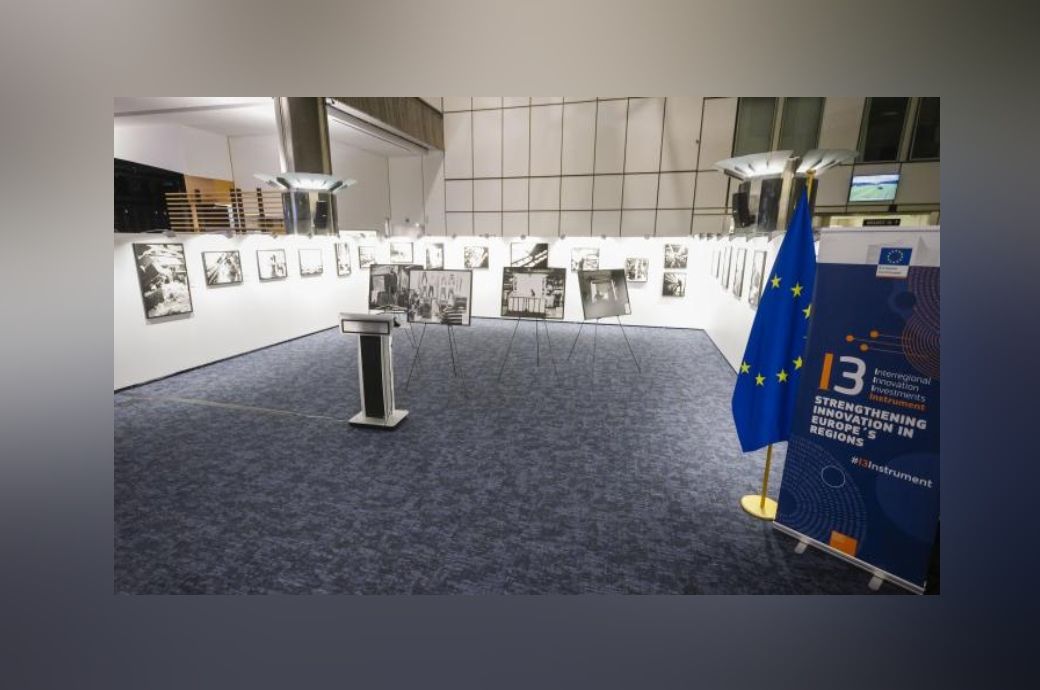
RegioGreenTex was one of the first projects funded under the Interregional Innovation Investments (I3) Instrument programme that focused on process, service and business model innovation, developing advanced textile recycling technologies, regional recycling hubs, and a digital ecosystem for matchmaking and capacity building.
Five regional hubs mapped SME needs and developed services and value chains as well as tools that keep helping SMEs, an official release said.
The RegioGreenTex Digital Tool keeps matchmaking, sharing trainings and hosting the participants’ knowledge base.
The Waste Wizard shows how artificial intelligence-enhanced matchmaking can link leftover textiles with the right reuse or recycling routes.
From recycled-content yarn processes (Tintex) to Recycrom low-impact dyeing (Officina39), ultrasonic quilting for full recyclability (Rovitex) and hybrid recycled-fibre yarns (Hilaturas Mar), the pilots showed concrete, repeatable ways to cut impact without losing performance.
The hubs are now open for collaboration, the digital tools are live and the pilot portfolio is primed for investors and adopters.
Fibre2Fashion News Desk (DS)


UK commits $1.25 mn to trade facilitation programme for 2026–29

Sweden’s H&M’s Q1 FY26 sales dip but margins improve on cost control

Italy again miss out on Fifa World Cup as Bosnia, Turkiye, Czechs, Sweden qualify

-

 Politics1 week ago
Afghanistan announces release of detained US citizen
-

 Sports1 week ago
Broadcast industry CEO says consolidation is ‘essential’ to compete for NFL soaring media rights prices
-
 Business1 week ago
Property Play: Home flippers see smallest profits since the Great Recession, real estate data firm says
-

 Entertainment1 week ago
UN warns migratory freshwater fish numbers are spiralling
-

 Tech1 week ago
Can a Home Appliance Fix the Problem of Soft-Plastic Waste?
-
 Business1 week ago
Gold prices soar in Pakistan – SUCH TV
-

 Fashion1 week ago
ICE cotton slips on weaker crude, profit booking
-
 Business1 week ago
More women are entering wealth management, but few are in advisory roles, study finds