

Fashion
S/S 2027 trends emerge as Intertextile Apparel unveils Paradox

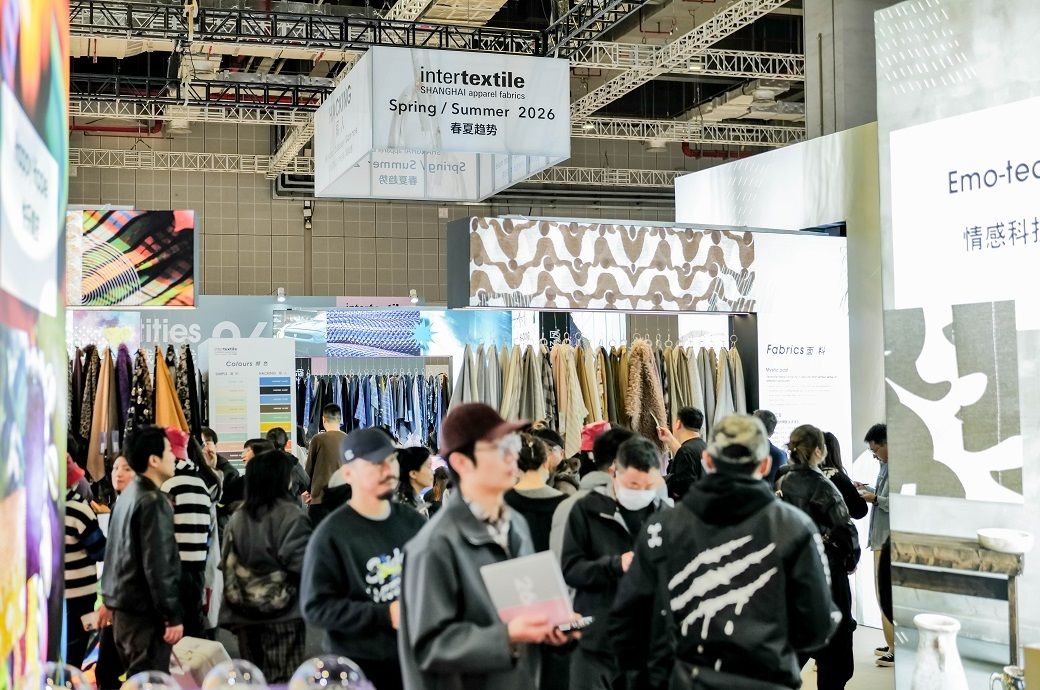
In today’s context, a paradox is about casting an optimistic gaze upon the world, rekindling the consumer’s desire, and nurturing a sense of well-being – where daring to step into the light is the theme of the season, set to generate a fresh new dynamic. PARADOX is the thread connecting the S/S 2027 fashion trends – AFFECTION, BREATHE, BEWITCHING, and HONOURATION – conceived by four leading forecasters from the world’s fashion capitals. From 11 – 13 March 2026 at Intertextile Shanghai Apparel Fabrics – Spring Edition, visitors will be able to explore these trends in depth at the Trend Forum in Hall 5.1 of the National Exhibition and Convention Center (Shanghai).
Intertextile Shanghai Apparel Fabrics – Spring Edition (March 11–13, 2026) will spotlight S/S 2027 trends under the theme Paradox at the Trend Forum in Hall 5.1.
Conceived by global forecasters, four themes—Affection, Breathe, Bewitching and Honouration—explore optimism, authenticity, craftsmanship and well-being through over 700 fabric and accessory samples.
At the upcoming Spring Edition, Sachiko Inoue (Tokyo) is tasked with bringing the concept to life at the Intertextile Directions Trend Forum, after conceiving the trends together with Directions Trend Committee members NellyRodi Agency (Paris), DONEGER | TOBE (New York), and Elementi Moda (Milan). The Trend Forum will showcase over 700 fabrics and accessories samples, with the Trend Guide serving as a handbook for buyers to source on-trend fabrics, patterns, prints, and colours.
Accept imperfection: fostering self-confidence through authenticity and simplicity
Less about status and more about contemplation, fashion fosters self-confidence through authenticity, simplicity, and even embracing imperfections. Across four central themes, the PARADOX movement champions individuality over spectacle, valuing durability and a serene, discreet elegance.
AFFECTION
Citywear transforms into easywear, designed for comfort and to encourage stepping outside. The theme blends masculine and feminine elements while mixing traditional craftsmanship with sporty codes: hybrid garments bring functionality, elegance, and effortless style.
Colours include a palette of subtle neutrals, centred on whites and off-whites, painted with soft greys, and tinted with greenery and new-dawn yellow. Including prints and patterns alluding to everyday poetry, fabrics combine tech and precious wool with delicate checks and subtle stripes.
BREATHE
Nautical codes combine urban elegance with smart functionality, adapted to shifting weather conditions. The iconic stripes of the beaches’ buoys and deckchairs infuse a reassuring, joyful, and sunlit dimension into a casual wardrobe, while aquatic inspiration appears in soft, refined layering.
A refreshing colour range is enriched with invigorating aqua and oxygenated blues; fabrics utilise innovative tech with a soft touch; while prints and patterns include elements like subtle burnout jacquard, satin finishes, and wave-like dévoré denim, all combining to reflect a casual, audacious and elegant style.
BEWITCHING
Whether altruistic or enchanting, with this theme women exude everyday sensuality, effortless sophistication, and a celebration of ancestral craftsmanship. Fluid drapes and organic prints draw inspiration from nocturnal forests and dark rituals, while a tarot and lucky charm spirit shapes the radiance of an urban adventurer brimming with emotion.
Vivid, unusual colours burst against dark, mysterious backgrounds, representing a palette of symbolic darks and bright hues. Patterns are inspired by artisanal heritage and natural elements, ranging from elegant to sensual and daring. Fabrics, meanwhile, evoke nature’s nocturnal mystery through abstract chiffons, organza and silks; tone-on-tone washed texture tie-dye; and striped monochrome and shiny satin.
HONOURATION
Demonstrating the ancestral know-how and excellence of craftsmanship, this theme reflects artisanal traditions from around the world, where modest natural materials are elevated to reveal simple refinement, discreet value, and elegant pieces without ostentation.
The colour palette plays on the contrasts between warm neutral tones inspired by raw, refined or precious materials, combined with intense, highly pigmented brights. Fabrics and patterns include innovative ikats, geometric abstract, basketweaves, blurred stripes, and discreet neoclassical flora.
The fair is co-organised by Messe Frankfurt (HK) Ltd; the Sub-Council of Textile Industry, CCPIT; and the China Textile Information Centre. It will take place alongside Yarn Expo Spring, Intertextile Shanghai Home Textiles – Spring Edition, CHIC and PH Value at the National Exhibition and Convention Center (Shanghai).
Intertextile Shanghai Apparel Fabrics – Spring Edition will be held from 11 – 13 March 2026.
Other upcoming shows:
Vietnam International Trade Fair for Apparel, Textiles and Textile Technologies
26 – 28 February 2026, Ho Chi Minh City
Intertextile Shenzhen Apparel Fabrics / Yarn Expo Shenzhen
9 – 11 June 2026, Shenzhen (Futian)
Intertextile Shanghai Apparel Fabrics – Autumn Edition / Yarn Expo Autumn
25 – 27 August 2026, Shanghai
Note: The headline, insights, and image of this press release may have been refined by the Fibre2Fashion staff; the rest of the content remains unchanged.
Fibre2Fashion News Desk (HU)








The company’s adjusted EBITDA, excluding Employee Stock Option Plan (ESOP) expenses, rose around 14 per cent YoY to ₹468 crore, while EBITDA margin improved by 20 basis points to around 9.3 per cent. Excluding the reciprocal tariff impact of around ₹36 crore and incremental losses of around ₹13 crore in Bihar and Guatemala, adjusted EBITDA margin stood at around 10.3 per cent.
Pallab Banerjee, managing director, Pearl Global Industries, said: “FY26 marked the company’s second consecutive year of double-digit growth and improved profitability. This performance further solidifies the position of Pearl Global’s diversified operating model and disciplined execution across geographies.”
Pearl Global Industries has reported its highest-ever FY26 revenue of ₹5,025 crore (~$523.93 million), up 11.5 per cent YoY, driven by volume growth and value-added products.
PAT rose 17 per cent to ₹270 crore (~$28.15 million), while Q4 revenue hit ₹1,314 crore (~$137 million).
The company shipped 78.1 million pieces.
Its net worth stands at ₹1,438 crore (~$149.93 million).
He said that geopolitical shifts and Gulf conflicts could lead to energy cost escalation, affecting raw material and logistics costs. However, the company remains prepared to manage these headwinds, supported by its diversified manufacturing base, strong order book, and broad market presence.
The profit after tax (PAT) increased 17 per cent YoY to ₹270 crore (~$28.15 million), the company said in a press release.
On a standalone basis, FY26 revenue stood at ₹1,081 crore, while adjusted EBITDA was ₹67 crore, with EBITDA margin improving by 60 basis points to 6.2 per cent, mainly due to cost restructuring. Standalone PAT rose to ₹69 crore from ₹55 crore in the previous year.
The company’s net worth stood at ₹1,438 crore (~$149.93 million) as of March 31, 2026, compared with ₹1,146 crore a year earlier.
“In FY26, Group delivered another year of resilient performance against a complex geopolitical backdrop. Group achieved, among others, two major milestones this year: revenue crossed INR 5,000 crore mark and installed capacity surpassed 100 million pieces per annum,” said Pulkit Seth, vice-chairman and non-executive director, PGIL.
Seth added that the global apparel industry faced tariff-related disruptions during FY26, with the company’s India operations impacted by tariffs and penal duties imposed by the US. However, he added that Pearl Global leveraged its diversified, multi-country manufacturing presence to mitigate these challenges and deliver double-digit growth.
For the fourth quarter (Q4) of FY26, PGIL posted its highest-ever quarterly revenue of ₹1,314 crore (~$137 million), up 6.9 per cent YoY. Adjusted EBITDA rose 13.7 per cent to ₹135 crore, with margin at 10.3 per cent, the highest EBITDA margin recorded by the company in any quarter. PAT for the quarter stood at ₹81 crore, up 24.6 per cent YoY, PGIL said in a press release.
Standalone revenue during the quarter stood at ₹304 crore, adjusted EBITDA at ₹24 crore, and PAT at ₹14 crore.
PGIL shipped its highest-ever volumes in Q4 FY26 and FY26, at 22 million pieces and 78.1 million pieces respectively. Its annual installed capacity crossed 100 million pieces, reaching around 101 million pieces.
The ongoing capex in Bangladesh is expected to be completed by the first half of FY27 and will add around 6-7 million pieces of capacity during the year.
Fibre2Fashion News Desk (SG)
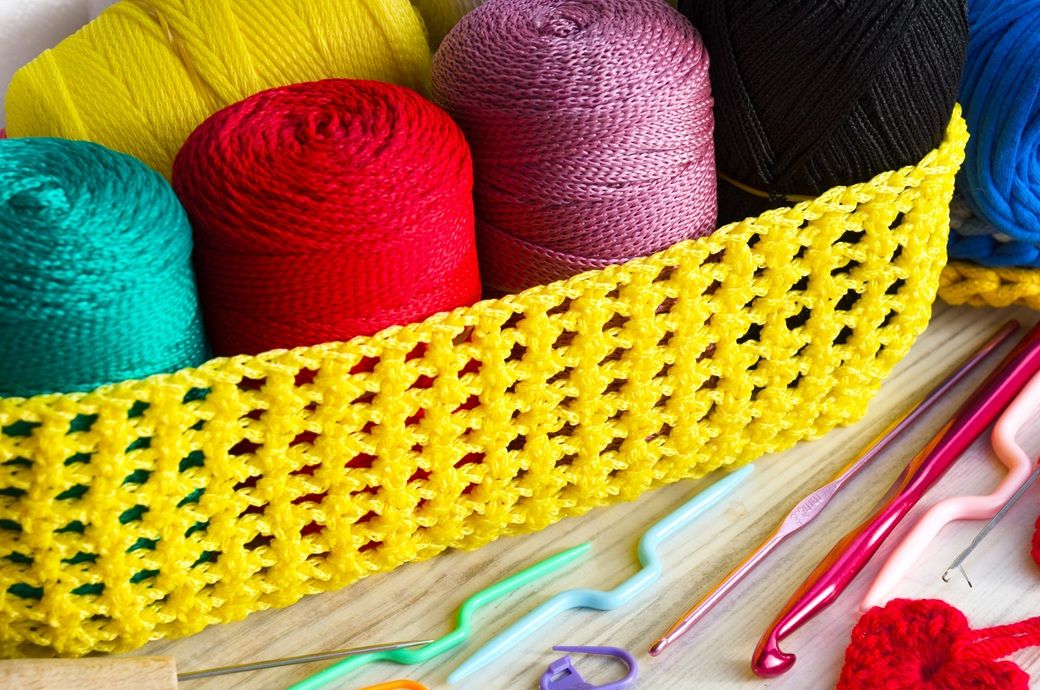
PTA prices recorded notable declines across key Asian benchmarks, tracking crude oil weakness rooted in evolving geopolitical signals. The correction was broad-based, spanning China, Southeast Asia, and South Korea, while India**;s CIF price held steady reflecting the lag in import contract structures and limited spot availability in the domestic market on the day.
The *** per cent Polyester Yarn market witnessed a slightly negative trend during the assessed period, with mild price corrections observed across both yarn grades in the Asia Free on Board (FOB) China market. Prices for **s (*** per cent polyester yarn) declined from around $*.***/kg to nearly $*.***/kg, registering a decrease of approximately *.** per cent.
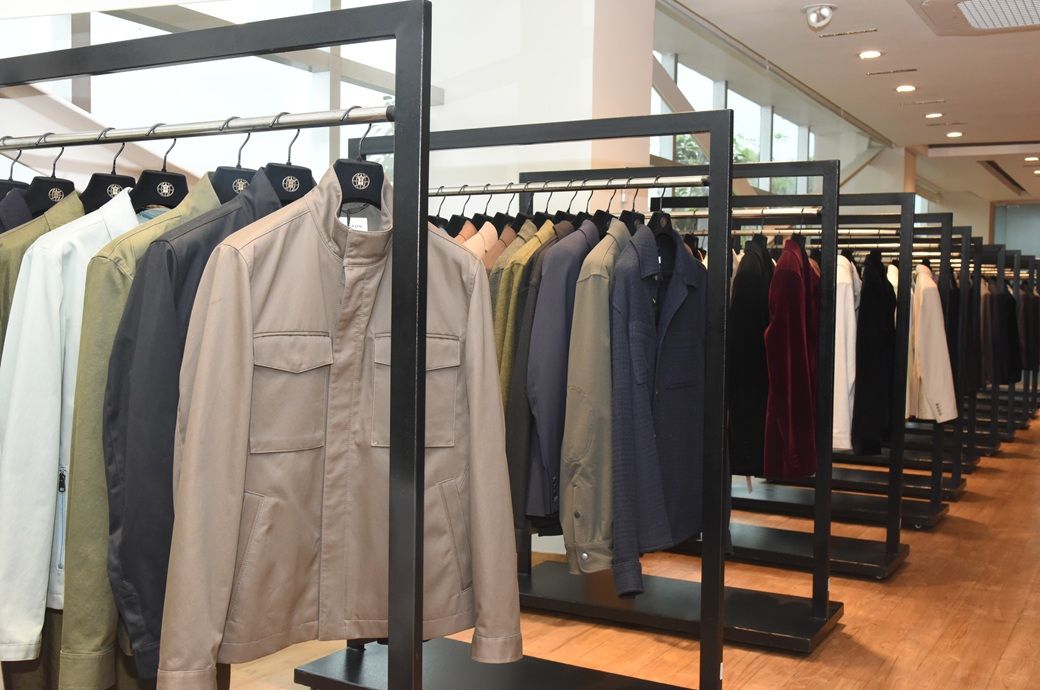
The pivot is urgent because the old model is under pressure. April **** looked strong: Ready-Made Garment (RMG) exports rose **.** per cent year on year to $*.** billion. But the ten-month picture is weaker. From July-April FY****–**, apparel exports stood at $**.** billion, down *.** per cent. Knitwear fell *.** per cent to $**.** billion; woven fell *.** per cent to $**.** billion. The rebound is real, but so is the drag underneath.
AWARE is the sharpest EU-facing signal: blockchain-backed product data for Digital Product Passport (DPP) readiness. Open Supply Hub adds the factory-identity layer, pushing production information into an open platform. GIZ brings the longer reform spine, from May **** to February ****, covering energy efficiency, circularity, chemical management, renewable-energy skills and textile-waste transparency.


US weighs drone threat from Cuba: report

India’s Pearl Global’s FY26 revenue crosses $521 mn milestone

AI could make humans less intelligent, warns Royal Observatory

-

 Entertainment5 days ago
Conan O’Brien hat tricks as Oscar host
-

 Tech1 week ago
Could Contact-Tracing Apps Help With the Hantavirus? Not Really
-

 Tech1 week ago
I Tried the Best Captioning Smart Glasses, and Only One Leads the Pack
-
 Fashion5 days ago
Italy’s Zegna Group’s Q1 growth boosted by strong organic performance
-

 Sports1 week ago
Bobby Cox, legendary Atlanta Braves manager who led 1995 World Series champions, dead at 84
-

 Entertainment1 week ago
Martin Short: Facing tragedy with joy
-

 Entertainment1 week ago
Tom Brady gets back at Kevin Hart during Netflix roast
-

 Entertainment1 week ago
Martha Stewart: How to make an omelet