

Fashion
Boucheron inks strategic JV with Al Tayer Group in the UAE

Published
December 22, 2025
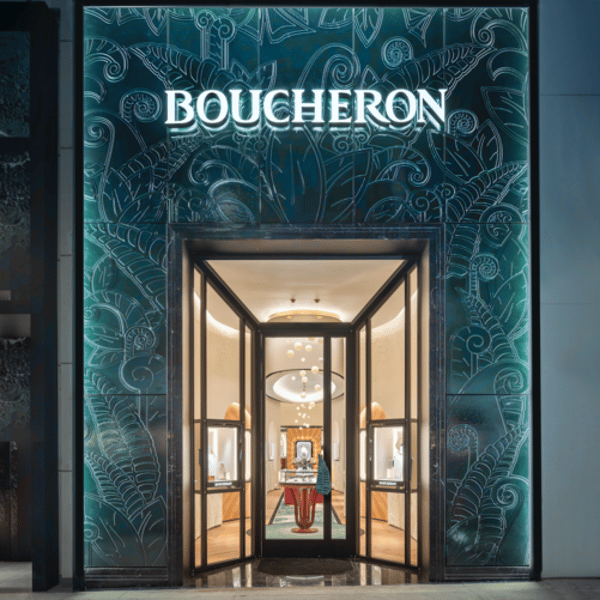
Boucheron has inked a strategic joint venture with the Al Tayer Group in the United Arab Emirates, granting the local group control of its operations in the Gulf State.
The deal, which is effective this December, marks an important step in Boucheron’s regional development and celebrates the Maison’s 20th anniversary in the UAE.
“The United Arab Emirates holds a special place in Boucheron’s heart. For 20 years, we have had the privilege of serving clients whose discernment and passion for High Jewelry inspire us every day. This joint venture with Al Tayer Group- a partner whose expertise and vision we deeply respect- marks a strategic turning point. Together, we will strengthen our relationship with our clients, enhance the Boucheron experience, and write a new chapter of shared success,” said Boucheron CEO Hélène Poulit-Duquesne.
Long before Boucheron opened its first boutique in the region, discerning Emirati clients were already making the journey to the brand’s historic flagship at 26 Place Vendôme in Paris. Subsequently, Boucheron opened its first boutique at Mall of the Emirates in Dubai in 2005, before expanding its footprint with boutiques at Galleria Mall in Abu Dhabi in 2013 and The Dubai Mall in 2017. There are currently over 90 Boucheron boutiques worldwide. Since 2000, the brand belongs to the global luxury group Kering.
“For decades, Al Tayer Group has championed the growth of exceptional luxury houses and Boucheron stands among the most storied and innovative of them. This partnership represents far more than a business venture, it is a meeting of shared values, a commitment to excellence, and a vision for elevating the luxury landscape in our region. As we embark on this new chapter together, we look forward to deepening Boucheron’s presence in the UAE, delivering an experience worthy of our clients’ expectations, and shaping the future of luxury retail through innovation, trust, and enduring partnership,” said Khalid Al Tayer, Al Tayer Insignia’s managing director Ounass’ CEO.
Privately-held Al Tayer is a diversified company with interests in automobile sales and service, luxury and lifestyle retail, perfumes and cosmetics distribution, engineering, and real estate. It operates over 200 stores throughout the Gulf and represents many major league European luxury labels- Bulgari, Saint Laurent, Prada, and Zegna. It has been the partner of Giorgio Armani in the region for over two decades and operates 22 of the late designer’s stores.
The joint statement underlined that the partnership would continue to share Boucheron’s universe of creativity, craftsmanship, and innovation with an enriched product assortment, including Fine Jewelry and High Jewelry creations. The deal also reflects Boucheron’s confidence in the Middle Eastern market.
Boucheron was founded in 1858 by Frédéric Boucheron and has been built up by four generations of his direct descendants. A visionary designer and the first jeweller among his great contemporaries to open a boutique on Place Vendôme, Boucheron created a maison that still epitomises the finest in jewellery, high jewellery, and watchmaking to this day.
Copyright © 2025 FashionNetwork.com All rights reserved.








The operating profit increased by 15 per cent to RMB 19.09 billion (~$2.77 billion), while operating margin improved to 23.8 per cent, reflecting strong operational efficiency. Profit attributable to shareholders rose 13.9 per cent to RMB 13.59 billion, excluding one-off gains related to the Amer Sports listing.
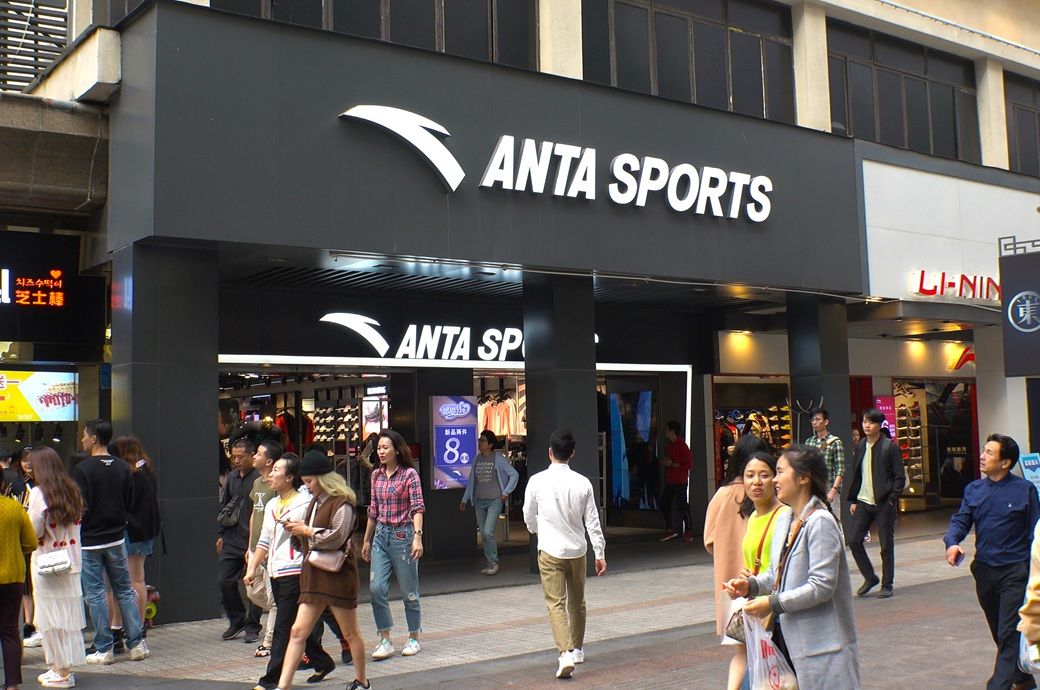
Anta Sports has reported revenue of RMB 80.22 billion (~$11.62 billion) in 2025, up 13.3 per cent, strengthening its China market leadership with a 21.8 per cent share.
Operating profit rose 15 per cent, supported by margin improvement and strong growth across brands, especially Fila and Descente.
Solid cash flow, rising R&D investment, and ESG progress further reinforced its global top three position.
The company further expanded its domestic dominance, achieving an estimated market share of around 21.8 per cent, according to industry data. The company’s core ANTA brand generated revenue of RMB 34.75 billion, up 3.7 per cent, with operating profit reaching RMB 7.21 billion, maintaining steady growth, Anta Sports said in a press release.
Fila continued to outperform within the premium sports fashion segment, with revenue increasing 6.9 per cent to RMB 28.47 billion and operating profit rising 10.1 per cent to RMB 7.42 billion. Meanwhile, other brands delivered standout growth, with revenue surging 59.2 per cent to RMB 17 billion and operating profit climbing 55.3 per cent to RMB 4.74 billion. Notably, Descente’s retail sales surpassed RMB 10 billion for the first time.
The group’s financial position remained strong, with free cash flow of RMB 16.11 billion and a net cash position of approximately RMB 31.72 billion at year-end, underscoring its balance sheet strength and liquidity.
Anta also continued to invest in long-term capabilities. Research and development spending rose to RMB 2.2 billion, supported by the rollout of its AI365 strategy aimed at integrating artificial intelligence across the value chain. The company expanded its workforce to over 69,100 employees and supported nearly 300,000 direct and indirect jobs.
On the sustainability front, Anta achieved inclusion in the Hang Seng ESG 50 Index and improved its MSCI ESG rating to ‘AA’. Its total charitable contributions exceeded RMB 800 million in 2025, taking cumulative donations beyond RMB 3.5 billion.
The company’s strong financial and operational performance highlights its ability to scale profitably while investing in innovation, sustainability and brand equity, further consolidating its leadership in China’s highly competitive sportswear market.
Ding Shizhong, executive director and board chairman of Anta Sports, said, “In 2025, amid a complex and rapidly changing environment, we once again delivered resilient growth by staying true to our single focus, multi-brand, globalization strategy. Each of our brands delivered differentiated, high-quality growth. Growth is the best corporate culture, but it is not about simple expansion of scale.”
Fibre2Fashion News Desk (SG)
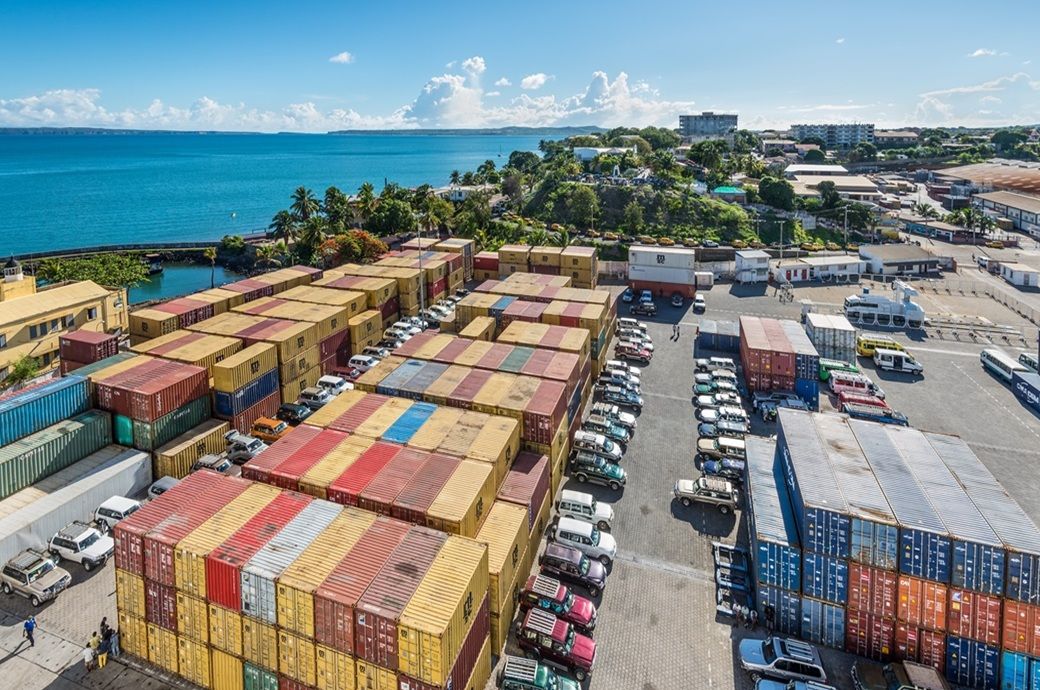
The programme is jointly implemented by UN Trade and Development (UNCTAD), the World Customs Organization and UK Customs.
The UK has committed around $1.25 million in funding for the ‘Accelerate Trade Facilitation’ programme for the 2026-2029 period.
The programme is jointly implemented by UNCTAD, the World Customs Organization and UK Customs.
The latest phase will expand the programme’s capacity-building activities and introduce the Reform Tracker tool to up to three additional countries.
For more than a decade, the programme has supported over 30 economies to speed up the movement of goods and strengthen cooperation between the public and private sectors.
“We will build on the strong and sustained impact achieved by partner countries over the last 11 years of the programme, strengthening national trade facilitation committees and driving practical, lasting reforms that make trade simpler, faster and more inclusive while supporting economic growth,” said Megan Shaw, deputy director of international customs and border engagement at UK Customs in an UNCTAD release.
The programme will continue to place national trade facilitation committees (NTFCs) at the core of its work. NTFCs serve as coordination platforms where government agencies and businesses identify bottlenecks, agree on priorities and advance trade facilitation reforms.
UNCTAD has supported them through specialised training, including via its trade facilitation e-learning platform, and practical tools such as the Reform Tracker. The tool helps countries monitor progress on trade facilitation reforms and keep society-wide collaborators aligned.
“These reforms contribute to a trading environment that is faster, cheaper, more transparent and more predictable—conditions that help businesses compete and grow,” said Angel Gonzalez Sanz, officer-in-charge of UNCTAD’s division on technology and logistics.
The 2026-2029 phase will expand the programme’s capacity-building activities and introduce the Reform Tracker to up to three additional countries.
These efforts will help deepen digitalisation and improve coordination between border agencies—measures crucial to reducing costs and processing times for traders.
Fibre2Fashion News Desk (DS)
The gross profit reached SEK 25,138 million (~$2.39 billion), with the gross margin improving to 50.7 per cent from 49.1 per cent a year earlier, supported by lower markdown costs and more efficient sourcing.
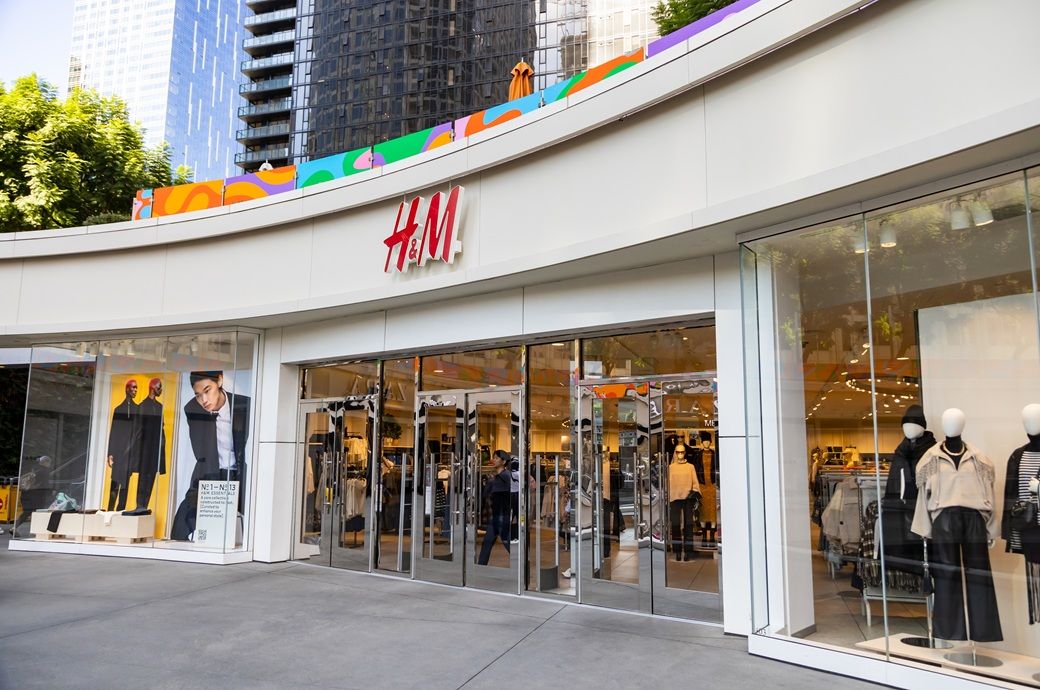
H&M has reported net sales of SEK 49,607 million (~$4.72 billion) in Q1 FY26, with sales down 1 per cent in local currencies.
Improved cost control lifted gross margin to 50.7 per cent and operating profit rose 26 per cent.
The net profit increased to SEK 704 million (~$75.05 million), while inventory fell 16 per cent.
Currency effects weighed on revenue despite stronger margins and improving sales.
The operating profit rose by 26 per cent to SEK 1,512 million, lifting the operating margin to 3 per cent from 2.2 per cent. Selling and administrative expenses declined by 1 per cent in local currencies and by 9 per cent in SEK terms, reflecting continued cost discipline, H&M said in a press release.
The net profit after tax (PAT) increased to SEK 704 million (~$75.05 million), with earnings per share (EPS) improving to SEK 0.45 from SEK 0.37. Inventory management also showed progress, with stock-in-trade falling 16 per cent to SEK 34,608 million, indicating improved inventory productivity.
However, sales in SEK terms were impacted by a currency translation effect of just over 9 percentage points due to the strengthened Swedish krona. The quarter began with weaker demand following strong Black Friday trading, though sales trends improved towards the end, supported by spring collections.
“Good cost control and improved gross margin contributed to strengthened profitability in a quarter marked by cautious consumption and large currency translation effects,” said Daniel Erver, CEO at H&M.
Looking ahead, H&M expects March 2026 sales to rise by 1 per cent in local currencies. The company also highlighted its sustainability progress, noting that 32 per cent of materials used in 2025 were recycled, while 91 per cent were either recycled or sustainably sourced.
Fibre2Fashion News Desk (SG)


China’s Anta Sports posts record $11.62 bn revenue in 2025

GST collections rise 8.2% in March 2026 to hit Rs 1.78 lakh crore – The Times of India

Tehran residents on edge after month of war

Afghanistan announces release of detained US citizen

Property Play: Home flippers see smallest profits since the Great Recession, real estate data firm says

Broadcast industry CEO says consolidation is ‘essential’ to compete for NFL soaring media rights prices

-
 Politics1 week ago
Afghanistan announces release of detained US citizen
-

 Entertainment1 week ago
UN warns migratory freshwater fish numbers are spiralling
-
Business1 week ago
Property Play: Home flippers see smallest profits since the Great Recession, real estate data firm says
-
 Sports1 week ago
Broadcast industry CEO says consolidation is ‘essential’ to compete for NFL soaring media rights prices
-

 Tech1 week ago
Can a Home Appliance Fix the Problem of Soft-Plastic Waste?
-
 Business1 week ago
Gold prices soar in Pakistan – SUCH TV
-

 Fashion1 week ago
ICE cotton slips on weaker crude, profit booking
-
 Business1 week ago
More women are entering wealth management, but few are in advisory roles, study finds