

Business
The high street brands that closed stores in 2025

Britain’s high streets have endured a difficult year, as numerous major retail and hospitality brands closed stores, with some long-standing mainstays shutting down permanently.
This trend emerged against a backdrop of strained consumer finances, persistent inflation throughout much of the year, and escalating operational costs for businesses.
Consequently, many firms initiated restructuring efforts or entered administration.
Here are some of the major brands with closed sites across this year:
– Poundland
Poundland is among chains to have suffered over the year from pressure on shoppers despite its value proposition.
The group was sold for £1 as a result and launched a major restructuring plan.
This involved the initial closure of 57 stores in a move which put more than 1,000 jobs at risk.
The company, which was bought by investment firm Gordon Brothers, has since announced further tranches of closures and is set to have shut more than 100 sites by the start of 2026, as part of efforts to trim its estate from around 800 sites to between 650 and 700 shops.
– WH Smith
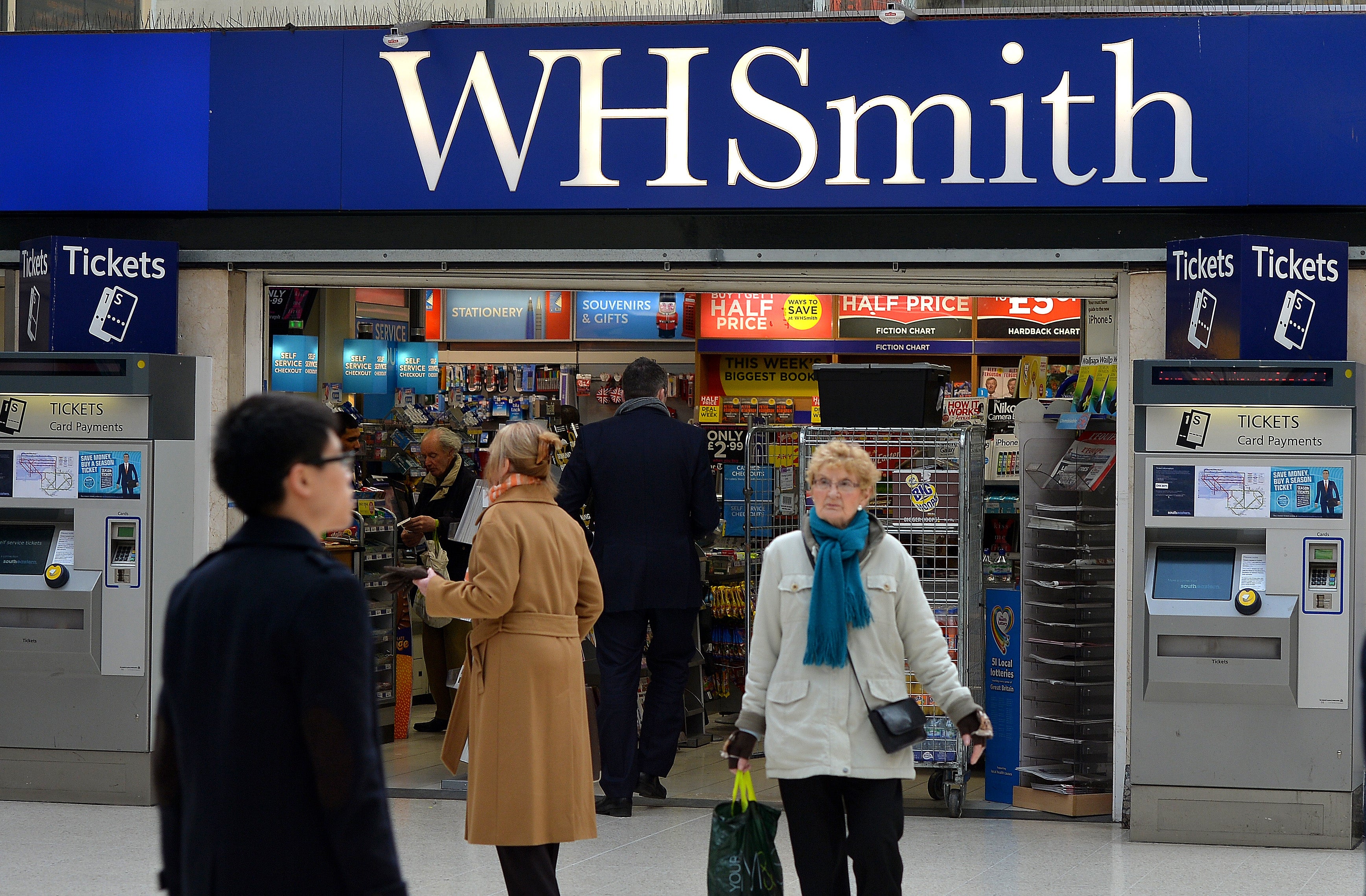
WH Smith had been a stalwart of UK high streets since its first store opened in 1792, selling everything from crime fiction to confectionery.
However, the brand disappeared from the high street after the group sold off all its UK high street retail shops to private equity company Modella Capital to focus on its travel locations, where it will still operate under the brand.
As a result, Modella revealed plans to rebrand the chain as TGJones.
As it pushed forward with efforts to sell off the high street arm, the group pushed forward with the closure of 20 stores.
– Claire’s
The UK arm of fashion accessories business Claire’s tumbled into administration this year after its US owner entered bankruptcy.
Modella Capital once again appeared in the picture, striking a deal to save 156 stores.
However, 145 shops – employing around 1,000 workers – were not part of the deal and closed as a result.
– Pizza Hut
In October, Pizza Hut confirmed that 68 of the brand’s UK restaurants would shut after the business running its franchise in the country entered administration.
It also shut 11 delivery sites as part of a restructuring which put 1,210 workers at risk of redundancy.
DC London Pie, the firm running Pizza Hut’s UK dine-in restaurants, appointed administrators after being impacted by a slowdown in the sector.
American hospitality giant Yum! Brands, which owns the global Pizza Hut business, bought the remaining UK restaurant operation in a rescue deal, saving 64 sites.
– Bodycare
Bodycare was among the brands to disappear from UK high streets for good after it shut all its roughly 150 stores.
The retailer was founded in 1970 in Lancashire and sold beauty products, fragrances and other bathroom items.
It employed as many as 1,000 people early this year but came under pressure from rising costs and a shortfall in funding, which also affected supplier relationships and led to stock shortages.
– Quiz Clothing
Fashion chain Quiz shut 23 of its stores after entering administration in February, in a move which hit around 200 workers.
It closed the shops despite being bought in a pre-pack administration deal by a subsidiary of the founding Ramzan family.
Quiz had started the year searching for emergency funding but fell into insolvency after failing to secure a deal.
– Leon
Leon is closing around 20 of its restaurants after launching a major restructuring in December.
The company said it will shut the doors of the worst-performing of its 71 stores.
It came after the group was bought back by co-founder John Vincent from supermarket group Asda.
– Select Fashion
Select Fashion was another chain to cease trading in 2025, after the womenswear business came under pressure from growing losses.
The business closed all its roughly 80 stores earlier this year and entered liquidation after failing to find a buyer.
– Homebase
Home improvement firm Homebase shut 65 shops between January and March after falling into administration late in 2024.
Retail group CDS, run by The Range owner Chris Dawson, snapped up the brand but was unable to save all its stores.
Bosses at Homebase have said recent years were “incredibly challenging” for DIY stores, blaming “a decline in consumer confidence and spending” after the pandemic.
– New Look
Elsewhere in retail, high street fashion chain New Look shut 15 of its stores in the UK over the year.
The group also revealed that it would exit the Republic of Ireland, shutting all its 26 shops in the country, hitting 347 workers, in the face of squeezed consumer spending.
– Starbucks
In September, Starbucks launched an overhaul which resulted in the closure of some of its UK coffee shops.
The group did not disclose exactly how many sites would shut but closed 10 locations in October as part of the process.
– Fired Earth
Upmarket tile retailer Fired Earth slid into administration in October, resulting in the closure of its 20 UK showrooms, and 133 job cuts.
Rival Topps Tiles bought the Fired Earth brand, IP, website and around £2.5 million worth of stock but could not save any of the chain’s stores.
– Brewdog bars
Scottish craft brewery and bar business Brewdog shut 10 of its sites in July, including its first-ever venue in Aberdeen.
The closure plan, which was part of a shake-up of Brewdog’s hospitality arm, put almost 100 jobs at risk.
– Monki
At the start of the year, European fashion giant H&M announced plans to close its seven stores under its Monki brand.
It said a “limited number” of these would be transformed into its sister brand Weekday but still closed a number of shops permanently.
– River Island
Retail chain River Island shut 33 shops as part of a restructuring to help support its future.
The fashion group pushed through a formal restructuring plan amid fears that the company could collapse into administration without action.
It also secured rent reductions on 71 other stores as part of the plan.
– Hobbycraft
In April, the arts and craft retailer revealed plans to shut nine of its stores, in a move it said would hit up to 126 workers.
It comes after Modella Capital bought the retail business last year.

GST collections: India’s net Goods and Services Tax (GST) collections increased to Rs 1.78 lakh crore in March 2026, marking a rise of 8.2% compared to the previous month, according to official figures released on Wednesday.Gross GST revenue for March stood at Rs 2 lakh crore, which is an 8.8% increase over the same month last year.Abhishek Jain, Indirect Tax Head & Partner, KPMG says, “GST collections continue to show steady 9% annual growth, supported by strong import activity this month and consistent compliance. While export refunds have eased this month but remain healthy overall for the year”Refunds during the month totalled Rs 0.22 lakh crore, up 13.8% on a year-on-year basis, which resulted in net GST collections of Rs 1.78 lakh crore.Domestic GST revenue reached Rs 1.46 lakh crore, registering a growth of 5.9%, while revenue from imports was recorded at Rs 0.54 lakh crore, rising sharply by 17.8% during the period.Post-settlement GST figures across states presented a varied trend. While industrially advanced states recorded strong growth, several others reported a decline.Maharashtra contributed the highest amount to the overall collections at Rs 0.13 lakh crore on a pre-settlement basis, followed by Karnataka and Gujarat.Among states showing an increase in post-settlement SGST collections were Himachal Pradesh, Punjab, Uttarakhand, Haryana, Rajasthan, Uttar Pradesh, Bihar, Gujarat, Maharashtra, Karnataka, Kerala, Tamil Nadu, Telangana and Andhra Pradesh, among others.On the other hand, states such as Jammu and Kashmir, Chandigarh, Delhi, Arunachal Pradesh, Meghalaya, Assam, West Bengal, Jharkhand, Odisha, Chhattisgarh and Madhya Pradesh, among others, registered a decline in post-settlement SGST revenues.
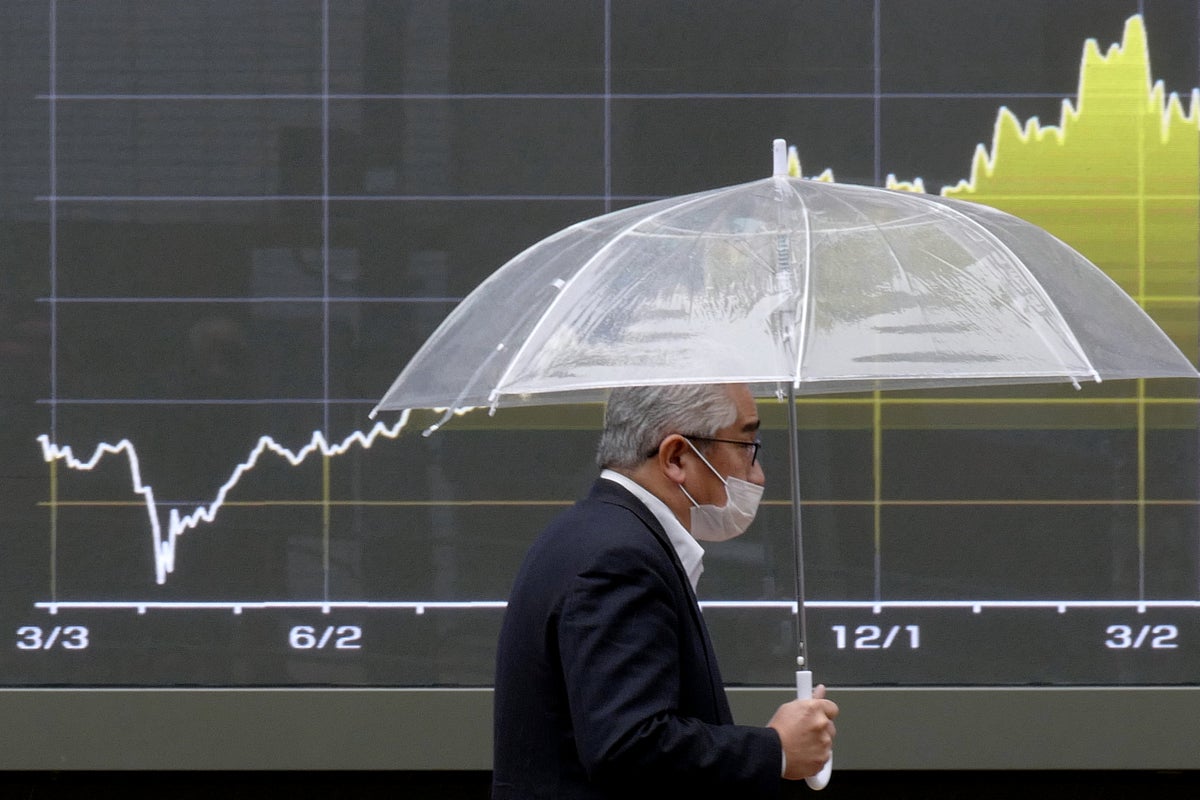
Business sentiment among major Japanese manufacturers rose from 16 to 17 in March, according to the Bank of Japan’s quarterly survey released on Wednesday.
The improvement in the so-called diffusion index in the closely watched “tankan” report, recorded for the fourth quarter straight, comes even as worries grow about Japan’s economic growth and oil supplies because of the US-Israeli war on Iran.
The survey is an indicator of companies foreseeing good conditions minus those feeling pessimistic.
The index for large non-manufacturers, such as the service sector, stood unchanged from the last tankan at 36.
Japan’s inflation has so far remained relatively moderate, but worries are growing about prices at the gas stands and other products. Investors and consumers alike are filled with uncertainty about how much longer the war may last and what US president Donald Trump might say next. Japan’s benchmark Nikkei 225 has gyrated wildly in recent weeks.
Analysts say the Bank of Japan may start to raise interest rates because of concerns about inflation, given the soaring energy costs and declining yen, two elements that greatly affect living costs for the average Japanese consumer.
Historically, Japan has benefited from a weak yen because of its giant exports, exemplified in autos and electronics. A weak yen raises the value of exports’ earnings when converted into yen.
But in recent years, a weak yen is working as a negative, as resource-poor Japan imports much of its energy, as well as other key products such as food and manufacturing components.
The US dollar has been soaring against the yen lately.
Japan’s central bank had a negative interest rate policy for years to fight deflation until it normalised policy in 2024. It kept the rate unchanged at 0.75 per cent in March. The next Bank of Japan monetary policy board meeting is set for April 27 and 28.

The price of Brent crude oil to be delivered in May rose by a record 64% in March as the conflict disrupted energy supplies.
Source link


China’s Anta Sports posts record $11.62 bn revenue in 2025
GST collections rise 8.2% in March 2026 to hit Rs 1.78 lakh crore – The Times of India

Tehran residents on edge after month of war

-

 Politics1 week ago
Afghanistan announces release of detained US citizen
-
 Business1 week ago
Property Play: Home flippers see smallest profits since the Great Recession, real estate data firm says
-

 Sports1 week ago
Broadcast industry CEO says consolidation is ‘essential’ to compete for NFL soaring media rights prices
-

 Entertainment1 week ago
UN warns migratory freshwater fish numbers are spiralling
-

 Tech1 week ago
Can a Home Appliance Fix the Problem of Soft-Plastic Waste?
-
 Business1 week ago
Gold prices soar in Pakistan – SUCH TV
-

 Fashion1 week ago
ICE cotton slips on weaker crude, profit booking
-
 Business1 week ago
More women are entering wealth management, but few are in advisory roles, study finds