

Fashion
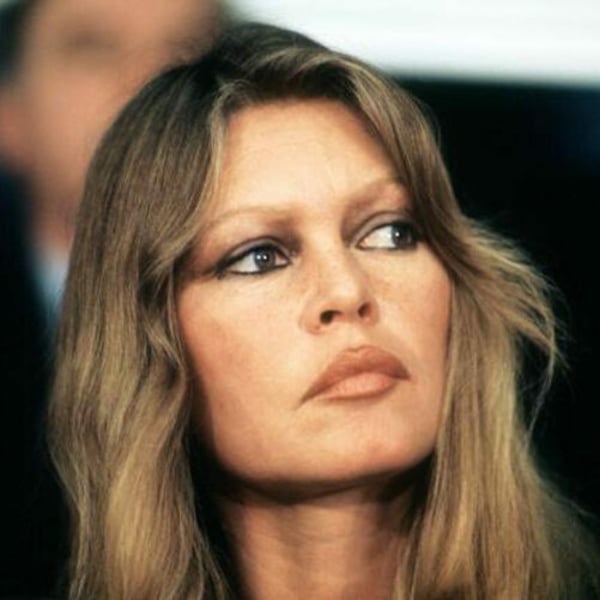
Brigitte Bardot, an icon of cinema and animal rights, has died

Published
December 29, 2025
The Brigitte Bardot Foundation, which she founded, announced her death in a statement, expressing its “immense sadness” at the death of the woman “who chose to abandon her prestigious career to devote her life and energy to the defence of animals.”
The star of “Et Dieu… créa la femme” and “Le Mépris” died in the morning, at her famous residence, La Madrague, in Saint-Tropez, the foundation told AFP.
At the scene, the dirt track through the bamboo leading to the villa was blocked by a gendarmerie vehicle, an AFP journalist noted.
“We saw her often. I’d watch her go by and, when she was in a good mood, she’d blow us kisses,” said Nathalie Dorobisze, a 50-year-old Saint-Tropez resident, in tears. “It feels strange that she’s no longer here, because she’s always been here.”
La Madrague was a BB touchstone, and it was also the name of the fashion label she launched.
On the same social network, Marine Le Pen, leader of the Rassemblement National, with whom Brigitte Bardot made no secret of her affinity, paid tribute to an “incredibly French” woman: “free, indomitable, uncompromising.”
In recent years, Brigitte Bardot, who embodied the liberalisation of social mores in 1950s France, was known above all for her statements on politics, immigration, feminism, hunters… some of which resulted in convictions for racist insults.
“Freedom means being oneself, even when it’s inconvenient,” she proclaimed defiantly, as the epigraph to a book titled “Mon BBcédaire”, published in early October.
Before making headlines for her stances, the woman known by her initials B.B. was nothing short of a myth.
That of a woman liberated from moral, sartorial, romantic and sexual codes—and from what was expected of her. A woman who “didn’t need anyone,” as Serge Gainsbourg had her sing in 1967, as familiar in Cannes as on Brazilian beaches.
Brigitte Bardot, the first celebrity to lend her features to the bust of Marianne, was a kind of French Marilyn Monroe- likewise blonde, with an explosive beauty and a tumultuous private life, hounded by the paparazzi.
B.B., Marilyn, “I’m sure their two stars form the most beautiful duo in the sky,” Francis Huster, who worked with Bardot in 1973, told AFP.
Marilyn was “a woman who was exploited, whom nobody understood, and who died as a result,” recalled Bardot, who had met her in 1956.
It was a mistake she would not repeat, bowing out at 39, leaving behind around 50 films and two scenes that have entered the pantheon of the Seventh Art: a feverish mambo in a Saint-Tropez restaurant (“Et Dieu… créa la femme”, 1956) and a monologue in which she, nude, listed the different parts of her body, at the opening of “Le Mépris” (1963).
“Nobody has described Bardot better than the writer François Nourissier,” former Cannes Film Festival president Gilles Jacob told AFP: “‘an unstable balance between caprice and damnation’.” Pierre Lescure, another ex-president of the festival, paid tribute to her “crazy, somehow new beauty- absolute and brazen.”
Nothing foretold such a destiny for the young Brigitte: born into a bourgeois Parisian family in 1934, she developed a passion for dance and tried her hand at modelling. At just 18, she married her first love, Roger Vadim, who gave her the role of Juliette in “Et Dieu… créa la femme,” a film that shook up the established order and branded her a sex symbol. With the film’s success, she shot film after film, stirred passions, and got burnt by the limelight.
In 1960, at the height of her fame, she gave birth to a boy, Nicolas, her only child, under the prying eye of the press. Declaring herself devoid of maternal instinct, the actress let her husband Jacques Charrier raise their son.
She later married German millionaire Gunter Sachs, then industrialist Bernard d’Ormale, who was close to the Front National.
Baby seals
She then became another Bardot, a figurehead for animal welfare. The turning point came on the set of her last film, “L’histoire très bonne et très joyeuse de Colinot trousse-chemise” (1973), opposite a goat that she bought and installed in her hotel room.
Defending elephants, opposing ritual slaughter, bullfighting, and the consumption of horsemeat… the fight was only just beginning.
In 1977, she travelled to the ice floes to raise awareness of the plight of baby seals, a highly publicised sequence that made the front page of Paris Match and left her with bitter memories.
Most of her second life unfolded out of the public eye, in the south of France, between La Madrague and a second, more discreet residence, La Garrigue. There she took in animals in distress and ran the foundation that bears her name, founded in 1986.
An organisation that continued to benefit from the glamorous image of her beginnings. The fashion label that bears her name, Brigitte Bardot Paris, offers modern collections inspired by the silhouettes of the 60s and 70s. The company that develops the brand donates a share of its revenue to Family Trademark TLM, which holds the exclusive worldwide rights to the Brigitte Bardot brand and funds the Brigitte Bardot Foundation. The former actress also has a lingerie brand in her name, Brigitte Bardot Lingerie.
In an interview with BFMTV in May, she confided that she longed for “peace, nature” and to live “like a farmer.” This autumn, she was hospitalised for an operation, the nature of which was not disclosed.
Evoking her death, she warned that she wanted to avoid the presence of “a crowd of arseholes” at her funeral.
FashionNetwork.com with AFP
This article is an automatic translation.
Click here to read the original article.
Copyright © 2025 FashionNetwork.com All rights reserved.








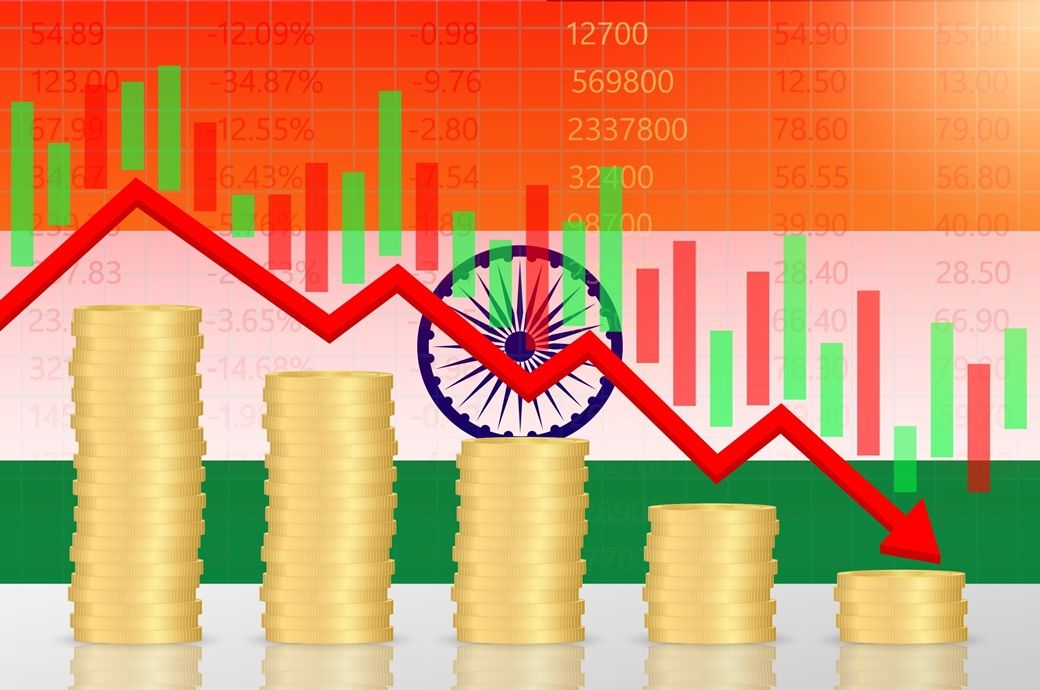
While trends in high frequency indicators for January-February 2026 appear favourable, the heightened uncertainty around the duration of the Middle East conflict casts a shadow on the near-term macroeconomic outlook for India amid high import dependency for items like crude oil, natural gas and fertilisers, it noted.
India’s FY27 GDP growth is likely to slow to 6.5 per cent from the projected 7.5 per cent in FY26 owing to the impact of higher energy prices and concerns around energy availability, ICRA Ratings said.
The heightened uncertainty around the duration of the Iran war casts a shadow on the near-term macroeconomic outlook for India.
If the conflict lasts longer, the adverse effects could widen across sectors.
If the conflict lasts for an extended period, the adverse implications of the same could widen across sectors, amid an uptick in input costs and the consequent impact on profitability of the India corporate sector.
Amid the projected uptrend in the consumer price index-based inflation in FY27 with risks tilted to the upside, ICRA Ratings expects an extended pause on the policy rates by the central bank’s monetary policy committee in the fiscal despite the anticipated softening in the GDP growth. However, it expects the Reserve Bank of India to continue to intervene on the liquidity front during FY27.
The available data for January–February FY2026 indicate a positive trend across most non-agricultural indicators, with the year-on-year performance of 12 out of 18 indicators improving compared to the third quarter of FY26, while the remaining six deteriorated.
Fibre2Fashion News Desk (DS)
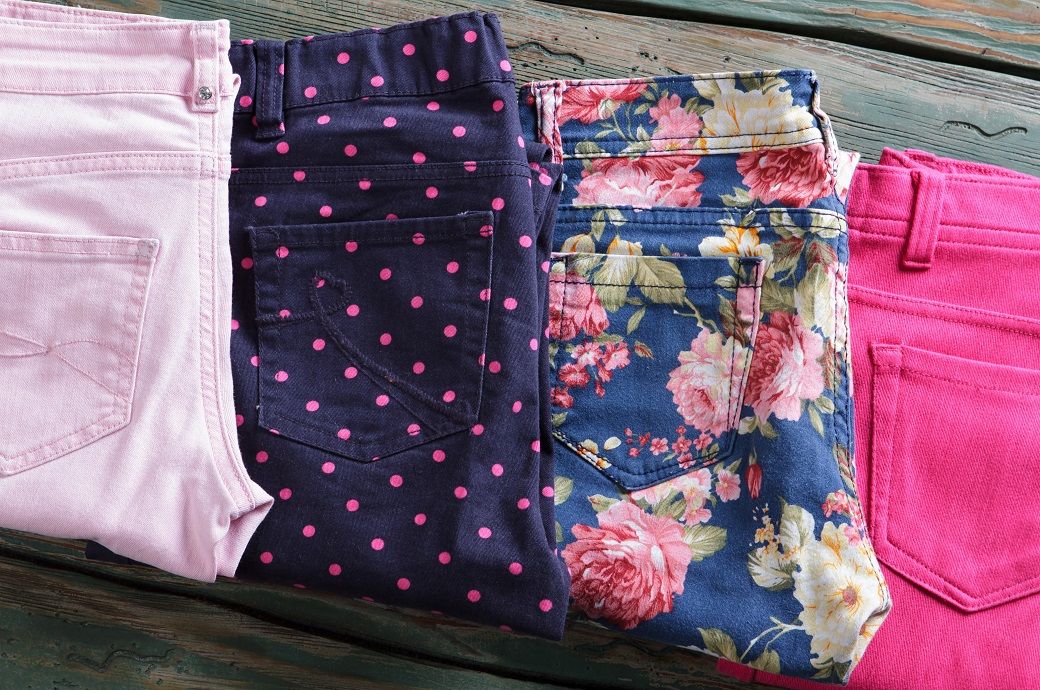
Indonesia’s apparel exports rose modestly to $8.705 billion in 2025 from $8.316 billion in 2024, reflecting gradual recovery.
The US remained dominant, accounting for over 56 per cent of shipments, highlighting growing market dependence.
While Japan, South Korea and Europe offered stability, exports stayed concentrated in key products and segments.
Source link
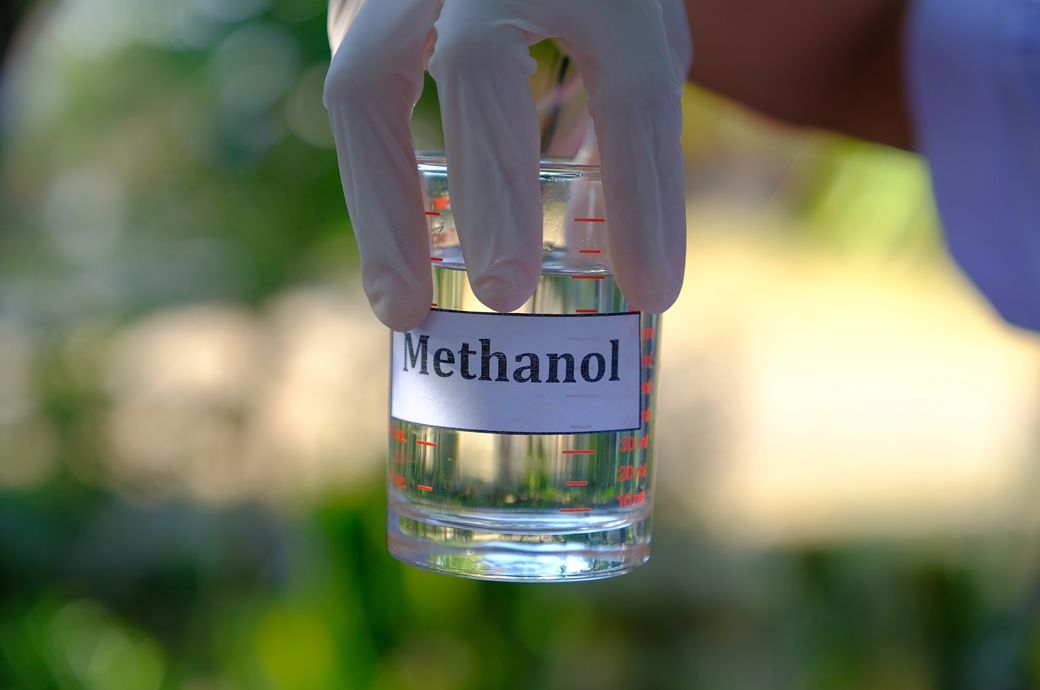
Methanol prices in India have surged nearly 150 per cent from pre-Iran–US tension levels, tracking a sharp rise in crude oil and tightening global energy markets.
Hormuz disruption risks, limited rerouting capacity, rising freight and insurance costs, and constrained imports are fuelling volatility, with prices seen approaching ₹90 per kg.
Source link


Italy miss out on third straight WC in shootout loss to Bosnia

Nike shares fall 9% on weak outlook, expected 20% sales decline in China

Prince Harry surprises crowd by calling attendees his source of hope

-

 Politics1 week ago
Afghanistan announces release of detained US citizen
-

 Sports1 week ago
Broadcast industry CEO says consolidation is ‘essential’ to compete for NFL soaring media rights prices
-

 Tech1 week ago
Can a Home Appliance Fix the Problem of Soft-Plastic Waste?
-

 Entertainment1 week ago
UN warns migratory freshwater fish numbers are spiralling
-
 Business1 week ago
Property Play: Home flippers see smallest profits since the Great Recession, real estate data firm says
-
 Business1 week ago
Gold prices soar in Pakistan – SUCH TV
-

 Fashion1 week ago
ICE cotton slips on weaker crude, profit booking
-
 Business1 week ago
More women are entering wealth management, but few are in advisory roles, study finds