

Entertainment
These notable works enter the public domain in 2026

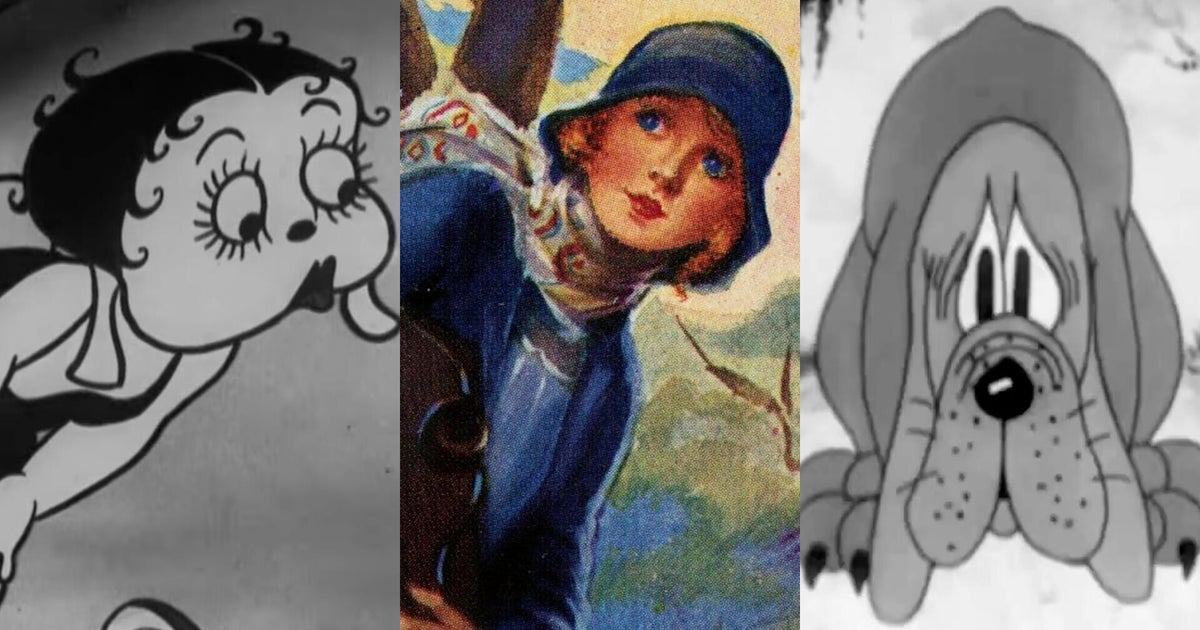
New Year’s Day commemorates the passing of time and the start of a new chapter, so it is fitting that the same day also presents an opportunity to breathe new life into thousands of creative works nearly a century old. As of Jan. 1, 2026, characters like early Betty Boop and Nancy Drew, and a variety of popular movies, books and songs, are entering the public domain.
They join a growing list of cultural icons that are no longer under copyright protection, including Popeye the Sailor Man and the “Steamboat Willie” version of Mickey Mouse.
List of popular intellectual property entering the public domain in 2026
The year 2026 marks the first time that copyrighted books, films, songs and art published in the ’30s enter the U.S. public domain. As of Jan. 1, protections expire for published works from 1930 and sound recordings from 1925.
Here are some of the most notable works that are becoming available for free use by anyone:
- “The Murder at the Vicarage” by Agatha Christie, the first novel featuring elderly amateur detective Miss Marple.
- “The Secret of the Old Clock” by Carolyn Keene, the first appearance of teen detective Nancy Drew, and three follow-ups.
- “The Little Engine That Could” by Watty Piper.
- Fleischer Studios’ “Dizzy Dishes,” the first cartoon in which Betty Boop appears.
- Disney’s “The Chain Gang” and “The Picnic,” both depicting the earliest versions of Mickey’s dog Pluto.
- The initial four months of “Blondie” comic strips by Chic Young, featuring the earliest iterations of the titular character and her then-boyfriend, Dagwood.
- The film “All Quiet on the Western Front,” directed by Lewis Milestone, Best Picture winner at the 3rd Academy Awards.
- “King of Jazz,” directed by John Murray Anderson, Bing Crosby’s first appearance in a feature film.
- “Animal Crackers,” directed by Victor Heerman and starring the Marx Brothers.
- “The Big Trail,” directed by Raoul Walsh, John Wayne’s first turn as leading man.
- “But Not For Me,” music by George Gershwin, lyrics by Ira Gershwin.
- “Georgia on My Mind,” music by Hoagy Carmichael, lyrics by Stuart Gorrell.
- “Dream a Little Dream of Me,” music by Fabian Andre and Wilbur Schwandt, lyrics by Gus Kahn.
- “Livin’ in the Sunlight, Lovin’ in the Moonlight,” music by Al Sherman, lyrics by Al Lewis.
- Piet Mondrian’s painting, “Composition with Red, Blue, and Yellow.”
How the public domain works
When a work’s copyright protections lapse, it lands in the public domain, allowing anyone to use and build upon it as they see fit for free and without needing permission.
“Copyright gives rights to creators and their descendants that provide incentives to create,” Jennifer Jenkins, director of Duke University’s Center for the Study of the Public Domain, told CBS News’ Lee Cowan in 2024. “But the public domain really is the soil for future creativity.”
The U.S. Constitution’s intellectual property clause establishes that works be protected for a limited amount of time, “to promote the progress of science and useful arts.” The Founding Fathers left it to Congress to sort out the specifics.
Generally, in the U.S., works published or registered before 1978 retain copyright protections for 95 years. For later works, protection usually spans the creator’s lifetime and 70 years after.
“If copyright lasted forever, it would be very difficult for a lot of creators to make the works they want to make without worrying about being in the crosshairs of a copyright lawsuit,” Jenkins said.
Just because a work’s copyright has expired does not mean that members of the public cannot be held legally liable in some instances. For example, while the original Betty Boop from 1930 is in the public domain, the modern version is not. So to avoid infringement, any reuse would need to steer clear of her newer characteristics. Additionally, the character is subject to multiple trademarks, which further complicates its use.
What’s entering the public domain in 2027?
Copyrighted works from 1931 will see their protections expire in 2027. This includes Universal Pictures’ “Frankenstein” and “Dracula” films, Charlie Chaplin’s “City Lights,” Fritz Lang’s “M,” Herman Hupfeld’s jazz standard “As Time Goes By” and more.





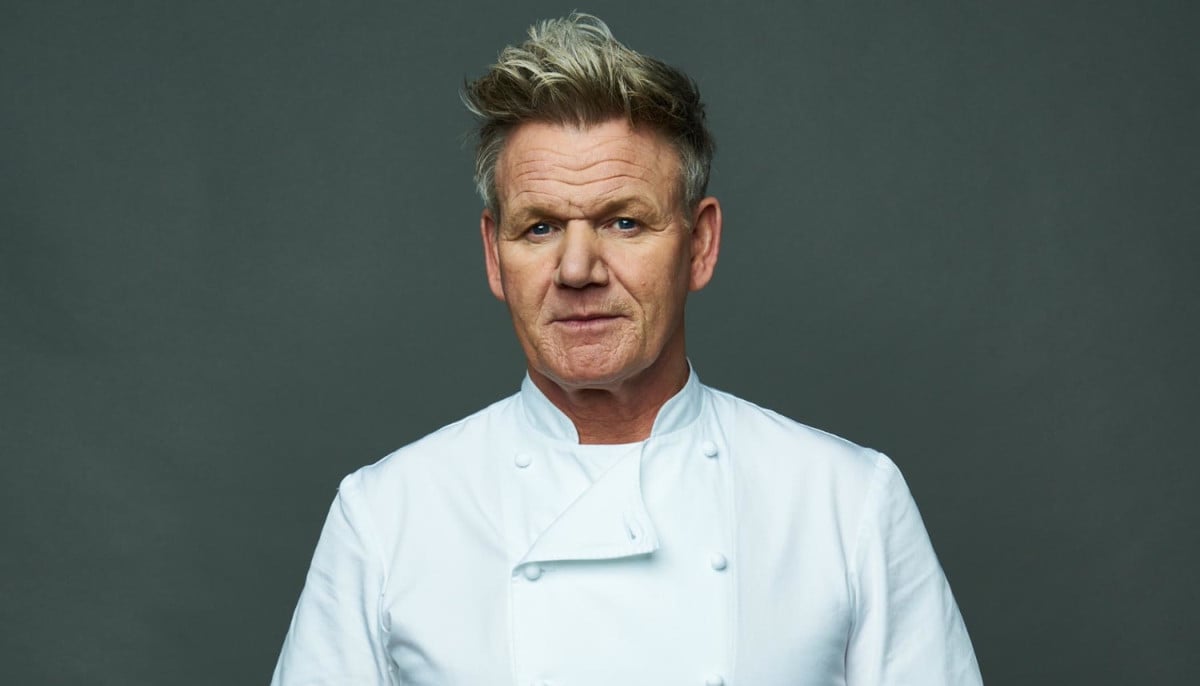
Gordon Ramsay may have built his reputation on Michelin stars and television fireworks, but when it comes to raising his six children, the lesson he holds above all others is a rather simpler one.
Speaking to Fox News Digital in an interview published on Sunday, 24 May, the 59-year-old chef revealed what he considers the single most important thing he has instilled in his kids.
“The one thing I’ve taught them all, brilliantly, are manners,” he said, adding with characteristic directness: “The most important thing in life, but they cost zero.”
Ramsay shares his six children, Megan, 28, Holly, 26, Jack, 26, Matilda, 24, Oscar, 7, and Jesse, 2, with his wife Tana.
On the professional front, one of his children appears to be following closely in his footsteps.
Ramsay spoke to PEOPLE in February about his daughter Matilda, known as Tilly, who has chosen to pursue a career in food, a decision that clearly delights him.
Ramsay spoke to PEOPLE again at the Fox Upfront event on 11 May, where he was celebrating the renewal of several of his shows including Hell’s Kitchen, Kitchen Nightmares, Next Level Chef, Next Level Baker, Gordon Ramsay’s Secret Service and Gordon Ramsay’s Being Gordon Ramsay.
Asked which of his six shows currently on air is his favourite, he reached for a familiar metaphor.
“I have six shows on air right now. That’s like saying, I have six kids as well, what’s my favourite kid? It depends, it’s the one that least pisses me off at the moment.”
Six kids, six shows, and a firm belief in the power of a please and a thank you. Not a bad philosophy, all things considered.
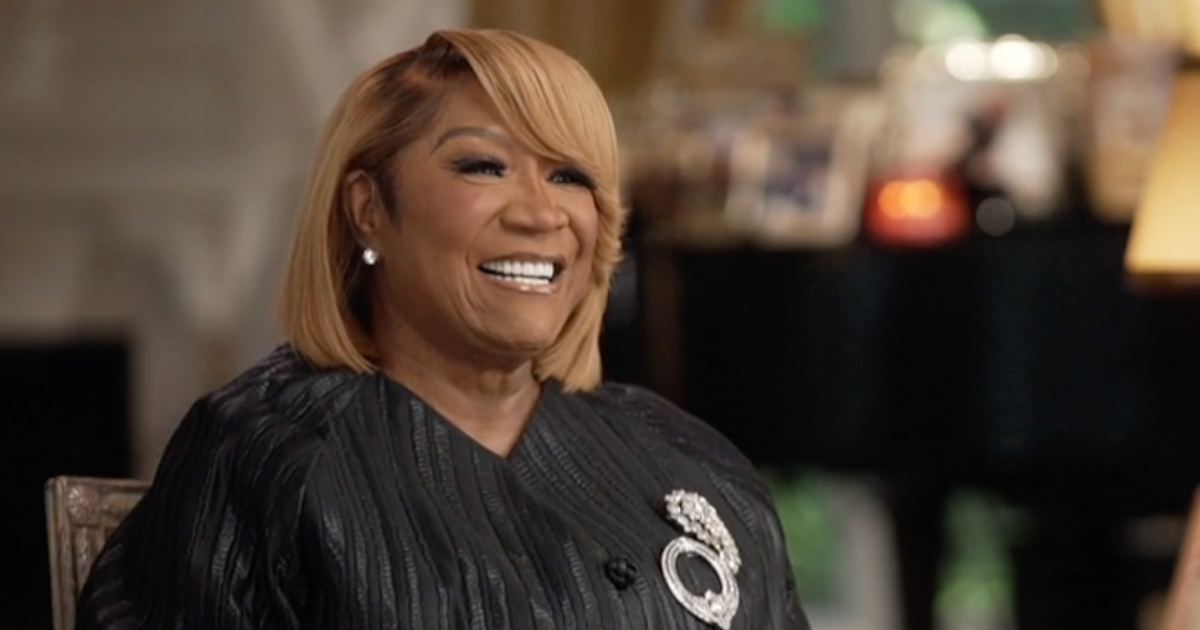
Patti LaBelle has been singing for six decades, earning hit records, Grammys and the nickname the “Godmother of Soul.” As she celebrates her 82nd birthday on Sunday, she said she’s “having fun living it down.”
“At 82, I am really living it down, not up. But having fun living it down. I play cards. We have card games on Saturday nights,” LaBelle said. “How easy is it to play cards and take other folks’ money? That’s what I do, and I love it.”
Just like her high notes, she has staying power. LaBelle is still professionally singing, something she said she has to do.
“Singing is my life,” she said, adding that her voice is “big. It’s loud. It’s soft. It can rap. It can do opera, on a good day.”
LaBelle spent her childhood in Philadelphia, a place she still calls home. Back then, she was a shy girl named Patsy Holt.
“My mother had to pay me to go outside. I was very, very, very shy. I would sing in my bedroom with the broom as a microphone. So I knew I had a voice and my mother and father loved my voice,” LaBelle said.
At age 10, she joined a church choir where a duet unlocked the magic of performing. She said she still remembers getting the chills the moment when everyone stood up and said, “Hallelujah.”
As a teen, she started singing with a group. A record label executive suggested she change her name to LaBelle, which means beautiful, but with that advice came a nasty assessment. He called her “quite ugly.”
“It gave me hurt, just total, total hurt, because I knew how much he loved my voice. And I knew, no matter what anyone said about me, I am who I am, I’m not gonna change. The only thing that changed was my nose. I had a huge nose, so I had it done,” she said. “And that’s all I’ve ever had done. My nose, because it was not pleasing to me.”
When Patti LaBelle and the Blue Belles became simply Labelle, they changed their style to what the singer described as “outrageous crazy outfits.” They turned “Lady Marmalade,” a song about a Creole prostitute, into a classic hit.
“We were singing about the revolution and sexual things before any Black girl or White girl group sang,” LaBelle said.
“When we sang [Lady Marmalade], we didn’t know what ‘voulez-vous coucher avec moi’ meant. It means, ‘Will you sleep with me tonight?’ So we got a lotta flak from the nuns and different people. And I was saying, at that time, ‘Well, a hooker has to make money too,'” she laughed.
The group split in 1977 but stayed friends. LaBelle said she was petrified when she stepped out as a solo artist for the first time. Getting therapy “helped a whole lot,” she said.
“I learned that I’m never gonna stop singing. And if it’s with a group or alone, that’s what I’m gonna do for the rest of my life,” LaBelle said.
LaBelle’s other talent is cooking. She’s written several bestselling cookbooks and has her own line of food and houseware products, Patti’s Good Life. Her hometown is filled with fans, and even visiting a Philadelphia ShopRite to hand out pancake mix caused quite a stir.
LaBelle isn’t planning to give up singing anytime soon.
“It’s never my last show. I’ll be singing until I can’t no more,” she said.
And on her 82nd birthday, maybe the real gift is that LaBelle knows exactly who she is — a mother, grandmother, and yes, a legend.
“I love it. I should be called, ‘Legend, legend, legend, legend.’ Yes. I love it,” she laughed. “I have earned it. Yes, I have.”
WEB EXCLUSIVE: Watch an extended interview with Patti LaBelle (Video)
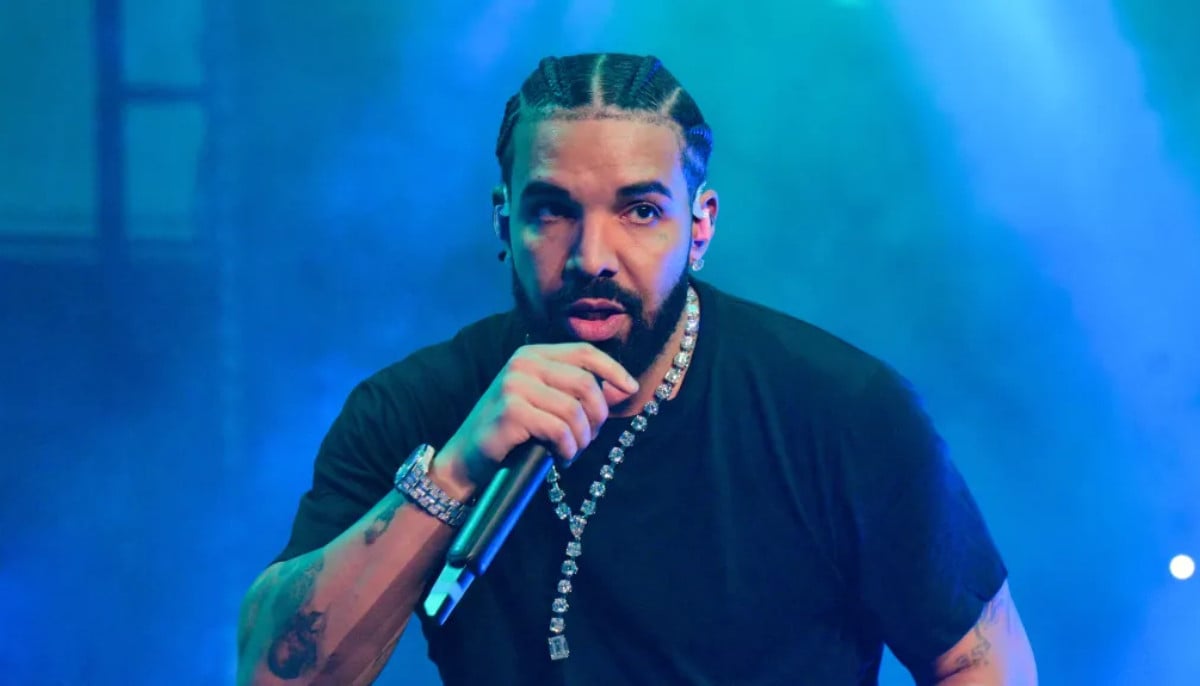
Drake has made Billboard chart history, becoming the first artist ever to simultaneously occupy the top three positions on the Billboard 200 albums chart.
Iceman, the album he had been building towards for nearly two years, debuted at number one with 463,000 equivalent album units in its first week.
Behind it, Habibti landed at number two with 114,000 units and Maid of Honour at number three with 110,000, all three released on the same night in a surprise triple drop that caught even the most devoted fans off guard.
The number one position alone would have been a landmark.
Iceman gives Drake his 15th chart-topping album, surpassing Jay-Z’s previous record for the most number ones among solo male artists and R&B and hip-hop acts.
It also draws him level with Taylor Swift for the most number ones among solo acts overall, a list only the Beatles sit above, with their record of 19.
In terms of raw numbers, Iceman‘s opening week is the second biggest of 2026 so far, behind only BTS’ Arirang, which moved 641,000 units. It is, however, the biggest opening week of the year for any R&B or hip-hop record.
The rest of the Billboard 200 reshuffled accordingly.
Noah Kahan’s The Great Divide, previously sitting at number one, dropped to four.
Ella Langley’s Dandelion holds at five, followed by Morgan Wallen’s I’m the Problem, two Michael Jackson titles, Lucki’s Dr*gs R Bad, and BTS’ Arirang rounding out the top ten.
For Drake, it is a statement of intent, and one that lands in the record books before the conversation has even fully begun.


Gordon Ramsay reveals ‘most important thing in life’
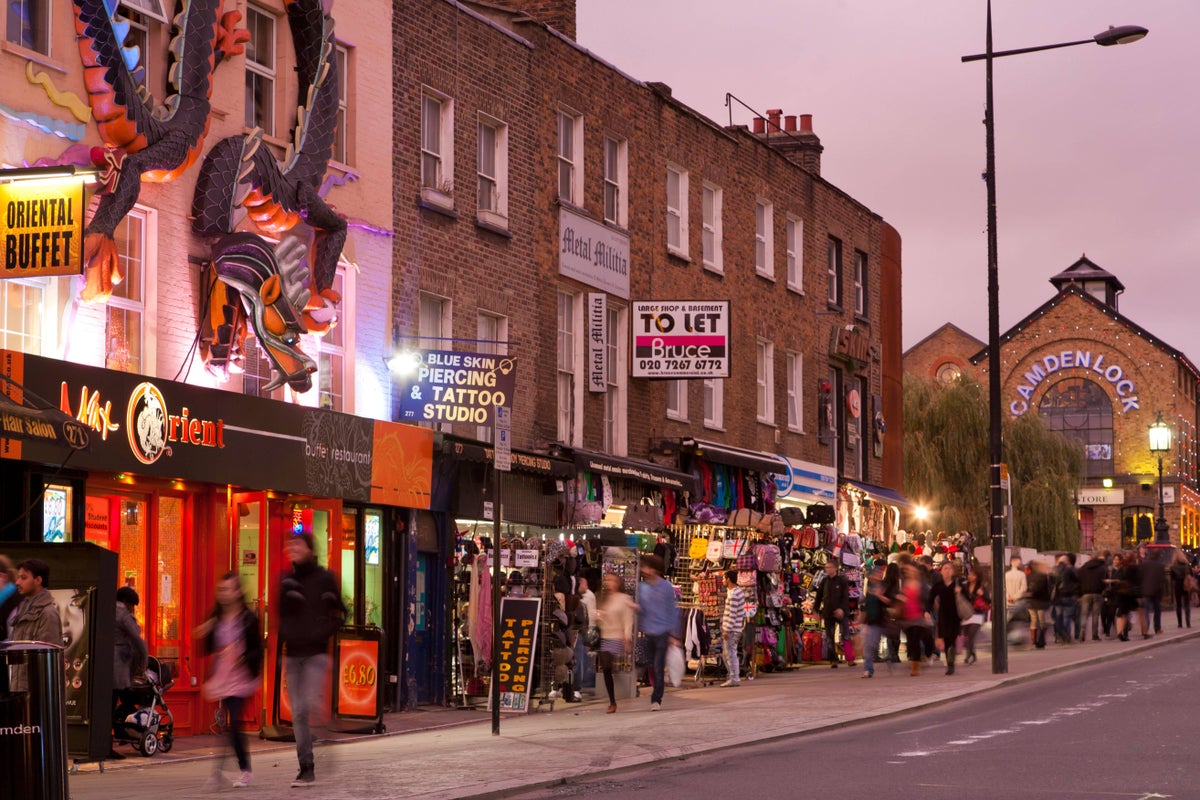
Shop numbers return to growth after years of decline, say experts

Drake sets new record at ‘Iceman,’ ‘Habibti’ and ‘Maid of Honour’

-

 Entertainment1 week ago
Where Pete Davidson, Elsie Hewitt stand after breakup: Details revealed
-

 Politics1 week ago
Rising diesel costs from Iran war strain US school budgets
-

 Tech1 week ago
Why Is Your Grill So Dumb? The Best Grills Set Temp Like an Oven
-

 Tech1 week ago
This Solar-Powered Smart Sprinkler Keeps My Lawn Watered Without Any Power Cables
-

 Fashion1 week ago
RMG trade bodies seek policy support from Bangladesh PM
-

 Fashion1 week ago
India calls for aligning standards, customs procedures with Africa
-

 Fashion6 days ago
Nigeria Kwara Garment Factory, KWS Garment Production Village ink pact
-

 Fashion7 days ago
India’s Pearl Global’s FY26 revenue crosses $521 mn milestone