

Entertainment
France president ‘wants to ban under-15s from social media’


France plans to ban children under 15 from social media sites and to prohibit mobile phones in high schools from September 2026, local media reported on Wednesday, moves that underscore rising public angst over the impact of online harms on minors.
President Emmanuel Macron has often pointed to social media as one of the factors to blame for violence among young people and has signalled he wants France to follow Australia, whose world-first ban for under-16s on social media platforms including Facebook, Snapchat, TikTok and YouTube came into force in December.
His government will submit draft legislation for legal checks in early January, Le Monde and France Info reported.
Macron did not reference the legislative push in a New Year’s Eve address but he did pledge to “protect our children and teenagers from social media and screens.”
Earlier, the Elysee and the prime minister’s office declined to comment on the media reports.
Mobile phones have been banned in French primary and middle schools since 2018 and the reported new changes would extend that ban to high schools. Pupils aged 11 to 15 attend middle schools in the French educational system.
France also passed a law in 2023 requiring social platforms to obtain parental consent for under-15s to create accounts, though technical challenges have impeded its enforcement.
Macron wants more action at EU level
Macron said in June he would push for regulation at the level of the European Union to ban access to social media for all under-15s after a fatal stabbing at a school in eastern France shocked the nation.
The European Parliament in November urged the EU to set minimum ages for children to access social media to combat a rise in mental health problems among adolescents from excessive exposure, although it is member states which impose age limits.
Various other countries have also taken steps to regulate children’s access to social media.
Macron heads into the New Year with his domestic legacy in tatters after his gamble on parliamentary elections in 2024 led to a hung parliament, triggering France’s worst political crisis in decades that has seen a succession of weak governments.
However, cracking down further on minors’ access to social media could prove popular, according to opinion polls. A Harris Interactive survey in 2024 showed 73% of those canvassed supporting a ban on social media access for under-15s.
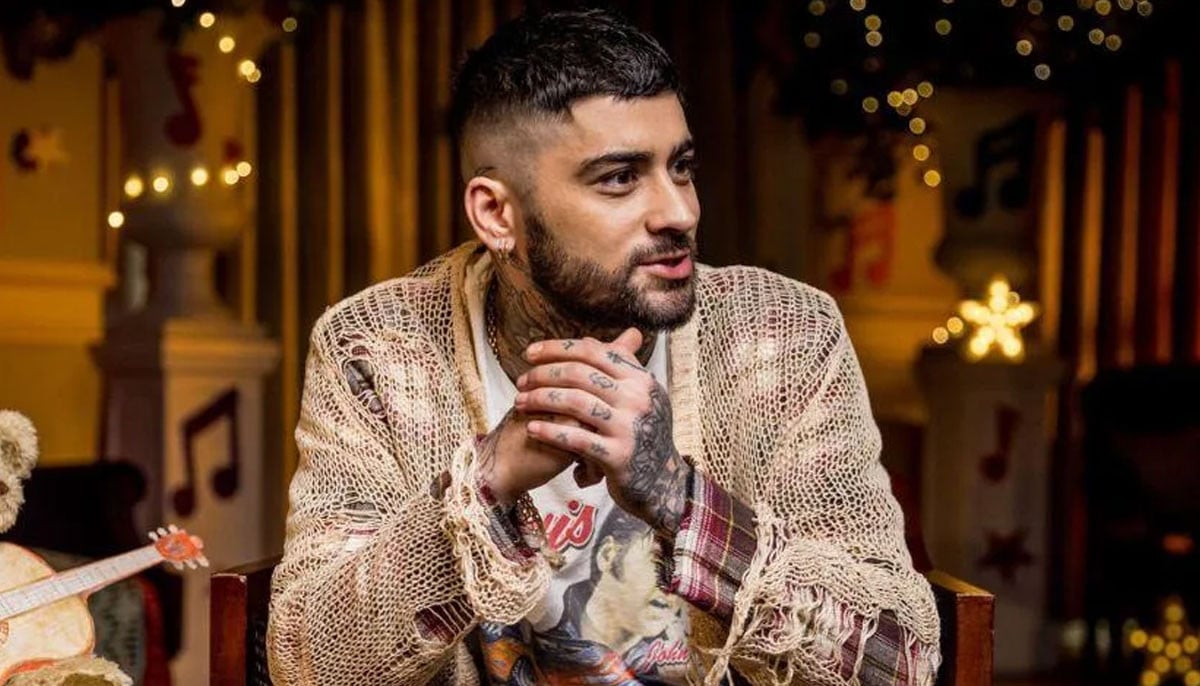
Zayn Malik is overwhelmed with gratitude as fans continue showering him with love and support after The Konnakol Tour launch.
Shortly after wrapping up the opening night of his first-ever headlining arena and stadium tour since his One Direction days, the former boy band star took to social media to thank his supporters.
On Sunday, May 24, the Dusk Till Dawn hitmaker shared a series of photos and a video, featuring some behind-the-scenes glimpse, highlights from the first show and a peek into the prep.
“Night 1 LONDON 02!!! Big thanks to everyone that came out and turned up!” he captioned the carousel. “That was epic ! [red heart emoji].”
The Pillowtalk chart-topper kicked off the 31-date global trek, supporting his fifth studio album of the same name, on Saturday, May 23, at the O2 Arena in London.
Standup comedian Usama Siddiquee was selected alongside DJ Lonyo to provide the opening entertainment to get the arena crowd energised before the 33-year-old singer took the stage.
Taking to his Instagram Stories, Zayn gave a shout out to the fast-rising Bengali-American comedian, writer, and actor.
“@usamastandsup you’re a legend bro,” he wrote over an image of himself watching Usman dominating the stage. “Thank you!”
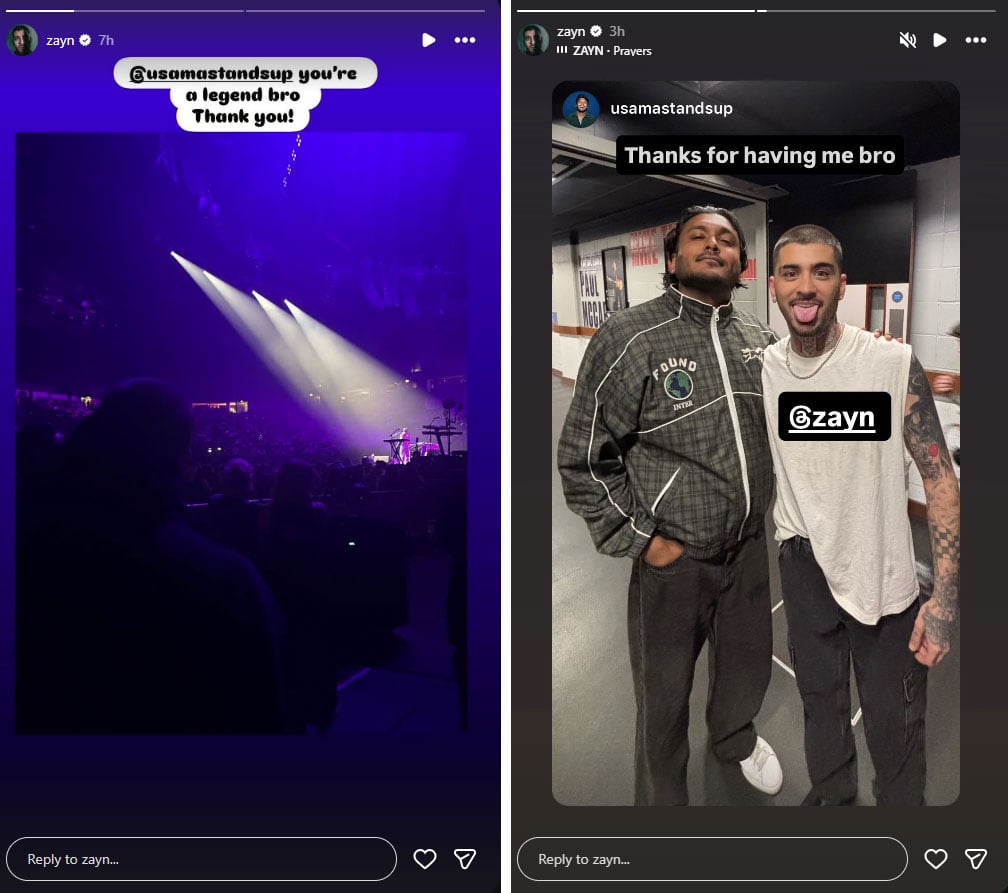
In the following update the Die For Me singer reposted the America’s Got Talent semifinalist’s story.
The text over the duo’s picture read, “Thanks for having me bro.”
Zayn officially announced the Don’t Tell Comedy star as the comedy opener for the major UK arena dates, including the opening night at London’s O2 Arena on followed by the Manchester AO Arena on May 24.
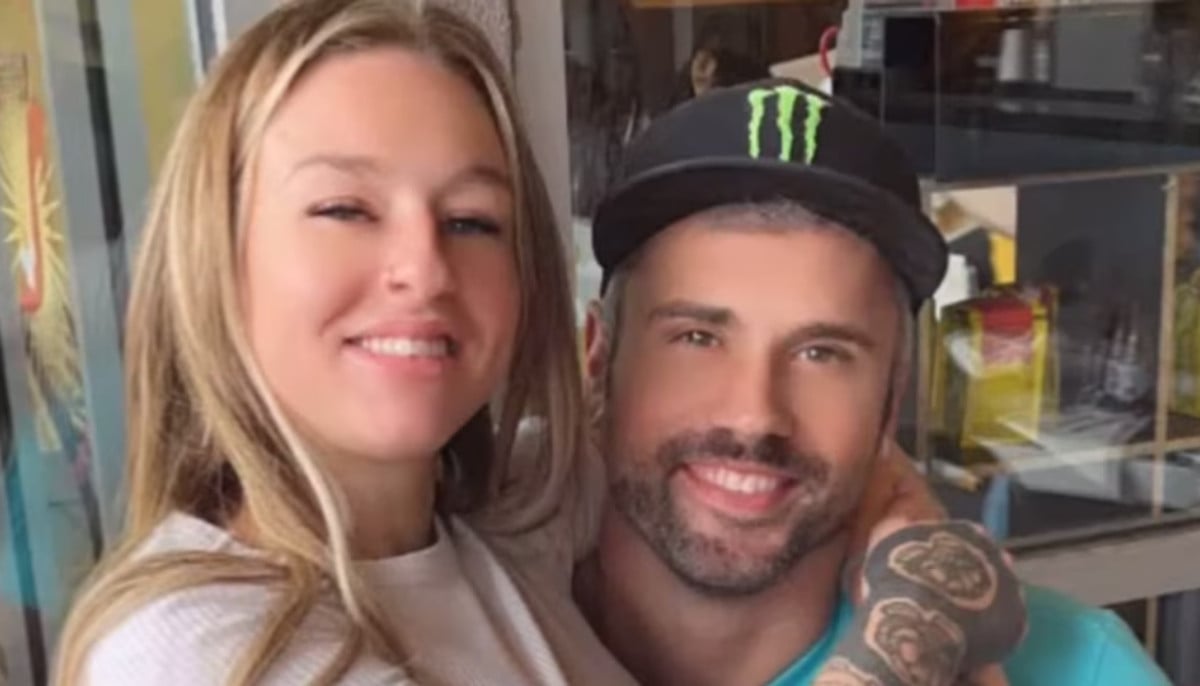
Amanda Conner, wife of Teen Mom star Ryan Edwards, was arrested on Sunday morning near Chattanooga, Tennessee, and charged with driving under the influence and child abuse and neglect after allegedly getting behind the wheel with the couple’s baby daughter in the car.
According to TMZ, which first reported the arrest, Conner was also charged with driving on the wrong side of the road.
A dispatch call obtained by the outlet indicated that it was her husband who alerted police, having grown concerned that she may have taken narcotics before leaving the house with the baby.
Her bond was set at $16,000, and she had not been released by 4:30 p.m. local time on Sunday. A court hearing has been scheduled for 3 June.
Conner, 35, and Edwards, 37, married in September 2025, just some time after he finalised his divorce from his previous wife, Mackenzie Standifer.
The pair had been friends for years before beginning a relationship in September 2023. Together they share a one-year-old daughter, Presley, who was in the car at the time of the alleged incident.
The arrest arrives against a complicated family backdrop.
Edwards has had a well-documented history of addiction and legal troubles stretching back years, including a 2023 court order requiring him to seek help for substance abuse following a series of arrests involving Standifer.
He is also father to Bentley, 17, with fellow Teen Mom original cast member Maci Bookout, as well as Jagger, 7, and Stella, 6, with Standifer.
Bookout, who married Taylor McKinney in 2016 and shares two children with him, has spoken candidly in the past about the toll Edwards’ struggles have taken.
“Obviously, when things first went down with Ryan and him having to go to jail and making stupid decisions and stuff, I definitely had a breaking point then,” she shared.
She described therapy and self-compassion as the tools that helped her through.
“I think the therapy I had done previously… and just making sure that I check in with myself and that I give myself grace and that I let myself fall apart and then pick myself back up is a game changer.”
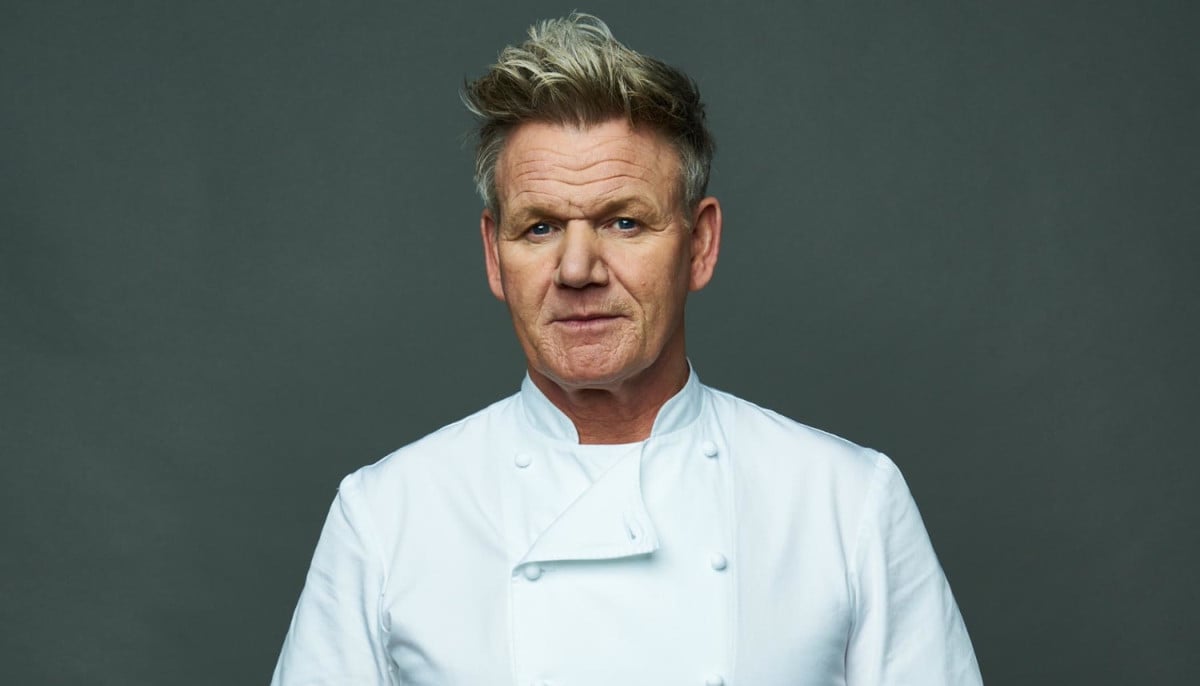
Gordon Ramsay may have built his reputation on Michelin stars and television fireworks, but when it comes to raising his six children, the lesson he holds above all others is a rather simpler one.
Speaking to Fox News Digital in an interview published on Sunday, 24 May, the 59-year-old chef revealed what he considers the single most important thing he has instilled in his kids.
“The one thing I’ve taught them all, brilliantly, are manners,” he said, adding with characteristic directness: “The most important thing in life, but they cost zero.”
Ramsay shares his six children, Megan, 28, Holly, 26, Jack, 26, Matilda, 24, Oscar, 7, and Jesse, 2, with his wife Tana.
On the professional front, one of his children appears to be following closely in his footsteps.
Ramsay spoke to PEOPLE in February about his daughter Matilda, known as Tilly, who has chosen to pursue a career in food, a decision that clearly delights him.
Ramsay spoke to PEOPLE again at the Fox Upfront event on 11 May, where he was celebrating the renewal of several of his shows including Hell’s Kitchen, Kitchen Nightmares, Next Level Chef, Next Level Baker, Gordon Ramsay’s Secret Service and Gordon Ramsay’s Being Gordon Ramsay.
Asked which of his six shows currently on air is his favourite, he reached for a familiar metaphor.
“I have six shows on air right now. That’s like saying, I have six kids as well, what’s my favourite kid? It depends, it’s the one that least pisses me off at the moment.”
Six kids, six shows, and a firm belief in the power of a please and a thank you. Not a bad philosophy, all things considered.


Net employment in Australia drops by 18,600 MoM in April: ABS

Zayn Malik thanks fans after ‘epic’ Konnakol Tour opening night

Travis Head and wife Jessica suffer online abuse after Kohli spat

-

 Entertainment1 week ago
Where Pete Davidson, Elsie Hewitt stand after breakup: Details revealed
-

 Politics1 week ago
Rising diesel costs from Iran war strain US school budgets
-

 Tech1 week ago
Why Is Your Grill So Dumb? The Best Grills Set Temp Like an Oven
-

 Tech1 week ago
This Solar-Powered Smart Sprinkler Keeps My Lawn Watered Without Any Power Cables
-
 Fashion6 days ago
Nigeria Kwara Garment Factory, KWS Garment Production Village ink pact
-
 Sports1 week ago
Pakistan steady after Das ton | The Express Tribune
-

 Entertainment1 week ago
Princess of Wales praised as ‘step ahead’ of royal family
-

 Fashion1 week ago
India’s Pearl Global’s FY26 revenue crosses $521 mn milestone