

Business
Silver Crosses Rs 4 Lakh, Gold Above Rs 1.75 Lakh: Check 22k And 24k Rates In Your City On January 29


Last Updated:
Gold Rates Today, January 29: The price of 24-carat gold rises to its record high of Rs 1,78,750 per 10 grams in Mumbai, while 22k gold is available at Rs 1,63,950 per 10 grams.



Gold and Silver Rates Today, January 29.
Gold and Silver Rates Today, January 29: Bulls continue to hold charge at the bullion street, with gold surging past Rs 1,75,000 per 10 grams and silver crossing the Rs 4,00,000 per kg mark for the first time ever. The surge comes following a price jump in the international market, where gold has crossed $5,600 an ounce and silver has surpassed $120 an ounce, amid increased safe-haven buying and the rupee depreciation.
In Mumbai, the price of 24-carat gold rose to its record high of Rs 1,78,750 per 10 grams, while 22k gold was available at Rs 1,63,950 per 10 grams. These rates do not include GST and making charges. Silver also touched its fresh all-time high of Rs 4,10,000 per kg in the spot market.
What Is The Price Of 22kt, 24kt Gold Rates Today In India Across Key Cities On January 29?
| City | 22K Gold (per 10gm) | 24K Gold (per 10gm) |
|---|---|---|
| Delhi | Rs 1,64,100 | Rs 1,79,000 |
| Jaipur | Rs 1,64,100 | Rs 1,79,000 |
| Ahmedabad | Rs 1,64,000 | Rs 1,78,900 |
| Pune | Rs 1,63,950 | Rs 1,78,750 |
| Mumbai | Rs 1,63,950 | Rs 1,78,750 |
| Hyderabad | Rs 1,63,950 | Rs 1,78,750 |
| Chennai | Rs 1,63,950 | Rs 1,78,750 |
| Bengaluru | Rs 1,63,950 | Rs 1,78,750 |
| Kolkata | Rs 1,63,950 | Rs 1,78,750 |
In the international market, US spot gold extended its blistering rally on Thursday to hit a record high just shy of $5,600 an ounce, as investors sought safety amid geopolitical and economic uncertainties, while silver came within a whisker of breaching the $120 mark.
Spot gold shot up 2.7% to $5,542.29 an ounce by 0149 GMT, after hitting a record $5,591.61 earlier in the day.
“Growing US debt and uncertainty created by signs that the global trade system is splintering into regional blocs as opposed to a US-centric model (are leading investors to pile into gold),” said Marex analyst Edward Meir.
Prices jumped past the $5,000 mark for the first time on Monday and have gained more than 10% so far this week, driven by a cocktail of factors including strong safe‑haven demand, firm central bank buying and a weaker dollar.
“Gold is no longer just a crisis hedge or an inflation hedge; it is increasingly viewed as a neutral, and a reliable store of value asset that also provides diversification across a wider range of macro regimes,” OCBC analysts said in a note.
Gold has gained more than 27% this year following a 64% jump in 2025.
What Factors Affect Gold Prices In India?
International market rates, import duties, taxes, and fluctuations in exchange rates primarily influence gold prices in India. Together, these factors determine the daily gold rates across the country.
In India, gold is deeply cultural and financial. It is a preferred investment option and is key to celebrations, particularly weddings and festivals.
With constantly changing market conditions, investors and traders monitor fluctuations closely. Staying updated is crucial for effectively navigating dynamic trends.
 Click here to add News18 as your preferred news source on Google.
January 29, 2026, 09:56 IST
Read More






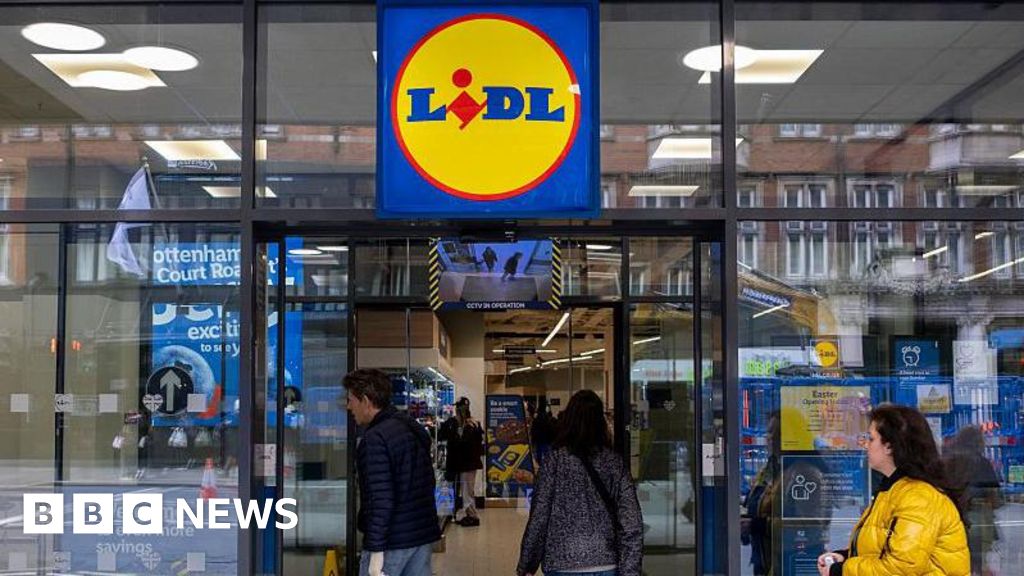
Under the changed system customers collect points rather than reward coupons, with £1 spent equalling one point.
Source link
Business
Sugarcane price hike: Govt raises FRP to Rs 365/quintal for 2026-27, farmers to benefit from higher returns – The Times of India

The government has increased the fair and remunerative price (FRP) of sugarcane by Rs 10 to Rs 365 per quintal for the 2026-27 season beginning October, PTI reported.The decision was approved by the Cabinet Committee on Economic Affairs (CCEA), chaired by Prime Minister Narendra Modi.“The FRP will be Rs 365/quintal for a basic recovery rate of 10.25 per cent,” Union Minister Ashwini Vaishnaw said after the meeting.The revised FRP is 2.81 per cent higher than the current rate of Rs 355 per quintal for the 2025-26 season.For every 0.1 per cent increase in sugar recovery above 10.25 per cent, the FRP will rise by Rs 3.56 per quintal, providing an incentive to mills for higher efficiency.To safeguard farmers supplying to mills with lower recovery rates, the government has decided that there will be no deduction in FRP for recovery below 9.5 per cent. In such cases, farmers will receive Rs 338.3 per quintal in the 2026-27 season.The production cost of sugarcane for 2026-27 has been estimated at Rs 182 per quintal, making the FRP 100.5 per cent higher than the cost.“Farmers are expected to get more than Rs 1 lakh crore,” Vaishnaw said.The move is expected to benefit nearly one crore sugarcane farmers, along with farm labourers and workers engaged in sugar mills.The FRP has been fixed based on recommendations of the Commission for Agricultural Costs and Prices (CACP) and consultations with state governments and stakeholders.The sugar sector supports the livelihoods of around five crore farmers and their families, and about five lakh workers directly employed in sugar mills, besides those involved in related activities such as transportation.Sugar mills are required to purchase sugarcane from farmers at the FRP or higher.Vaishnaw said the FRP has been increased every year over the past decade, and the latest revision will also support ethanol production from surplus sugarcane.On cane dues, he said that in the 2024-25 season, about Rs 1,02,209 crore, or nearly 99.5 per cent, of the total payable dues of Rs 1,02,687 crore had been cleared as of April 20, 2026.For the ongoing 2025-26 season, Rs 99,961 crore, or 88.6 per cent, has been paid out of total dues of Rs 1,12,740 crore.
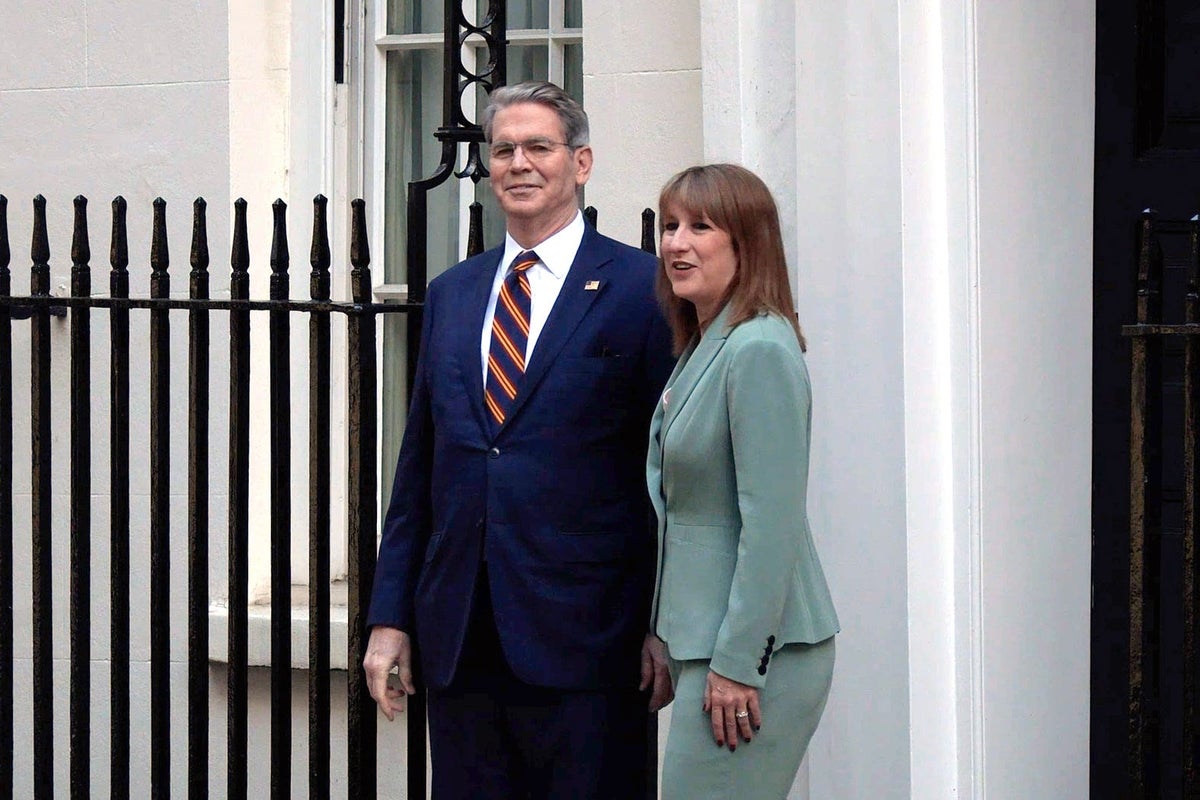
Downing Street would not deny reports that Chancellor Rachel Reeves rowed with her US counterpart during a visit to Washington DC earlier this year.
Ms Reeves had an argument with Scott Bessent when she visited the US capital for the International Monetary Fund’s spring meetings, according to the Financial Times.
The Chancellor publicly criticised the US-led war against Iran before travelling across the Atlantic, prompting Mr Bessent to berate her on the sidelines of the gathering, the newspaper reported.
Ms Reeves reportedly hit back that she did not work for the US treasury secretary, and disliked how he had spoken to her, before reiterating her argument that America lacked clear goals going into the conflict and was not making the world safer.
On Tuesday, the Prime Minister’s official spokesman was asked if he would steer away from the reports, and appeared not to.
He did however insist Ms Reeves and her US counterpart have had “constructive” engagements since the Washington DC visit.
The spokesman said: “We would not get into private conversations. The Chancellor and the US treasury secretary have a good relationship.
“They have had constructive conversations together since the Chancellor’s visits to Washington.
“I think there is a readout from the US Department of Treasury, which made clear the productive nature of their relationship.”
The Chancellor emerged as one of the most outspoken UK Government critics of the US decision to go to war in Iran before travelling to the IMF meetings in April.
At the time, she described the war as a “folly” and said: “This is a war that we did not start. It was a war that we did not want.
“I feel very frustrated and angry that the US went into this war without a clear exit plan, without a clear idea of what they were trying to achieve.”


Oprah’s Book Club: Author Douglas Stuart reads “John of John” excerpt
Lidl’s loyalty card becomes less generous, shoppers say

Pakistan ‘hopeful’ efforts will lead to early resolution of US-Iran conflict: DPM Dar

-

 Tech1 week ago
A Brain Implant for Depression Is About to Be Tested in Humans
-

 Tech1 week ago
Almost 90% of women leave tech industry within 10 years | Computer Weekly
-

 Sports1 week ago
Pro wrestling star Steph De Lander reveals how colleague’s advice helped lead her to title triumph at ACW
-
 Business1 week ago
‘I had £20,000 stolen and had to fight a 13-month fraud reporting rule to get it back’
-

 Entertainment1 week ago
Norway joins Type 26 Frigate Programme to boost NATO naval power
-

 Entertainment1 week ago
Melania Trump says ABC should ‘take a stand’ on late-night host Kimmel
-

 Tech1 week ago
This Ambitious Laptop Doesn’t Leave Much Room for Your Hands
-
 Business6 days ago
PSX plunges over 4,800 points | The Express Tribune