

Business
Pak Suzuki seeks auto policy push for parts localisation | The Express Tribune

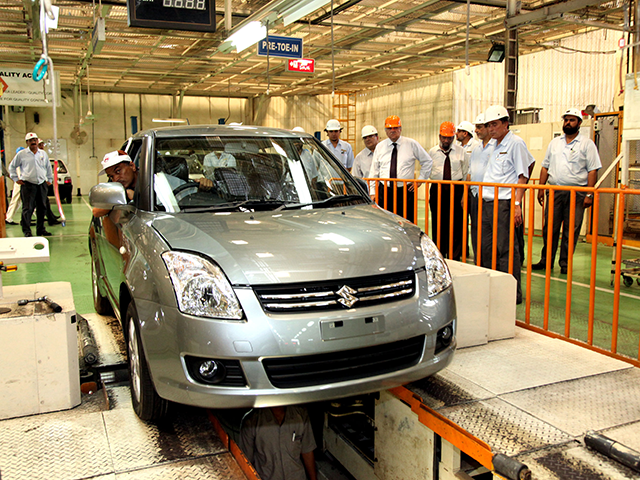
Pakistan in March announced a new auto policy that favours potential new entrants over existing manufacturers. PHOTO: PAK SUZUKI
LAHORE:
Managing Director and Chief Executive Officer Pak Suzuki Motor Company Limited Hiroshi Kawamura said the company is looking forward to a new auto policy that encourages greater localisation of parts.
“Suzuki continues assisting in the development of Pakistani vendor companies so they can meet global standards,” Kawamura said while talking to the media at the SME Cluster Expo in Lahore the other day. He said foreign investment is extremely important for Pakistan, not only for bringing in overseas dollars but also for transferring technology and building industrial capability. “Pakistan needs strong SMEs, and it also needs strong foreign partners. This Expo plays an important role in connecting SMEs with large industry, opening new opportunities and strengthening Pakistan’s industrial ecosystem.
“I would also like to express our sincere appreciation to SMEDA. Your efforts to support SMEs across Pakistan are essential for the country’s industrial future, and we are pleased to be part of this mission,” he said. The SME Cluster Expo was organised by SMEDA (Small and Medium Enterprise Development Authority and the Ministry of Industries), in which over 174 micro, small and medium entrepreneurs showcased their products and explored opportunities. Mashood Khan, Director SMEDA, said SMEs play a critical role in the national economy by contributing significantly to employment and exports, as SMEs employ nearly 25 million Pakistanis and contribute approximately Rs2.8 billion in exports.
“This clearly demonstrates that SMEs are not small in impact; they are the backbone of our economy, with vast untapped potential. However, unlocking this potential requires timely, practical and bold policy action,” Khan said.
He added that the resilience and innovation of SMEs are driving Pakistan’s industrial growth and that, with the right policy support, SMEs can unlock their full potential and boost the national economy. “We must recognise a fundamental reality: Pakistan’s economic resilience, industrial growth and export expansion depend heavily on SMEs,” he said.
Khan noted that during the Covid-19 pandemic, SMEs stepped forward, localised production, filled supply gaps and ensured continuity with limited resources but unlimited commitment.
He said the event drew significant interest from national companies and consumers, with many MSMEs securing orders and sales, while the Expo is expected to pave the way for future collaborations and growth opportunities for Pakistan’s MSMEs.




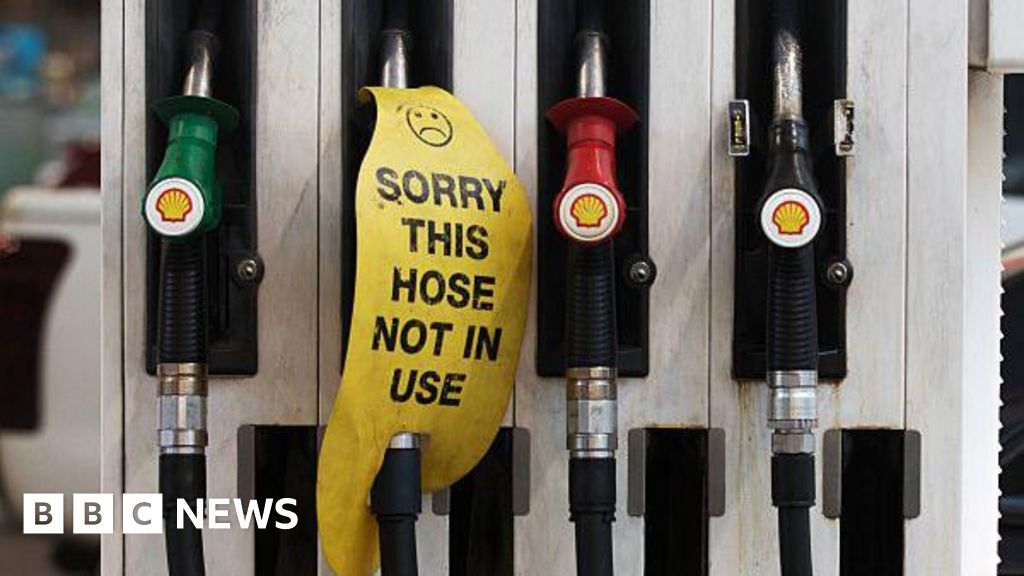
Anthony Albanese says nation’s supply remains “secure” amid reports of panic buying and shortages.
Source link

A woman has been awarded $6m in a verdict that could have implications for hundreds of other cases in the US.
Source link
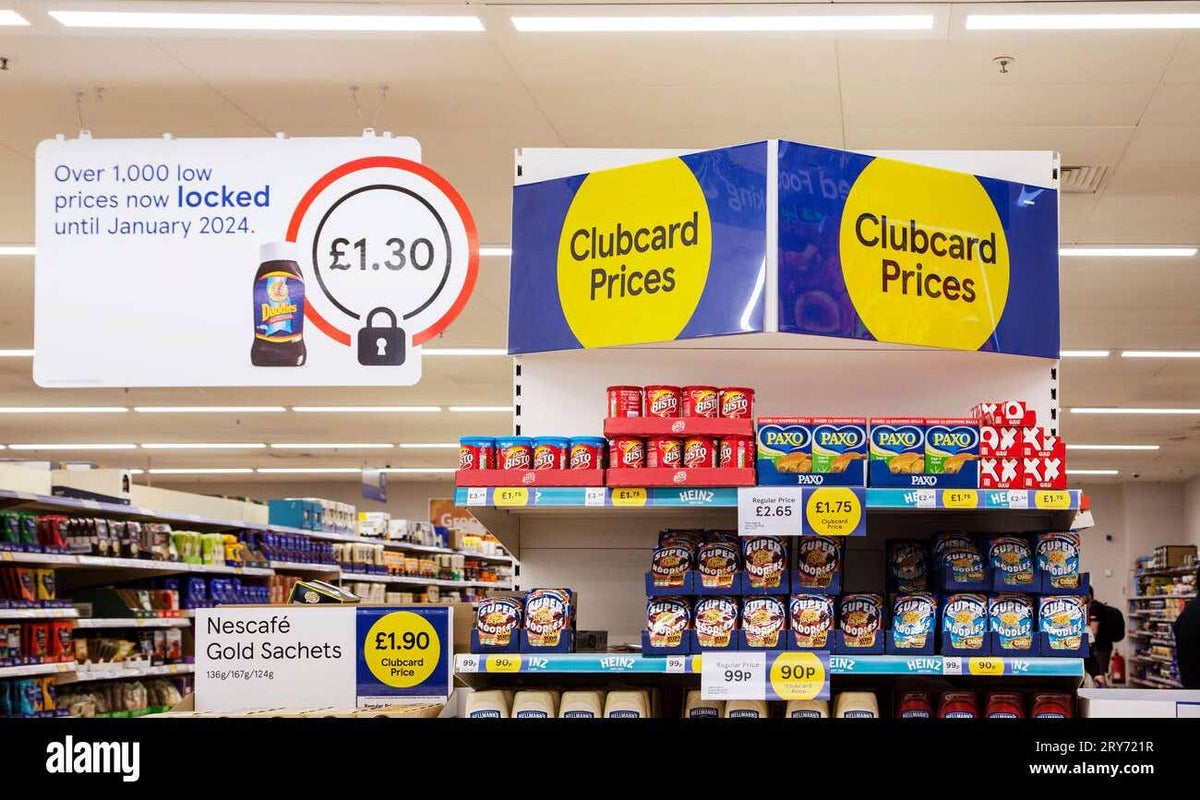
Tesco and Sainsbury’s customers are paying more than Waitrose shoppers for some common branded groceries if they are not using a loyalty scheme, analysis by Which? has found.
The watchdog compared a list of 245 branded items including Heinz, Nescafe and Mr Kipling in February, finding that it was, on average, most expensive for customers at Sainsbury’s and Tesco who were not using the Nectar or Clubcard loyalty schemes.
Which? acknowledged that most shoppers are part of a membership scheme, but said some may be unwilling to sign up to loyalty cards for reasons such as data privacy, while others have no choice because of eligibility criteria.
Tesco customers who are under 18 can not sign up to a Clubcard, although the supermarket has announced it will review this before the end of the year.
The Which? list of items was most expensive at Sainsbury’s for non-Nectar members at £942.66 – 14% more than the cheapest retailer in the study Asda, which cost £823.58.
Tesco followed behind Sainsbury’s, with its non-Clubcard price totalling 11% more than Asda at £916.56.
Which? said it did not include discounters Aldi and Lidl in the study because they did not stock a sufficiently large range of branded goods.
Both Tesco and Sainsbury’s – the UK’s two largest grocers – were more expensive for non-members of their loyalty schemes than Waitrose, which cost £899.05.
Waitrose was 9% more expensive than Asda and emerged as a “more competitive option”, Which? said.
Which? found several products that were cheaper at Waitrose, including Amoy Straight To Wok Noodles, which were on average £1.25 at both Waitrose and Morrisons but most expensive at Sainsbury’s and Tesco without a loyalty card at an average of £2.15 – a 72% difference.
Sea salt and vinegar Ryvita Thins were also cheapest on average at Waitrose at £1.25, but shoppers buying this product at Morrisons, Tesco, and Sainsbury’s without a loyalty card would all have paid an average of £2.30, making them 84% more expensive.
For customers with a Clubcard, Which? found that the same list of groceries at Tesco fell to £837.43 on average – just 2% more expensive than Asda.
Which? found various instances of branded products where the Tesco Clubcard price was the cheapest on average.
Carex Hand Wash was 95p at Tesco with a Clubcard but £1.70 at Waitrose where it was the most expensive.
Another example showed Kellogg’s Crunchy Nut cornflakes was £1.55 on average in February, while the highest average price among the supermarkets was at Waitrose where it cost £2.50.
Which? said the figures showed the “dramatic price gulf” created by loyalty pricing.
In one example at Tesco, Which? found a 200ml bottle of L’Oreal Paris Elvive Bond Repair Shampoo was double the price on average for shoppers without a Clubcard – at £13 compared to £6.50.
The higher price was also found at both Morrisons and Sainsbury’s.
Which? found that a 200g jar of Kenco Smooth coffee cost shoppers at Tesco and Sainsbury’s without a loyalty card £8.35 – the highest price on the market.
In contrast, the same jar was £7 at Waitrose and £6.32 at Asda, on average.
Similarly, Waitrose had the cheapest average price for Nescafe Gold Blend at £6.25, while non-members at Sainsbury’s were asked to pay £8.35.
Meanwhile, Which? found customers who used a Nectar card at Sainsbury’s could expect to pay only 3% more than Asda at £848.56 for the entire list of items.
Morrisons averaged 4% more expensive than Asda when using a More card and 5% more expensive without one.
Ocado was also 5% more expensive than Asda.
Which? retail editor Reena Sewraz said: “Our analysis reveals a shocking truth and shows the impact loyalty schemes have had on grocery pricing.
“Branded favourites can actually be cheaper at Waitrose than at the UK’s biggest supermarkets for shoppers who don’t use a loyalty card – something that would have seemed unthinkable until a few years ago.
“If you’ve got your heart set on specific brands, your best bet is to shop around, keep a close eye on the unit price, and stock up whenever you see a good deal – otherwise, you’re likely to end up paying way over the odds.
“While loyalty cards definitely offer some savings, if you don’t use one you’re better off heading to Asda, where the pricing is usually cheaper on a range of branded goods.”
A Sainsbury’s spokesman said: “We have invested over £1 billion in recent years to help keep prices low and we know more customers are choosing to do their shop at Sainsbury’s.
“We are committed to helping customers access great quality at lower prices and remain focused on offering outstanding value across thousands of products through our Aldi price match scheme, Nectar prices, Your Nectar Prices and our own-brand value lines.”
A spokesman for Tesco said: “It’s no secret that Tesco Clubcard unlocks exceptional savings for the 24 million UK households who have one.
“More than 80% of our sales are made with a Clubcard – but it’s just one of the ways our customers get great value.
“Though everyday low prices we keep prices consistently low on thousands of branded products, and our Aldi price match ensures shoppers can be confident they’re getting competitive prices.”


WTO launches 3rd phase of Enhanced Integrated Framework

Time to hold the line

Vietnam overtakes China in US jackets, blazers imports

-
 Fashion1 week ago
Sales at US apparel, clothing accessories stores up 4% YoY in Jan 2026
-

 Entertainment1 week ago
Val Kilmer revived 1 year after death through AI
-
 Fashion1 week ago
US’ G-III Apparel’s FY26 sales fall 7% to $2.96 bn
-

 Sports1 week ago
March Madness 2026 – How to watch in SA, start time, schedule, TV channel for NCAA championship basketball tournament
-
 Business1 week ago
Brits cashing in jewellery as gold price hits record high
-

 Fashion6 days ago
China’s textile & apparel exports surge 17% to $50 bn in Jan-Feb 2026
-
 Business1 week ago
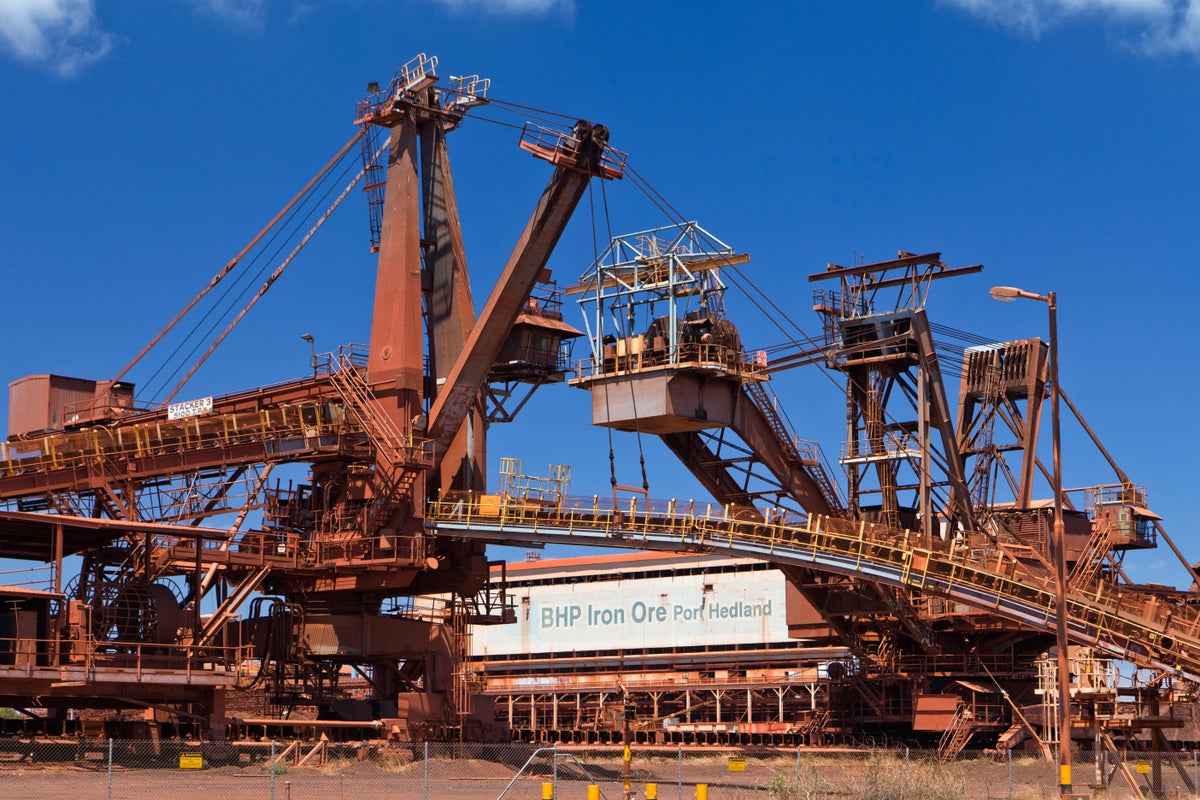
World’s largest mining group names new chief executive
-

 Fashion1 week ago
Suez and Hormuz shut together, triggering global supply shock