

Fashion
Heritage-rich Indian carpets poised to tap EU luxury interiors: CEPC

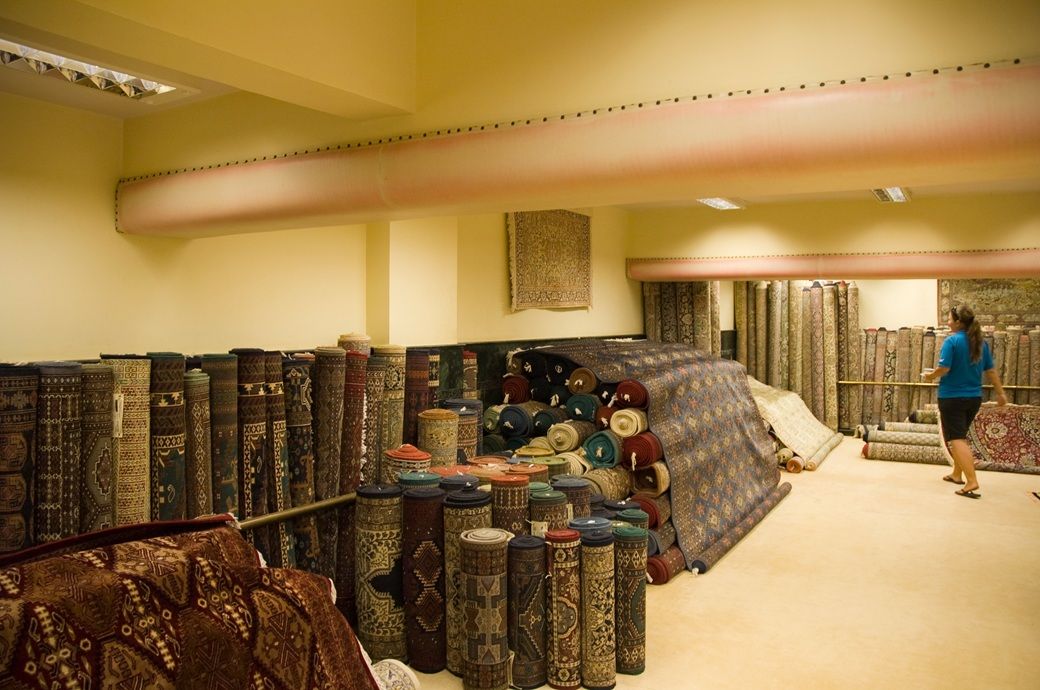
The agreement places strong emphasis on labour-intensive sectors, including handmade carpets, rugs, handicrafts and textile products. For the carpet industry, the removal of tariff barriers is expected to significantly enhance competitiveness in Europe, a market where duties earlier constrained export growth and price positioning.
The India-EU FTA is set to transform India’s handmade carpet industry, with CEPC highlighting tariff elimination as a key enabler for access to premium European markets.
Preferential access is expected to boost price competitiveness, support MSMEs and artisan livelihoods, and reinforce India’s positioning in luxury home décor and sustainable, heritage-led sourcing, CEPC said.
India’s handmade carpet sector, rooted in long-established clusters such as Bhadohi, Mirzapur and Varanasi in Uttar Pradesh, Panipat in Haryana, Jaipur and Bikaner in Rajasthan, and Srinagar in Jammu & Kashmir, has shown resilience despite prolonged global headwinds. With carpets now covered under preferential access, exporters anticipate improved market penetration and renewed momentum across these regions.
CEPC noted that the benefits of the FTA will extend beyond large exporters to MSMEs and rural artisan units engaged in weaving and finishing activities. Easier access to the EU market is expected to boost price competitiveness, strengthen integration with European supply chains and support employment generation, particularly for women and youth in traditional carpet-making clusters. The council also highlighted that Indian carpets with their strong heritage value and design appeal are well positioned to cater to premium home décor and luxury interiors segments in Europe.
Captain Mukesh Kumar Gombar, Chairman, CEPC, said, “The India-EU FTA represents a transformational milestone for our handmade carpet sector. Eliminating tariffs will unlock expanded access to Europe’s large and sophisticated markets, allowing Indian carpets to compete more effectively on value, quality and sustainability. This benefit will be felt across carpet clusters in Bhadohi, Mirzapur, Varanasi and Srinagar, empowering artisans and micro and small exporters to scale new heights of global demand.”
Aslam Mahboob, Vice Chairman, CEPC, added, “With preferential market access under the India-EU FTA, the handmade carpet industry can now look forward to enhanced export prospects, improved price realisation, and deeper engagement with European buyers. This will reinforce India’s position as a trusted supplier of high-quality, handcrafted rugs and carpets and as a partner of choice for sustainable and ethical sourcing.”
CEPC reaffirmed its commitment to working closely with the government and industry stakeholders to ensure effective implementation of the agreement and to maximise its benefits for the handmade carpet sector. The council also noted that the FTA aligns with India’s broader India@2047 vision of building a resilient, competitive and inclusive economy, while creating sustainable growth opportunities for traditional and labour-intensive industries such as handmade carpets and rugs.
Fibre2Fashion News Desk (CG)












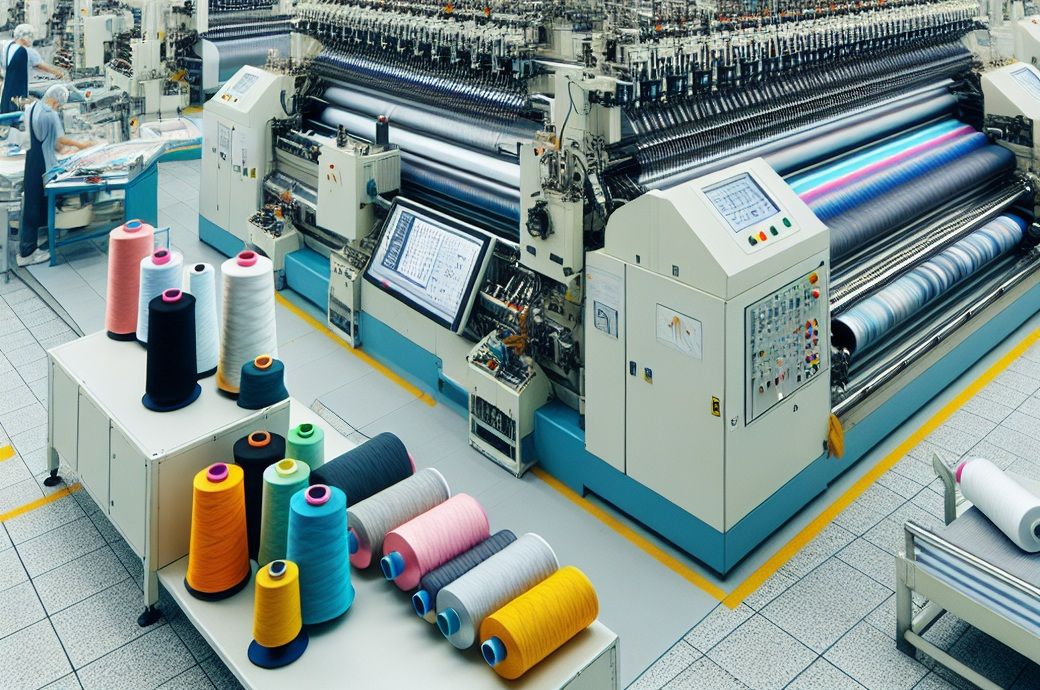
Geopolitical tensions are raising textile costs by 10-15 per cent, disrupting supply chains and slowing apparel trade.
Synthetic segments are facing pressure, while cotton remains stable.
Technical textiles are surging, driven by defence and industrial demand.
The industry is shifting from volume apparel to high-value, performance-driven textiles.
Source link

Hawley received the award from former Vogue editor Anna Wintour and actor Anne Hathaway, thanking the Academy and her creative team while describing costume designers as “artisans, alchemists and dream weavers.”
The film, directed by Guillermo del Toro and inspired by Mary Shelley’s classic novel Frankenstein; or, The Modern Prometheus (published in 1818), features richly layered costumes that blend Victorian aesthetics with gothic fantasy. Hawley’s designs employ colour symbolism and intricate textures to reinforce the narrative’s themes of life, death and obsession.
New Zealand costume designer Kate Hawley won the Best Costume Design award at the Academy Awards (Oscars) for the film Frankenstein.
Her elaborate, colour-driven costumes blend gothic aesthetics with Victorian influences, using symbolism and layered textures to enhance the film’s narrative and character development inspired by Mary Shelley’s classic novel.
Throughout the film, colour motifs, particularly shades of red, play a central storytelling role, symbolising the memory of Victor Frankenstein’s mother and recurring emotional themes. Victor’s wardrobe combines Romantic-era silhouettes with flamboyant touches inspired by figures such as David Bowie and Mick Jagger, reflecting the character’s rebellious personality.
Hawley also created intricate costumes for Elizabeth, portrayed by Mia Goth, incorporating botanical and insect-inspired patterns and jewellery elements that highlight the character’s connection to nature. The garments were built with multiple layers and textures to create a painterly, atmospheric visual style aligned with the film’s gothic tone.
The Oscar marks Hawley’s first Academy Award and follows earlier recognition for Frankenstein at the Costume Designers Guild Awards, where the film also won in the period film category.
With its dramatic silhouettes, symbolic colour palette and meticulous craftsmanship, the film’s costume design has been widely praised for helping shape the visual identity of del Toro’s ambitious adaptation of the classic tale.
Fibre2Fashion News Desk (CG)

The most traded May 2026 contract settled at 67.18 cents per pound, down 0.13 cent. May contract has recorded cumulative loss of 159 points in the last four sessions.
ICE cotton futures declined as softer crude oil prices and profit booking weighed on the market.
The May 2026 contract settled at 67.18 cents/lb, extending recent losses.
Easing geopolitical tensions reduced polyester costs, while weak sentiment and lower trading volumes added pressure, though stable stocks and outlook limited the downside.
Total trading volume reported at 68,955 contracts, significantly lower than previous week’s average of 106,740 contracts.
The decline in crude oil prices, triggered by easing geopolitical tensions, weighed on cotton through its linkage with polyester prices. Comments by Donald Trump on ongoing US–Iran negotiations—despite Iran’s denial—along with reports of a five-day delay in planned US strikes on Iran’s energy facilities, eased fears of supply disruptions and pressured crude prices.
This development led to a sharp plunge in oil prices, which had been supported earlier due to Middle East tensions. Iran’s denial of talks helped limit further fall in crude oil, thereby capping downside in cotton and grains.
Market sentiment turned weak as prices slipped below recent highs, reflecting profit booking and external pressure.
Market analysts said that Trump’s statements supported equity markets and indirectly stabilised cotton sentiment.
According to BMI Research outlook, US cotton prices expected to average 68–70 cents per pound, supported by competitiveness against synthetic fibres and weaker 2026-27 crop outlook.
According to CFTC data, speculators added 37,050 contracts, shifting from net short to net long position of 3,561 contracts.
ICE deliverable stock (No.2 cotton) remained unchanged at 115,640 bales as of March 20, indicating stable supply availability
This morning (Indian Standard Time), ICE cotton for May 2026 was traded at 66.74 cents per pound (down 0.44 cent), cash cotton at 65.18 cents (down 0.13 cents), the July 2026 contract at 68.91 cents (down 0.40 cent), the October 2026 contract at 71.31 cents (down 0.13 cent), the December 2026 at 71.44 cents (down 0.40 cent) and the March 2027 contract at 72.51 cents (down 0.43 cent)). A few contracts remained at their previous closing levels, with no trading recorded so far today.
Fibre2Fashion News Desk (KUL)


The Men’s 2026 March Madness Pain Index

Kensington Palace shares Prince William’s latest video with major update

Iranian drone strikes hit Israel’s key aerospace industries

-

 Entertainment1 week ago
Strategic oil stocks to be released ‘immediately’ in Asia and Oceania: IEA
-
 Business1 week ago
Stocks and pound rise as US rate call approaches
-

 Tech7 days ago
Justice Department Says Anthropic Can’t Be Trusted With Warfighting Systems
-

 Tech1 week ago
Early Deals From the Amazon Spring Sale That Passed Our BS Test
-

 Sports6 days ago
March Madness 2026 – How to watch in SA, start time, schedule, TV channel for NCAA championship basketball tournament
-

 Fashion1 week ago
Trump signs order to combat fraudulent ‘Made in America’ labels
-
 Business1 week ago
Stocks To Watch: Tata Motors, IndiGo, Jindal Stainless, GMR Airports, Hindalco, And Others
-

 Sports1 week ago
Men’s March Madness 2026 bracket: Get to know all 68 teams