

Business
Pakistan set to pay Rs100bn Chinese energy debt ahead of PM’s Beijing visit | The Express Tribune

ISLAMABAD:
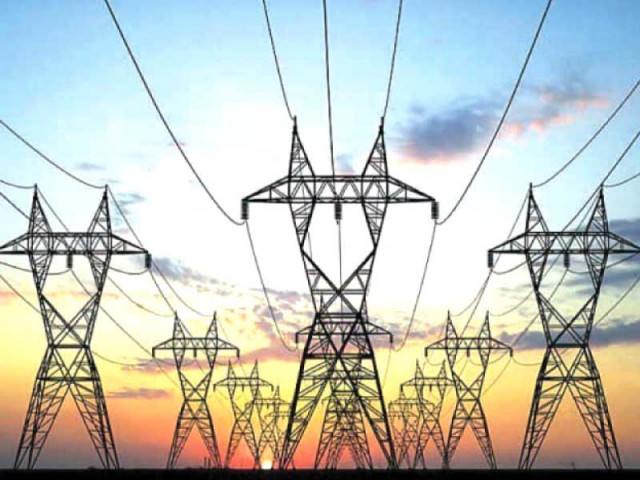
Pakistan has decided to settle over Rs100 billion in dues owed to Chinese power plants ahead of Prime Minister Shehbaz Sharif’s upcoming visit to Beijing, reducing the country’s outstanding obligations to Chinese producers by nearly one-fourth. This move aims to address one of Beijing’s major concerns.
The Ministry of Finance has issued instructions to release the funds from the power sector subsidies earmarked in this fiscal year’s budget, according to government officials. They said that it is expected the Rs100 billion will be disbursed to the Chinese power producers within a couple of days.
In addition to the Rs100 billion, Rs8 billion is also allocated from the regular budget for the Chinese power producers.
The development comes days before PM Shehbaz’s visit to China, where he is set to attend the Heads of State meeting of the Shanghai Cooperation Organization (SCO) this weekend. The premier is also expected to participate in an investment conference organised by the Pakistan embassy.
Read: PSX opens rollover week on turbulent note
Sources said that the PM had instructed the Finance Ministry to clear the Rs100 billion payments to the Chinese Independent Power Producers by August 25.
As of June this year, the outstanding dues for China-Pakistan Economic Corridor (CPEC) power projects amounted to Rs423 billion. After this payment, the Chinese dues will be reduced by one-fourth, bringing the total to just over Rs300 billion.
There was a slow increase in Chinese outstanding dues last fiscal year, but the dues were still accumulating.
Since 2017, the country has already paid Rs5.1 trillion in energy costs to 18 Chinese power plants, which accounted for 92.3% of the billed amount, including interest. Pakistani authorities believe the actual remaining energy cost is less than Rs300 billion, with the rest attributed to late payment surcharges.
The government is in the process of taking nearly Rs1.3 trillion in fresh loans from local commercial banks to retire the circular debt owed to state-owned power plants, nuclear power plants, privately owned plants, and Chinese plants. However, the deal has not yet been formally concluded.
The Rs423 billion unpaid debts violate the 2015 CPEC Energy Framework Agreement, which mandates the government to fully clear the dues, regardless of whether authorities can recover the amounts from end consumers.
Read More: China’s planned Tibet dam sparks water security fears in India
Along with security concerns, non-fulfillment of CPEC contracts is one of the reasons for slow progress in financial and commercial relations between the two nations.
Under the CPEC Energy Framework Agreement, Pakistan was required to create a revolving fund with 21% of the power invoices to protect Chinese firms from the circular debt crisis.
However, the previous government opened a Pakistan Energy Revolving Account at the State Bank of Pakistan in October 2022, with Rs48 billion in annual allocations. But it limited withdrawals to Rs4 billion per month, leading to the current Rs423 billion debt stock.
Out of the Rs48 billion allocations for this fiscal year, the government has processed Rs8 billion in payments for the July-August period, sources said.
The Rs100 billion will be distributed among the Chinese power producers according to their billing, according to Ministry of Energy officials. They said the majority of this amount will go to the three largest coal-fired power plants.
Also Read: KSE-100 races to 150,000 — too fast, too soon?
Pakistan owed Rs87 billion to the imported coal-fired Sahiwal power plant, which has received Rs1.14 trillion in the past eight years of its operations. The country also owed Rs69 billion to the coal-fired Hub power project, compared to the total claims of Rs834 billion.
The outstanding remaining dues of the coal-fired Port Qasim power plant were Rs85.5 billion, against total bills of over Rs1 trillion. The Thar Coal project dues stood at Rs55.5 billion, with total claims amounting to Rs566 billion.
The government’s energy sector circular debt reduced by over Rs800 billion by June this year, thanks to budgetary injections rather than any real improvement in sector performance.
The reported reduction in Circular Debt (CD) for FY 2024-25 is primarily attributed to a one-time stock payment of Rs801 billion, rather than any sustained operational efficiency gains, according to a report by the Federation of Pakistan Chamber of Commerce and Industry (FPCCI) last week.
The report added that this settlement was financed through fiscal measures, not performance improvements in the power sector.
The FPCCI report also stated that the Rs801 billion was originally earmarked as a direct subsidy for consumers. However, it was instead utilised to reduce the circular debt stock, potentially distorting public perception by overstating the success of reforms and underrepresenting the benefit that consumers should have received.
While the headline suggests a net reduction in circular debt, the inclusion of one-off adjustments—such as Prior Year Adjustments totaling Rs358 billion—masks the actual trajectory, the report concluded.
Excluding the Rs801 billion stock payment and the temporary relief from these adjustments, the circular debt has, in fact, increased by approximately Rs379 billion, it added.
Business
Rs 20,000 crore gold, silver rush: What will people buy this Akshaya Tritiya? – The Times of India
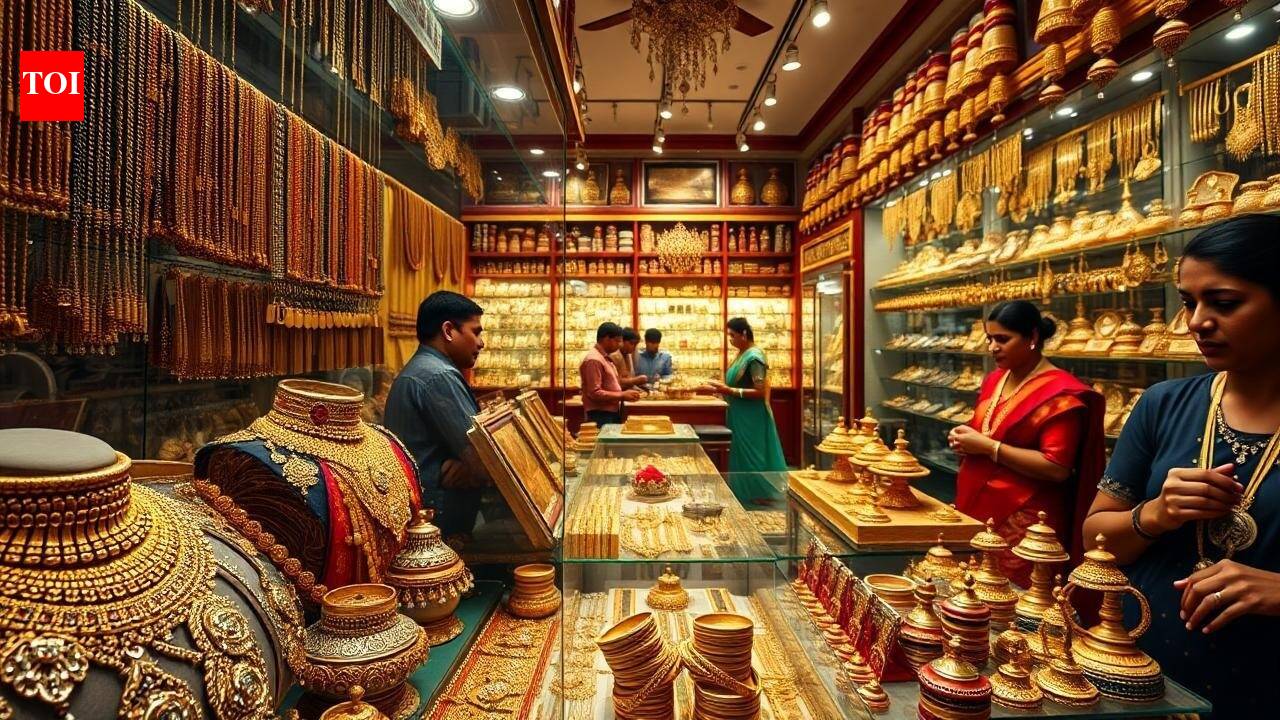
This Akshaya Tritiya, India’s gold and silver markets are heading for bumper purchases, with overall trade likely to cross Rs 20,000 crore even as record-high prices reshape buying patterns. The estimate, shared by the Confederation of All India Traders (CAIT), is higher than last year’s Rs 16,000 crore, signalling growth in value despite a sharp rise in bullion rates.Prices for the yellow metal have surged sharply over the past year, going from Rs 1,00,000 per 10 grams, to Rs 1.58 lakh. Meanwhile, silver has shown a steeper rally, jumping from Rs 85,000 per kilogram to Rs 2.55 lakh per kilogram. According to CAIT, this sharp escalation has not weakened demand, but is instead prompting consumers to make more deliberate and value-oriented purchases.Praveen Khandelwal, member of parliament from Chandni Chowk and secretary general of CAIT told ANI, “Akshaya Tritiya has traditionally been one of India’s most auspicious occasions for purchasing gold… While gold continues to dominate, the nature of purchasing is evolving significantly in response to steep price escalation.”Commenting on customer preference, CAIT national president BC Bhartia highlighted, “There is a clear shift towards lightweight, wearable jewellery, alongside a stronger focus on silver and diamond products. Attractive incentives such as reduced making charges and complimentary gold coins are also helping sustain consumer interest.”Despite the increase in overall trade value, the quantity of metals being sold tells a different story. Pankaj Arora, National President of the All India Jewellers and Goldsmith Federation (AIJGF), an associate of CAIT, explained that the projected Rs 16,000 crore gold trade amounts to nearly 10,000 kilograms (10 tonnes) at current rates. The value, spread across an estimated 2 to 4 lakh jewellers, translates to average sales of only 25 to 50 grams per jeweller, “clearly indicating a sharp decline in volume”.Meanwhile for silver, the estimated Rs 4,000 crore trade corresponds to around 1,56,800 kilograms (157 tonnes), resulting in average sales of about 400 to 800 grams per jeweller during the festival period. “These figures underline a critical shift: while the value of business is expanding due to rising prices, actual consumption is contracting,” Khandelwal said.This gap between value and volume is also reshaping consumer’s buying pattern, with smaller items and lightweight jewellery gaining popularity. At the same time, jewellers are facing challenges due to fluctuating prices, especially when it comes to managing inventory.Even so, festive demand remains steady, with markets witnessing healthy footfall. “Consumers are now adopting a more cautious and pragmatic approach, balancing traditional beliefs with financial discipline,” Khandelwal added.At the same time, it’s not just about physical gold anymore as consumers are increasingly exploring alternatives like digital gold, Sovereign Gold Bonds and gold ETFs, drawn by the promise of liquidity, safety and flexibility when prices are volatile.CAIT and AIJGF have urged jewellers to comply with mandatory hallmarking standards, including HUID certification, and advised buyers to verify the purity and authenticity of their purchases.

Lauren Elcock is among the young Londoners who say rising rents are forcing them to quit the capital.
Source link
As governments across the world restricted the movements of their citizens during Covid lockdowns from 2020, people spent more time online. We bought more online and socialised more online, and this brought us closer to the people who want to scam us. At the same time, realistic video impersonations, voices, websites, and texts became more commonplace, and scammers increased their use of social media including WhatsApp.

Rs 20,000 crore gold, silver rush: What will people buy this Akshaya Tritiya? – The Times of India

Prince Harry corrects blunder before peace with King Charles suffers again
The cost of rising rents: Working four jobs and pushed on to benefits

-

 Entertainment6 days ago
Palace left in shock as Prince William cancels grand ceremony
-

 Sports6 days ago
The case for Man United’s Fernandes as Premier League’s best
-

 Politics1 week ago
Chinese, Taiwanese will unite, Xi tells Taiwan opposition leader
-

 Entertainment1 week ago
Dua Lipa hits major career high ahead of wedding with Callum Turner
-
 Business1 week ago
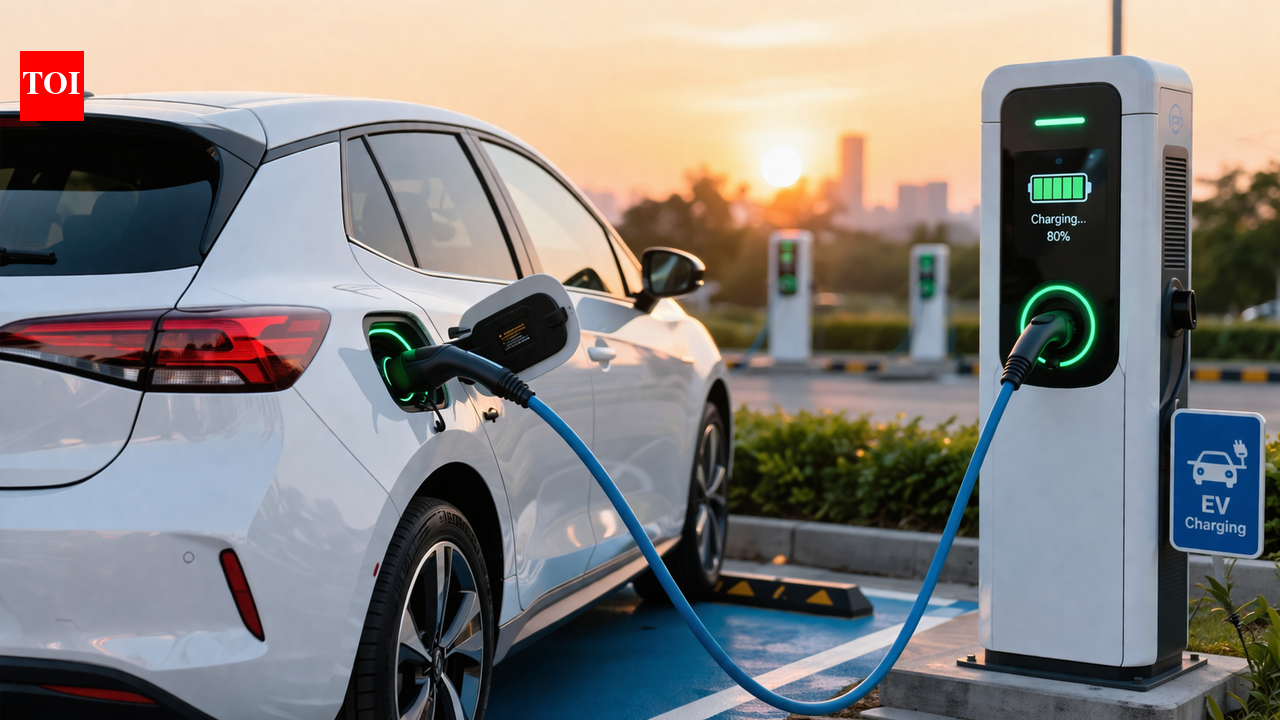
100% road tax waiver for electric cars, new rules for 2, 3 and 4 wheelers – what Delhi govt’s draft EV policy says – The Times of India
-
 Business6 days ago
UK could adopt EU single market rules under new legislation
-
 Business1 week ago
The FAA wants gamers to apply for air traffic control jobs
-

 Sports1 week ago
Lamar Jackson hits back at critics with faithful message on social media