

Fashion
South Korea’s apparel imports decline to $12 bn in 2025


Imports of knitted apparel and clothing accessories (Chapter **) were valued at $*.*** billion in ****, marginally higher than $*.*** billion a year earlier. Knitted categories remained relatively resilient, supported by steady year-round demand for basics and athleisure, even as overall apparel spending moderated amid cautious consumer sentiment.
By contrast, imports of non-knitted apparel and clothing accessories (Chapter **) totalled $*.*** billion, down *.** per cent from $*.*** billion in ****. These segments, which are more dependent on fashion-driven seasonal collections, faced sharper pullbacks as retailers trimmed orders to manage slower sell-through, higher inventories and increased promotional activity.





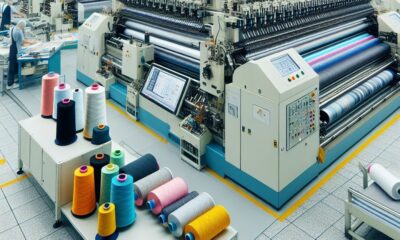





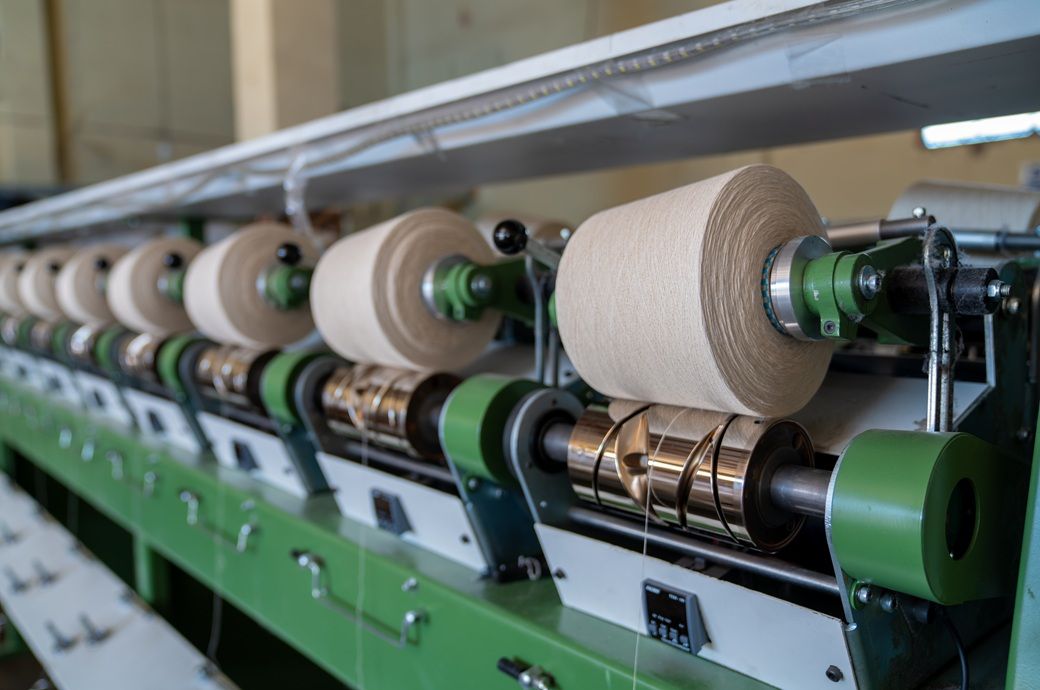
Italy confirms its position among the world leaders in the textile machinery sector, thanks to a solid and highly specialized production system. The industry stands out for its strong international vocation, with a predominant share of production destined for foreign markets (86% of its sales) and a consolidated presence in over 130 countries. This places the country among the top global exporters of textile technology, renowned for its quality, innovation, and reliability.
In the first eleven months of 2025, sales in Germany have already reached 81 million euros. Among the most requested technologies, accessories stand out (36%), followed by finishing machinery (33%)—the latter being essential for the production processes of the most innovative textile sectors.
Italy’s textile machinery sector will showcase advanced, customised technologies at Techtextil 2026 in Frankfurt, reinforcing its global leadership.
With 86 per cent exports across 130+ countries and €81 million (~$93.71 million) sales in Germany, innovation-driven SMEs and strong demand for accessories and finishing machinery continue to drive growth in technical textiles.
The strength of Italian textile machinery lies in its dynamic structure, composed of small-to-medium-sized companies that are heavily oriented toward Research & Development. This flexibility allows Italian manufacturers to collaborate closely with end-users, transforming customer needs into highly personalized and versatile technological solutions.
“The growing demand for innovative textiles across various industrial fields is further consolidating our manufacturers’ position,” emphasizes Marco Salvadè, President of ACIMIT. “At Techtextil 2026, the Italian offering will once again demonstrate how the combination of high technology and customization capabilities is the key to meeting the challenges of the technical textiles sector.”
Italian expertise, rooted in historic districts such as Bergamo, Biella, Brescia, Como, Milan, Prato, and Vicenza, continues to guarantee standards of quality and reliability that make Made in Italy a point of reference for the entire global industry.
Note: The headline, insights, and image of this press release may have been refined by the Fibre2Fashion staff; the rest of the content remains unchanged.
Fibre2Fashion News Desk (MS)
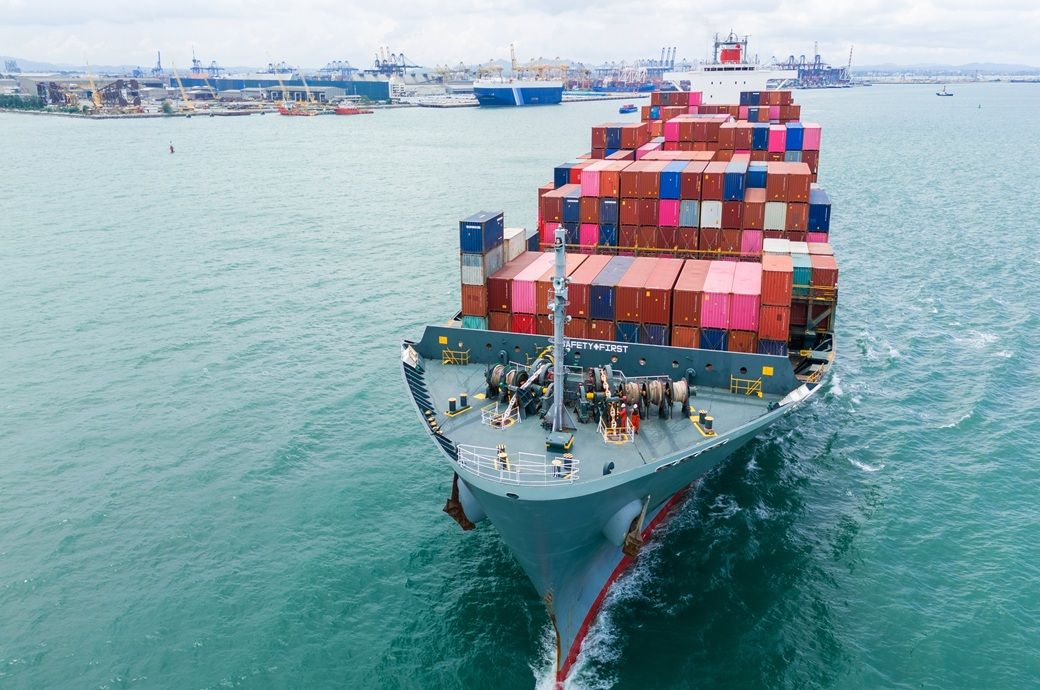
Cold-chain infrastructure remains limited, with around 8,815 storage facilities and a capacity of 40.21 million metric tonnes, the March 2026 report, titled ‘Transforming India’s logistics ecosystem’, noted.
Despite India’s national average logistics cost being down to 7.97 per cent of GDP from 14 per cent earlier, several regions face significantly higher logistics costs due to uneven infrastructure and connectivity, a FICCI-Grant Thornton report said.
Cold-chain infrastructure remains limited.
Non-standard warehousing causes delays, higher costs and inconsistent supply-chain performance, it noted.
As planning was historically fragmented across departments, deep alignment gaps remain.
Non-standard warehousing causes delays, higher costs and inconsistent supply-chain performance, it remarked.
Due to cold chain imbalance and reefer underuse, state-level demand mismatches persist, while refrigerated transport remains significantly underutilised nationwide.
Persistent structural challenges include fragmented infrastructure and limited multimodal integration; continued dependence on road-based freight due to coordination gaps across transport modes; limited adoption of automation; and labour-intensive warehousing and logistics operations, resulting in higher error rates, longer turnaround times and limited scalability, according to the report.
Technology is becoming central to logistics planning and execution, with artificial intelligence-driven demand forecasting and routing, digital twins for warehouse and network design, and IoT-enabled visibility across storage and transport improving decision making, the report added.
Control tower models are enabling real-time coordination and faster response to disruptions, while platforms like ULIP provide the digital backbone for interoperable, multimodal logistics, the report mentioned.
Fibre2Fashion News Desk (DS)


2026 NFL draft team needs: Depth chart holes, prospect fits

China’s coal-to-chemicals: Winning the Iran war energy crisis

King Charles hopes for peace in new message as US tour hangs in balance

-

 Fashion1 week ago
Sales at US apparel, clothing accessories stores up 4% YoY in Jan 2026
-

 Tech1 week ago
Justice Department Says Anthropic Can’t Be Trusted With Warfighting Systems
-

 Entertainment1 week ago
Val Kilmer revived 1 year after death through AI
-

 Sports1 week ago
March Madness 2026 – How to watch in SA, start time, schedule, TV channel for NCAA championship basketball tournament
-
 Business1 week ago
Stocks and pound rise as US rate call approaches
-
 Business1 week ago
Brits cashing in jewellery as gold price hits record high
-

 Politics1 week ago
Iran strikes Tel Aviv with cluster-warhead missiles in retaliation of Larijani’s martyrdom
-

 Fashion1 week ago
US’ G-III Apparel’s FY26 sales fall 7% to $2.96 bn