

Politics
Iran and US views on sanctions relief differ, says Iranian official

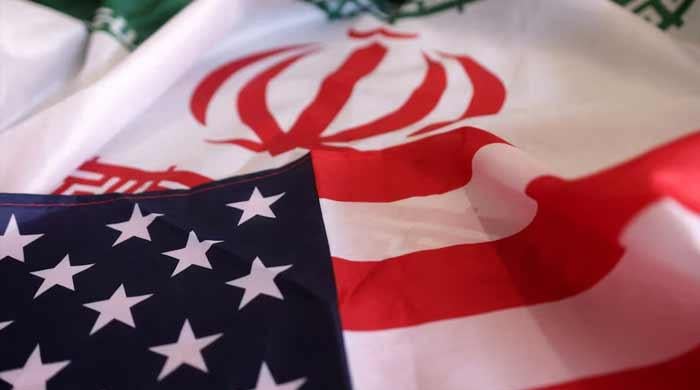
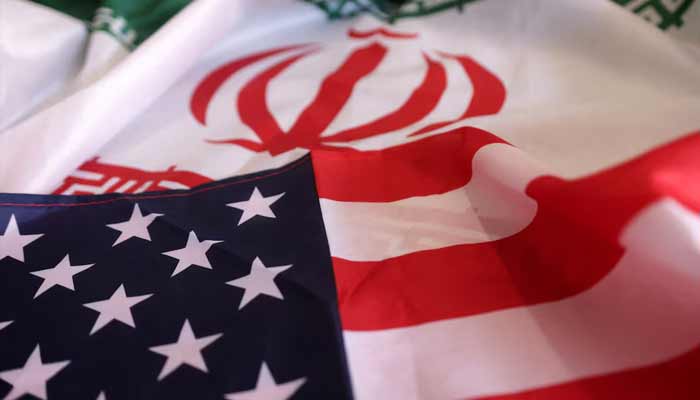
- Next round of talks possible in early March: officials.
- Iran, US differ on sanctions relief, says Iranian official.
- Tehran says wants its right to enrichment to be recognised.
Iran and the United States have differing views over sanctions relief in talks to curb Tehran’s nuclear ambitions, a senior Iranian official told Reuters on Sunday, adding that new talks were planned in early March as fears of a military confrontation grow.
Iran and the US renewed negotiations earlier this month to tackle their decades-long dispute over Tehran’s nuclear programme as the US builds up its military capability in the Middle East, fuelling fears of a wider war.
Iran has threatened to strike US bases in the Middle East if it is attacked by US forces.
“The last round of talks showed that US ideas regarding the scope and mechanism of sanctions relief differ from Iran’s demands. Both sides need to reach a logical timetable for lifting sanctions,” the official said.
“This roadmap must be reasonable and based on mutual interests.”
Iran’s Foreign Minister Abbas Araghchi said on Friday that he expected to have a draft counterproposal ready within days, while US President Donald Trump said he was considering limited military strikes.
Readiness to compromise
While rejecting a US demand for “zero enrichment” — a major sticking point in past negotiations — Tehran has signalled its readiness to compromise on its nuclear work.
Washington views enrichment inside Iran as a potential pathway to nuclear weapons. Iran denies seeking nuclear weapons and wants its right to enrich uranium to be recognised.
Washington has also demanded that Iran relinquish its stockpile of highly enriched uranium (HEU). The UN nuclear agency last year estimated that stockpile at more than 440 kg of uranium enriched to up to 60% fissile purity, a small step away from the 90% that is considered weapons grade.
The Iranian official said Tehran could seriously consider a combination of exporting part of its HEU stockpile, diluting the purity of its most highly enriched uranium and the establishment of a regional enrichment consortium in exchange for the recognition of Iran’s right to “peaceful nuclear enrichment”.
“The negotiations continue, and the possibility of reaching an interim agreement exists,” he said.
Benefits for both sides
Iranian authorities have said that a diplomatic solution delivers economic benefits for both Tehran and Washington.
“Within the economic package under negotiation, the United States has also been offered opportunities for serious investment and tangible economic interests in Iran’s oil industry,” the official said.
However, he said Tehran will not hand over control of its oil and mineral resources.
“Ultimately, the US can be an economic partner for Iran, nothing more. American companies can always participate as contractors in Iran’s oil and gas fields.”
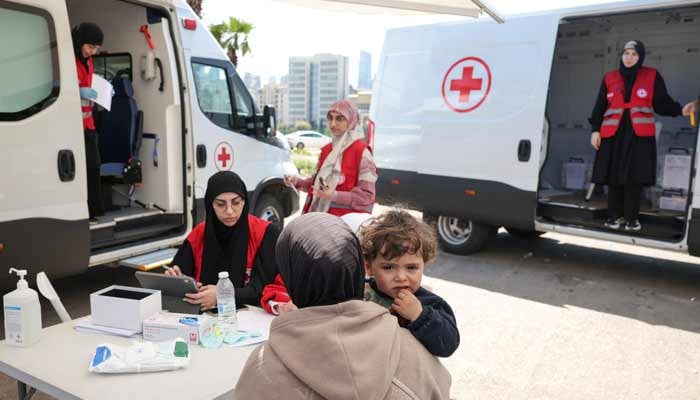
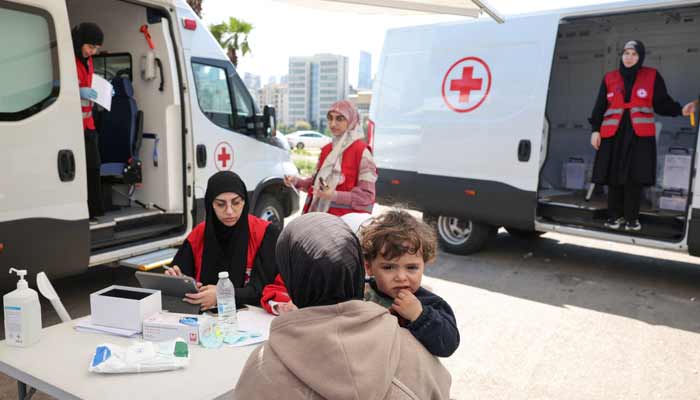
Some of Lebanon’s hospitals could run out of life-saving trauma medical kits within days as supplies near depletion following mass casualties from large-scale Israeli strikes over the past day, the World Health Organisation (WHO) said on Thursday.
The life-saving trauma kits include bandages, antibiotics and anaesthetics to treat patients who sustained war-related injuries, the WHO stated.
“Some of the trauma management supplies were in short (supply) and we may run out in a few days,” Dr Abdinasir Abubakar, the WHO’s representative in Lebanon, told Reuters.
Israel bombed more targets in Lebanon on Thursday after its biggest attacks of the war on its neighbour on Wednesday killed more than 250 people and more than 1,000 were injured.
“If we have another mass casualty, like what happened yesterday, it will be a disaster,” Abubakar said.
“Probably we will lose more lives just because we don’t have enough supplies,” he added.
Shortages of supplies of trauma kits have been driven by a surge in recent casualties — the majority of whom are civilians — with roughly three weeks’ worth of supplies being depleted in one day, Abubakar stated.
Costs surge
Medicines to treat patients with chronic disease, such as insulin for diabetes patients, could also run out within weeks after supply chains were disrupted by the war in the Gulf and the closure of the Strait of Hormuz, Abubakar said.
Delivery costs of medical supplies into Lebanon have surged three times, while the WHO also faces constrained funding, he added.
The WHO said it and the Lebanese Ministry of Health were planning to move supplies between hospitals to avoid total depletion of stocks, but cautioned that the health system is being stretched to its limit.
More than one million people have been displaced across Lebanon since the conflict began on March 2, following joint US-Israeli strikes on Iran in late February, according to the United Nations.
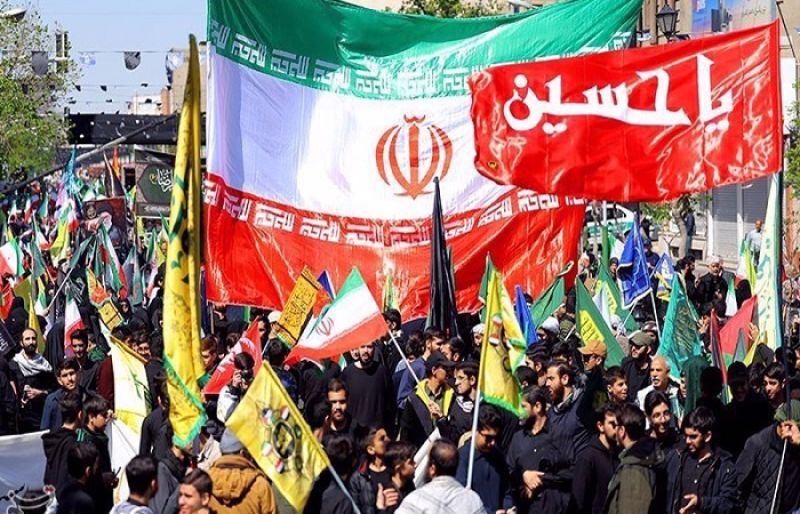
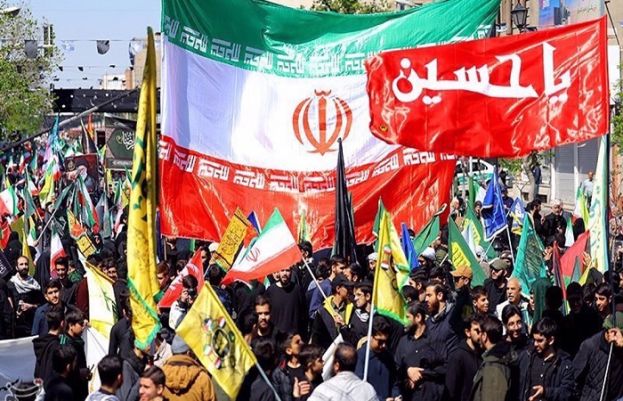
Millions of Iranians have taken to the streets in Tehran and across the country to commemorate the 40th day since the martyrdom of Leader of the Islamic Revolution Ayatollah Seyyed Ali Khamenei, top commanders and school children of Minab.
The mourning procession began on Thursday morning, with participants marching from Jomhouri Square to the location where Ayatollah Khamenei was assassinated in terrorist US-Israeli strikes.
The ceremony, which will end at night, will see mourners chanting slogans, listening to eulogies in memory of the late Leader, and pledging their allegiance to his ideals.
Processions are also being held in hundreds of cities and counties across Iran.
The Leader was assassinated, alongside some of his family members, on February 28, the first day of the illegal aggression launched by the United States and the Israeli regime against Iran. A host of Iran’s top military commanders and advisers were also assassinated, including Major General Abdolrahim Mousavi, Rear Admiral Ali Shamkhani, and Major General Mohammad Pakpour.
The enemies have deliberately targeted Iran’s civilian infrastructure and energy facilities, killing hundreds of people. In one of the deadliest attacks on the first day of the aggression, the US military targeted a primary school in Minab, killing more than 170 civilians, mostly children.
The Iranian armed forces began to swiftly retaliate against the unprovoked military assault by conducting barrages of missile and drone attacks on the Israeli-occupied territories as well as on the US assets in regional countries.
Following 100 waves of Iran’s retaliatory strikes, Iran’s Supreme National Security Council (SNSC) announced on Wednesday that there was an agreement to a Pakistan-brokered two-week ceasefire after the US accepted Iran’s 10-point proposal.
In a statement released on Thursday, the Islamic Revolution Guards Corps (IRGC) said that the martyrdom of Ayatollah Khamenei was as effective as his lifetime presence in the promotion of Islamic Revolution and the Islamic Republic.
It also enumerated the resistance and unity of the Iranian nation and the Islamic establishment, as well as 100 fatal strikes by the Iranian armed forces and the enemies’ humiliating retreats, as parts of the blessings of the Leader’s pure blood during the imposed war.
Ayatollah Khamenei’s thought, discourse, conduct and command in the fields of resistance, independence, progress, justice, unity, fight against oppression, and spirituality form a comprehensive system for governing the country, it added.
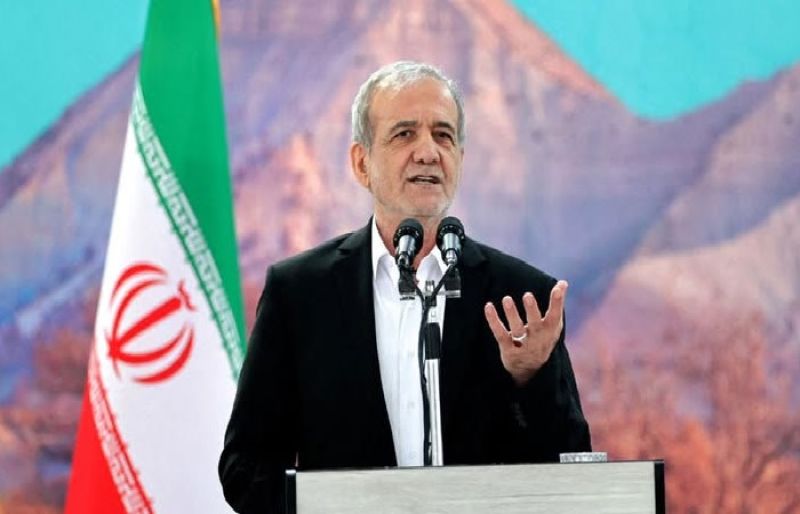
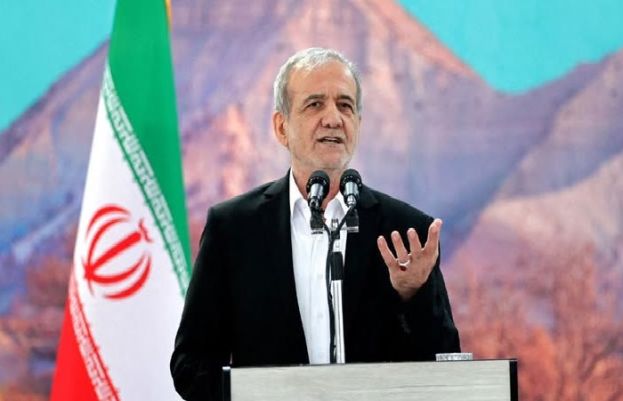
Iranian President Masoud Pezeshkian has condemned the violations of the ceasefire reached between Iran and the United States, vowing that the Islamic Republic will respond “decisively” to any attack.
In a phone call with Pakistani Prime Minister Shahbaz Sharif, Pezeshkian condemned the attacks carried out on the islands of Lavan and Siri on Wednesday morning.
“The Islamic Republic of Iran will respond decisively to any aggression,” he emphasized.
The attacks came despite the announcement of a Pakistan-mediated ceasefire earlier on Wednesday after 41 days of intense fighting between Iran and the US-Israeli coalition.
On Wednesday, the United States and Iran agreed to a two-week ceasefire after Washington received a 10-point proposal from Tehran.
Amid intensified Israelis strikes on Lebanon, the Iranian president stressed that Iran’s 10-point proposal, which marks a framework for a permanent end to the war, includes the establishment of a ceasefire in Lebanon.
Elsewhere in his remarks, Pezeshkian appreciated Pakistan’s “constructive” efforts to stop the war.
He pointed out that Tehran’s acceptance of the ceasefire despite repeated US violations of its commitments and international law demonstrates Iran’s “responsible and authoritative” approach.
The president urged countries in the region and the world to “seize this opportunity to put pressure on the aggressors in order to avoid repeating the strategic mistake”.
Pezeshkian emphasized that Tehran’s approach hinges on the aggressors’ actual commitment to the principles of negotiation and adherence to their obligations.
He also reiterated that the security of the vital waterway of Hormuz Strait depends on the complete cessation of the US-Israeli aggression.
For his part, Shahbaz Sharif thanked the Islamic Republic for accepting Pakistan’s offer to reach a ceasefire agreement.
He emphasized that all parties should adhere to the ceasefire, calling on the Israeli regime to immediately stop its attacks on Lebanon.
Sharif also reiterated Islamabad’s readiness to engage with all regional countries to advance peace, stability, and security in the Persian Gulf region and West Asia.


India ITME delegation explores textile ties in Indonesia

White House staff warned not to place bets on prediction markets

OpenAI Backs Bill That Would Limit Liability for AI-Enabled Mass Deaths or Financial Disasters

-
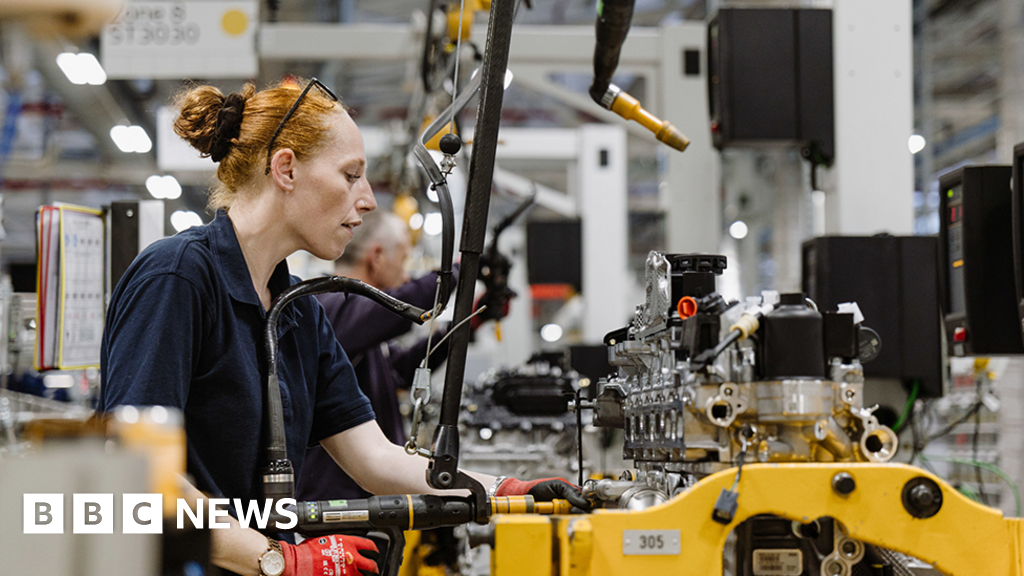 Business1 week ago
Jaguar Land Rover sees sales recover after cyber attack
-
Uncategorized1 week ago
[CinePlex360] Please moderate: “Trump signals p
-

 Entertainment6 days ago
Joe Jonas shares candid glimpse into parenthood with Sophie Turner
-

 Tech6 days ago
Our Favorite iPad Is $50 Off
-

 Sports6 days ago
UConn Final Four run could trigger a $50M furniture giveaway for Massachusetts-based Jordan’s Furniture
-

 Entertainment6 days ago
Blake Lively reacts to harassment claims dismissal against Justin Baldoni
-

 Fashion1 week ago
China’s Anta Sports posts record $11.62 bn revenue in 2025
-
 Business7 days ago
Video: Why Is the Labor Market Stuck?