

Fashion
US’ Section 122 tariffs trigger volatility in chemical markets

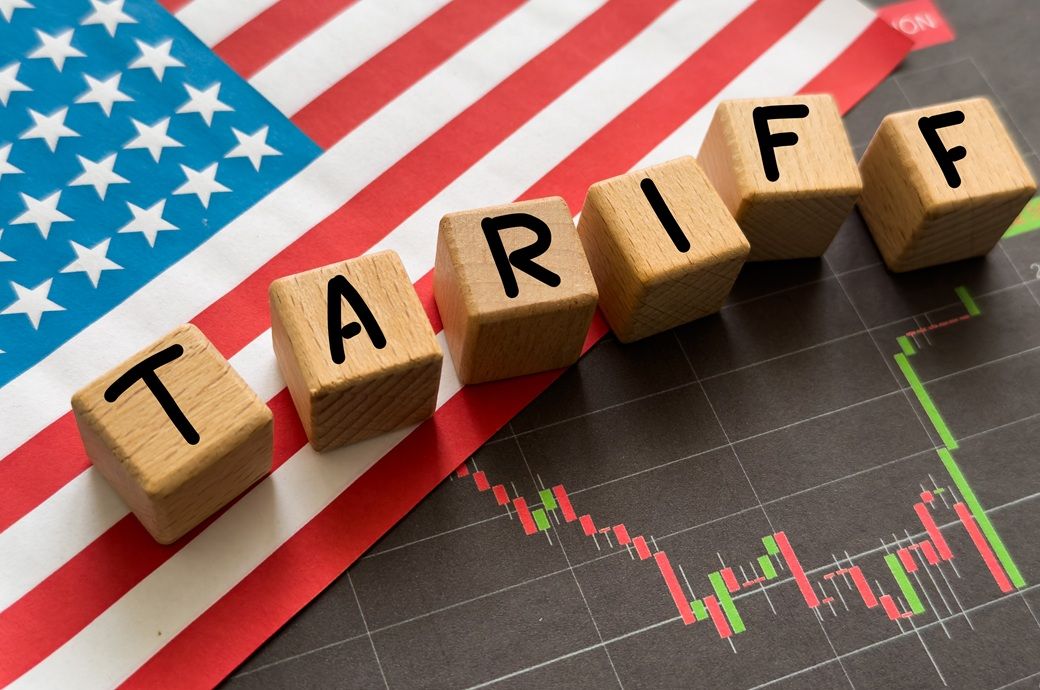
US Section 122 tariffs of 15 per cent on imports are set to disrupt chemical markets, triggering polymer and aromatics price volatility, inventory shifts and supply realignments.
While pharma and feedstocks remain shielded, bulk chemicals face margin pressure as trade uncertainty, logistics swings and regional price imbalances intensify over the next two quarters.
Source link











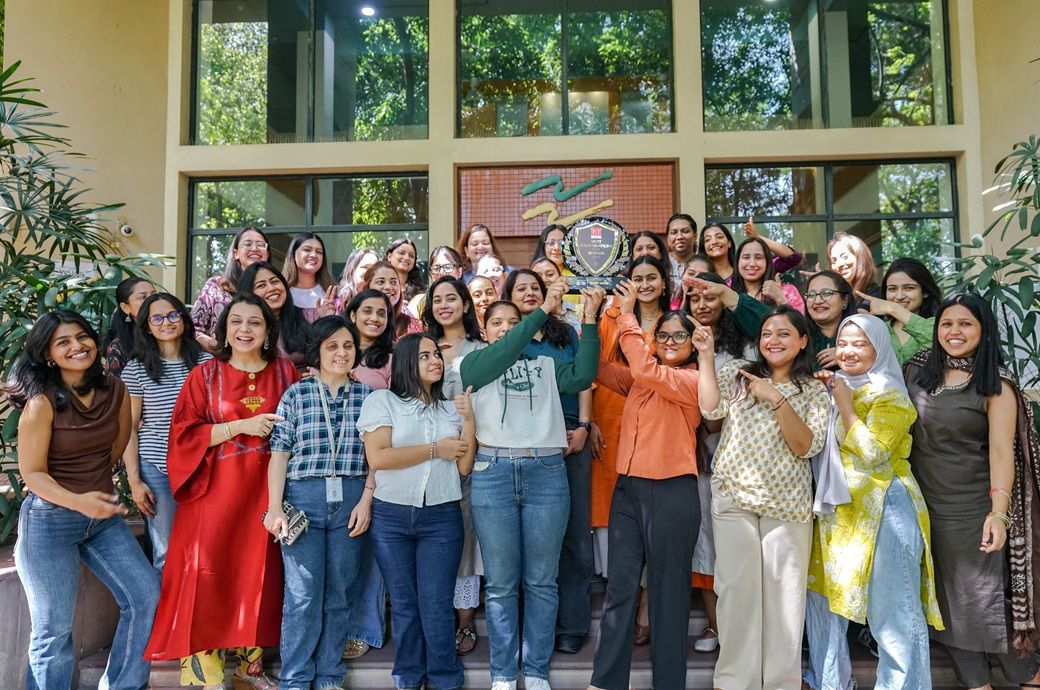
Trident Group, a leading Indian business conglomerate and globally recognised textile manufacturer, has been honoured by ET Edge, an initiative of the Times Group, as the Best Organization for Women 2026. The recognition acknowledges Trident’s sustained efforts to build inclusive, supportive, and empowering workplaces for women.
Trident Group has been recognised by ET Edge as the Best Organisation for Women 2026, highlighting its strong commitment to inclusivity and empowerment.
Through initiatives like Shreejana and Asmita Leaves, alongside flexible policies and leadership programmes, the company continues to foster supportive workplaces where women can grow, lead, and thrive.
Commenting on the recognition, Ms. Pooja B. Luthra, Chief Human Resources Officer, Trident Group, said, “At Trident, empowering women is integral to how we think, act, and grow as an organisation. We are committed to creating a workplace where women feel respected, supported, and confident to pursue their aspirations, navigate life transitions with dignity, and progress into leadership roles. This recognition reinforces our belief that when women are empowered, organisations grow stronger.”
Guided by this commitment, Trident has instituted initiatives addressing key personal and professional needs. Programmes such as Shreejana, Asmita Leaves, and Shagun/Aashirwad, along with Hastakala, are supported by maternity benefits, flexible work options, wellness initiatives, and leadership development frameworks.
This recognition reaffirms Trident Group’s commitment to shaping workplaces where women are enabled to lead, innovate, and create lasting impact, contributing to inclusive growth across geographies and generations.
Note: The headline, insights, and image of this press release may have been refined by the Fibre2Fashion staff; the rest of the content remains unchanged.
Fibre2Fashion News Desk (MS)
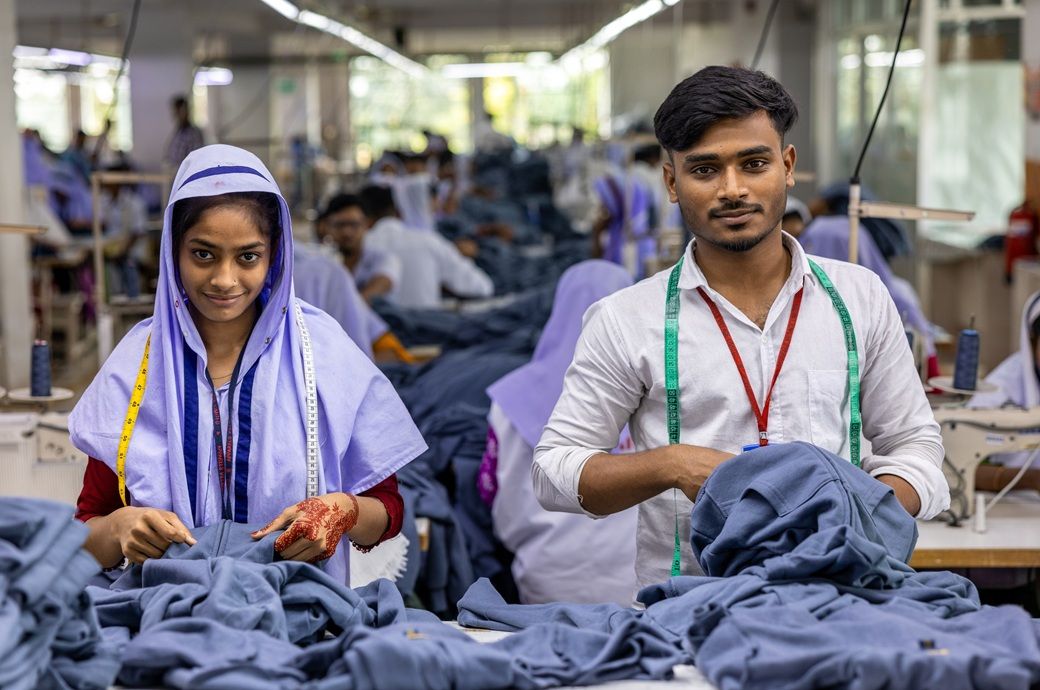
Addressing a pre-budget meeting with stakeholders, he indicated a gradual return to the standard corporate tax rate of about 27.5 per cent.
Bangladesh’s National Board of Revenue has said the reduced corporate tax rates of 10-12 per cent being imposed on the RMG sector now may not last longer.
At a pre-budget meeting with stakeholders, it indicated a gradual return to the standard 27.5-per cent rate.
AmCham Bangladesh proposed rationalising the 1-per cent minimum tax on annual turnover and lowering tax rates for offshore banking units.
Export-oriented knitwear and woven garment manufacturers, along with green-certified factories, enjoy lower corporate tax rates of 10 per cent and 12?per cent respectively. These incentives are designed to boost exports and encourage sustainable industrial practices.
Exporters already enjoy a 50-per cent income tax exemption on export earnings, which reduces their actual tax burden to a great extent, he was cited as saying by domestic media outlets.
Women Entrepreneurs Network for Development Association (WEND) president Nadia Binte Amin suggested equalising corporate tax rates and reducing the 1-per cent tax deducted at source (TDS) on export earnings for fully women-owned businesses.
She also proposed a 10-per cent tax rebate for companies investing in research and development, innovation, training and sustainable development.
The American Chamber of Commerce in Bangladesh (AmCham) proposed rationalising the current 1-per cent minimum tax on annual turnover. It also suggested maintaining a level-playing field in the banking sector by applying a uniform 37.5-per cent tax rate to both foreign and local commercial banks.
It also recommended lower tax rates for offshore banking units, similar to other Asia-Pacific countries, where rates range from 0 to 20 per cent.
Other proposals included simplifying procedures under Double Taxation Avoidance Agreements, speeding up certification processes, introducing a standard foreign currency conversion method in line with international practices, and rationalising withholding tax rates.
Fibre2Fashion News Desk (DS)
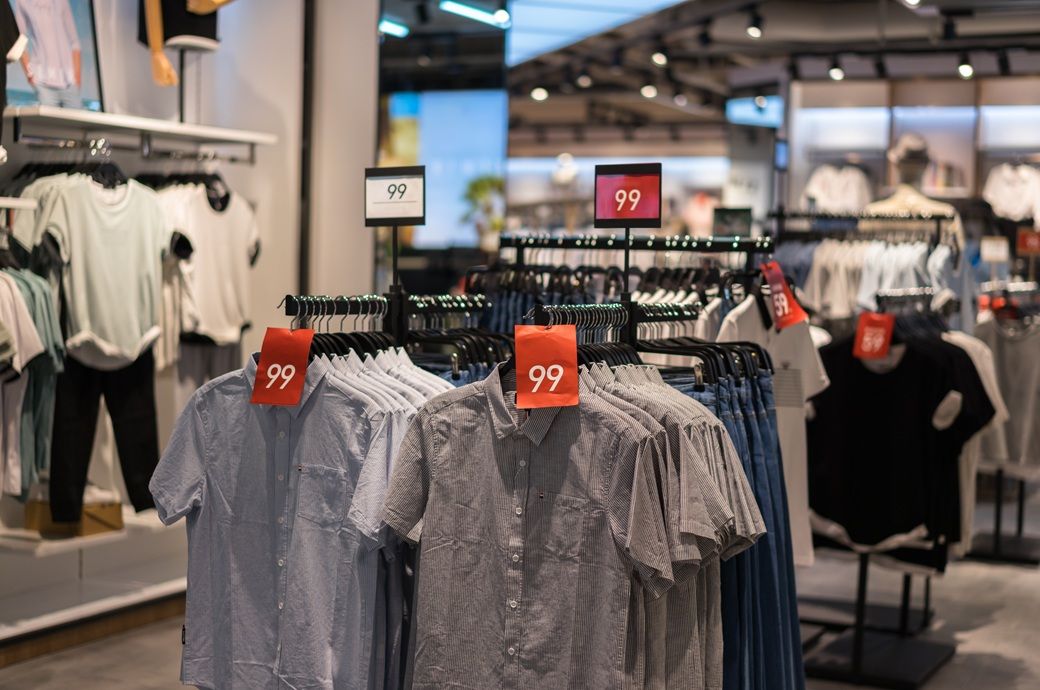
Global apparel margins are under sustained structural pressure as input inflation, freight volatility and tariffs converge with weak demand, limiting pricing power.
While leaders like Inditex offset costs through agility and sourcing strategy, most brands and suppliers face prolonged profitability stress, with recovery hinging on demand stabilisation.
Source link


Rory’s defense, disappointing first rounds and looking ahead to the rest of the Masters

Gary Player, Jack Nicklaus address Tiger Woods arrest, recovery
[CinePlex360] Please moderate: “Lindsey Vonn cr

-
 Business1 week ago
Jaguar Land Rover sees sales recover after cyber attack
-
Uncategorized1 week ago
[CinePlex360] Please moderate: “Trump signals p
-

 Entertainment6 days ago
Joe Jonas shares candid glimpse into parenthood with Sophie Turner
-

 Tech6 days ago
Our Favorite iPad Is $50 Off
-

 Sports6 days ago
UConn Final Four run could trigger a $50M furniture giveaway for Massachusetts-based Jordan’s Furniture
-

 Entertainment6 days ago
Blake Lively reacts to harassment claims dismissal against Justin Baldoni
-

 Fashion1 week ago
China’s Anta Sports posts record $11.62 bn revenue in 2025
-
 Business6 days ago
Video: Why Is the Labor Market Stuck?