

Fashion
Karl Lagerfeld taps Paris Hilton for ‘From Paris With Love’ campaign


Published
August 27, 2025
French fashion house Karl Lagerfeld unveiled on Wednesday its new fall 2025 campaign featuring entrepreneur and pop-culture icon Paris Hilton, marking her debut as brand face.
Lensed by fashion photographer Chris Colls, the new Karl Lagerfeld campaign, dubbed “From Paris With Love”, is a reimagining of “Karl Interviews Karl”, an iconic video moment where Karl Lagerfeld interviewed himself.
However, this time, it’s the Hilton heiress paying homage to Karl, in a series of reverent moments where Paris is even dressed like the namesake designer (think slicked back hair, big black sunglasses, and black and white attire), cleverly portraying his known charm and wit.
“Paris is both a global icon and a businesswoman—someone who understands the cultural power of image and reinvention. She and Karl have each defined eras in their own distinct ways,” said Pier Paolo Righi, CEO of Karl Lagerfeld, which is today owned by U.S. apparel giant G-III Apparel.
“This collaboration captures a dynamic that feels both unexpected and entirely authentic—a dialogue between enduring influence and ever-evolving relevance.”

The campaign features items from both Karl Lagerfeld Paris and Karl Lagerfeld Jeans, including structured tailoring and more off-duty looks, paired with the latest accessories from the house. Hilton is joined by Spanish model and actor Jon Kortajarena, fronting the campaign for men’s.
“Karl was a true original—bold, iconic, and always ahead of his time. I’ve always admired his rebellious spirit. To be part of Karl’s world, especially in this campaign which celebrates individuality and playfulness, feels like such a natural fit,” said Hilton, in a press release. “‘From Paris With Love’…It’s an honor to be part of his legacy in a way that feels true to who I am.”
Hilton is on a run when it comes to campaigns. Earlier this week, the starlet was named the new brand face of luxury haircare brand Paul Mitchell, with Karl Lagerfeld parent G-III also banking on Hilton’s star power to lift sales across its portfolio of brands, as it lets go of key licenses like Calvin Klein.
In June, G-III Apparel reported a 4% decline in sales to $583.6 million in the first quarter, hurt by the U.S. fashion firm’s returning of its Calvin Klein and Tommy Hilfiger licenses to parent PVH Corp.
Copyright © 2025 FashionNetwork.com All rights reserved.










Regional adjustments are anticipated to drive the contraction. Cotton acreage across the southern United States is expected to transition towards soybeans amid improved profitability prospects, while irrigated cotton areas in the Plains are likely to shift towards corn production as producers rebalance crop rotations and manage input cost pressures, CoBank said in an article by Tanner Ehmke and Emmie Noyes.
Slower US cotton export momentum to China, intensifying competition from Brazil and Australia in global markets, and continued substitution by manmade fibres have collectively restrained price recovery, limiting growers’ willingness to expand cotton area.
US cotton planted area is forecast to decline for a second straight year to about 9 million acres in 2026, down 3 per cent year on year, reflecting weak price competitiveness.
Acreage shifts towards soybeans and corn, slower exports to China, rising competition and fibre substitution are weighing on plantings.
Meanwhile, farm support payments are expected to stabilise the overall acreage decline.
Despite the projected decline, policy mechanisms are expected to provide a degree of support. Base acreage payments under farm support programmes are likely to cushion the adjustment, helping stabilise cotton plantings and preventing a sharper contraction in the 2026 season.
Fibre2Fashion News Desk (SG)
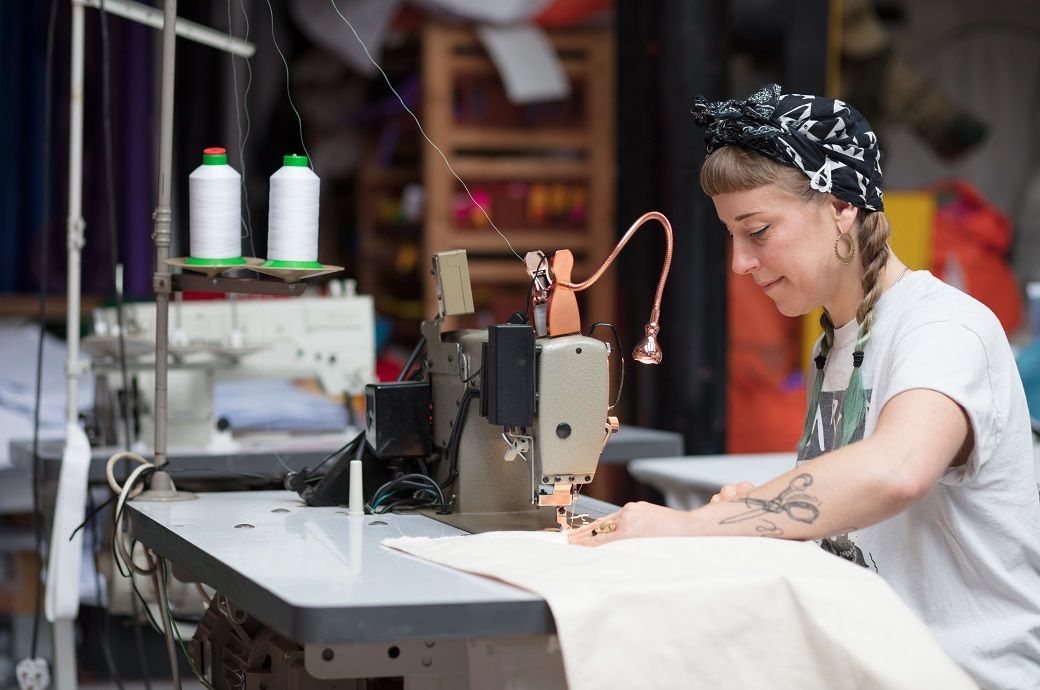
The recommendation follows a survey analysed by researchers from the University of Nottingham and the University of Leicester in collaboration with trade justice charity Transform Trade, which found systemic late payments, last-minute order changes without compensation and post-contract price reductions. Manufacturers reported that such practices shift financial risk from brands and retailers onto suppliers and ultimately workers.
Among respondents, 31 per cent reported order cancellations, while 78 per cent said brands failed to cover costs of last-minute changes to confirmed orders. A further 75 per cent stated prices were not adjusted to reflect minimum wage increases. Additionally, 67 per cent experienced order volumes being reduced without corresponding revisions to unit costs, and 44 per cent faced repeated payment extension requests. Ten per cent reported payments delayed by more than three months beyond agreed terms.
Researchers are urging the UK government to establish a Garment Trading Adjudicator after a survey by the University of Nottingham, University of Leicester and Transform Trade found widespread unfair purchasing practices in UK garment manufacturing.
The study highlights systemic late payments, cancellations and cost pressures affecting manufacturers and workers.
Manufacturers said these pressures had direct workforce consequences, including increased overtime to meet sudden order spikes for 73 per cent of workers, reduced hours following cancellations for 58 per cent, and job terminations for 29 per cent.
The survey also revealed limited confidence in formal dispute mechanisms. Only 22 per cent viewed the legal system as a viable route for redress, and none considered government or multistakeholder initiatives effective. Respondents cited financial and legal barriers, stating that pursuing action against brands was often unaffordable.
Dr Sabina Lawreniuk of the University of Nottingham’s School of Geography said, “Our research shows that current brand purchasing practices directly impact workers, resulting in precarious and insecure work across UK factories. Voluntary codes have proven insufficient. If we are serious about protecting workers and supporting a sustainable UK fashion industry, we need a Garment Trading Adjudicator to enforce fair practices across the sector.”
She added that the findings emphasise the need to rebalance relationships between brands and fashion manufacturers in the UK to support domestic manufacturing, sustainable business models, investment strategies, and to strengthen work and employment in the sector.
Professor Nikolaus Hammer of the University of Leicester also highlighted the importance of rebalancing these relationships to ensure sustainable UK production.
The researchers and Transform Trade said a sector regulator, like the Groceries Code Adjudicator, could help curb unfair purchasing practices and create greater accountability across fashion supply chains.
Fibre2Fashion News Desk (CG)
New Zealand’s apparel imports (HS ** and ** combined) declined to NZ$***.** million (~$***.* million) in January **** from NZ$***.** million in January ****, representing a *.* per cent year-on-year decrease. In volume terms, shipments fell to **.** million units from **.** million units, reflecting softer sourcing activity and continued inventory discipline among retailers.
Knitted apparel (HS **) imports declined to NZ$**.** million (~$**.* million) in January **** from NZ$**.** million in January ****, down *.* per cent year on year. Volumes also fell to **.** million units from **.** million units, suggesting weaker replenishment demand and continued emphasis on controlled inventory cycles across the retail segment.


One in five UK grocery trips involves at least one missing item – report

USA 2-0 Argentina (Mar 1, 2026) Game Analysis – ESPN

Shree Ram Twistex IPO Lists At 30% Discount, Clean Max Falls 20% In Debut Trade: Should You Buy, Sell Or Hold?

Pakistan carries out precision strikes on seven militant hideouts in Afghanistan

Eye-popping rise in one year: Betting on just gold and silver for long-term wealth creation? Think again! – The Times of India

These Cheap Noise-Cancelling Sony Headphones Are Even Cheaper Right Now

-
 Politics1 week ago
Pakistan carries out precision strikes on seven militant hideouts in Afghanistan
-
Business1 week ago
Eye-popping rise in one year: Betting on just gold and silver for long-term wealth creation? Think again! – The Times of India
-
 Tech1 week ago
These Cheap Noise-Cancelling Sony Headphones Are Even Cheaper Right Now
-

 Sports1 week ago
Kansas’ Darryn Peterson misses most of 2nd half with cramping
-

 Sports1 week ago
How James Milner broke Premier League’s appearances record
-

 Entertainment1 week ago
Viral monkey Punch makes IKEA toy global sensation: Here’s what it costs
-

 Entertainment1 week ago
Saturday Sessions: Say She She performs "Under the Sun"
-
Sports1 week ago
Mike Eruzione and the ‘Miracle on Ice’ team are looking for some company