

Business
Gold surges to Rs541,262/tola amid US-Iran tensions | The Express Tribune


At current prices, the looted gold is worth around $70 million. PHOTO: PIXABAY
KARACHI:
Gold prices in Pakistan extended their upward trajectory on Wednesday, tracking gains in the international bullion market as investors flocked to safe-haven assets amid renewed tariff concerns and persistent geopolitical tensions between the United States and Iran.
According to the All-Pakistan Gems and Jewellers Sarafa Association, the price of 24-karat gold per tola rose by Rs1,300 to settle at Rs541,262 in the local market. Similarly, the price of 10 grams of gold increased by Rs1,114 to Rs464,044. The latest increase follows Tuesday’s sharp rise, when gold per tola surged by Rs3,400 to close at Rs539,962, reflecting sustained demand in both domestic and global markets. Silver prices also moved higher, with per-tola rates climbing by Rs268 to Rs9,554, mirroring the broader bullish trend. In the international market, spot gold advanced 0.5% to $5,172.17 per ounce by 1437 GMT, while US gold futures for April delivery gained 0.3% to $5,191, according to Reuters’ data.
Analysts said bullion remained supported by safe-haven flows as markets assessed the inflationary impact of potential new tariffs and monitored geopolitical risks. Ongoing tensions between Washington and Tehran, alongside reports that Iran and the United States are set to hold a fresh round of talks on Thursday, kept investors cautious and bolstered demand for gold. “There’s an inflationary impact from tariffs and high oil prices, especially if an attack is imminent, and I think there’s also some hedging by investors, who may be turning to gold,” said Bart Melek, Global Head of Commodity Strategy at TD Securities.
Separately, platinum prices touched their highest level since January 29 in international trading, signalling broader strength across the precious metals complex.
Market watchers noted that while some forecasts, including from the Bank of America, suggest gold could ease into the spring on seasonal factors, trade-related uncertainties and geopolitical risks may limit any downside in prices. With global cues remaining firm and the rupee relatively stable, local bullion rates are expected to remain sensitive to international price movements and currency fluctuations in the near term. The Pakistani rupee posted a slight appreciation against the US dollar in the inter-bank market on Wednesday. By the close of trading, the local currency settled at 279.51 per dollar, up by Rs0.01 from the previous session.





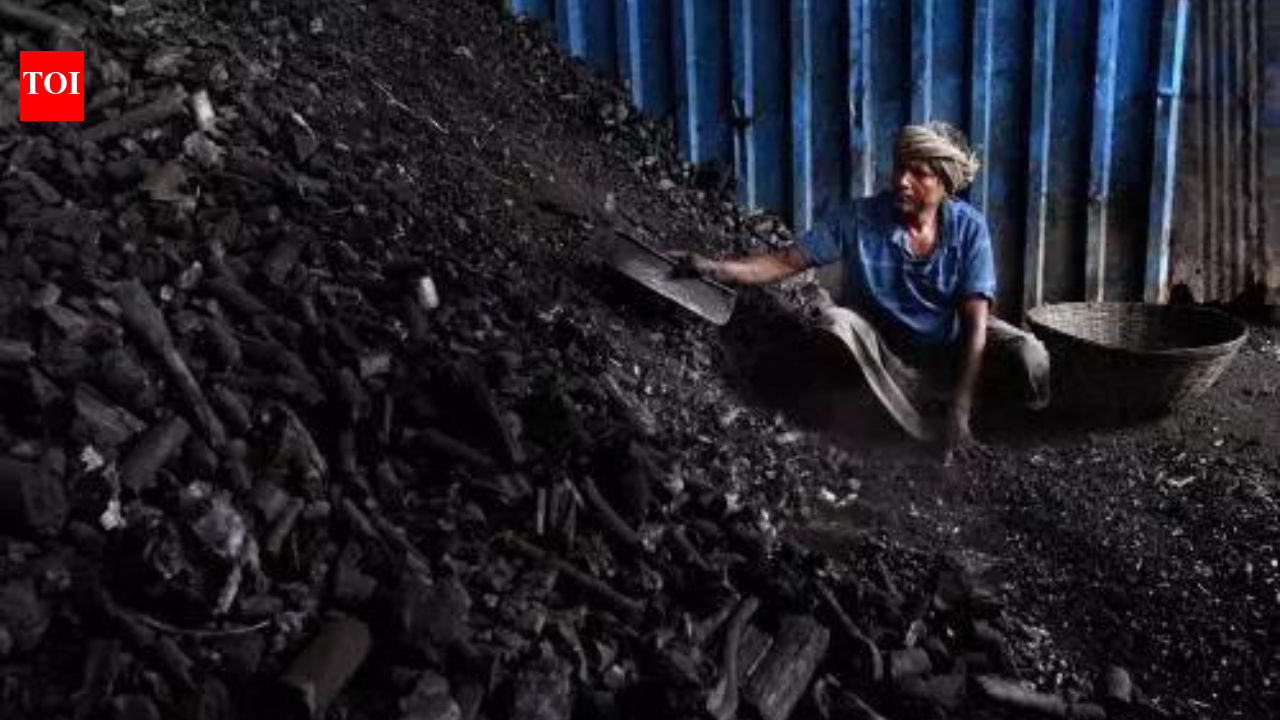
India’s coal imports declined 8.5 per cent to 16.55 million tonnes in February, as record domestic stockpiles and firm global prices reduced reliance on overseas supplies, according to data compiled by mjunction services, reported PTI. The country’s coal imports are expected to remain subdued in the near term, with domestic miners stepping up efforts to liquidate accumulated inventories.
“A record high stockpile of domestic coal and firm seaborne prices resulted in a drop in thermal coal imports. With the domestic miners endeavouring to liquidate stocks, the weak trend in imports is expected to continue during the current month,” mjunction MD & CEO Vinaya Varma said.Coal imports had stood at 18.10 million tonnes in February 2024-25, while on a month-on-month basis, imports remained largely flat compared with 16.64 million tonnes in January 2026.Of the total imports in February, non-coking coal shipments fell to 9.80 million tonnes from 11.08 million tonnes a year ago. In contrast, coking coal imports rose to 3.92 million tonnes from 3.79 million tonnes in the same period.During April-February 2025-26, non-coking coal imports stood at 137.60 million tonnes, lower than 152.26 million tonnes in the corresponding period of 2024-25. However, coking coal imports increased to 54.31 million tonnes from 49.62 million tonnes.The decline in imports comes amid a broader push to strengthen domestic coal production under the government’s self-reliance initiative.India’s total coal output rose to 1,047.523 million tonnes in 2024-25 from 997.826 million tonnes in the previous year, registering a growth of about 4.98 per cent.Coal inventories at thermal power plants remained comfortable at around 55 million tonnes as of Tuesday, sufficient for about 24 days of uninterrupted power generation based on average consumption over the past week, a senior coal ministry official said.The stock position indicates “absolute no deficit” on the power generation side, coal Joint Secretary Sanjeev Kumar Kassi said, addressing concerns over potential shortages amid rising summer demand.“Coal stock at the power plants is around 55 million tonnes as of yesterday (Tuesday), adequate for 24 days of uninterrupted power generation based on the average consumption of the last seven days. So we have absolutely no deficit at the power generation side,” he said at an inter-ministerial briefing on developments in West Asia.The official added that domestic coal production is currently matching consumption levels.
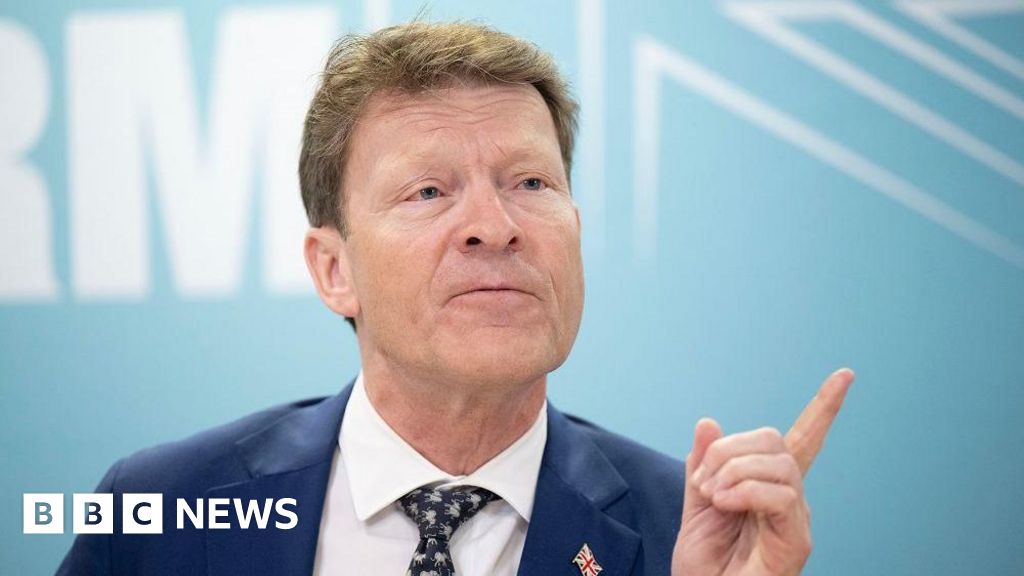
At a press conference in Westminster, Tice said Quidnet Reit Ltd was “a UK company paying UK tax in accordance with UK laws”, adding there was no “obligation” to pay the maximum tax required and suggested few people would likely take such a decision.
Business
India ramps up 5-kg LPG supply, accelerates PNG rollout amid Middle East crisis – The Times of India

India has stepped up supply of smaller 5-kg LPG cylinders and accelerated the rollout of piped natural gas (PNG) connections to manage fuel availability amid disruptions caused by the Middle East conflict, with domestic supplies remaining stable, according to an official statement.More than 13 lakh 5-kg free trade LPG cylinders have been sold since March 23, with daily sales crossing 1 lakh units, as authorities expand access for migrant workers and low-income consumers, PTI reported.At the same time, over 4.24 lakh new PNG connections have been activated since March, with more than 30,000 consumers surrendering LPG connections as part of the transition.The six-week-long war in West Asia has disrupted global energy supply. India relied on import of half of its crude oil, 40 per cent of its gas and 85-90 per cent of LPG from the region, all of which have been impacted.While the country has managed to offset the shortfall in crude oil by sourcing from other regions, LPG supplies have been affected.The government has prioritised LPG supply to domestic households, reducing supplies to commercial users such as hotels and restaurants. To bridge the gap for those without subsidised LPG connections, it has increased supply of market-priced 5-kg cylinders.As against daily sales of about 77,000 5-kg cylinders in February before the crisis, volumes have crossed over 1 lakh per day in the last two to three weeks.The statement said domestic LPG supplies remain stable overall, with no reported stockouts and over 52 lakh cylinders delivered on April 11.Online bookings account for about 98 per cent of demand, while delivery authentication systems now cover 93 per cent of transactions to curb diversion.Commercial LPG availability has been restored to about 70 per cent of pre-crisis levels, supported by targeted allocations and increased supply measures. State-run oil marketing companies — Indian Oil Corporation, Bharat Petroleum Corporation Limited and Hindustan Petroleum Corporation Limited — are coordinating with state governments to streamline distribution.The government has prioritised natural gas allocation, ensuring full supply for household PNG and CNG transport, while increasing supplies to fertiliser plants to about 95 per cent of recent average consumption, aided by additional LNG imports.City gas distributors, including Indraprastha Gas Ltd, Mahanagar Gas Ltd, and GAIL Gas Ltd, have been directed to prioritise PNG connections for commercial users, as part of a broader push to shift demand away from LPG.Refineries are operating at high utilisation with adequate crude inventories, and domestic LPG production has been stepped up. To shield consumers from rising global oil prices, the government has cut excise duty on petrol and diesel by Rs 10 per litre, while raising export levies on diesel and aviation turbine fuel to ensure domestic availability, the statement added.


NBA intel: What execs, coaches, scouts are watching this postseason

Illinois star freshman Keaton Wagler to declare for NBA draft

Pete Davidson shares bad habit comic left after daughter’s birth

-

 Fashion6 days ago
India’s exports face reset as EU links trade to carbon metrics: EY
-

 Politics1 week ago
Trump confirms rescue of airman whose F-15 was downed in Iran
-

 Tech6 days ago
A Single Strike Won’t Shut Off the Gulf’s Desalination System
-

 Entertainment5 days ago
Queen Elizabeth II emotional message for Archie, Lilibet sparks speculation
-

 Fashion5 days ago
ICE cotton hits 11-month high on drought concerns, demand boost
-

 Entertainment1 week ago
Netflix renews ‘Love on the Spectrum’ for season 5
-

 Sports1 week ago
Transfer rumors, news: Arsenal eye Bayer Leverkusen forward
-

 Tech4 days ago
This AI Button Wearable From Ex-Apple Engineers Looks Like an iPod Shuffle