

Business
Shree Ram Twistex IPO Lists At 30% Discount, Clean Max Falls 20% In Debut Trade: Should You Buy, Sell Or Hold?


Last Updated:
Shares of Shree Ram Twistex Ltd and Clean Max Enviro Energy Solutions Ltd make lacklustre stock market debuts on March 2.




IPO Listings of Shree Ram Twistex Ltd and Clean Max Enviro Energy Solutions Ltd.
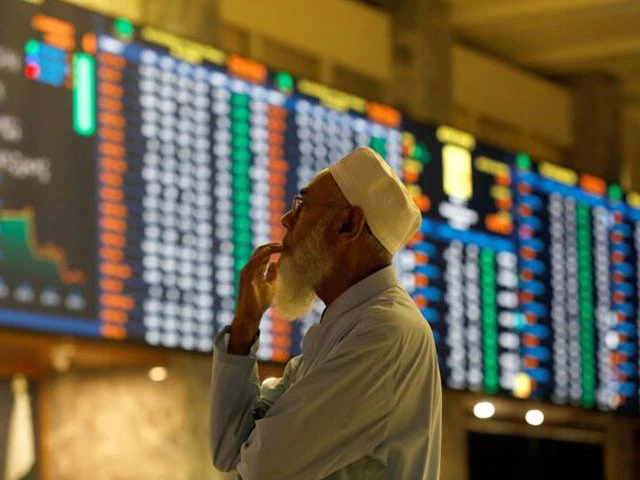
Shares of Shree Ram Twistex Ltd and Clean Max Enviro Energy Solutions Ltd made lacklustre stock market debuts on March 2, listing at steep discounts to their issue prices amid a sharp broader market sell-off triggered by escalating geopolitical tensions in the Middle East.
At 01:57 pm, the Sensex tumbled over 1,800 points, slipping below the 79,500 level; meanwhile, Nifty dropped below the 24,650 level.
Shree Ram Twistex lists at sharp discount
Shree Ram Twistex opened at Rs 68 on NSE, down 34.61% from its issue price of Rs 104, and at Rs 70 on BSE, marking a decline of 32.69%. The company’s market capitalisation stood at Rs 275.83 crore after listing.
Despite the weak debut, the IPO had seen strong investor demand, receiving 43.66 times subscription. The Rs 110.24-crore issue was entirely a fresh issue of up to 1.06 crore shares priced in the Rs 95-104 band.
Shivani Nyati, Head of Wealth at Swastika Investmart Ltd, said, “The muted listing reflects cautious sentiment and possible profit booking, even though the IPO was subscribed 43.66 times, with very strong demand in the retail and NII categories.”
She added that proceeds will be used for captive solar and wind power plants, debt repayment, and working capital support, which could lower energy costs over time.
“Volatility may persist in the short term. High-risk investors can consider holding with a strict stop loss at Rs 60. Fresh entry is advisable only after the stock shows signs of stability and buying support,” she said.
Clean Max falls sharply after listing
Clean Max Enviro Energy Solutions listed at Rs 960 on NSE, an 8.83% discount to its upper price band of Rs 1,053, and at Rs 952.20 on BSE, down 9.57%. During the session, the stock dropped as much as about 20% from its opening levels. The firm’s market valuation stood at Rs 10,111.54 crore.
The Rs 3,100-crore IPO saw moderate demand, getting subscribed 94%. The issue comprised a fresh issue worth Rs 1,200 crore and an offer-for-sale of Rs 1,900 crore.
Nyati said, “While the long term business outlook remains structurally positive, the weak listing indicates near term caution and limited immediate upside visibility.”
She advised caution for investors: “Allottees may hold if risk appetite is high but should maintain a strict stop loss at Rs 900. Fresh investors are advised to wait for price stability and strong demand support before considering new positions.”
Business fundamentals vs listing sentiment
Shree Ram Twistex manufactures cotton yarn, while Clean Max operates in the renewable energy solutions space, providing solar, wind, hybrid power and carbon credit services for commercial and industrial clients.
Analysts note that weak listing performance does not necessarily reflect long-term fundamentals, particularly when broader market sentiment is risk-averse. However, steep listing discounts often indicate either aggressive IPO pricing or short-term liquidity pressure.
Should investors buy, sell or hold?
For Shree Ram Twistex, experts suggest only high-risk investors consider holding with tight risk management, while new investors should wait for price discovery. For Clean Max, the recommendation is similar: hold only if risk appetite is high and avoid fresh positions until stability returns.
In both cases, analysts stress that listing day performance should not be the sole investment metric; sustained earnings visibility, balance-sheet strength and institutional participation over the coming quarters will determine whether these stocks recover or continue to lag.
 Click here to add News18 as your preferred news source on Google.
Follow News18 on Google. Join the fun, play games on News18. Stay updated with all the latest business news, including market trends, stock updates, tax, IPO, banking finance, real estate, savings and investments. To Get in-depth analysis, expert opinions, and real-time updates. Also Download the News18 App to stay updated.
March 02, 2026, 14:42 IST
Read More
Business
India-US trade deal: Three-day talks to begin from April 20; what to expect – The Times of India
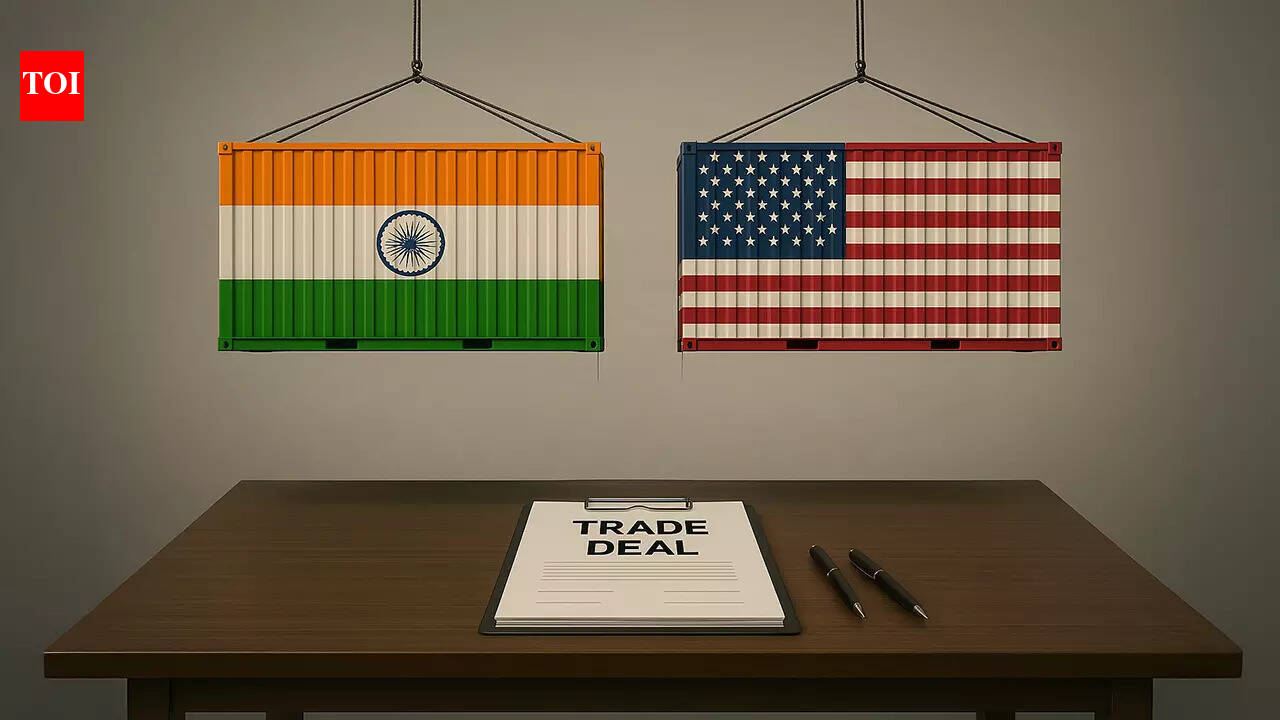
India and the United States are set to resume trade negotiations this week, with a delegation of about a dozen officials travelling from New Delhi to Washington for discussions on the first phase of the proposed bilateral trade agreement (BTA). The talks, scheduled from April 20 to 22, will be led by India’s chief negotiator Darpan Jain, additional secretary in the department of commerce, and will include officials from the customs department and the ministry of external affairs.“The meeting will happen from April 20-22 in Washington DC. India’s chief negotiator Darpan Jain (additional secretary in the department of commerce) is leading the team. Officers from customs and external affairs ministry are also part of the Indian team,” an official told PTI. This round of talks comes after major changes in the US tariff system, which have led both sides to reconsider the structure of the trade agreement finalised earlier this year and released on February 7.A key shift came after the US Supreme Court struck down reciprocal tariffs imposed under the 1977 International Emergency Economic Powers Act, prompting the US administration to introduce a temporary flat 10% tariff on all countries for 150 days from February 24. These developments resulted in postponing of a planned February meeting between the chief negotiators, with the rescheduled talks in Washington now set to take place under this updated tariff framework.With Washington now applying a uniform 10% tariff on all trading partners, the relative advantage India had under the earlier arrangement has diminished, leading to calls for revisiting the agreement. “So the agreement will have to be recalibrated, redrafted,” a government source has said, adding, “that amount of change will take place from their side”.“In our case, since the agreement has not been signed, we have got the option where we can right now change whatever needs to be changed,” the source has said.In addition to tariff issues, the discussions are expected to address two investigations initiated by the US Trade Representative under Section 301 of its trade law. India has contested the allegations in these probes and has asked for them to be withdrawn, arguing that the initiation notices do not provide adequate justification. The talks are taking place at a time when countries are reassessing their positions under the revised tariff system amid changes in global trade with the US.At the same time, trade patterns for India have also seen changes. China has become India’s largest trading partner in 2025-26, replacing the US, which had held that position for four consecutive years until 2024-25.Latest figures show India’s exports to the US rose slightly by 0.92% to $87.3 billion in the last financial year, while imports grew by 15.95% to $52.9 billion. This resulted in a narrowing of the trade surplus to $34.4 billion in 2025-26, compared with $40.89 billion in the previous year.
Business
Rs 20,000 crore gold, silver rush: What will people buy this Akshaya Tritiya? – The Times of India
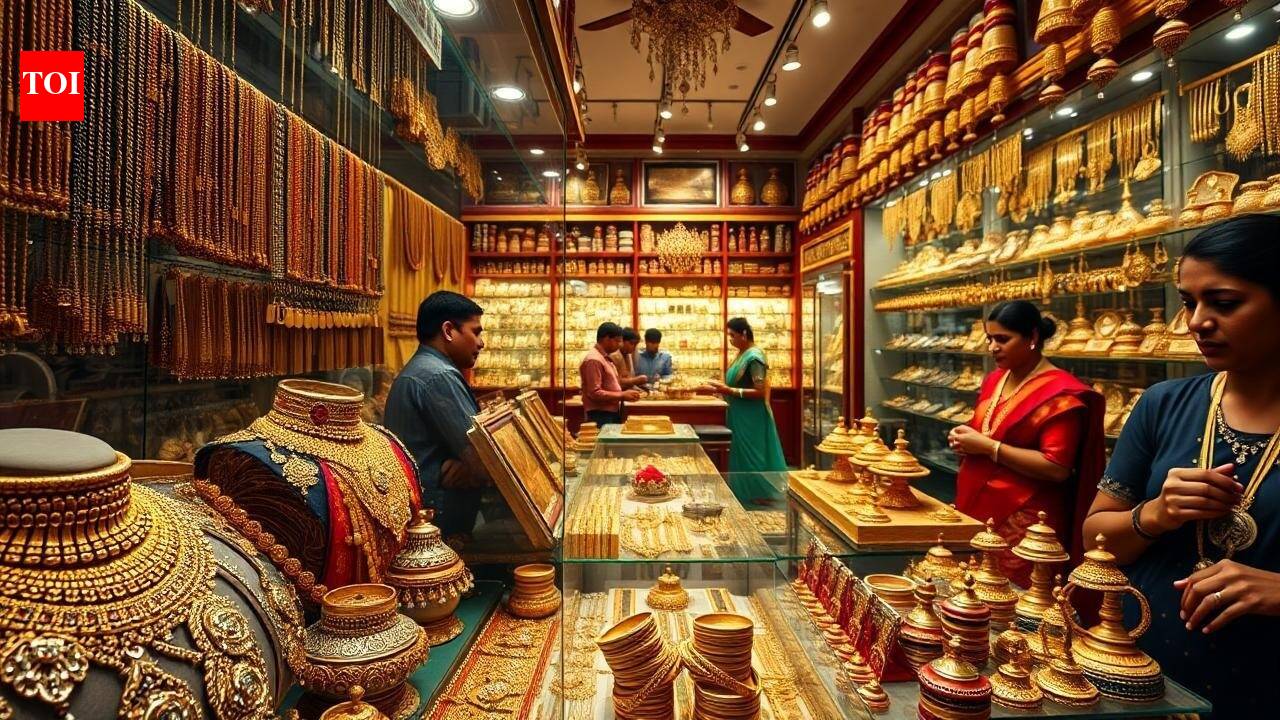
This Akshaya Tritiya, India’s gold and silver markets are heading for bumper purchases, with overall trade likely to cross Rs 20,000 crore even as record-high prices reshape buying patterns. The estimate, shared by the Confederation of All India Traders (CAIT), is higher than last year’s Rs 16,000 crore, signalling growth in value despite a sharp rise in bullion rates.Prices for the yellow metal have surged sharply over the past year, going from Rs 1,00,000 per 10 grams, to Rs 1.58 lakh. Meanwhile, silver has shown a steeper rally, jumping from Rs 85,000 per kilogram to Rs 2.55 lakh per kilogram. According to CAIT, this sharp escalation has not weakened demand, but is instead prompting consumers to make more deliberate and value-oriented purchases.Praveen Khandelwal, member of parliament from Chandni Chowk and secretary general of CAIT told ANI, “Akshaya Tritiya has traditionally been one of India’s most auspicious occasions for purchasing gold… While gold continues to dominate, the nature of purchasing is evolving significantly in response to steep price escalation.”Commenting on customer preference, CAIT national president BC Bhartia highlighted, “There is a clear shift towards lightweight, wearable jewellery, alongside a stronger focus on silver and diamond products. Attractive incentives such as reduced making charges and complimentary gold coins are also helping sustain consumer interest.”Despite the increase in overall trade value, the quantity of metals being sold tells a different story. Pankaj Arora, National President of the All India Jewellers and Goldsmith Federation (AIJGF), an associate of CAIT, explained that the projected Rs 16,000 crore gold trade amounts to nearly 10,000 kilograms (10 tonnes) at current rates. The value, spread across an estimated 2 to 4 lakh jewellers, translates to average sales of only 25 to 50 grams per jeweller, “clearly indicating a sharp decline in volume”.Meanwhile for silver, the estimated Rs 4,000 crore trade corresponds to around 1,56,800 kilograms (157 tonnes), resulting in average sales of about 400 to 800 grams per jeweller during the festival period. “These figures underline a critical shift: while the value of business is expanding due to rising prices, actual consumption is contracting,” Khandelwal said.This gap between value and volume is also reshaping consumer’s buying pattern, with smaller items and lightweight jewellery gaining popularity. At the same time, jewellers are facing challenges due to fluctuating prices, especially when it comes to managing inventory.Even so, festive demand remains steady, with markets witnessing healthy footfall. “Consumers are now adopting a more cautious and pragmatic approach, balancing traditional beliefs with financial discipline,” Khandelwal added.At the same time, it’s not just about physical gold anymore as consumers are increasingly exploring alternatives like digital gold, Sovereign Gold Bonds and gold ETFs, drawn by the promise of liquidity, safety and flexibility when prices are volatile.CAIT and AIJGF have urged jewellers to comply with mandatory hallmarking standards, including HUID certification, and advised buyers to verify the purity and authenticity of their purchases.

Lauren Elcock is among the young Londoners who say rising rents are forcing them to quit the capital.
Source link


NFL star George Kittle intercepts NBA player Tyrese Haliburton’s beer WrestleMania 42

Cole Sprouse reacts to brother Dylan confronting house intruder

2026 NFL draft: Louis Riddick’s favorite prospects, sleepers

The case for Man United’s Fernandes as Premier League’s best

Palace left in shock as Prince William cancels grand ceremony

100% road tax waiver for electric cars, new rules for 2, 3 and 4 wheelers – what Delhi govt’s draft EV policy says – The Times of India

-
 Sports6 days ago
The case for Man United’s Fernandes as Premier League’s best
-
 Entertainment6 days ago
Palace left in shock as Prince William cancels grand ceremony
-
Business1 week ago
100% road tax waiver for electric cars, new rules for 2, 3 and 4 wheelers – what Delhi govt’s draft EV policy says – The Times of India
-

 Entertainment1 week ago
Dua Lipa hits major career high ahead of wedding with Callum Turner
-
 Business6 days ago
UK could adopt EU single market rules under new legislation
-
 Business1 week ago
The FAA wants gamers to apply for air traffic control jobs
-

 Fashion6 days ago
Energy emerges as biggest cost driver in textile margins
-

 Sports1 week ago
Lamar Jackson hits back at critics with faithful message on social media