

Politics
Russia, China block Bahrain-sponsored UN resolution on Strait of Hormuz

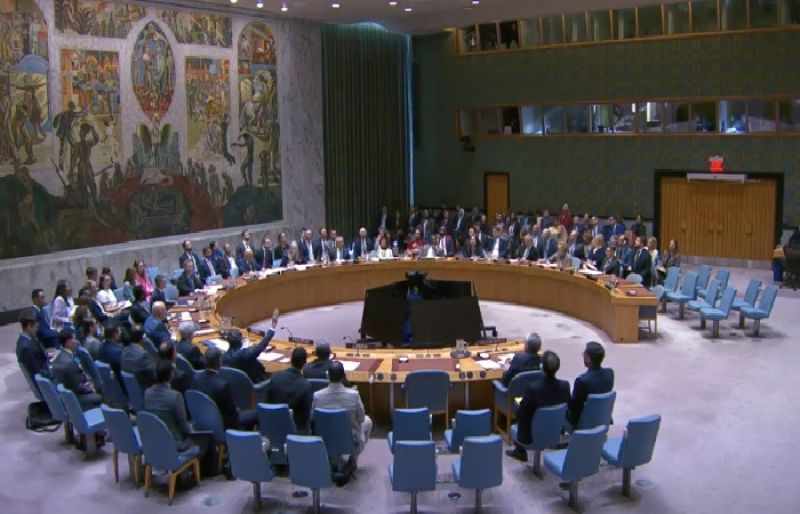
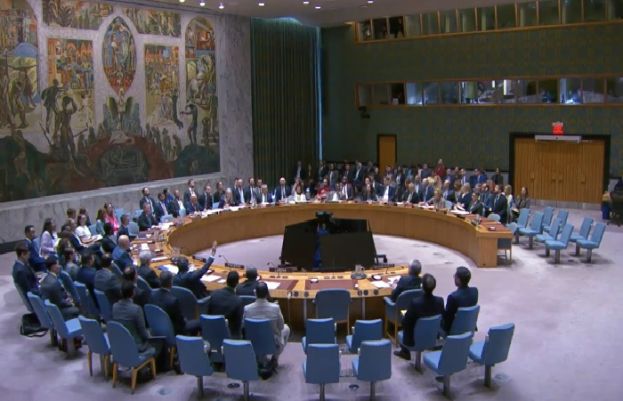
Russia and China vetoed a UN Security Council resolution on Tuesday that called for states to coordinate efforts to protect commercial shipping in the Strait of Hormuz.
The draft resolution, prepared by Bahrain and supported by the United States, received 11 votes in favor, two against and two abstentions – Pakistan and Colombia.
The text was already diluted from the initial goal of obtaining clearance to “unblock” the strait by force.
The latest draft “strongly encourages states… to coordinate efforts, defensive in nature, commensurate to the circumstances, to contribute to ensuring the safety and security of navigation, including through the escort of merchant and commercial vessels.”
It also “demands” that Iran “immediately cease all attacks against merchant and commercial vessels and any attempt to impede transit passage or freedom of navigation in the Strait of Hormuz.”
The critical waterway has been nearly blocked since the United States and Israel launched their war of aggression on February 28, sending ripple effects throughout the global economy.
Iran says it has not blocked the strait but imposed restrictions due to the security conditions created in the wake of the war on the country.
Tehran says all vessels must coordinate with it before trying to pass the waterway, which lies within its territorial waters.
It says it will not allow ships affiliated with the aggressors and their supporters to pass through the strait.
The Iranian Parliament has recently been discussing legislation to create a new legal regime for the strait to charge fees for safe transit through the strait.
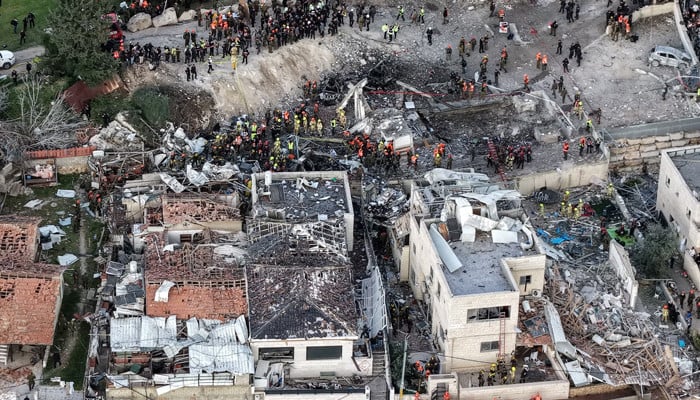
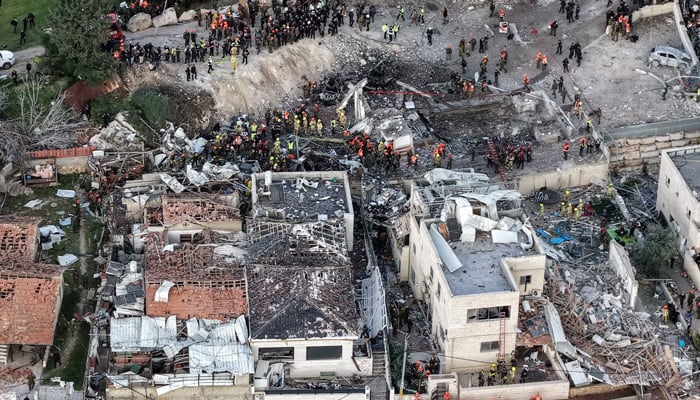
Iran has outlined a 10-point framework to end the war with the United States, setting out sweeping military, economic and strategic conditions, as President Donald Trump agreed to a two-week ceasefire with Iran, less than two hours before his deadline after Pakistan’s mediation.
Iranian National Security Council said that the talks with US will begin in Islamabad on April 11, based on a 10-point plan it has formulated.
Here’s a breakdown of the key proposals:
- “Controlled passage through the Strait of Hormuz in coordination with the Iranian armed forces, which would grant Iran a unique economic and geopolitical position,”
- “the necessity of ending the war against all elements of the axis of resistance,”
- “the withdrawal of US combat forces from all bases and deployment points in the region,”
- “the establishment of a safe transit protocol in the Strait of Hormuz in a way that guarantees Iran’s dominance according to the agreed protocol,”
- “full payment of Iran’s damages according to estimates,”
- “the lifting of all primary and secondary sanctions, ”
- “removal of resolutions imposed by international bodies, including oversight authorities,”
- “the release of all Iranian assets and properties frozen abroad,”
- “acceptance of Iran’s uranium enrichment programme as part of the agreement,”
- “and finally the ratification of all these matters in a binding Security Council resolution.”
The plan was shared through mediators, including Pakistan, amid urgent diplomatic efforts to halt escalating conflict.
The United States has described the proposal as a “workable basis” for talks, signalling potential progress towards a ceasefire and broader agreement.
Trump’s announcement on social media represented an abrupt turnaround from earlier in the day, when he issued an extraordinary warning that “a whole civilization will die tonight” if his demands were not met.
Prime Minister Shehbaz Sharif, who helped mediate the ceasefire, said in a post on X that he had invited Iranian and US delegations to meet in Islamabad on Friday.
Trump said the last-minute deal was subject to Iran’s agreement to pause its blockade of oil and gas supplies through the strait, which typically handles about one-fifth of global oil shipments.
Iran’s foreign minister, Abbas Araghchi, said in a statement that Tehran would stop counter-attacks and provide safe passage through the waterway.
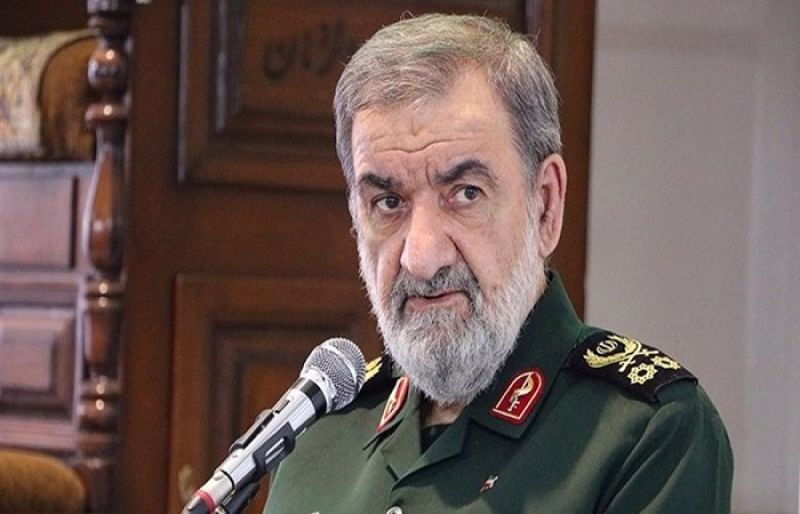
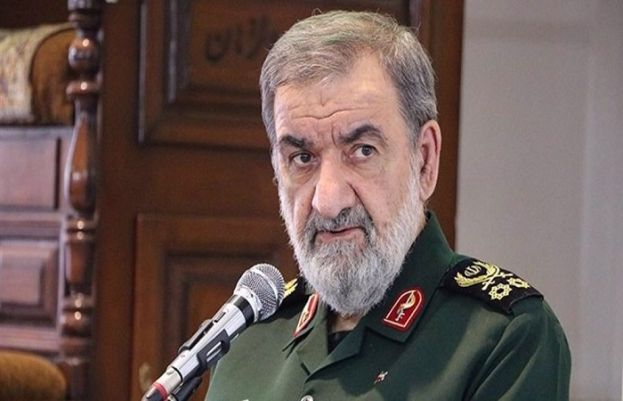
A senior advisor to the Leader of the Islamic Revolution warns that the US will “burn in a greater inferno” in the event of any reckless move against Iran.
Iran’s crushing retaliatory strikes have created “dark days” for the United States, forcing US generals and the international community to pressure Washington into a retreat, Mohsen Rezaei wrote in a message on X.
Rezaei, also a member of Iran’s Expediency Discernment Council, said that Iran’s Armed Forces have dealt such heavy blows to the enemy that US military leaders and world governments and nations are now pushing Donald Trump to end the aggression against Iran.
However, Rezaei noted that Israel’s prime minister Benjamin Netanyahu has forced Trump into a “political suicide” by prolonging this illegal war.
“Any reckless move by Washington will only see the United States burn in a greater regional inferno,” Rezaei, a former IRGC chief commander, said.
Since the US and Israel launched their war of aggression against Iran on February 28, Iranian ballistic missiles and drones have repeatedly hit US facilities in the Persian Gulf countries and the Israeli-occupied territories.
Meanwhile, US troops are reporting overwhelming stress and disillusionment, with many considering leaving the military, according to reports.
Some US troops have reportedly told their veteran mentors that they “do not want to die for Israel.”
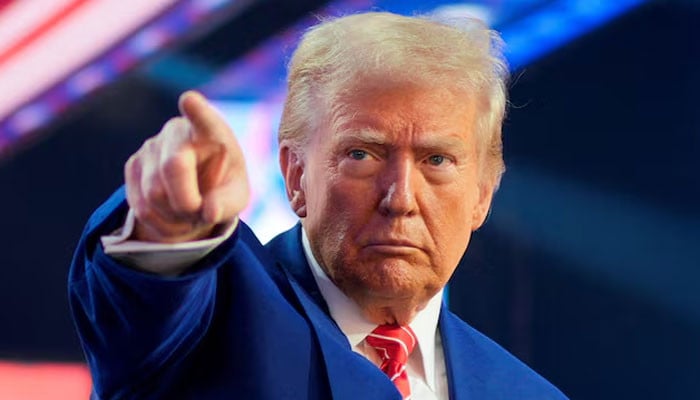
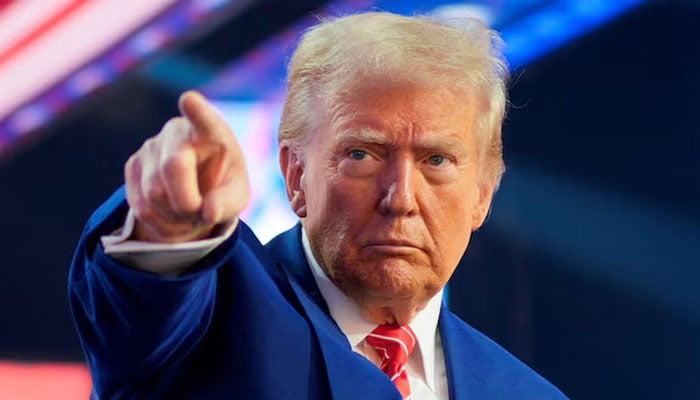
WASHINGTON: Donald Trump’s increasingly apocalyptic threats of destruction in Iran have raised concerns of just how far the US president might go militarily to bend the Islamic republic to his will.
Trump announced Tuesday that “a whole civilisation will die” if Iran does not heed his ultimatum to accept US war demands, while Vice President JD Vance warned that Washington had additional “tools in our toolkit” that could be deployed against Tehran.
New ‘tools’
The United States has already used a wide variety of military capabilities in the conflict to strike thousands of targets in Iran.
“The US has employed a significant number of its most advanced capabilities in the war – air assets, cruise missiles, advanced stealth bombers, one-way attack drones,” said Daniel Schneiderman, director of global policy programmes at Penn Washington, the University of Pennsylvania’s center in the nation’s capital.
There may be “exquisite unique hypersonic capabilities or other bespoke systems that could be used against specific targets,” he said.
But “unless we’re talking about nuclear weapons, I don’t think the administration has limited itself in terms of what it is employing.”
US officials have also refused to rule out the deployment of ground troops – a step that would mark a major escalation in the war.
Etienne Marcuz, associate researcher at French think-tank FRS, said that “among the things they can still do, there is the possibility of cyber” warfare.
Trump has said US forces employed a weapon he referred to as the “discombobulator” during the January raid to capture Venezuelan leader Nicolas Maduro that helped disable the country’s military equipment.
Nuclear option ‘unlikely’
Trump’s threat to wipe out Iranian civilisation has sparked speculation that nuclear weapons could be employed in Iran. In addition to massive city-destroying strategic warheads, Washington also possesses smaller “tactical” weapons designed to be used on the battlefield.
The United States is the only country to have used nuclear weapons in combat – against Japan late in World War II – and Trump ordered a resumption of nuclear testing last year.
The White House pushed back Tuesday against suggestions that Washington could target Iran with nuclear weapons, saying that “literally nothing” Vance said implied it would do so.
Schneiderman said it is “highly unlikely that the US will choose to use nuclear weapons against Iran. It is the ultimate Rubicon to cross.”
He noted that consequences of a nuclear strike include “the loss of life and human suffering that would be unleashed, the global economic turmoil and environmental impacts of nuclear fallout circulating in the atmosphere, and the rendering of Iran’s oil and natural gas exports functionally unusable.”
Marcuz agreed, saying the “political cost of such a deployment would be enormous,” and that it could “pave the way for similar action by Russia in Ukraine.”
What will US do?
Trump has already threatened that the United States could bomb Iran’s bridges, power plants and other civilian infrastructure into the “stone age.”
If Trump’s ultimatum expires Tuesday without a deal, “there’s a possibility the administration escalates their attacks on dual-use infrastructure like bridges and power and energy systems,” Schneiderman said.
“The risk of lasting damage to Iran’s infrastructure and the immiseration of the population above and beyond what they’re already experiencing is significant,” he said.
“The likelihood that these strikes achieve a strategic effect on the course of the war is minimal, and the likelihood they harm the civilian population is high.”

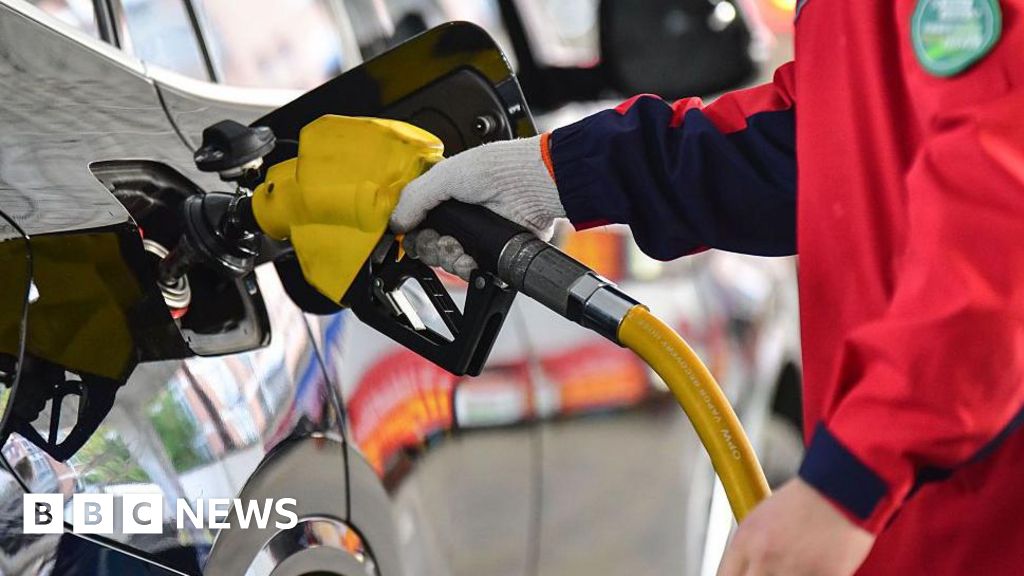
Oil slides after US-Iran ceasefire deal to open Strait of Hormuz

What are the 10 points tabled by Iran for ending war with US?

Iranian athletes respond to Trump’s warning that ‘a whole civilization will die tonight’

-
Uncategorized5 days ago
[CinePlex360] Please moderate: “Trump signals p
-
Uncategorized1 week ago
[CinePlex360] Please moderate: “Further tariff
-

 Entertainment4 days ago
Joe Jonas shares candid glimpse into parenthood with Sophie Turner
-

 Tech4 days ago
Our Favorite iPad Is $50 Off
-

 Fashion7 days ago
China’s Anta Sports posts record $11.62 bn revenue in 2025
-
 Politics4 days ago
Iran can sustain Strait of Hormuz closure for years, will cut US military logistics: Official
-

 Sports4 days ago
UConn Final Four run could trigger a $50M furniture giveaway for Massachusetts-based Jordan’s Furniture
-
 Politics1 week ago
Trump considers asking Arab allies to help to pay for Iran war