

Politics
Iranians flood streets in celebration after ceasefire announcement

The United States and Iran have agreed to a two-week ceasefire, less than two hours before US President Donald Trump’s deadline for Tehran to reopen the Strait of Hormuz, after discussions with Prime Minister Shehbaz Sharif and Chief of Army Staff (COAS) and Chief of Defence Forces (CDF) Field Marshal Asim Munir.
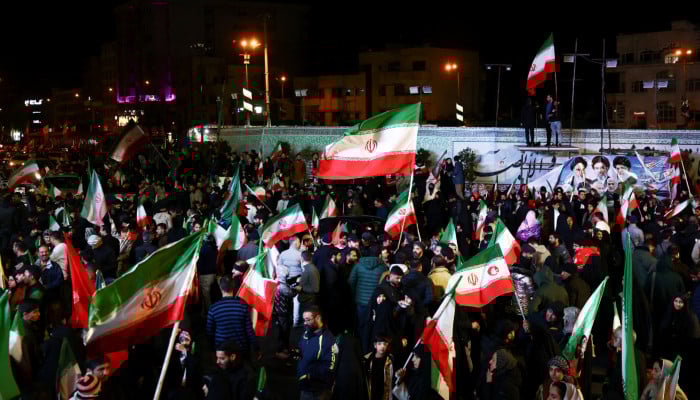
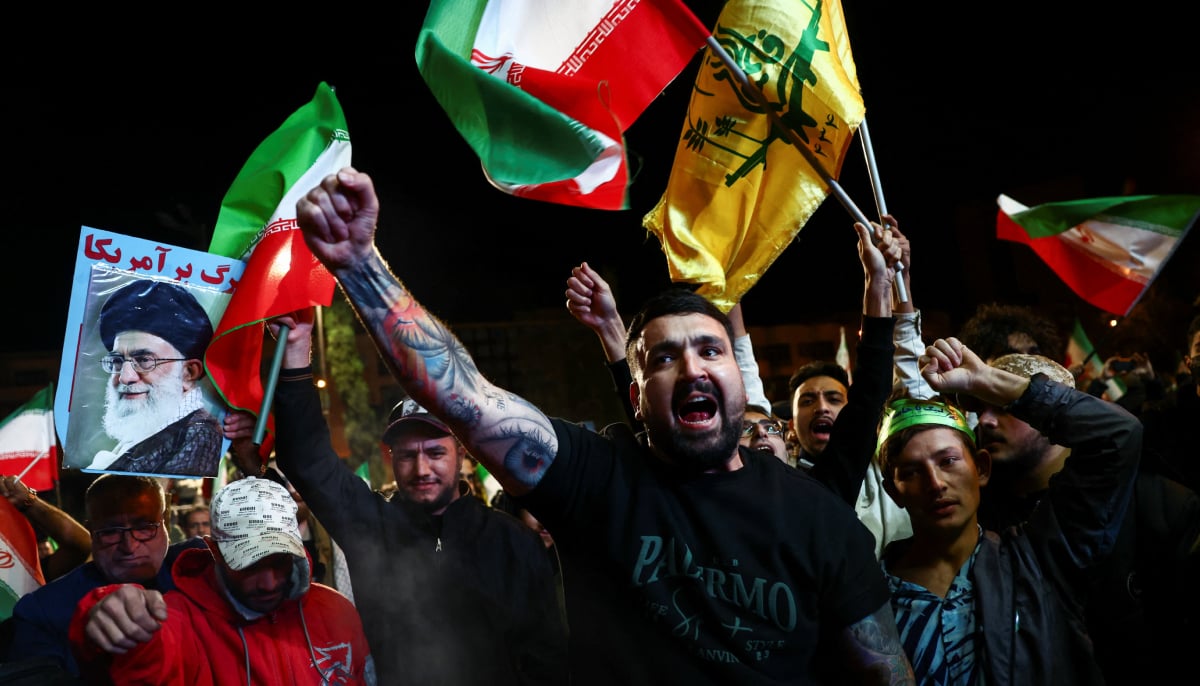
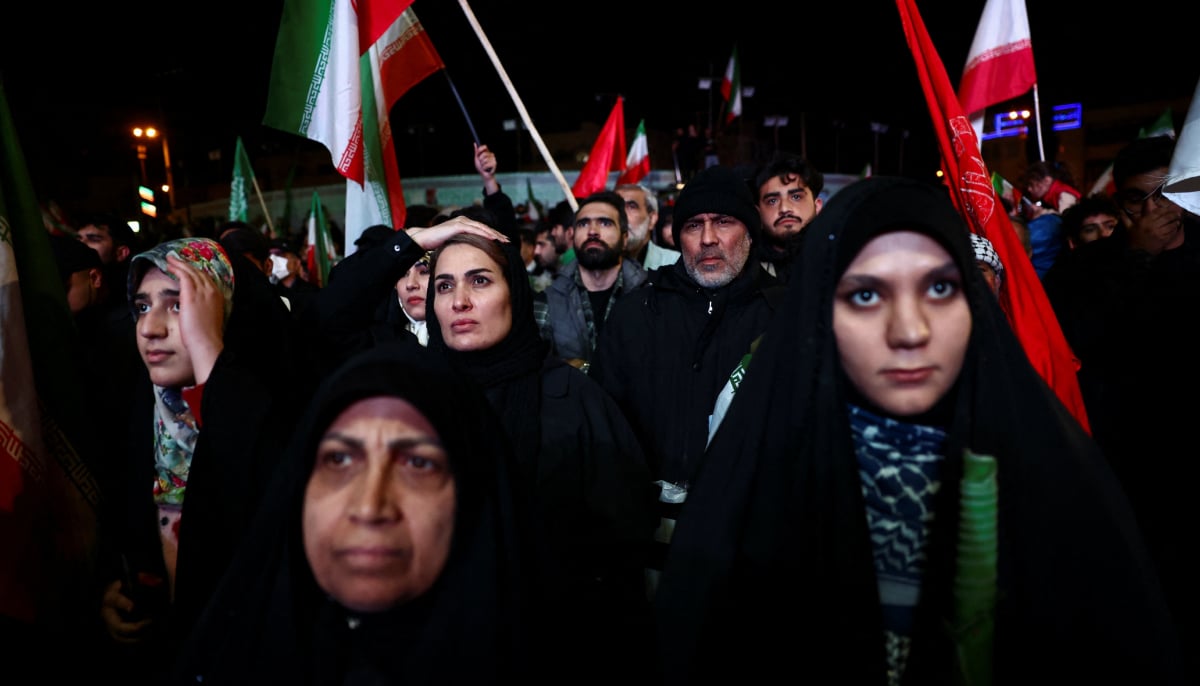
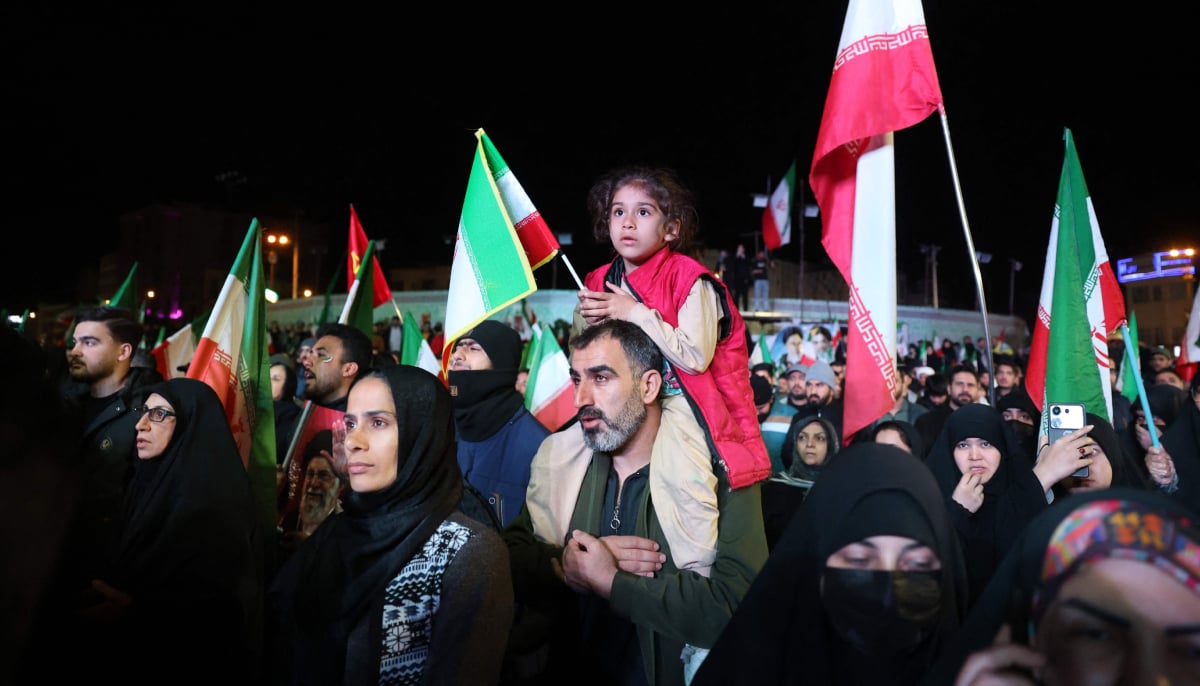
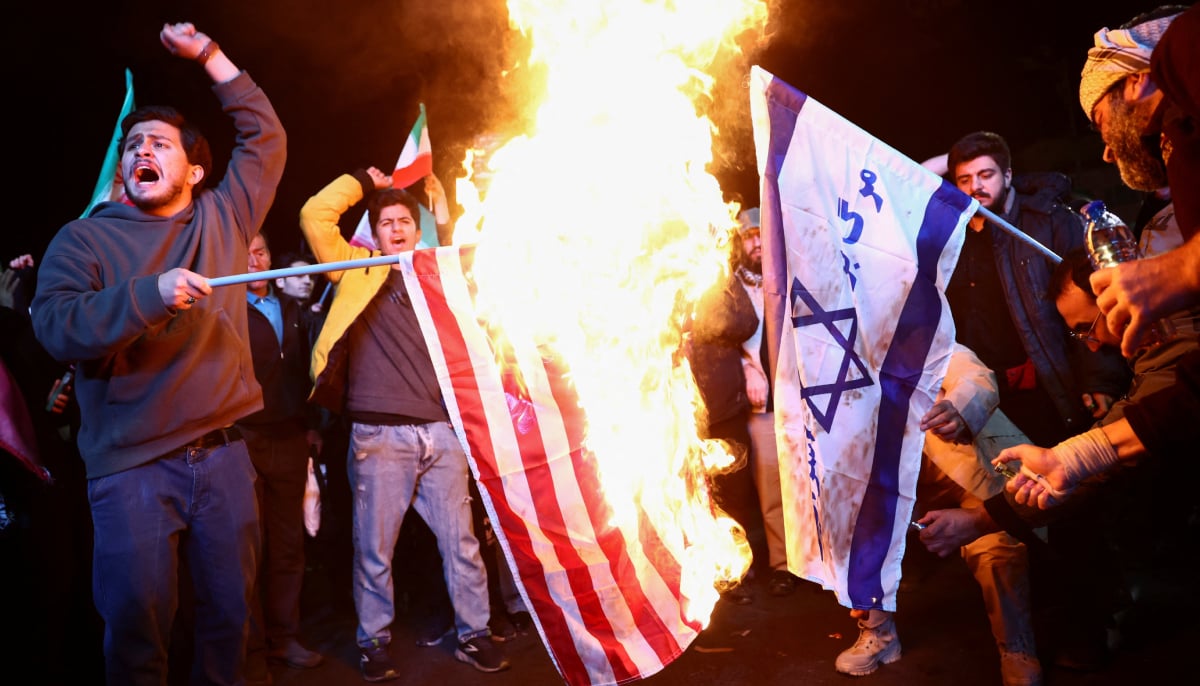
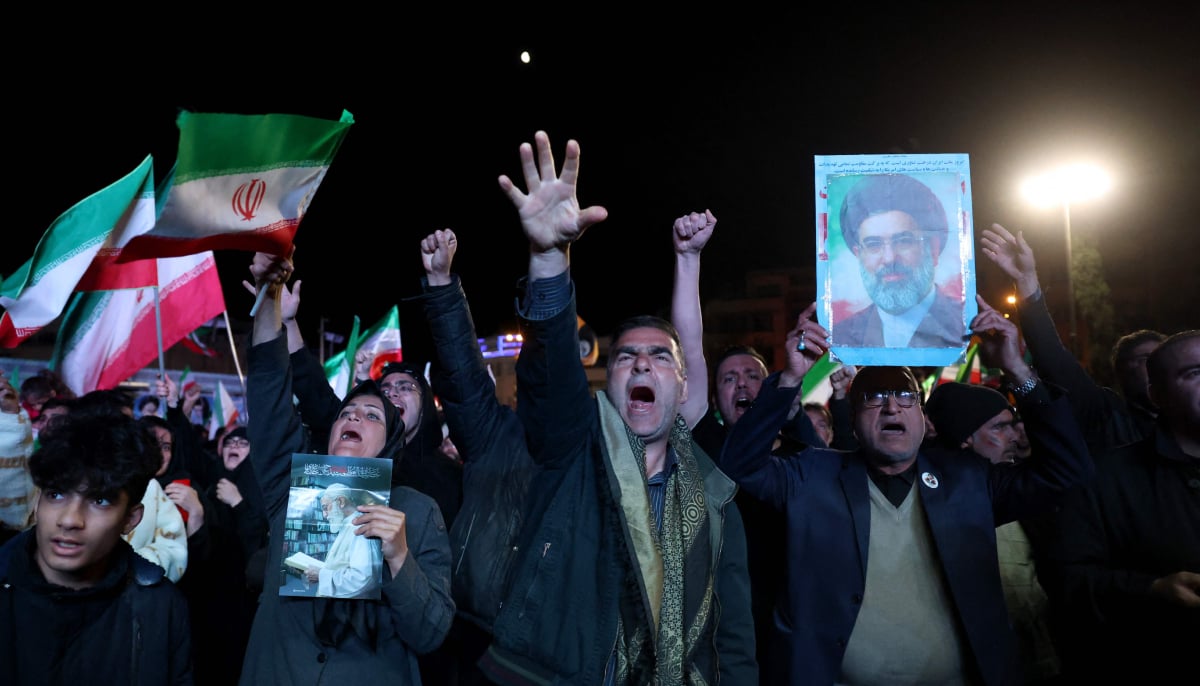
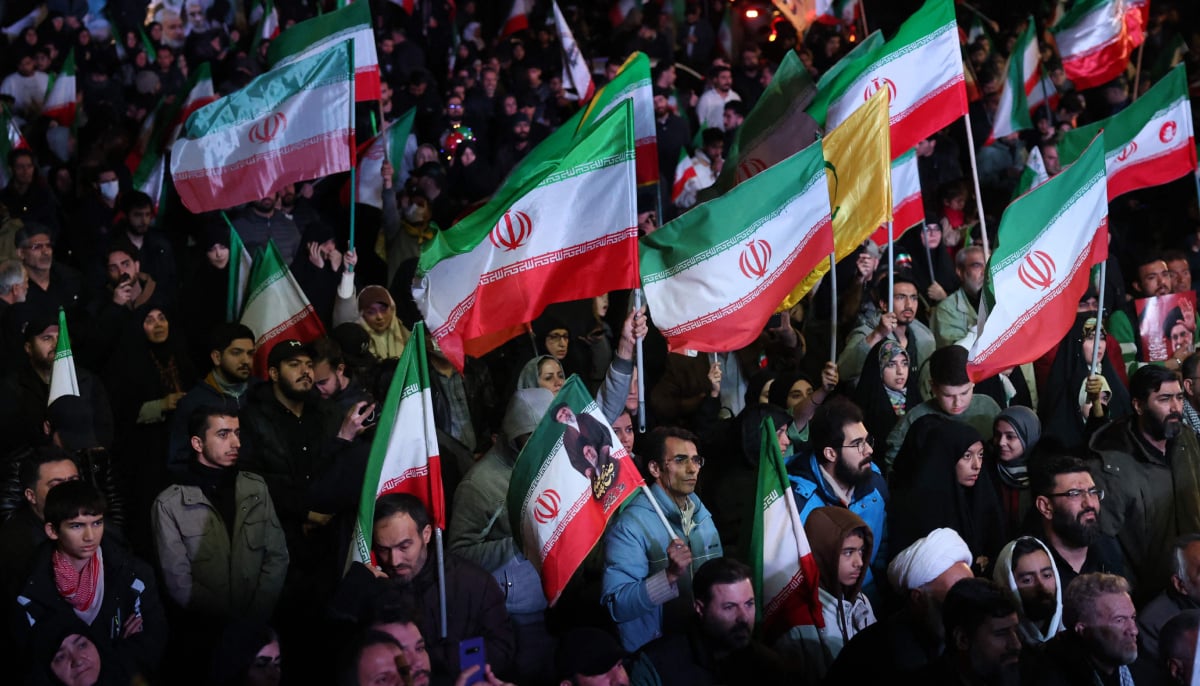
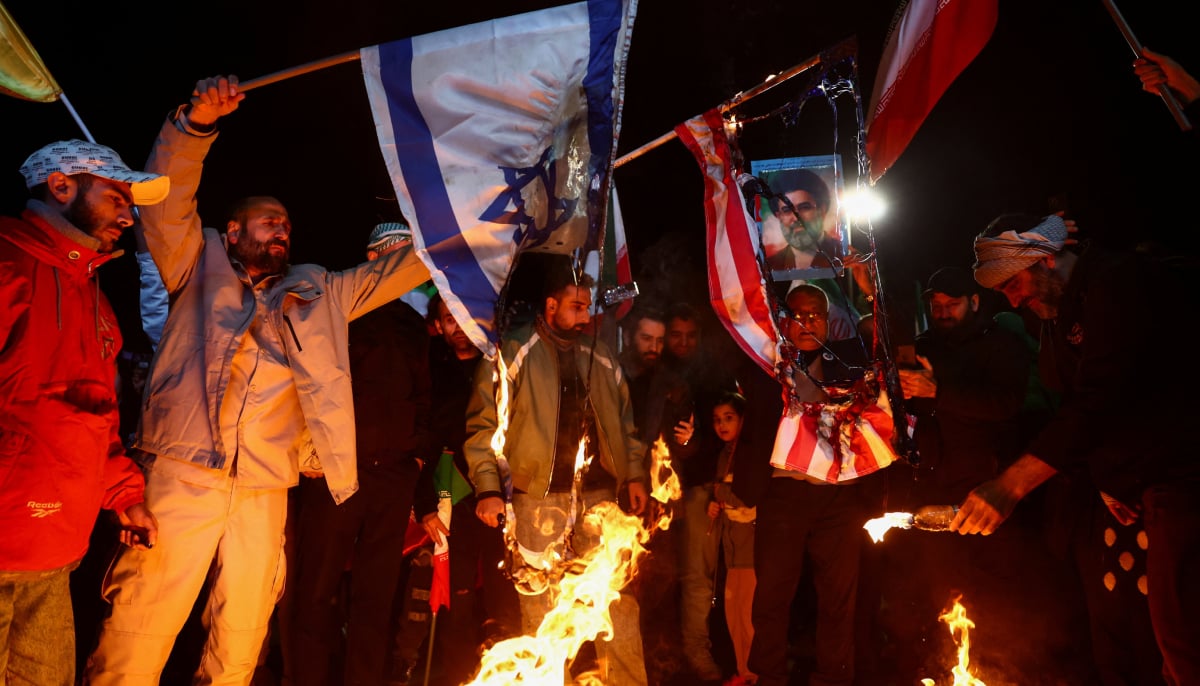
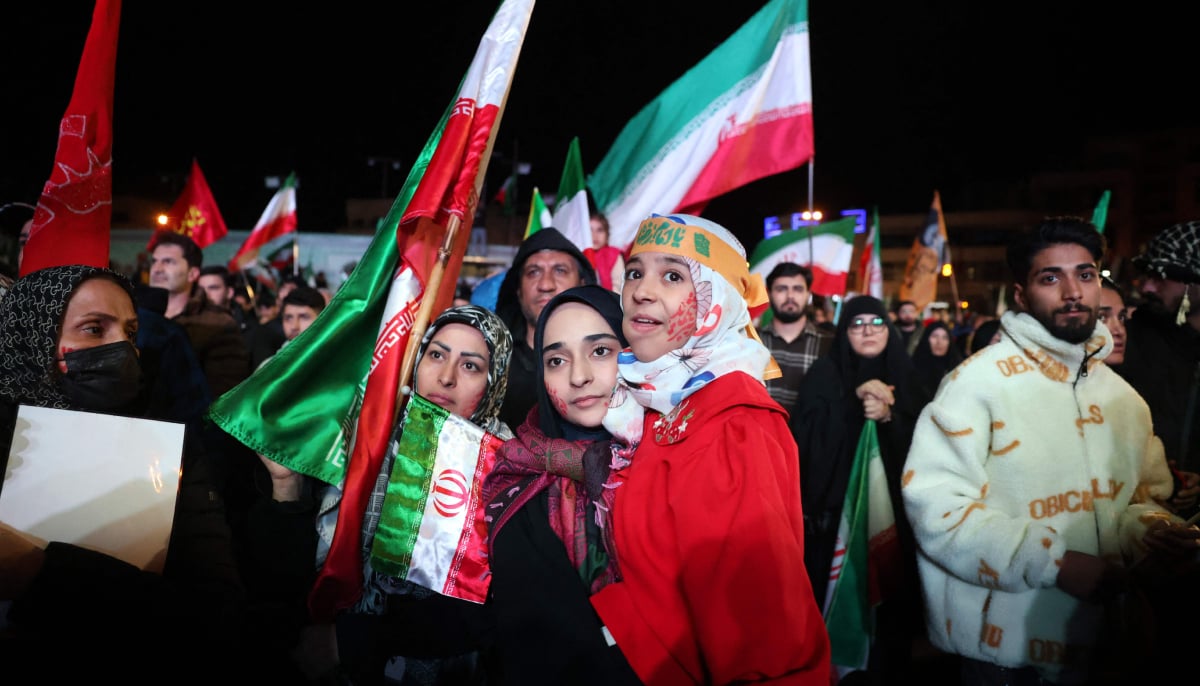
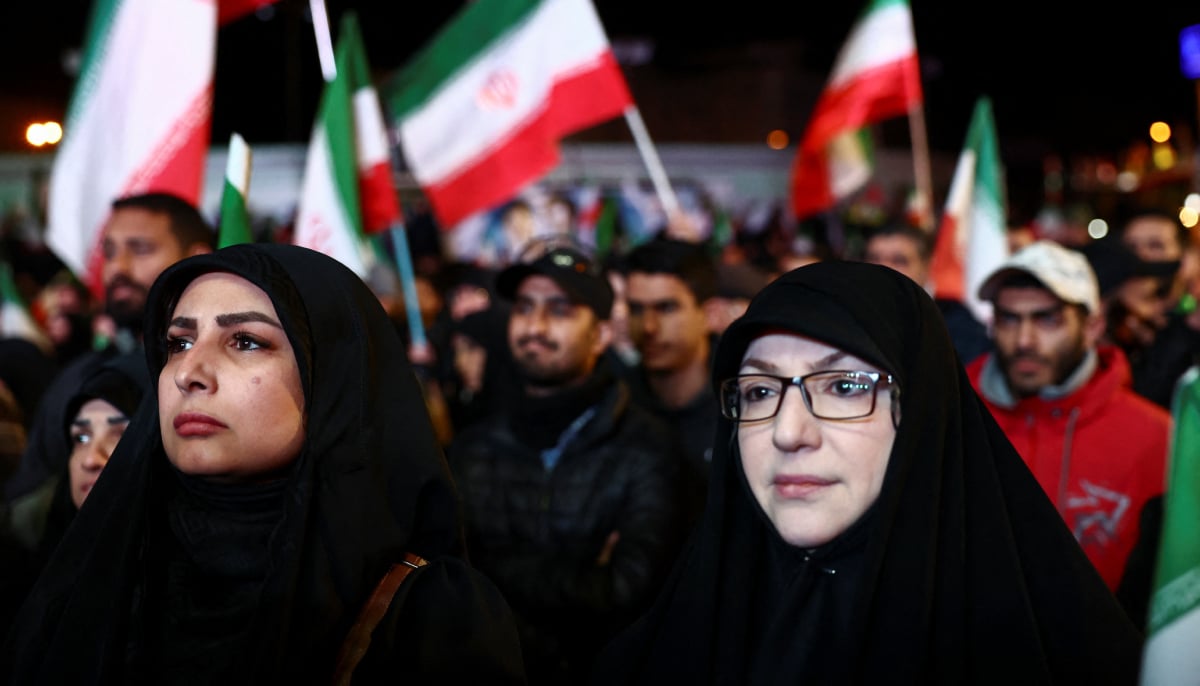
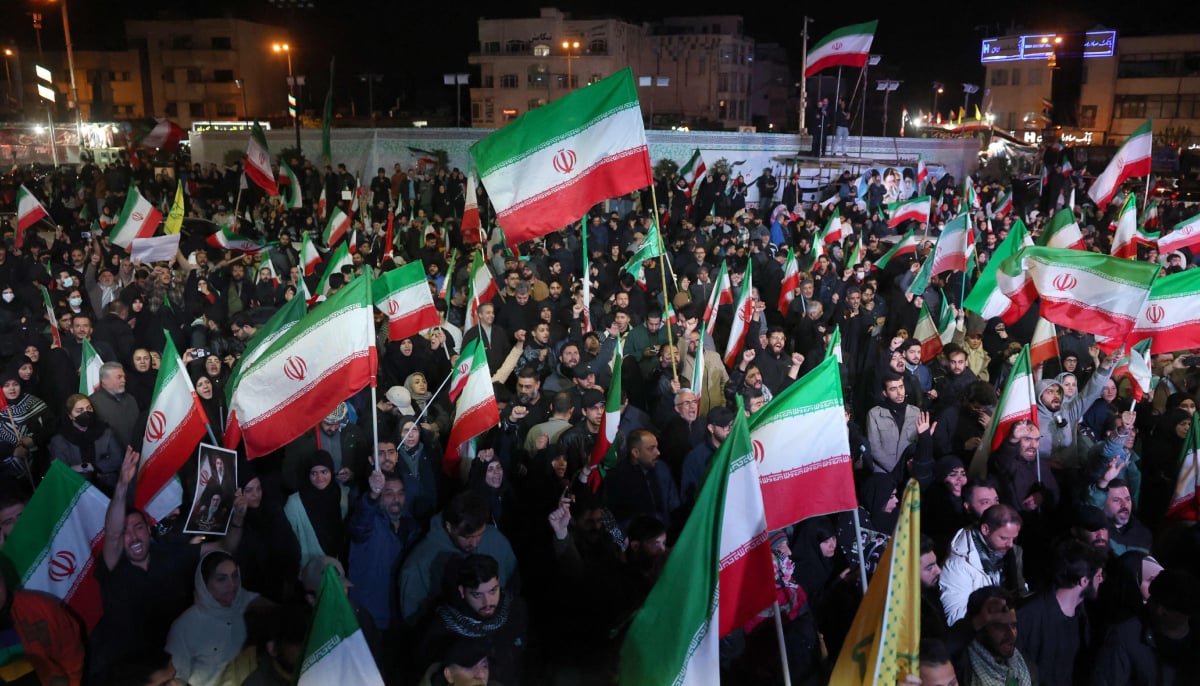
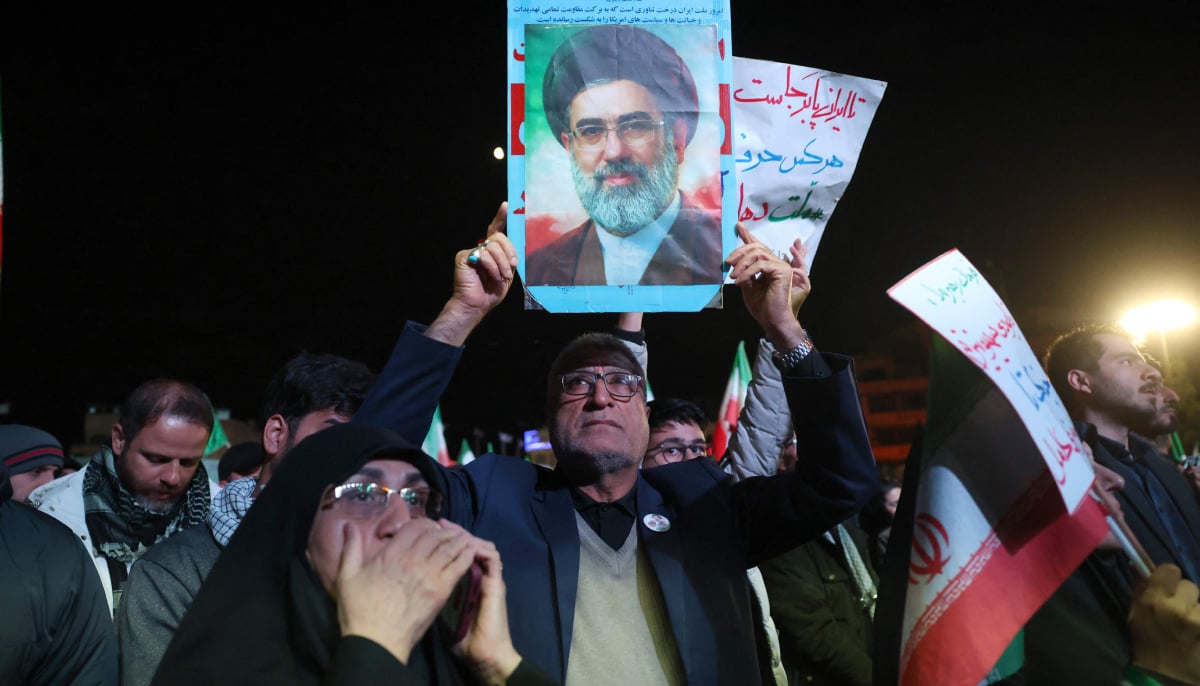
Following the announcement, a large number of Iranian people took to the streets, celebrating the development and hailing the country’s leadership. They also torched the flags of the US and Israel.
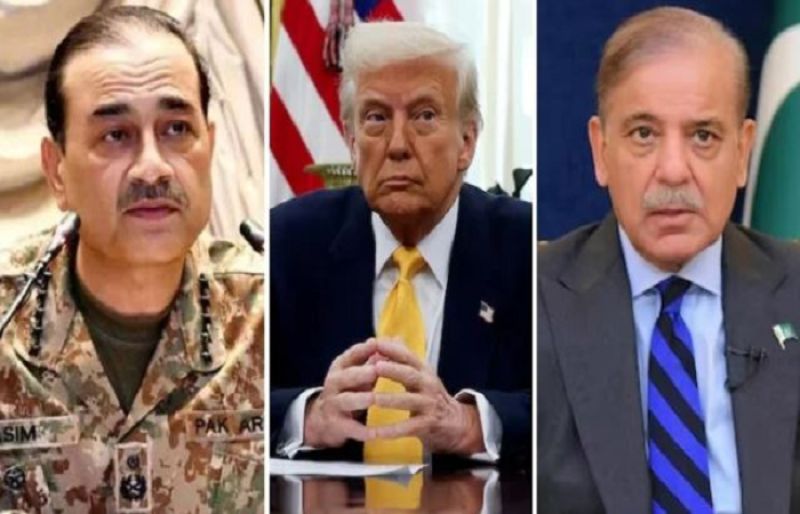
US President Donald Trump said on Wednesday that he had agreed to a two-week ceasefire with Iran, less than two hours before his deadline for Tehran to reopen the Strait of Hormuz, after discussions with Prime Minister Shehbaz Sharif and Chief of Army Staff (COAS) and Chief of Defence Forces (CDF) Field Marshal Asim Munir.
Trump’s announcement represented an abrupt turnaround from earlier in the day, when he issued an extraordinary warning that “a whole civilization will die tonight” if his demands were not met. The US president had set an 8pm ET deadline for April 8.
In a statement posted on social media, Trump said the decision was contingent upon Iran agreeing to the “complete, immediate, and safe opening” of the Strait of Hormuz, describing the arrangement as a “double-sided ceasefire”.
“This will be a double sided CEASEFIRE!” Trump wrote on his Truth Social platform. “The reason for doing so is that we have already met and exceeded all Military objectives, and are very far along with a definitive Agreement concerning Longterm PEACE with Iran, and PEACE in the Middle East.”
Trump further revealed that Washington had received a 10-point proposal from Tehran, which he described as a “workable basis” for negotiations, adding that most longstanding points of contention between the two sides had already been addressed.
He said the two-week pause would provide an opportunity to finalise and formalise a comprehensive agreement aimed at ending hostilities.
Calling the development a step towards resolving a longstanding conflict, Trump said it was an “honour” to bring the issue close to resolution on behalf of the United States and the wider Middle East region.
Meanwhile, Iranian state TV flashed an announcement claiming that Trump had accepted Iran’s terms for ending the war, describing it as a “humiliating retreat” by the US president.
Two White House officials confirmed that Israel has also agreed to the two-week ceasefire and to suspend its bombing campaign on Iran.
His announcement comes hours after PM Shehbaz posted on X, saying that diplomatic efforts for peaceful settlement of the ongoing war in the Middle East were “progressing steadily, strongly and powerfully with the potential to lead to substantive results in the near future.”
“To allow diplomacy to run its course, I earnestly request President Trump to extend the deadline for two weeks.”
He also requested Iran to open the Strait of Hormuz for a corresponding period of two weeks. “Pakistan, in all sincerity, requests the Iranian brothers to open the Strait of Hormuz for a corresponding period of two weeks as a goodwill gesture.
“We also urge all warring parties to observe a ceasefire everywhere for two weeks to allow diplomacy to achieve conclusive termination of war, in the interest of long-term peace and stability in the region,” he added.
Talks in Islamabad
Meanwhile, Iran’s Supreme National Security Council has also confirmed the two-week ceasefire, saying that Pakistan’s prime minister has informed that the US has accepted Iran’s 10-point plan as the basis for negotiations.
“Accordingly, it was decided at the highest level that Iran will hold negotiations with the American side in Islamabad for two weeks and solely on the basis of these principles. This time can be extended by agreement of the parties,” the council said in a statement.
“It is emphasised that this does not mean an end to the war and Iran will accept an end to the war only when — in view of Iran’s acceptance of the principles envisaged in the 10-point plan — its details are also finalised in the negotiations,” it added.
The council added that if the “surrender of the enemy in the field becomes a decisive political achievement in the negotiations, we will celebrate this great historical victory together.”
“Our hands are on the trigger, and as soon as the slightest mistake by the enemy is made, it will be responded to with full force,” it concluded.
Separately, Iranian Foreign Minister Abbas Araghchi said that a safe passage through the Hormuz Strait is possible for two weeks via coordination with armed forces.
He has shared a statement on behalf of Iran’s Supreme National Security Council declaring that “if attacks against Iran are halted, our Powerful Armed Forces will cease their defensive operations”.
Abrupt turnaround
The abrupt turnaround capped a whirlwind day that was dominated by Trump’s threat to destroy every bridge and power plant in Iran unless Tehran reopened the strait, which unnerved world leaders, rattled global financial and energy markets and drew widespread condemnation, including criticism from the head of the United Nations and Pope Leo.
As the clock ticked down to Trump’s 8pm ET deadline, US and Israeli strikes on Iran intensified, hitting railway and road bridges, an airport and a petrochemical plant. US forces attacked targets on Kharg Island, home to Iran’s main oil export terminal.
In response, Iran declared it would no longer hold back from hitting its Gulf neighbours’ infrastructure and said it had carried out fresh strikes on a ship in the Gulf and a huge Saudi petrochemical complex.
Booms were heard in Doha late on Tuesday night, according to a Reuters witness in the Qatari capital.
The war, now in its sixth week, has claimed more than 5,000 lives in nearly a dozen countries, including more than 1,600 civilians in Iran, according to tallies from government sources and human rights groups.
The closure of the strait, through which almost a fifth of the world’s oil supply typically travels, has sharply increased oil prices, escalating the chances of a global economic downturn or even recession.
With the US midterm election campaign ramping up, Trump’s approval ratings have hit their lowest level ever, leaving his Republican Party at risk of losing its grip on Congress. Polls show sizable majorities of Americans opposed to the war and frustrated by the rising cost of gasoline.
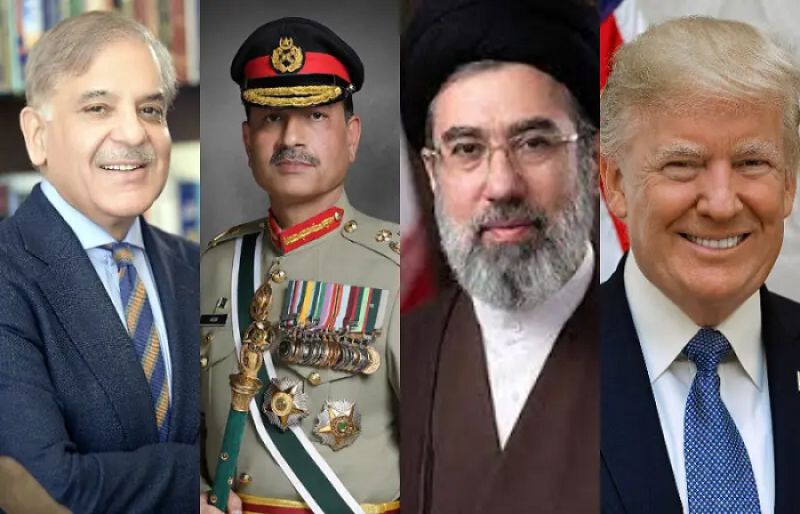

The United Kingdom, New Zealand, and Kazakhstan all commended Pakistan on Wednesday for its diplomatic efforts to secure a temporary ceasefire between the United States and Iran.
UK praises Pakistan’s diplomatic role in ceasefire
British High Commissioner to Pakistan Jane Marriott welcomed the development, saying on X, “Thank you, Pakistan, for the quiet, effective, diplomatic role you have played in bringing about this vital ceasefire.”
New Zealand praises Pakistan’s role in ceasefire
New Zealand’s Foreign Minister Winston Peters expressed gratitude to Pakistan, Turkiye, and Egypt for their efforts.
In a post on X, he said, “New Zealand welcomes the announcements by the United States and Iran over the past few hours — as we welcome all efforts to bring an end to this conflict.
While this is encouraging news, there remains significant important work to be done in the coming days to secure a lasting ceasefire.
We are grateful for the work of Pakistan, and others such as Turkiye and Egypt, to seek to find a solution to the crisis.”
Kazakhstan hails Pakistan’s mediation in US-Iran truce
Kazakhstan President Kassym-Jomart Tokayev also lauded Pakistan’s mediation, noting that the agreement was “reached with the mediation of Prime Minister of Pakistan Shehbaz Sharif and Chief of Army Staff of Pakistan, Field Marshal Asim Munir.”
He added that the truce became possible due to “the goodwill and wisdom of the President of the United States, Donald Trump, and the senior leadership of Iran, as well as all countries involved in the military conflict.”
The president expressed hope that the ceasefire will be long-lasting and contribute to global trade and economic prosperity.
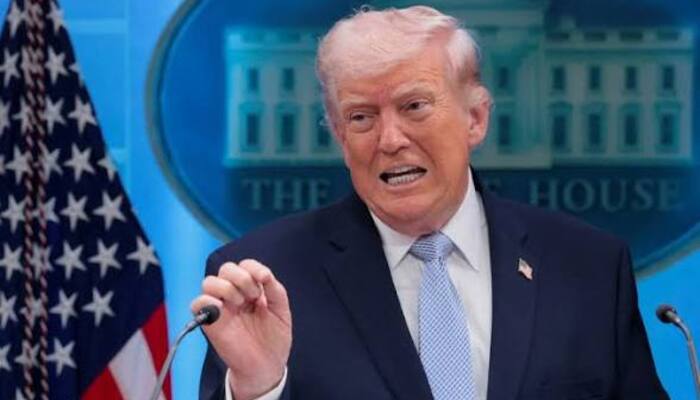
- Trump says Tehran’s uranium to be “perfectly taken care of.”
- Iran casts US truce as a win for Tehran amid Trump claims.
- Two sides agree on ceasefire barely an hour before deadline.
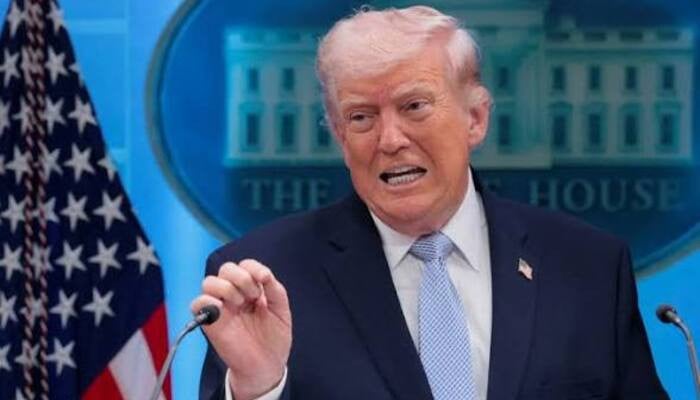
President Donald Trump told AFP on Tuesday that the United States had won a “total and complete victory” after agreeing a two-week ceasefire deal with Iran.
In a telephone call, Trump said he believed China had persuaded Iran to negotiate, and said Tehran’s enriched uranium would be “perfectly taken care of.”
The ceasefire deal came after more than a month of destructive attacks by the United States and Israel, and followed mediation by Pakistan.
The US leader appeared bullish on the truce with Iran, despite Tehran also casting it as a win for its side, and amid questions over exactly what both sides had agreed on.
The two sides agreed on the ceasefire barely an hour before Trump’s deadline to obliterate the Islamic republic was set to expire.
“Total and complete victory. 100%. No question about it,” Trump told AFP in the brief call when asked if he was claiming victory with the ceasefire.
With uncertainty over arrangements for the reopening of the Strait of Hormuz to oil traffic in particular, Trump insisted there was a strong framework for a longer-term deal.
“We have a 15-point transaction, of which most of those things have been agreed on. We’ll see what happens. We’ll see if it gets there,” Trump said.
The Republican president had said in his earlier announcement on his Truth Social network that Iran had given a 10-point proposal which was “workable.”
Trump would not say whether he would go back to his original threats to lay waste to Iran’s civilian power plants and bridges if the deal fell apart.
“You’re going to have to see,” Trump told AFP.
Uranium ‘taken care of’
The fate of Iran’s store of enriched uranium is another key question, after a war that the US president said was partially aimed at ensuring Iran could never get a nuclear weapon.
But Trump insisted that the nuclear material would be covered by any peace deal.
“That will be perfectly taken care of, or I wouldn’t have settled,” Trump said, without giving any specifics about what would happen to the uranium.
Trump said that he believed China had played a role in getting Iran to the negotiating table.
“I hear yes,” Trump said when asked if Beijing was involved in getting key ally Tehran to negotiate on a truce.
The US president is due to travel to Beijing in mid-May to meet Chinese counterpart Xi Jinping, in a crucial summit between the two superpowers.
The trip was originally scheduled for early April but Trump postponed it, saying he had to stay in Washington to oversee the Iran war.
Beijing is a close partner of Tehran and the main buyer of Iranian oil, most of which passes through the Strait.
But it also has strong economic ties to the Gulf countries and has repeatedly criticised attacks on them by Iran.


How Michigan’s Michael Hage used hockey to help overcome tragedy

Cardigan: Concerns for ‘prettiest’ high street famed for Independent shops

Sri Lankan garment exports down 6% in Jan-Feb 2026

-
Uncategorized6 days ago
[CinePlex360] Please moderate: “Trump signals p
-
Uncategorized1 week ago
[CinePlex360] Please moderate: “Further tariff
-

 Entertainment5 days ago
Joe Jonas shares candid glimpse into parenthood with Sophie Turner
-

 Tech5 days ago
Our Favorite iPad Is $50 Off
-

 Fashion1 week ago
China’s Anta Sports posts record $11.62 bn revenue in 2025
-
 Politics5 days ago
Iran can sustain Strait of Hormuz closure for years, will cut US military logistics: Official
-

 Sports5 days ago
UConn Final Four run could trigger a $50M furniture giveaway for Massachusetts-based Jordan’s Furniture
-
 Politics1 week ago
Trump considers asking Arab allies to help to pay for Iran war