

Fashion
Indian carpet makers bear tariff brunt; BTA talks reignite hopes

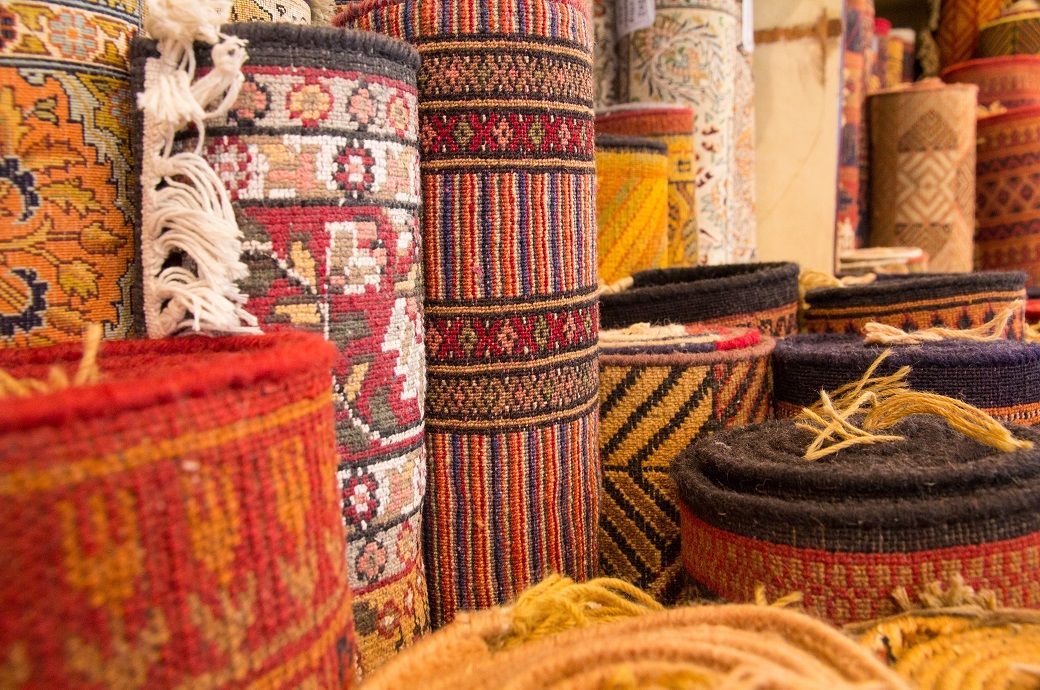
According to reports, the United States accounts for approximately 60 per cent of India’s carpet exports, and in FY25, of the around $1.5 billion worth of carpets shipped globally, over $920 million was reportedly exported to the US market alone.
India’s carpet industry, severely impacted by 50 per cent US tariffs, is hoping the renewed India-US trade negotiations make a breakthrough soon.
The US market accounts for approximately 60 per cent of India’s carpet exports, supporting the livelihoods of more than 2 million people nationwide.
With US orders on hold due to tariffs, carpet makers fear losing market share to competitors.
While this segment may not rival other major export-driven sectors in terms of revenue, its socioeconomic impact is substantial.
According to various estimates, the industry directly employs over two million workers, with numbers potentially reaching up to 3.2 million, particularly women, in rural areas. This labour-intensive sector, especially the handmade carpet segment, sustains the livelihoods of a large number of artisans and weavers, including those in the Mirzapur-Bhadohi region of Uttar Pradesh, a key hub for the industry.
However, the recently imposed US tariffs have severely disrupted this once thriving, export-driven industry. According to industry stakeholders, orders from US buyers have dropped sharply since the tariff announcement, triggering widespread layoffs and production halts across major carpet manufacturing centres such as Bhadohi (Uttar Pradesh), Panipat (Haryana), Jaipur and Bikaner (both in Rajasthan).
“Labourers are paid based on the square feet of carpet they knit. With shipments stalled, production has nearly stopped, and workers have started going back home,” claimed a Bikaner-based industry player.
A Bhadohi exporter, heavily reliant on the US market, confirmed that operations in his unit have come to a screeching halt, and no consignments have been dispatched to the US in over a month now, signalling a deepening crisis.
Bhadohi, widely regarded as the epicentre of India’s carpet business, is home to around 1,200 exporters who also function as manufacturers. Reports indicate that approximately 1.4 million individuals, including 5–6 per cent women, are directly or indirectly dependent on the industry in this region alone.
With order pipelines drying up, the effect is being felt across the industry. Speaking to the media, an official of the Carpet Export Promotion Council (CEPC) underlined that the carpet industry runs completely on exports with a very negligible domestic presence, and such high tariffs are now threatening the industry as well livelihoods of millions engaged in the industry.
While the Government’s recent move to remove import duties on cotton is expected to offer some relief, but those reliant on wool remain exposed still. Industry insiders now expressed concern that competitor countries such as Pakistan, Bangladesh, and Türkiye could capitalise on India’s weakening foothold in the US market.
However, the resumption of talks between India and the US has rekindled hopes among the carpet exporters, it seems.
A delegation led by US trade negotiator Brendan Lynch met with officials from the Ministry of Commerce in New Delhi yesterday.
Negotiations were suspended last month after President Trump’s 50 per cent tariff announcement and India’s refusal to halt purchases of Russian oil. However, in recent days, optimism has grown as Trump administration officials have taken a more conciliatory tone, and India has confirmed that the discussions are still ongoing for a bilateral trade agreement (BTA).
“…hope the discussions will help to sort out the vexed issue,” a Panipat-based carpet exporter expressed optimism, while adding that a positive resolution is critical not only for reviving exports to the US but also for safeguarding the livelihoods that are intrinsically connected with the industry.
Fibre2Fashion News Desk (DR)









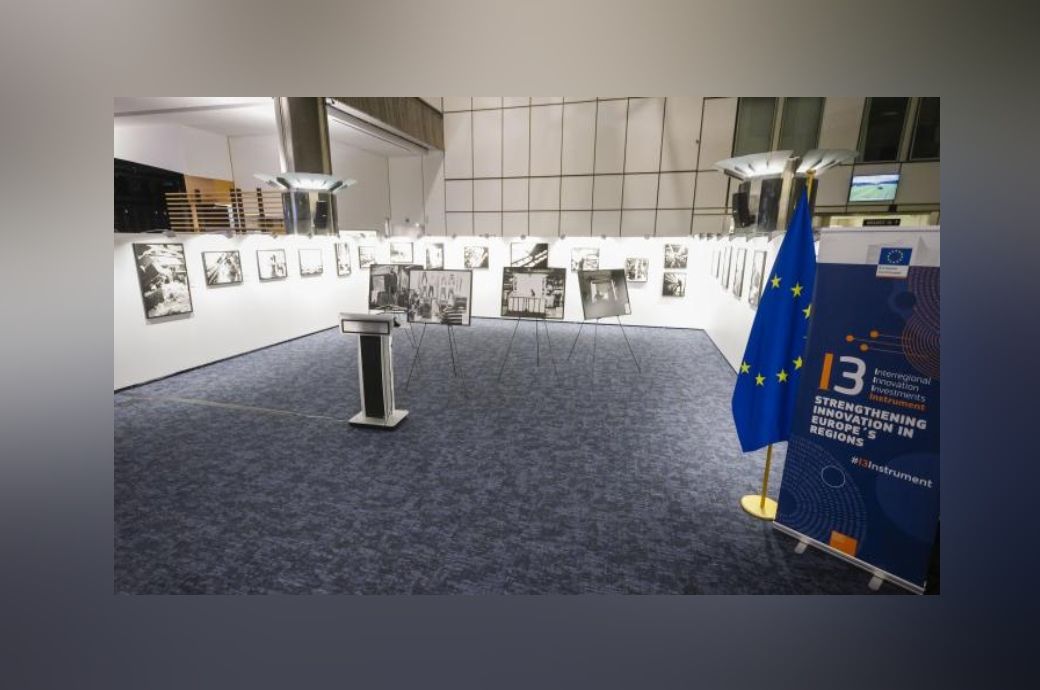
RegioGreenTex was one of the first projects funded under the Interregional Innovation Investments (I3) Instrument programme that focused on process, service and business model innovation, developing advanced textile recycling technologies, regional recycling hubs, and a digital ecosystem for matchmaking and capacity building.
Five regional hubs mapped SME needs and developed services and value chains as well as tools that keep helping SMEs, an official release said.
The RegioGreenTex Digital Tool keeps matchmaking, sharing trainings and hosting the participants’ knowledge base.
The Waste Wizard shows how artificial intelligence-enhanced matchmaking can link leftover textiles with the right reuse or recycling routes.
From recycled-content yarn processes (Tintex) to Recycrom low-impact dyeing (Officina39), ultrasonic quilting for full recyclability (Rovitex) and hybrid recycled-fibre yarns (Hilaturas Mar), the pilots showed concrete, repeatable ways to cut impact without losing performance.
The hubs are now open for collaboration, the digital tools are live and the pilot portfolio is primed for investors and adopters.
Fibre2Fashion News Desk (DS)
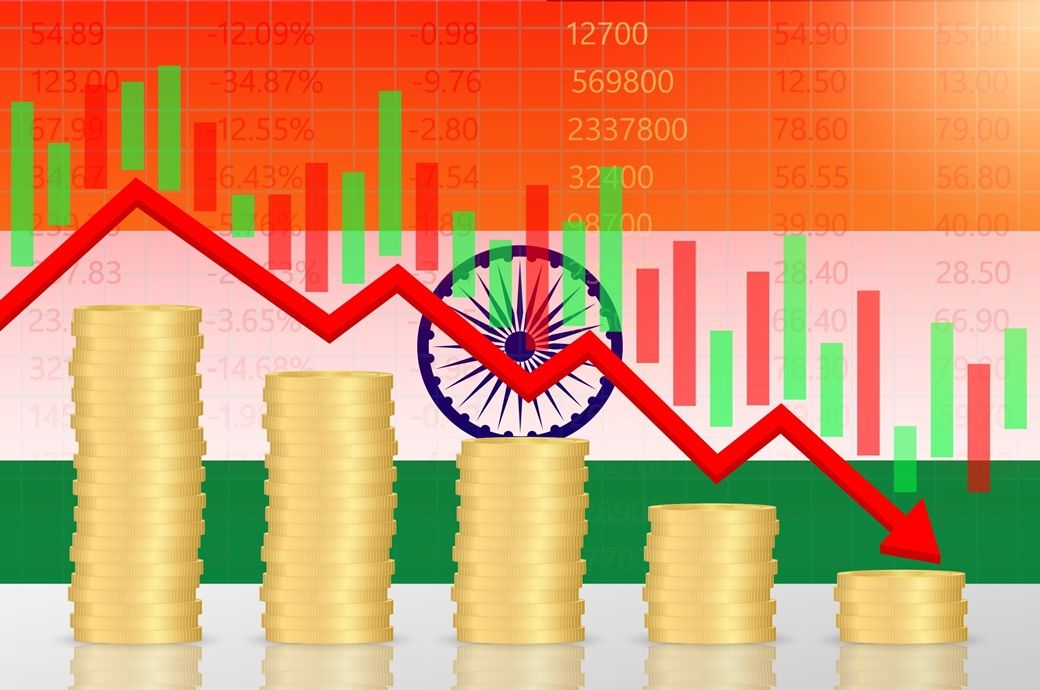
While trends in high frequency indicators for January-February 2026 appear favourable, the heightened uncertainty around the duration of the Middle East conflict casts a shadow on the near-term macroeconomic outlook for India amid high import dependency for items like crude oil, natural gas and fertilisers, it noted.
India’s FY27 GDP growth is likely to slow to 6.5 per cent from the projected 7.5 per cent in FY26 owing to the impact of higher energy prices and concerns around energy availability, ICRA Ratings said.
The heightened uncertainty around the duration of the Iran war casts a shadow on the near-term macroeconomic outlook for India.
If the conflict lasts longer, the adverse effects could widen across sectors.
If the conflict lasts for an extended period, the adverse implications of the same could widen across sectors, amid an uptick in input costs and the consequent impact on profitability of the India corporate sector.
Amid the projected uptrend in the consumer price index-based inflation in FY27 with risks tilted to the upside, ICRA Ratings expects an extended pause on the policy rates by the central bank’s monetary policy committee in the fiscal despite the anticipated softening in the GDP growth. However, it expects the Reserve Bank of India to continue to intervene on the liquidity front during FY27.
The available data for January–February FY2026 indicate a positive trend across most non-agricultural indicators, with the year-on-year performance of 12 out of 18 indicators improving compared to the third quarter of FY26, while the remaining six deteriorated.
Fibre2Fashion News Desk (DS)
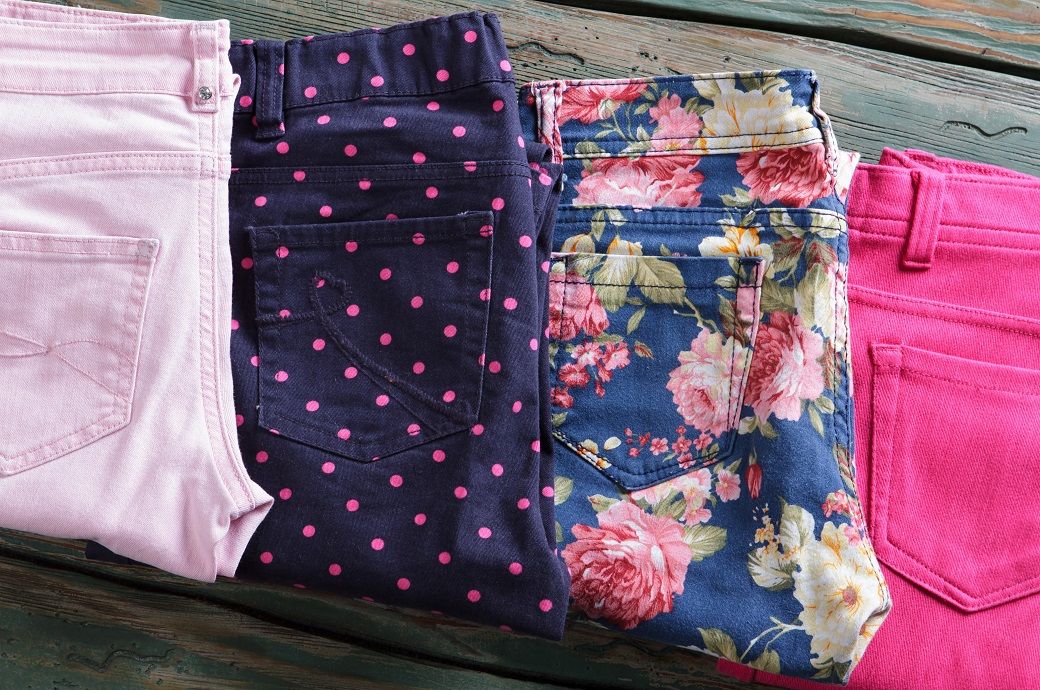
Indonesia’s apparel exports rose modestly to $8.705 billion in 2025 from $8.316 billion in 2024, reflecting gradual recovery.
The US remained dominant, accounting for over 56 per cent of shipments, highlighting growing market dependence.
While Japan, South Korea and Europe offered stability, exports stayed concentrated in key products and segments.
Source link

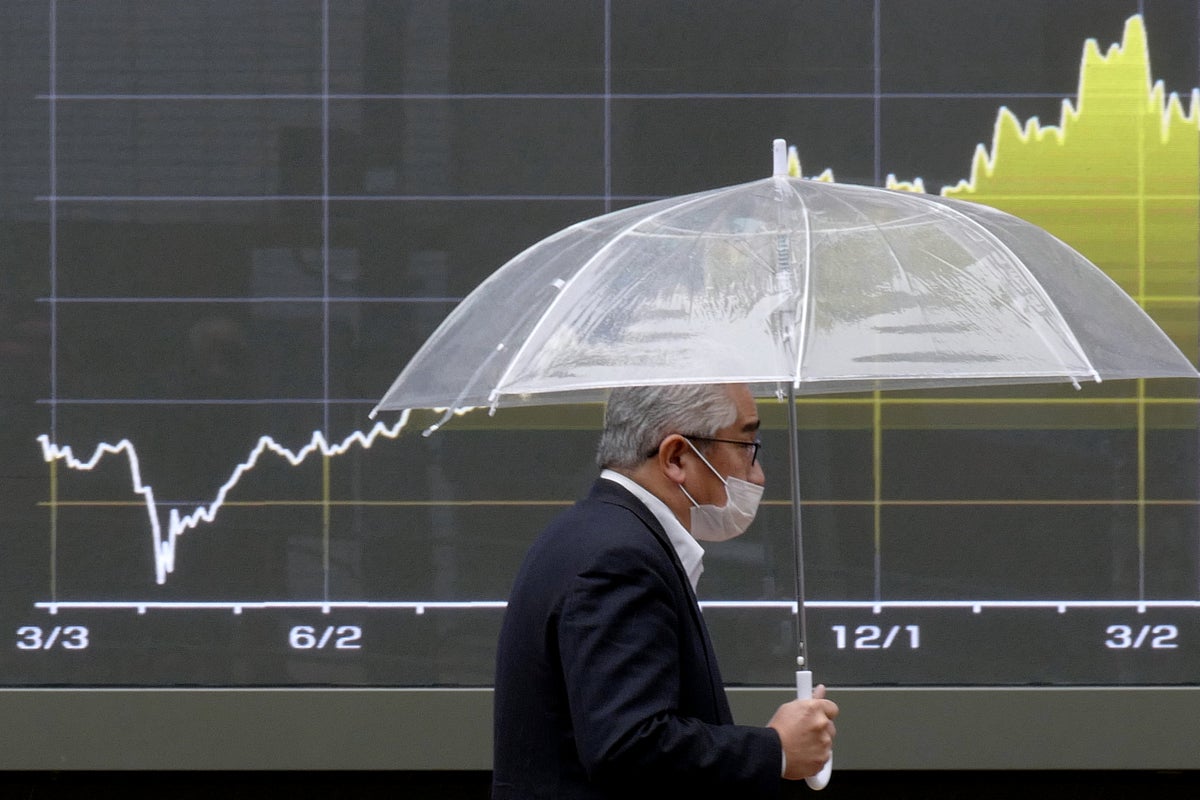
Iran war worries fail to dampen business sentiment in Japan

EU-funded RegioGreenTex pushes 25 SME pilots to commercialisation

Iran war: Asia stocks jump after Trump suggests conflict could end in weeks

-

 Politics1 week ago
Afghanistan announces release of detained US citizen
-

 Sports1 week ago
Broadcast industry CEO says consolidation is ‘essential’ to compete for NFL soaring media rights prices
-

 Tech1 week ago
Can a Home Appliance Fix the Problem of Soft-Plastic Waste?
-
 Business1 week ago
Property Play: Home flippers see smallest profits since the Great Recession, real estate data firm says
-

 Entertainment1 week ago
UN warns migratory freshwater fish numbers are spiralling
-
 Business1 week ago
Gold prices soar in Pakistan – SUCH TV
-

 Fashion1 week ago
ICE cotton slips on weaker crude, profit booking
-
 Business1 week ago
More women are entering wealth management, but few are in advisory roles, study finds