

Fashion
UK’s HMRC & Bangladesh’s NBR sign MoU on modernising customs systems

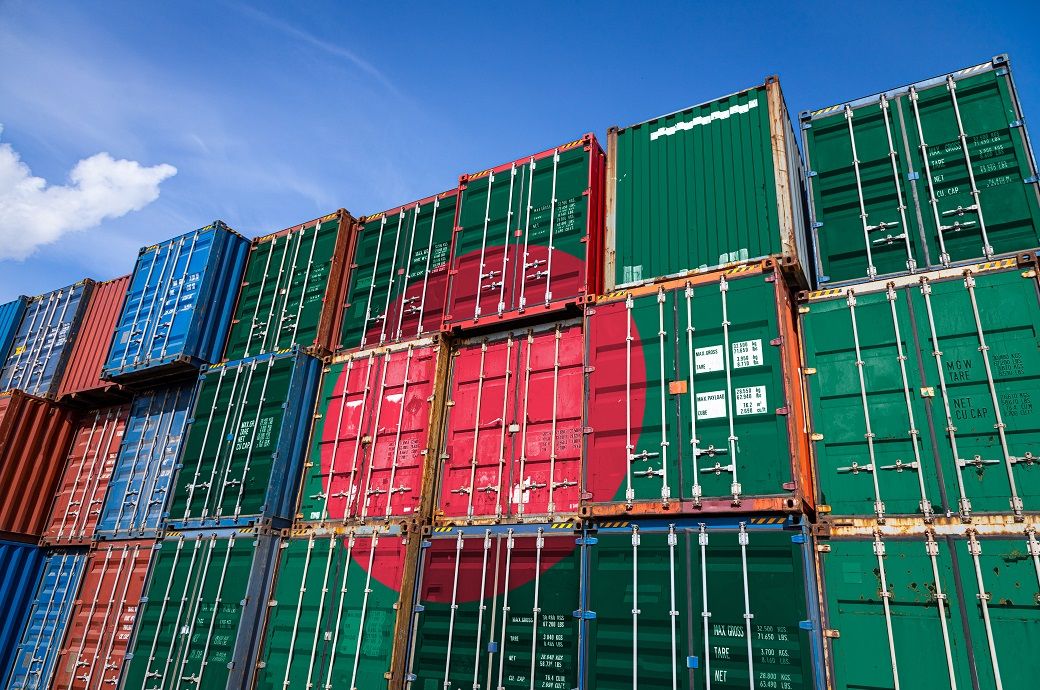
The agreement, signed in Dhaka, established a framework for technical assistance and capacity building. HMRC experts will help the NBR implement reforms under the World Trade Organization’s Trade Facilitation Agreement, improve risk management systems, and expand the recently launched Authorised Economic Operator (AEO) programme. These steps are expected to streamline border processes, cut delays, and enhance confidence among global trading partners.
UK’s HMRC and Bangladesh’s NBR have signed an MoU in Dhaka to modernise customs and strengthen trade facilitation.
HMRC will provide training, technical advice, and support for WTO reforms, risk management, and the AEO programme.
The move is expected to cut delays, boost competitiveness, and aid Bangladesh’s transition from LDC status, while complementing wider UK-backed economic reforms.
As part of the collaboration, NBR officials will receive both in-person and virtual training, along with peer-to-peer learning opportunities and short-term staff exchanges. Support will also include guidance on risk profiling and information-sharing systems to strengthen enforcement and compliance, as per Bangladesh’s media reports.
Martin Dawson, deputy development director at the British High Commission in Dhaka, said the agreement highlights the UK’s continued support for Bangladesh’s economic transition. He further said that efficient customs systems will be crucial as Bangladesh moves beyond its Least Developed Country status, opening up new opportunities for growth and competitiveness.
NBR chairman Md Abdur Rahman Khan welcomed the partnership, calling it “a valuable step in our efforts to modernise customs and improve trade facilitation.” He added that the technical support from the UK will aid Bangladesh in strengthening systems and advancing economic growth.
The cooperation forms part of a broader UK assistance programme focused on economic development in Bangladesh, which also includes reforms in trade policy, investment climate, and the financial sector, added the reports.
Fibre2Fashion News Desk (SG)









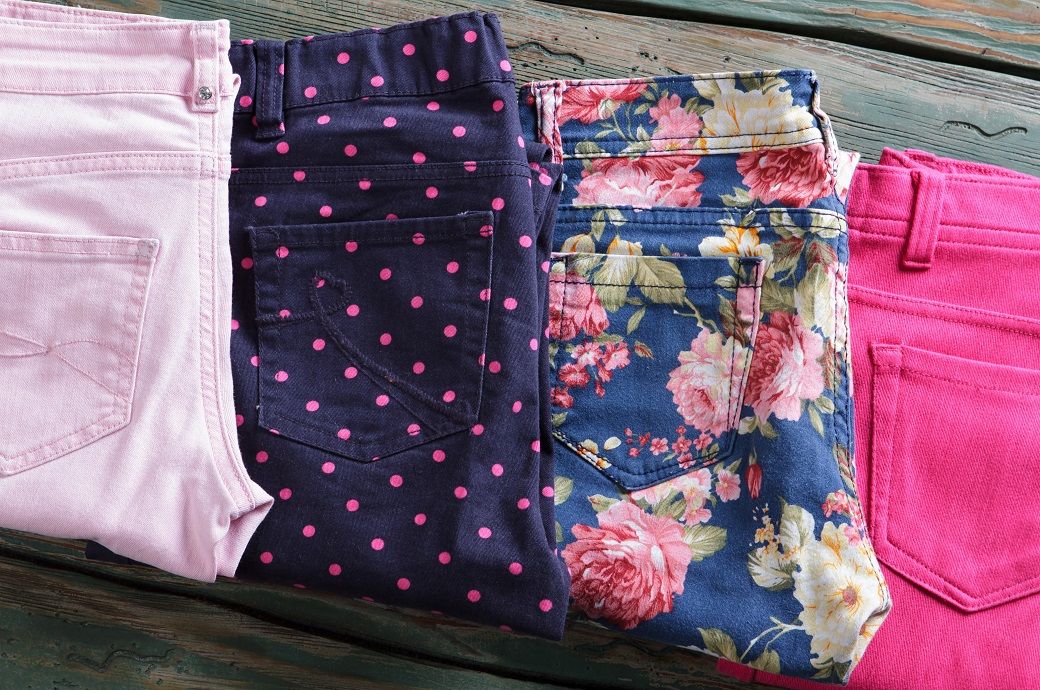
Indonesia’s apparel exports rose modestly to $8.705 billion in 2025 from $8.316 billion in 2024, reflecting gradual recovery.
The US remained dominant, accounting for over 56 per cent of shipments, highlighting growing market dependence.
While Japan, South Korea and Europe offered stability, exports stayed concentrated in key products and segments.
Source link
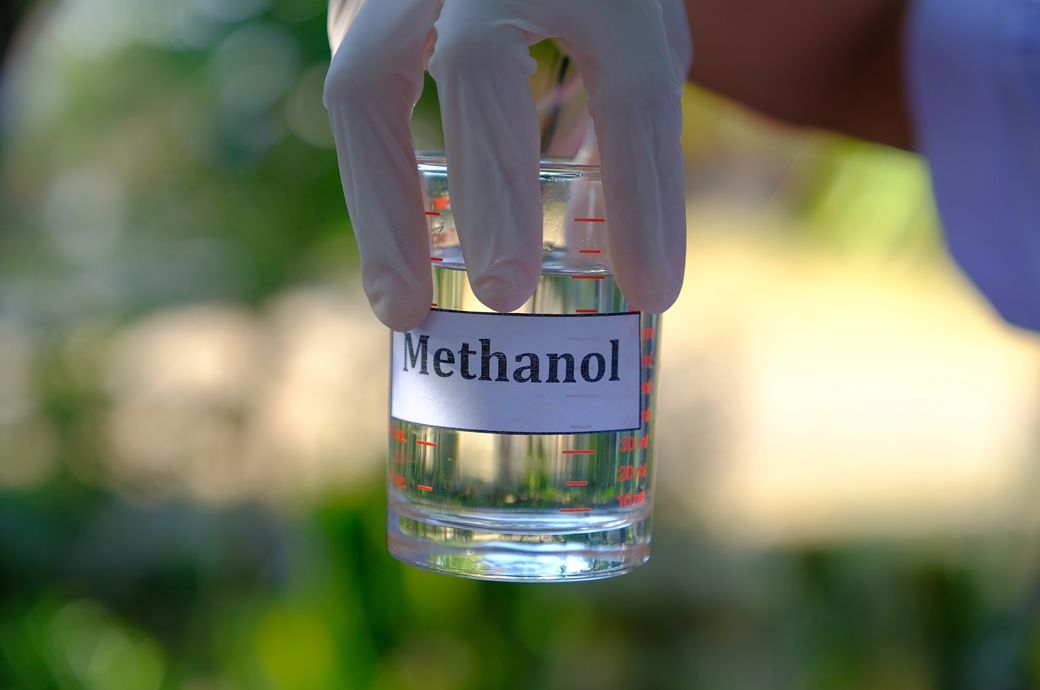
Methanol prices in India have surged nearly 150 per cent from pre-Iran–US tension levels, tracking a sharp rise in crude oil and tightening global energy markets.
Hormuz disruption risks, limited rerouting capacity, rising freight and insurance costs, and constrained imports are fuelling volatility, with prices seen approaching ₹90 per kg.
Source link
The easing in the rate of decline reflects moderating downward pressure from energy markets, particularly crude oil prices, which continue to influence industrial pricing trends, CBS said in a press release.
Manufacturing output prices in the Netherlands fell 2.3 per cent YoY in February 2026, a smaller decline than January’s 2.5 per cent, according to CBS.
The drop was driven by lower crude oil prices, though the pace of decline eased.
Petroleum prices remained subdued.
On a monthly basis, prices rose 0.3 per cent, signalling mild recovery in domestic and export markets.
In February, the average price of a barrel of crude oil stood at nearly €59, down by over 18 per cent YoY. This compares with January, when Brent crude averaged around €55 per barrel, registering a sharper annual decline of more than 27 per cent.
Petroleum-derived product prices also showed a narrower contraction, falling by 9.1 per cent YoY in February compared to a steeper 15.6 per cent drop in January.
On a month-on-month (MoM) basis, however, manufacturing output prices edged higher by 0.3 per cent in February. Export prices rose by 0.4 per cent, while domestic market prices increased by 0.3 per cent, indicating a modest recovery in short-term pricing momentum.
Fibre2Fashion News Desk (SG)


AI Has Flooded All the Weather Apps

Indonesia’s apparel exports at $8.7 bn; 56% shipments to US

King Charles important annual tradition hit with setback as warning issued

-

 Politics1 week ago
Afghanistan announces release of detained US citizen
-

 Sports1 week ago
Broadcast industry CEO says consolidation is ‘essential’ to compete for NFL soaring media rights prices
-

 Entertainment1 week ago
UN warns migratory freshwater fish numbers are spiralling
-

 Tech1 week ago
Can a Home Appliance Fix the Problem of Soft-Plastic Waste?
-
 Business7 days ago
Property Play: Home flippers see smallest profits since the Great Recession, real estate data firm says
-
 Business1 week ago
Gold prices soar in Pakistan – SUCH TV
-

 Fashion1 week ago
ICE cotton slips on weaker crude, profit booking
-
 Business1 week ago
More women are entering wealth management, but few are in advisory roles, study finds