

Fashion
Andrea Della Valle: Leading the Tod’s Group into a new global chapter


Translated by
Nazia BIBI KEENOO
Published
September 26, 2025
After days of leaden skies and heavy rain, the sun finally returned on Wednesday, September 25, casting a warm glow over Milan Fashion Week. The change in weather provided a fitting backdrop for Hogan’s “Summer in the City” collection, revealed inside the brand’s showroom, which was transformed into a vibrant oasis of brightly colored plants and flowers.
Among the highlights for the upcoming summer season, characterized by an urban-chic spirit, is the return of the Hogan Athletic, a slim, contemporary reinterpretation of sprinter sneakers that strikes a balance between sporty flair and retro elegance.

There are also cup-sole styles, with lines reminiscent of skate shoes, in nappa leather with pop-red accents, and the Hogan Cool, featuring a high, enveloping sole that pairs a refined upper with a chunky build. Among the bags are the Script Address logo, a versatile shopping bag that transitions seamlessly from the office to aperitifs, and flap bags featuring an “H” clasp.
The Milan showcase was also an opportunity to speak with Hogan’s president, Andrea Della Valle, not only about the new collection but also about his vision for the future of the group, which he runs with his brother Diego and which today is a key player in Italian luxury with the Tod’s, Hogan, Fay, and Roger Vivier brands.

“From my point of view, when you run a company with thousands of employees, you must safeguard it with a long-term vision, to protect them and what has been built with such dedication over the decades. In that respect, Diego and I can also count on the younger generations, who have begun working for the group. My eldest daughter, Allegra, lives in Shanghai and works on the Chinese market, which is strategic for Hogan, while my son Leonardo is at the helm of Schiaparelli (a French haute couture maison acquired by the Della Valle family through a private holding company). Filippo, Diego’s son, is in Tokyo for Tod’s. We practically have a young person on every brand,” explains the vice-chairman of the Tod’s Group. “For us, this is an investment in tomorrow.”
2026 will mark a significant milestone for Hogan—its 40th anniversary—which will also be celebrated with a plan of targeted openings. New flagships are expected in Riyadh and Dubai, while in the United States, a return after more than thirty years is underway. “We were visionaries then, when—going firmly against the trend—we launched the first urban sneaker; today we are continuing a journey that began three decades ago. We will consolidate further, but with caution,” says Andrea Della Valle, also flagging possible collaborations—though only with those who have “a strong history”—and new brand-extension projects.
“The year’s results will close with slight growth, driven mainly by Europe, China, and the Far East, markets that remain central for Hogan,” concludes the Hogan president.
With a vision that blends tradition and innovation, the Tod’s Group, under the leadership of the Della Valle family, thus confirms its growth trajectory—with solidity, new generations, and an increasingly international Made in Italy at the center of its outlook.
This article is an automatic translation.
Click here to read the original article.
Copyright © 2025 FashionNetwork.com All rights reserved.







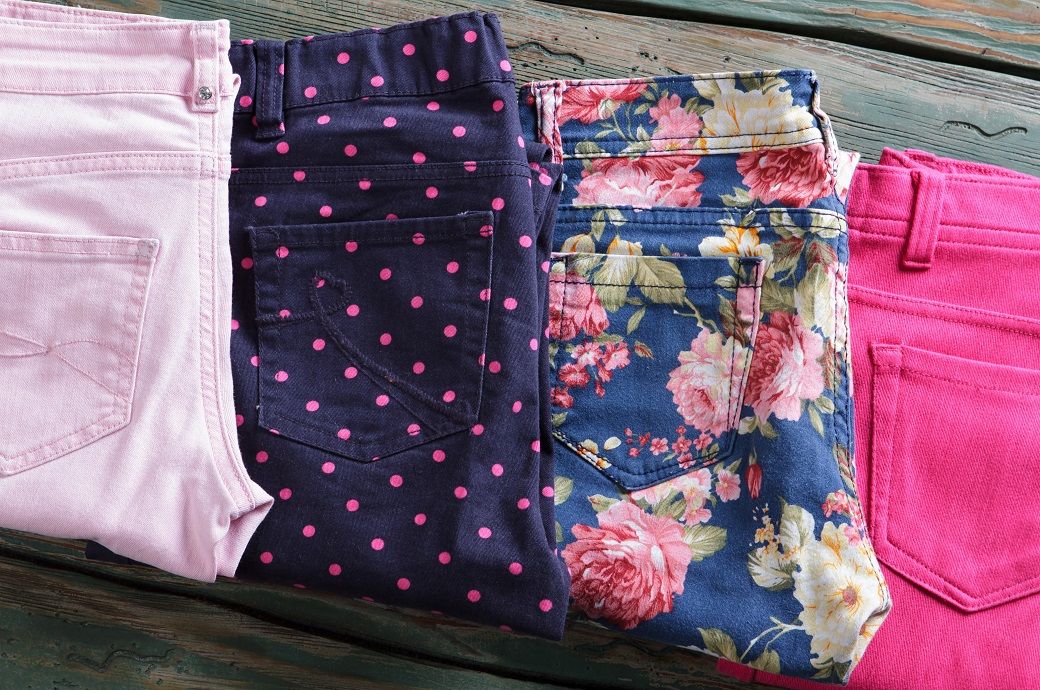
Indonesia’s apparel exports rose modestly to $8.705 billion in 2025 from $8.316 billion in 2024, reflecting gradual recovery.
The US remained dominant, accounting for over 56 per cent of shipments, highlighting growing market dependence.
While Japan, South Korea and Europe offered stability, exports stayed concentrated in key products and segments.
Source link

Methanol prices in India have surged nearly 150 per cent from pre-Iran–US tension levels, tracking a sharp rise in crude oil and tightening global energy markets.
Hormuz disruption risks, limited rerouting capacity, rising freight and insurance costs, and constrained imports are fuelling volatility, with prices seen approaching ₹90 per kg.
Source link
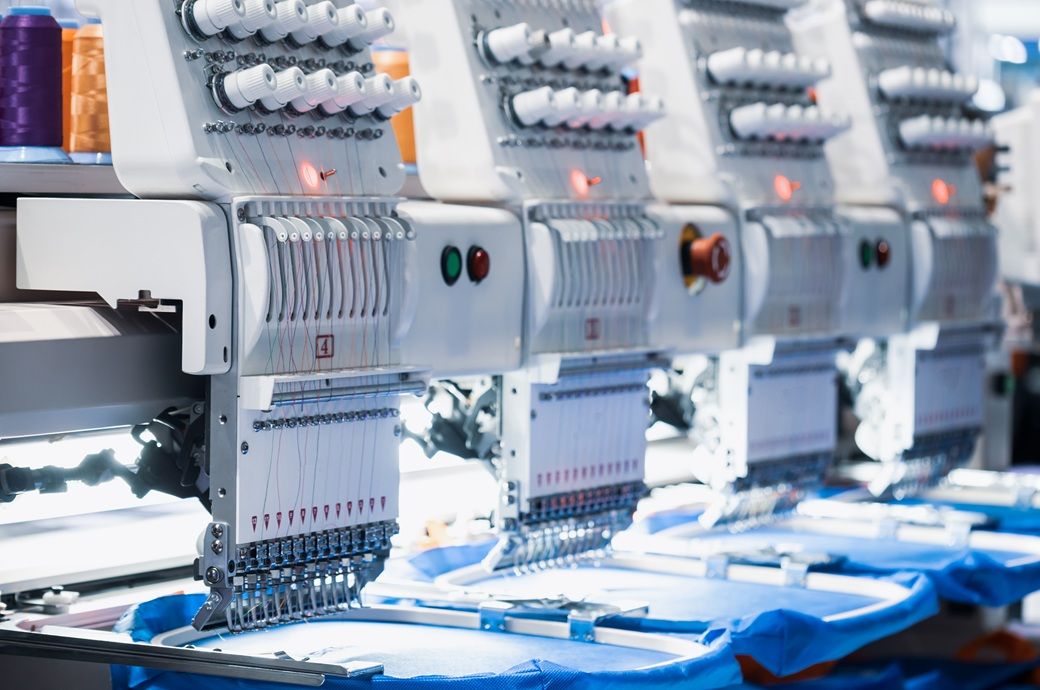
The easing in the rate of decline reflects moderating downward pressure from energy markets, particularly crude oil prices, which continue to influence industrial pricing trends, CBS said in a press release.
Manufacturing output prices in the Netherlands fell 2.3 per cent YoY in February 2026, a smaller decline than January’s 2.5 per cent, according to CBS.
The drop was driven by lower crude oil prices, though the pace of decline eased.
Petroleum prices remained subdued.
On a monthly basis, prices rose 0.3 per cent, signalling mild recovery in domestic and export markets.
In February, the average price of a barrel of crude oil stood at nearly €59, down by over 18 per cent YoY. This compares with January, when Brent crude averaged around €55 per barrel, registering a sharper annual decline of more than 27 per cent.
Petroleum-derived product prices also showed a narrower contraction, falling by 9.1 per cent YoY in February compared to a steeper 15.6 per cent drop in January.
On a month-on-month (MoM) basis, however, manufacturing output prices edged higher by 0.3 per cent in February. Export prices rose by 0.4 per cent, while domestic market prices increased by 0.3 per cent, indicating a modest recovery in short-term pricing momentum.
Fibre2Fashion News Desk (SG)


AI Has Flooded All the Weather Apps

Indonesia’s apparel exports at $8.7 bn; 56% shipments to US

King Charles important annual tradition hit with setback as warning issued

-

 Politics1 week ago
Afghanistan announces release of detained US citizen
-

 Sports1 week ago
Broadcast industry CEO says consolidation is ‘essential’ to compete for NFL soaring media rights prices
-

 Entertainment1 week ago
UN warns migratory freshwater fish numbers are spiralling
-

 Tech1 week ago
Can a Home Appliance Fix the Problem of Soft-Plastic Waste?
-
 Business7 days ago
Property Play: Home flippers see smallest profits since the Great Recession, real estate data firm says
-
 Business1 week ago
Gold prices soar in Pakistan – SUCH TV
-

 Fashion1 week ago
ICE cotton slips on weaker crude, profit booking
-
 Business1 week ago
More women are entering wealth management, but few are in advisory roles, study finds