

Fashion
Alberta Ferretti: Haute hosting for today

Published
September 24, 2025
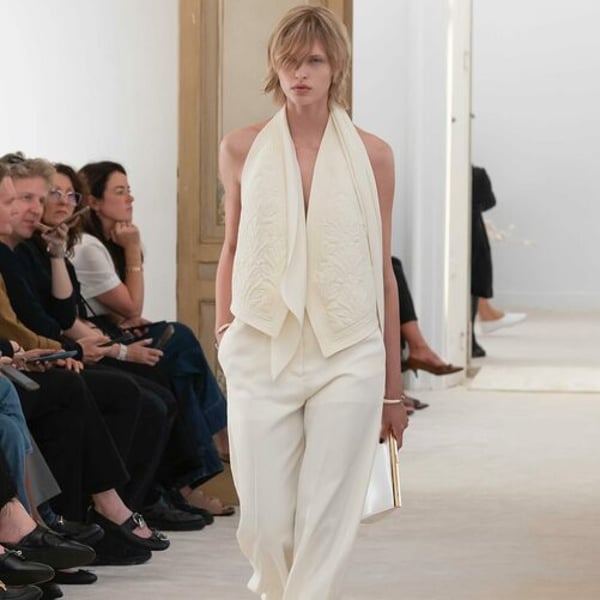
The special art of hosting a soirée, arguably a dying social skill, was the key to a swish and stylish collection by Lorenzo Serafini for the house of Alberta Ferretti this season.
Using whisper-light fabrics – chiffon, floaty silk and crochet – Serafini offered up a fresh vision of evening elegance. Created in a great palette of ecru, foam green, Aegean blue and coral pink, the summer shades were in marked contrast to a Milan Tuesday of heavy clouds and intermittent showers.
Staged with grace inside a neo-classical Milanese palazzo with marble floors and frescoes of peacocks and pheasants, an ideal location for a refined supper. Throughout there was a sense of sensual confidence, imparted by some great combinations. Flared chiffon pants with meter-long scarf tops; flowing tents dresses that billowed out when walking; halter necks held with metallic silver collars. Or splendid deep George gowns, and some super color-blocked Moorish dresses.

Many dresses and skirts trimmed with fabric beads and baubles, on a cast many of whom wore posh hippie fringed moccasins.
“I was imagining the most perfectly dressed host for today. Spending comfortable quality time in an intimate scenario. A private world, not over exposed on social media,” explained a smiling Serafini. Standing before a mood board that included images of Sofia Coppola, Stella Tennant and Tina Chow.
“Tina was one of the highest hostess. Nothing nostalgic. I wanted a homage to these free spirits. I wish we had more of them nowadays,” he stressed.

This week Alberta Ferretti also opened of the new flagship store in Milan, in Via Spiga 26, in the heart of the Quadrilatero Della Moda. Spread over two levels, the new boutique is developed around architectural elements that convey the atmosphere of a wardrobe-living room, where the use of a resin, specially made by a Milanese artisan for the walls and floor, creates an “infinite” effect.
A precious table in Canaletto walnut and brass with curved lines evokes the world of jewelry. Walnut bookcases are designed to showcase bags and accessories, and day-bed seats featuring an ivory bouclé fabric upholstery, define a relaxing and immersive journey into the brand.
Copyright © 2025 FashionNetwork.com All rights reserved.







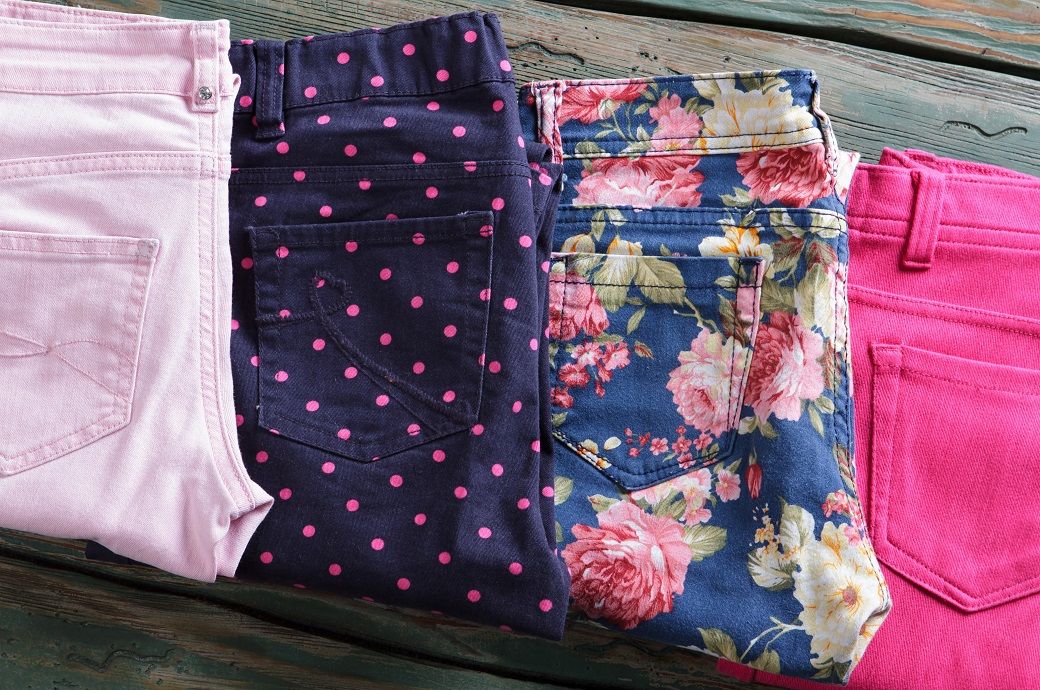
Indonesia’s apparel exports rose modestly to $8.705 billion in 2025 from $8.316 billion in 2024, reflecting gradual recovery.
The US remained dominant, accounting for over 56 per cent of shipments, highlighting growing market dependence.
While Japan, South Korea and Europe offered stability, exports stayed concentrated in key products and segments.
Source link

Methanol prices in India have surged nearly 150 per cent from pre-Iran–US tension levels, tracking a sharp rise in crude oil and tightening global energy markets.
Hormuz disruption risks, limited rerouting capacity, rising freight and insurance costs, and constrained imports are fuelling volatility, with prices seen approaching ₹90 per kg.
Source link
The easing in the rate of decline reflects moderating downward pressure from energy markets, particularly crude oil prices, which continue to influence industrial pricing trends, CBS said in a press release.
Manufacturing output prices in the Netherlands fell 2.3 per cent YoY in February 2026, a smaller decline than January’s 2.5 per cent, according to CBS.
The drop was driven by lower crude oil prices, though the pace of decline eased.
Petroleum prices remained subdued.
On a monthly basis, prices rose 0.3 per cent, signalling mild recovery in domestic and export markets.
In February, the average price of a barrel of crude oil stood at nearly €59, down by over 18 per cent YoY. This compares with January, when Brent crude averaged around €55 per barrel, registering a sharper annual decline of more than 27 per cent.
Petroleum-derived product prices also showed a narrower contraction, falling by 9.1 per cent YoY in February compared to a steeper 15.6 per cent drop in January.
On a month-on-month (MoM) basis, however, manufacturing output prices edged higher by 0.3 per cent in February. Export prices rose by 0.4 per cent, while domestic market prices increased by 0.3 per cent, indicating a modest recovery in short-term pricing momentum.
Fibre2Fashion News Desk (SG)


AI Has Flooded All the Weather Apps

Indonesia’s apparel exports at $8.7 bn; 56% shipments to US

King Charles important annual tradition hit with setback as warning issued

-

 Politics1 week ago
Afghanistan announces release of detained US citizen
-

 Sports1 week ago
Broadcast industry CEO says consolidation is ‘essential’ to compete for NFL soaring media rights prices
-

 Entertainment1 week ago
UN warns migratory freshwater fish numbers are spiralling
-
 Business7 days ago
Property Play: Home flippers see smallest profits since the Great Recession, real estate data firm says
-

 Tech1 week ago
Can a Home Appliance Fix the Problem of Soft-Plastic Waste?
-
 Business1 week ago
Gold prices soar in Pakistan – SUCH TV
-

 Fashion1 week ago
ICE cotton slips on weaker crude, profit booking
-
 Business1 week ago
More women are entering wealth management, but few are in advisory roles, study finds