

Fashion
American brand Gap Inc appoints UMPG CEO Jody Gerson to its board

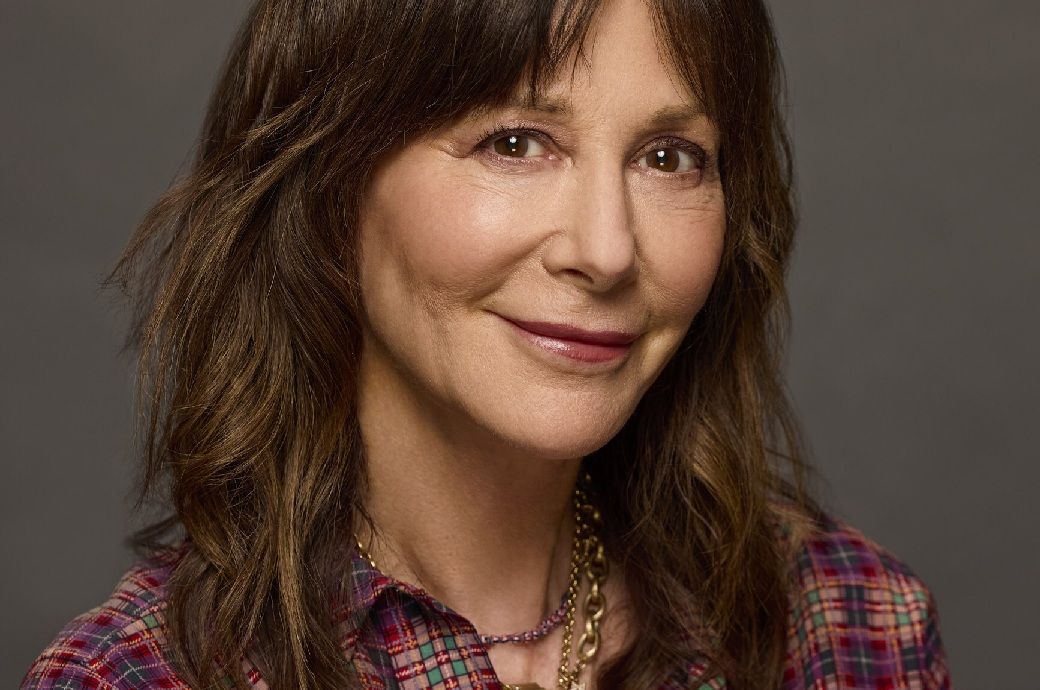
A trailblazer in global music and entertainment, Gerson brings more than three decades of leadership at the forefront of culture, where she has championed creativity, inclusion, and innovation. As the first female CEO of a major music publisher and the first woman to chair a global music company, she has transformed UMPG into a creative powerhouse for songwriters and artists worldwide.
Gap Inc has appointed Jody Gerson, chairman and CEO of Universal Music Publishing Group, to its board of directors, effective immediately.
Gerson, a pioneer in music publishing, is expected to strengthen Gap’s “fashiontainment” strategy by connecting culture and commerce, amplifying brand resonance, and supporting CEO Richard Dickson’s vision for Gap’s creative renaissance.
“Jody is a cultural force in her own right,” said Richard Dickson, President and CEO of Gap Inc. “Her insights into fashiontainment – our platform at the intersection of fashion, music and celebrity – are unmatched. At Gap Inc., we’ve always believed that style is a form of storytelling, and Jody’s ability to amplify voices and shape cultural moments will be invaluable as we continue redefining what it means to be an iconic, purpose-led house of brands.”
“Jody’s ability to connect culture and commerce is exactly what makes her such a dynamic leader,” said Mayo A. Shattuck III, Chair of the Board, Gap Inc. “Her vision and creativity will help us strengthen our brands’ resonance with the next generation of consumers.”
Since joining UMPG in 2015, Gerson has led the signing of globally influential artists including Adele, Harry Styles, Kendrick Lamar, SZA, and Coldplay, and spearheaded landmark acquisitions of the renowned Bob Dylan, Neil Diamond, and Sting catalogs. She also serves on the boards of the USC Annenberg Inclusion Initiative, the Rock & Roll Hall of Fame, Ancestry.com, Project Healthy Minds and the National Music Publishers Association, and is a co-founder of the nonprofit She Is The Music.
“Gap Inc. has long been a cultural icon, bridging fashion, music, and identity. I’m honored to join Gap Inc.’s Board of Directors and excited to bring my perspective and experience in the creative industries to the table. Equally, I’m energized to support Richard Dickson’s vision and draw inspiration from Gap’s remarkable renaissance as a brand that’s become synonymous with the culture of music,” said Gerson.
Gerson’s appointment comes on the heels of Gap’s viral success with music driven fashion campaigns, such as “Better in Denim” featuring the global pop group Katseye, which garnered over 400 million views, 8 billion impressions, and became the #1 TikTok search. Her expertise across industries is critical to the company’s long-term strategy and she will help reinforce the company’s commitment to maintaining a diverse and dynamic Board.
Note: The headline, insights, and image of this press release may have been refined by the Fibre2Fashion staff; the rest of the content remains unchanged.
Fibre2Fashion News Desk (RM)










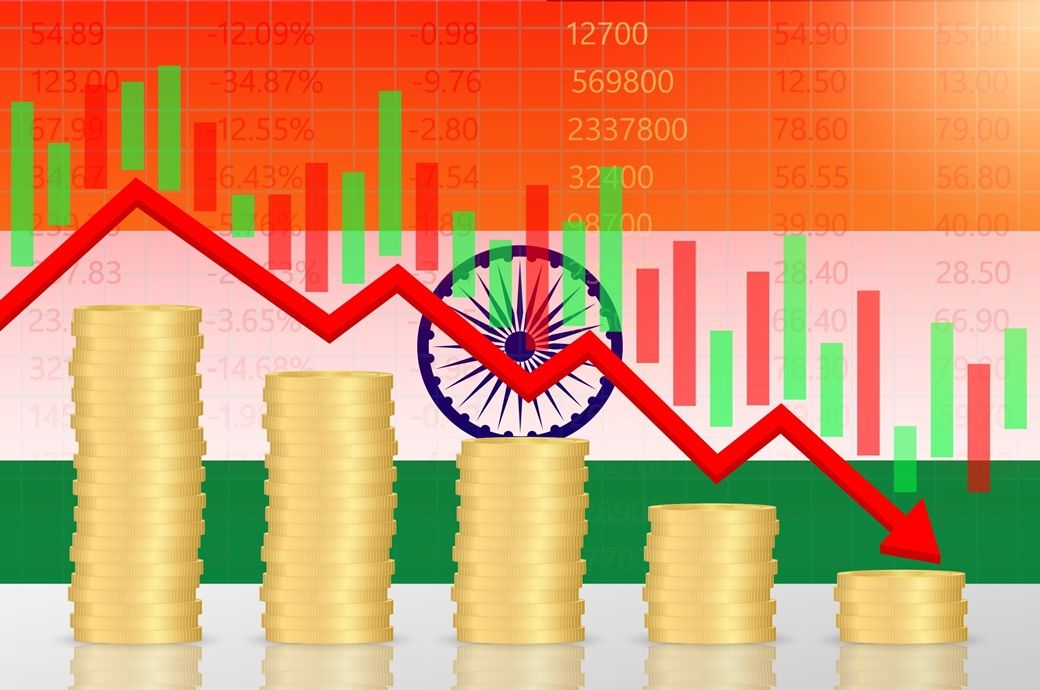
While trends in high frequency indicators for January-February 2026 appear favourable, the heightened uncertainty around the duration of the Middle East conflict casts a shadow on the near-term macroeconomic outlook for India amid high import dependency for items like crude oil, natural gas and fertilisers, it noted.
India’s FY27 GDP growth is likely to slow to 6.5 per cent from the projected 7.5 per cent in FY26 owing to the impact of higher energy prices and concerns around energy availability, ICRA Ratings said.
The heightened uncertainty around the duration of the Iran war casts a shadow on the near-term macroeconomic outlook for India.
If the conflict lasts longer, the adverse effects could widen across sectors.
If the conflict lasts for an extended period, the adverse implications of the same could widen across sectors, amid an uptick in input costs and the consequent impact on profitability of the India corporate sector.
Amid the projected uptrend in the consumer price index-based inflation in FY27 with risks tilted to the upside, ICRA Ratings expects an extended pause on the policy rates by the central bank’s monetary policy committee in the fiscal despite the anticipated softening in the GDP growth. However, it expects the Reserve Bank of India to continue to intervene on the liquidity front during FY27.
The available data for January–February FY2026 indicate a positive trend across most non-agricultural indicators, with the year-on-year performance of 12 out of 18 indicators improving compared to the third quarter of FY26, while the remaining six deteriorated.
Fibre2Fashion News Desk (DS)
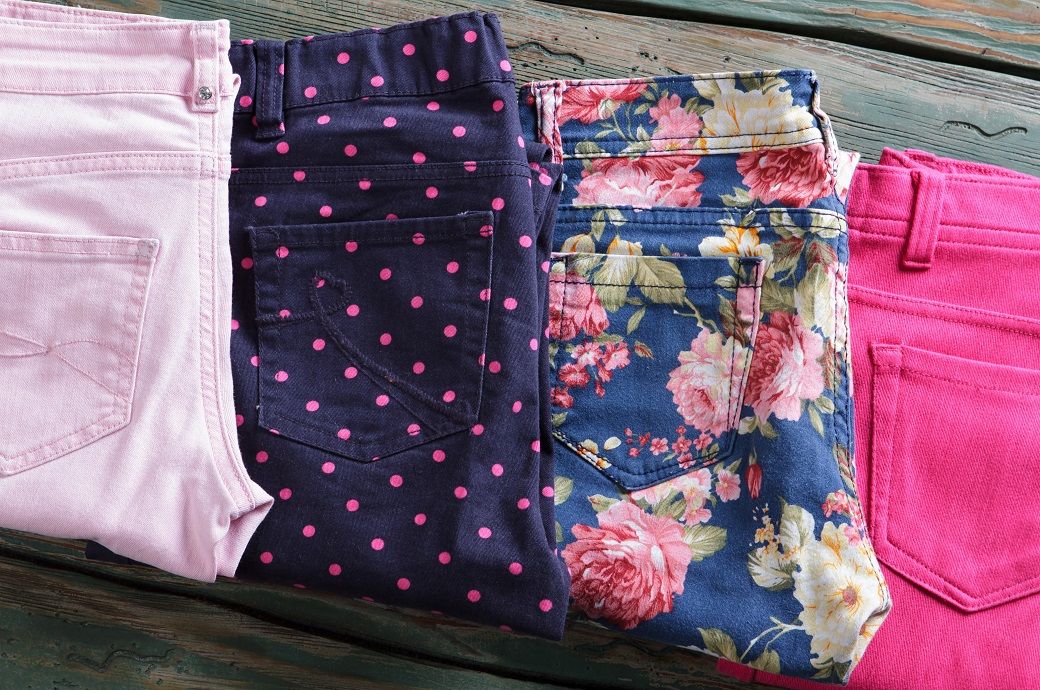
Indonesia’s apparel exports rose modestly to $8.705 billion in 2025 from $8.316 billion in 2024, reflecting gradual recovery.
The US remained dominant, accounting for over 56 per cent of shipments, highlighting growing market dependence.
While Japan, South Korea and Europe offered stability, exports stayed concentrated in key products and segments.
Source link

Methanol prices in India have surged nearly 150 per cent from pre-Iran–US tension levels, tracking a sharp rise in crude oil and tightening global energy markets.
Hormuz disruption risks, limited rerouting capacity, rising freight and insurance costs, and constrained imports are fuelling volatility, with prices seen approaching ₹90 per kg.
Source link


Europe pushes back on some US military operations as concerns over Iran war mount

Severe storms, tornadoes to hit US as April begins

Crunch talks between resident doctors and ministers set to continue

-

 Politics1 week ago
Afghanistan announces release of detained US citizen
-

 Sports1 week ago
Broadcast industry CEO says consolidation is ‘essential’ to compete for NFL soaring media rights prices
-

 Tech1 week ago
Can a Home Appliance Fix the Problem of Soft-Plastic Waste?
-

 Entertainment1 week ago
UN warns migratory freshwater fish numbers are spiralling
-
 Business1 week ago
Property Play: Home flippers see smallest profits since the Great Recession, real estate data firm says
-
 Business1 week ago
Gold prices soar in Pakistan – SUCH TV
-

 Fashion1 week ago
ICE cotton slips on weaker crude, profit booking
-
 Business1 week ago
More women are entering wealth management, but few are in advisory roles, study finds