

Politics
Australia appoints woman to lead its army for the first time

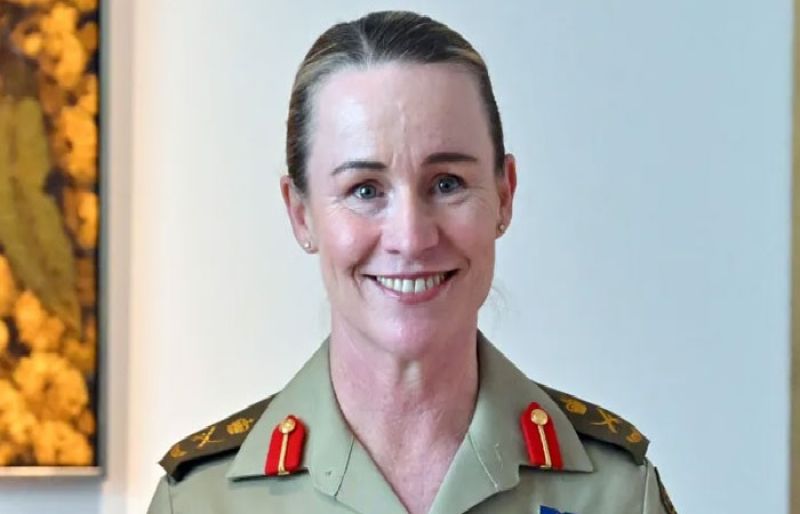
Australia on Monday said a woman would lead its army for the first time in history, as part of a reshuffle of the country’s defence force leadership.
Lieutenant General Susan Coyle, the current chief of joint capabilities, will become chief of army in July, the government said in a statement. She will replace Lieutenant General Simon Stuart.
Coyle’s appointment comes as Australia’s military seeks to boost the number of female officers in its ranks. It faces a wave of allegations of systematic sexual harassment and discrimination.
“From July, we will have the first ever female chief of army in the Australian Army’s 125-year history,” Prime Minister Anthony Albanese said in a statement.
Defence Minister Richard Marles called Coyle’s appointment a “deeply historic moment”. “As Susan said to me, you cannot be what you cannot see,” he said.
“Susan’s achievement will be deeply significant to women who are serving in the Australian Defence Force today and women who are thinking about serving in the Australian Defence Force in the future.”
Coyle, 55, enlisted in the military in 1987 and has held a number of senior command roles. She will be the first woman to lead any service branch of the military, Marles said.
Women currently make up around 21 per cent of the Australian Defence Force (ADF) and 18.5pc of senior leadership roles. The ADF has set a target of 25pc of overall participation for women by 2030.
Last October, a class action lawsuit was filed against the ADF alleging it failed to protect thousands of female officers from systematic sexual assault, harassment and discrimination.
The government on Monday also appointed Vice Admiral Mark Hammond, the current chief of the navy, as the head of the ADF, succeeding Admiral David Johnston.
The current deputy chief of navy, Rear Admiral Matthew Buckley, will replace Hammond as head of the branch.
- Israel “cannot live without an enemy”: Hakan Fidan.
- Fidan says move turning into state strategy in Israel.
- Urges Nato to reset ties with Trump in Ankara summit.
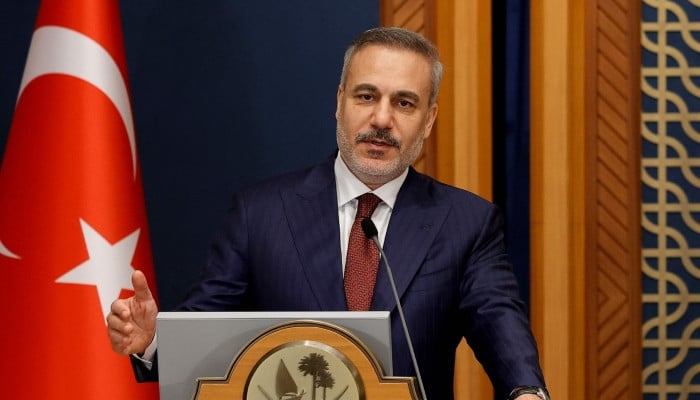
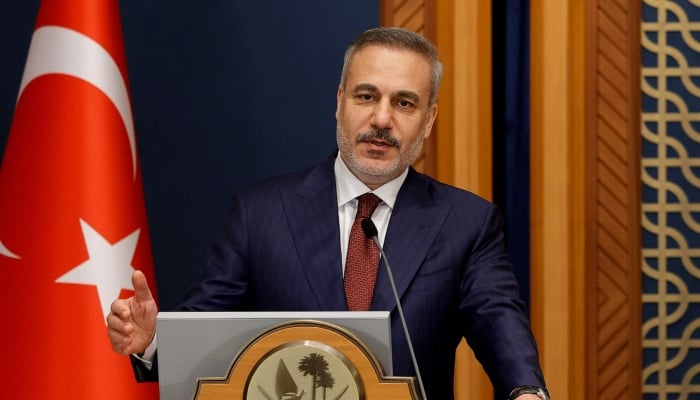
Israel “cannot live without an enemy” and its government is now trying to portray Turkiye as one, Turkish Foreign Minister Hakan Fidan said on Monday.
“After Iran, Israel cannot live without an enemy,” Fidan said in a televised interview with the state-run Anadolu news agency.
“We see that not only Netanyahu’s administration but also some figures in the opposition — though not all — are seeking to declare Turkiye the new enemy,” he said.
“This is a new development in Israel… turning into a state strategy,” he added.
Tensions between Turkiye and Israel have steadily escalated since the Gaza war erupted following Hamas’s October 7, 2023, attack in Israel.
The dispute entered a new phase over the weekend after President Recep Tayyip Erdogan warned his US counterpart Donald Trump of “possible provocations and sabotage” that could jeopardise an initial ceasefire arrangement in the US-Israeli war on Iran.
Prime Minister Shehbaz Sharif announced the two-week ceasefire between Tehran and Washington on April 8, ending the six-week war that began on February 28, when the US launched a joint bombing campaign with Israel against Iran.
Following President Erdogan’s warning about possible sabotage of the ceasefire, Israeli Prime Minister Benjamin Netanyahu vowed that Israel would continue to confront Tehran and its regional allies.
In response, Turkiye said that Netanyahu’s current objective was “to undermine ongoing peace negotiations and continue his expansionist policies in the region”.
In a statement on April 11, the ministry said that the Israeli prime minister risked being tried in his own country and is likely to be sentenced to imprisonment on corruption charges.
“Netanyahu, who has been described as the Hitler of our time due to the crimes he has committed, is a well-known figure with a clear track record,” the Turkish foreign ministry added.
The ministry also noted the arrest warrant issued by the International Criminal Court against the Israeli prime minister on charges of war crimes and crimes against humanity.
Nato urged to reset ties with Trump
During the same interview, the Turkish foreign minister said that North Atlantic Treaty Organisation (Nato) allies should use their July summit in Ankara to reset ties with US President Donald Trump and prepare for a potential reduction of US involvement in the alliance.
Fidan said that Turkiye believed Trump would attend the Nato leaders’ summit on July 7-8 due to his “personal respect” for President Erdogan, but added he understood Trump was otherwise reluctant to come to the meeting.
Trump has criticised Nato for years and last week threatened to pull the United States out of the alliance over European members’ refusal to send ships to unblock the Strait of Hormuz near Iran. That compounded friction within the bloc over his earlier plans to acquire Greenland.
Fidan said that allies had long considered Trump’s criticisms to be rhetoric, but were now planning around the possibility of reduced US involvement and ramping up their own defensive capacities.
“Nato countries need to turn this Ankara Summit into an opportunity to put ties with the United States on a systematic basis,” he said.
“If there will be a US withdrawal from some Nato mechanisms, there needs to be a plan and programme to phase this out so nobody is left in the open,” he added.
Nato Secretary General Mark Rutte has said he understood Trump’s frustrations with the alliance, but that the “large majority of European nations” had been helpful to Washington’s war effort in Iran.
A senior White House official told Reuters last week that Trump, as part of his frustration with Nato, had also considered the option of removing some US troops from Europe.
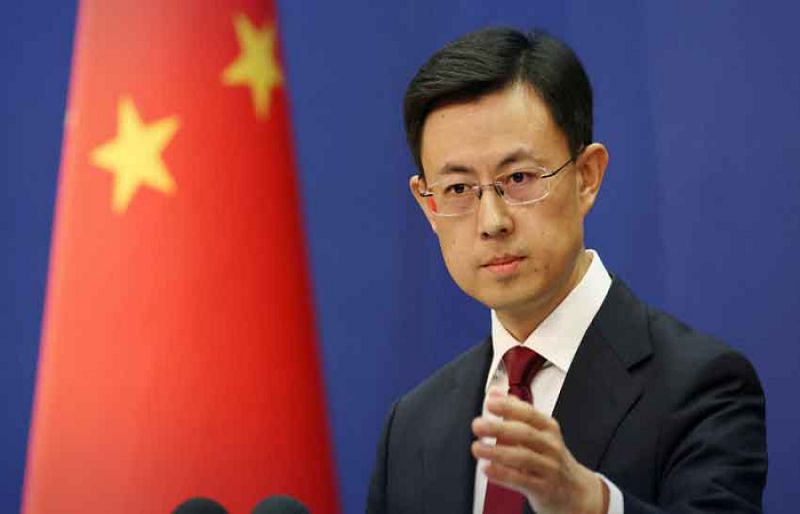

China urged calm and restraint by all sides on Monday, following US President Donald Trump’s threat to blockade the Strait of Hormuz after the failure of weekend talks in Islamabad aimed at ending the Iran war.
Before the war, most Iranian oil exports were shipped to China, the top global importer of crude.
Keeping the key Strait of Hormuz waterway safe, stable and unimpeded served the interest of the international community, foreign ministry spokesperson Guo Jiakun told a regular press conference, when asked about the blockade threat.
“China hopes the relevant parties will abide by the temporary ceasefire arrangements, remain committed to resolving disputes through political and diplomatic means, and avoid a resumption of hostilities,” he said.
China stood ready to “play a positive and constructive role” in resolving the crisis, Guo added, calling the opening talks in the Pakistani capital a step in a direction conducive to easing tension.
After the marathon talks failed, the US Central Command said its forces would begin a blockade of all maritime traffic with Iranian ports from 10 am ET (1400 GMT) on Monday.
China and Pakistan had backed peace talks in March while urging an immediate ceasefire in the Iran war and restoration of normal navigation in the Strait of Hormuz, a conduit for about a fifth of global oil and gas supplies.
Guo rejected reports that China had plans to supply weapons to Iran as “groundless smears and malicious associations”.
Last week, Trump threatened immediate tariffs of 50%, with no exemptions, on imports from countries supplying Iran with military weapons.
“China has consistently taken a prudent and responsible approach to arms exports,” Guo said, adding that its strict controls were in line with domestic laws and international obligations.
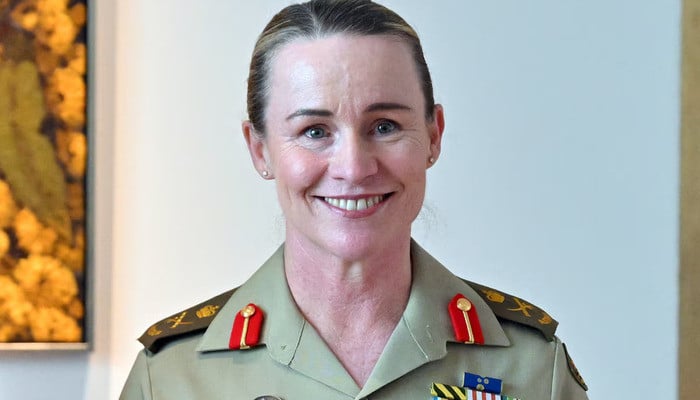
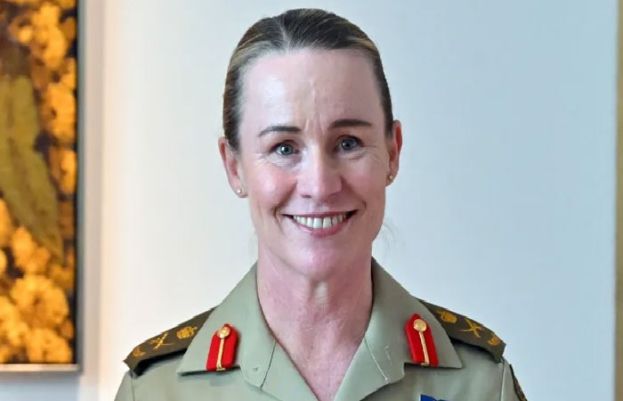
Australia on Monday said a woman would lead its army for the first time in history, as part of a reshuffle of the country’s defence force leadership.
Lieutenant General Susan Coyle, the current chief of joint capabilities, will become chief of army in July, the government said in a statement. She will replace Lieutenant General Simon Stuart.
Coyle’s appointment comes as Australia’s military seeks to boost the number of female officers in its ranks. It faces a wave of allegations of systematic sexual harassment and discrimination.
“From July, we will have the first ever female chief of army in the Australian Army’s 125-year history,” Prime Minister Anthony Albanese said in a statement.
Defence Minister Richard Marles called Coyle’s appointment a “deeply historic moment.”
“As Susan said to me, you cannot be what you cannot see,” he said.
“Susan’s achievement will be deeply significant to women who are serving in the Australian Defence Force today and women who are thinking about serving in the Australian Defence Force in the future.”
Coyle, 55, enlisted in the military in 1987 and has held a number of senior command roles. She will be the first woman to lead any service branch of the military, Marles said.
Women currently make up around 21% of the Australian Defence Force (ADF) and 18.5% of senior leadership roles. The ADF has set a target of 25% of overall participation for women by 2030.
Last October, a class action lawsuit was filed against the ADF alleging it failed to protect thousands of female officers from systematic sexual assault, harassment and discrimination.
The government on Monday also appointed Vice Admiral Mark Hammond, the current chief of the navy, as the head of the ADF, succeeding Admiral David Johnston.
The current deputy chief of navy, Rear Admiral Matthew Buckley, will replace Hammond as head of the branch.


Asia claims largest share of markets on Kearney FDI Confidence Index

Man City revive Premier League race, Inter win seven-goal thriller, more

US-Iran ceasefire still holding, efforts underway to resolve disputed issues: PM

-

 Fashion6 days ago
India’s exports face reset as EU links trade to carbon metrics: EY
-
 Politics1 week ago
Trump confirms rescue of airman whose F-15 was downed in Iran
-

 Entertainment5 days ago
Queen Elizabeth II emotional message for Archie, Lilibet sparks speculation
-
 Tech5 days ago
As the Strait of Hormuz Reopens, Global Shipping Will Take Months to Recover
-

 Tech5 days ago
Azure customers up in arms over ‘full’ UK South region | Computer Weekly
-

 Entertainment6 days ago
Lamar Odom shocking response to Khloé Kardashian account of his overdose
-

 Tech4 days ago
This AI Button Wearable From Ex-Apple Engineers Looks Like an iPod Shuffle
-

 Tech7 days ago
A Single Strike Won’t Shut Off the Gulf’s Desalination System