

Fashion
Australia consumer sentiment rises 1.2% in March to 91.6


The latest reading indicates some resilience among consumers despite ongoing uncertainty, said Matthew Hassan, Westpac’s head of Australian macro-forecasting adding, “While consumers remain firmly pessimistic, sentiment continues to show some resilience.” The relatively muted reaction to the Reserve Bank of Australia’s 25-basis-point rate hike in February helped sentiment edge slightly higher, he noted.
Australia’s consumer sentiment rose 1.2 per cent to 91.6 in March 2026, signalling modest improvement but continued pessimism.
It showed resilience despite the February rate hike, though concerns grew during the survey week amid Middle East tensions.
While perceptions of current finances and spending improved, expectations for the near-term economy and labour market weakened.
However, responses collected during the survey week indicate that sentiment weakened as the week progressed. According to Hassan, daily responses suggested growing unease linked to escalating tensions in the Middle East, with responses from the final three days of the survey consistent with a significantly lower index reading of around 84, Westpac Institutional Bank said in a press release.
The detailed components of the survey revealed a mixed picture. Assessments of current financial conditions and attitudes towards major purchases improved compared with February, indicating slightly better perceptions of present circumstances. At the same time, expectations for the broader economy over the next year deteriorated, highlighting concerns about near-term economic prospects.
Consumers, however, appeared more optimistic about the longer-term outlook. The sub-index measuring expectations for the economy over the next five years improved modestly and remained above its historical average. In contrast, the measure tracking expectations for the economy over the next 12 months declined, reaching its lowest level since September 2024.
Interest rate expectations continue to shape consumer sentiment. The Westpac-Melbourne Institute Mortgage Rate Expectations Index fell 3.9 per cent in March, reversing part of the sharp increase seen in February. Despite this easing, a strong majority of consumers still expect mortgage rates to rise further over the coming year.
Global developments are also influencing sentiment. The survey showed a sharp increase in consumer recall of international news, particularly related to the escalating Middle East conflict. Nearly 90 per cent of respondents who recalled such news assessed it as unfavourable, reflecting heightened concern about global instability and its potential economic impact.
Labour market expectations weakened as well. The Westpac-Melbourne Institute Unemployment Expectations Index rose 3.8 per cent to 134.7, indicating that more consumers expect unemployment to increase in the year ahead. The rise was especially pronounced among respondents aged over 45, while younger consumers reported slightly improved expectations.
Fibre2Fashion News Desk (SG)
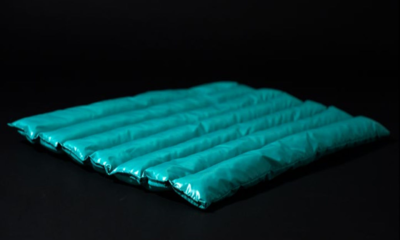










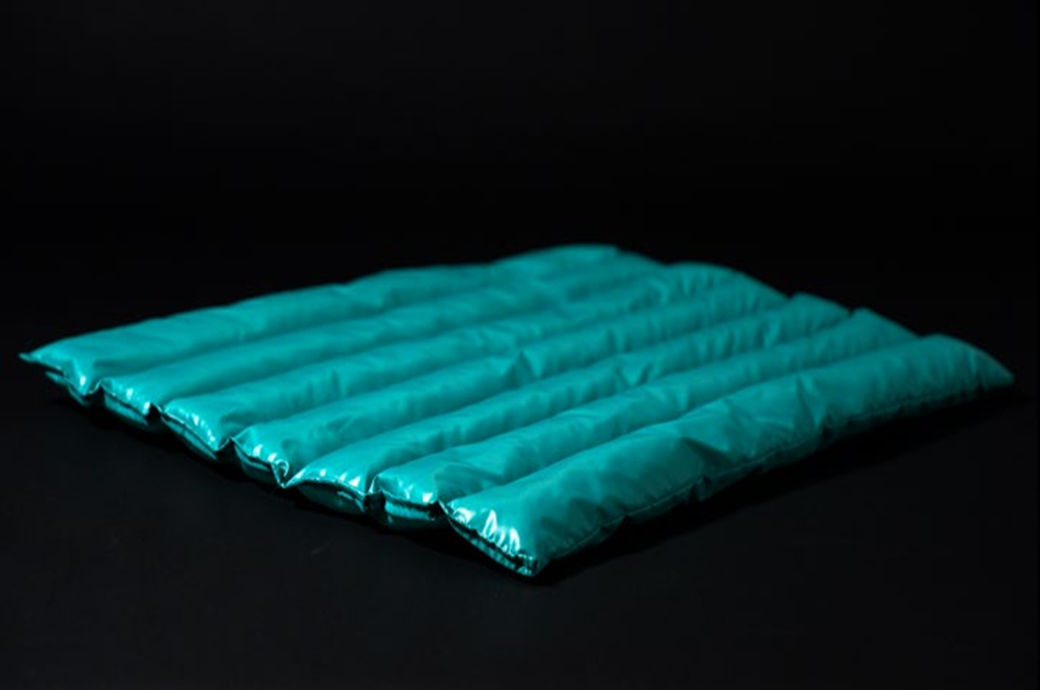
With Thermore Ecodown Fibers T2T, Thermore marks a major leap forward, reinforcing its leadership and unwavering commitment to a more sustainable future. This innovative free fiber allows for the recovery of textile polyester waste and its transformation into warm, high-performance insulation. Made from 100% recycled polyester fibers, this clever blend is a combination of 80% post-industrial textile waste and 20% post-consumer PET bottles. Unlike the downcycling that typically characterizes textile recovery, Ecodown Fibers T2T stands apart by delivering the same high quality of other Thermore products. “I have personally coordinated the Thermore research group for years, and the theme of circularity and textile-to-textile has long been the subject of study by our team,” says Patrizio Siniscalchi, Managing Director of Thermore.
Thermore has launched Ecodown Fibers T2T, a free fibre insulation made from 100 per cent recycled polyester.
The blend uses 80 per cent post-industrial textile waste and 20 per cent post-consumer PET bottles, enabling textile-to-textile recovery.
The high-loft, soft insulation offers durable performance, versatility, and is GRS, Bluesign, and OEKO-TEX Standard 100 certified.
“In fact, just as we pioneered the use of recycled fibers from PET bottles over 40 years ago, in recent years we have worked on the revaluation of textile waste. Ecodown Fibers T2T is already the second generation of padding we have produced using these important resources.” But sustainability is not the only strong point of this product. Ecodown Fibers T2T stands out for its high lofting and softness, guaranteeing optimal comfort. It’s also highly versatile and can be blown into baffles, placed inside panels, or applied by hand.
Its structure is engineered to stay stable over time minimizing clumping. Ecodown Fibers T2T is GRS (Global Recycled Standard) certified, a standard that verifies the content of recycled materials and traceability along the production chain. It also holds Bluesign and OEKO-TEX Standard 100 certifications, related to the control of chemical substances and compliance with rigorous criteria for product safety and health protection.
With this new product, Thermore once again wants to redefine the concept of responsible thermal insulation – no longer a simple technical element, but an integral part of a system where durability, performance, and resource efficiency become central design factors. Ecodown Fibers T2T represents an evolution for the world of fashion and sports, towards solutions where responsibility, performance, and style find a concrete balance.
Note: The headline, insights, and image of this press release may have been refined by the Fibre2Fashion staff; the rest of the content remains unchanged.
Fibre2Fashion News Desk (RM)
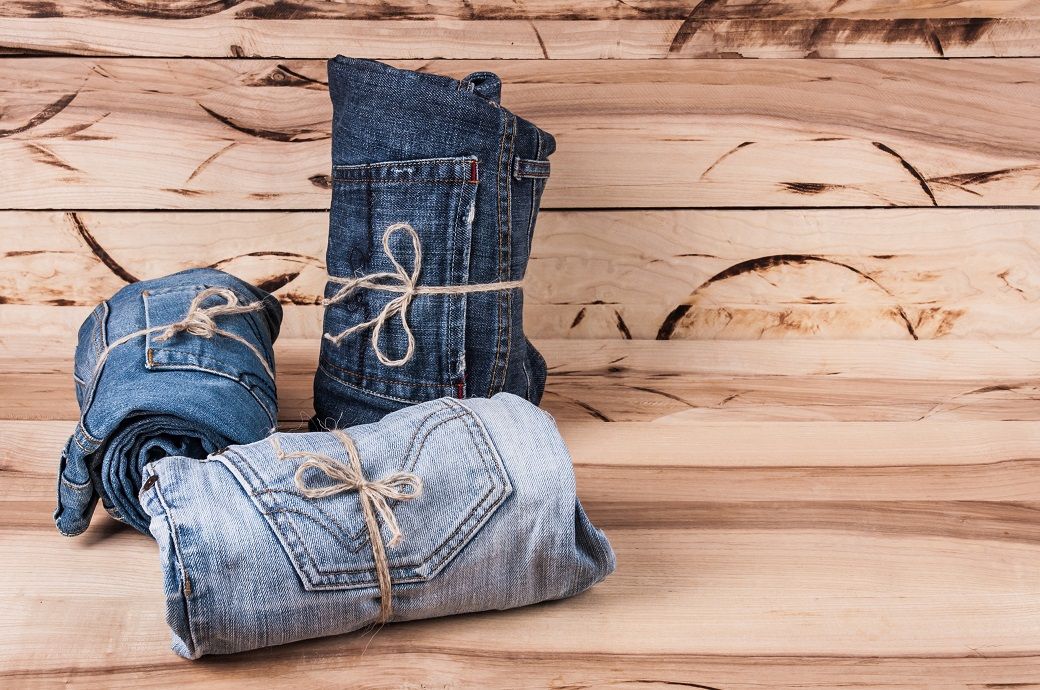
Woven garment exports witnessed limited decline compared to knitted garment exports. Knitwear exports (Chapter **) declined by *.** per cent to $**.*** billion, compared with $**.*** billion in the same period of fiscal ****–**. Woven apparel exports (Chapter **) eased *.** per cent to $**.*** billion, down from $**.*** billion during July-February ****, EPB data showed.
Home textile exports (Chapter **, excluding ******) expanded, increasing by *.** per cent to $***.** million from $***.** million in the same period of the previous fiscal. Taken together, exports of woven and knitted apparel, clothing accessories, and home textiles accounted for **.** per cent of Bangladesh’s total exports, which stood at $**.*** billion during the period.
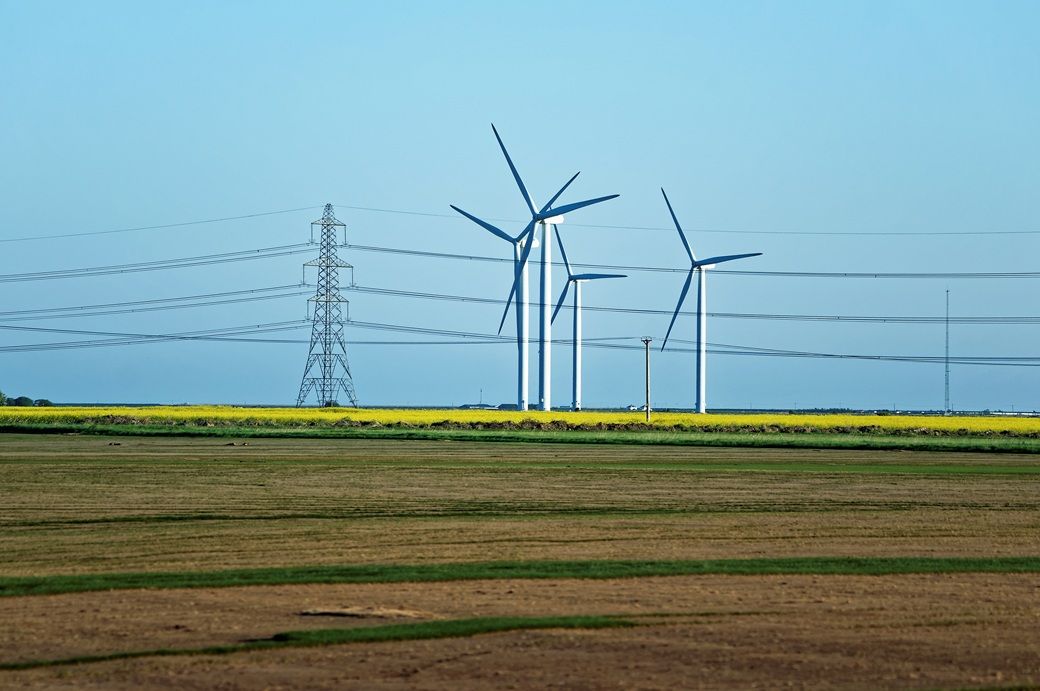
The tariff relief will allow British manufacturers to import certain components at zero customs duty under the Authorised Use procedure.
The UK Government will remove tariffs on 33 industrial goods from April 1 to lower costs for offshore wind manufacturers and support clean energy expansion.
The measure allows duty-free imports of wind turbine components under authorised use rules and follows £22 billion in offshore wind investment secured earlier this year to accelerate renewable energy development.
Officials said the measure will help manufacturers produce components at lower cost and reinvest savings to accelerate growth in the renewable energy sector. Offshore wind is currently the offshore wind energy industry’s largest renewable source in the United Kingdom and is considered significantly cheaper to produce and maintain than new gas projects.
The announcement follows a record 8.4 GW of offshore wind capacity and £22 billion in investment secured during the Contracts for Difference Allocation Round 7 earlier this year. The investments include the Berwick Bank offshore wind farm, one of the world’s largest planned offshore wind developments.
According to the government, the tariff measure also aligns with its broader trade and industrial strategy, ensuring trade policy supports domestic manufacturing while advancing the country’s clean energy transition.
Fibre2Fashion News Desk (CG)


Transfer rumors, news: Arsenal join Man City in race for Newcastle defender

LPG Shortage: HCLTech Offers Work From Home As Office Cafeterias Disrupted

PM Shehbaz jets off to Saudi Arabia to discuss Mideast tensions, security with MBS

-

 Politics5 days ago
India let Iran warship dock the day US sank another off Sri Lanka, say officials
-

 Sports5 days ago
Pakistan set for FIH Pro League debut | The Express Tribune
-
 Business5 days ago
Restaurant group changes name after bid to buys pubs across the UK
-

 Entertainment5 days ago
Harry Styles kicks off new era with ‘One Night Only’ comeback show
-
 Business5 days ago
Home heating oil: ‘Most of my pension has gone on home heating oil’
-

 Sports5 days ago
Winners and losers of the 2026 NHL trade deadline
-

 Tech1 week ago
Google’s Pixel 10a May Not Be Exciting, but It’s Still an Unbeatable Value
-

 Entertainment5 days ago
Kanye ‘Ye’ West trips during trial: ‘Is he asleep?’