

Fashion
BasicNet’s co-chief executives Lorenzo and Alessandro Boglione: “We will strengthen Woolrich’s leadership and international presence in the outdoor lifestyle category”

Published
November 13, 2025
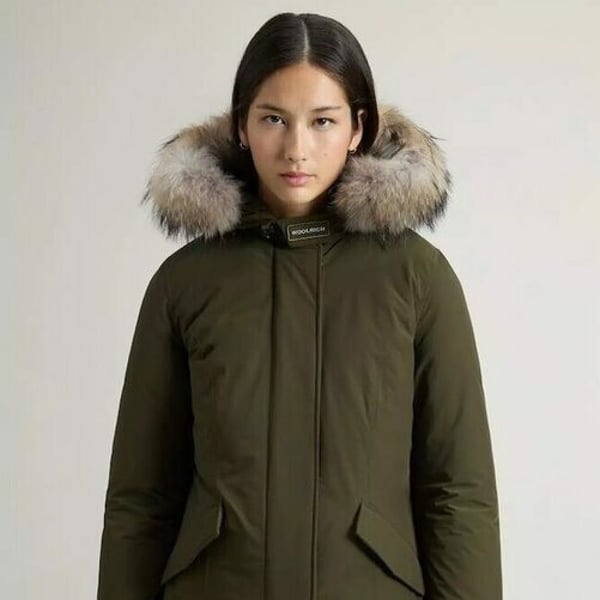
Immediately after buying Woolrich’s European operations from the L-Gam fund, the Turin-based BasicNet group outlined to FashionNetwork.com, in the words of its two CEOs, brothers Lorenzo and Alessandro Boglione, its initial plans to restore the iconic US brand to prominence.
“The transaction amounts to €90 million and covers the brand’s rights for Europe in their entirety, Turkey, and all the company’s entities operating across the continent. The company is expected to generate consolidated turnover of around €90 million this year,” confirms Alessandro Boglione to FashionNetwork.com.
Boglione is a second-generation leader at the company, which was founded in 1995 by his father, Marco. “The Woolrich brand is still in great shape; it enjoys strong standing in the market, is healthy, benefits from robust distribution and excellent products, and retains a very strong identity,” he said. “However, over the past four to five years the company has not performed well in terms of profitability, which has led to significant financial strain that has affected all other areas of development. It is the latter that we are acquiring at a challenging moment, not the brand.”
In practice, the Woolrich brand will, so to speak, be “split in two,” Lorenzo Boglione confirms. “That is, between Europe and the rest of the world. Given that BasicNet’s turnover in 2024 was €409 million, the addition of these €90 million should take group turnover to half a billion. In the first nine months of 2025 we are slightly up on BasicNet’s turnover, which, in the current environment, is far from a given, and profitability is stable.”
“One of the reasons — aside from the love we’ve always had for the brand — we believe we can make a difference is that we can place the company and the Woolrich label within a much larger corporate structure, with capabilities and experience that we can deploy immediately,” adds the other CEO, Lorenzo Boglione. “Given that the company’s turnover in the last five years has dropped significantly, over the past year management has begun to implement a series of measures to improve profitability, but it is certain that, in terms of turnover, the last five to six years have not been easy for Woolrich.”
The deal is being finalised within an extremely difficult and complex economic environment. “I believe that, by the nature of our business at BasicNet, investments like this have to materialise precisely at times when companies and brands are looking for a revival,” Alessandro Boglione replies. “We can’t compete with large investors or companies much bigger than ours to make acquisitions when businesses are performing very well. We therefore have to invest in struggling brands in complicated market conditions; otherwise, we would not be financially competitive.”

Regarding brand strategy and product plans, Lorenzo Boglione indicates that BasicNet will aim to do two things. The first will be “to stay as faithful as possible to the brand’s history and its American roots, to its quality materials such as wool, which we consider a fantastic raw material in which we can invest heavily,” he says. “We will certainly focus squarely on outerwear, Woolrich’s core product, but we also want to move beyond the mono-season approach and ensure that the summer lines, or at least the non-winter months, become relevant for the brand.”
“From a distribution point of view, I believe that Woolrich’s current mix of retail, wholesale, and digital is very healthy and that the three channels should grow more or less proportionally,” assures Alessandro Boglione, who is keen to emphasise that “within the company’s scope there is an archive of 12,000 items that is invaluable to us. That will be our starting point for everything,” he adds, also because Woolrich “is a brand that in just over four years will celebrate its 200th anniversary. There’s a wealth of significant material in a 200-year archive, starting with woollens, passing through the Arctic Parka, and arriving at the latest collections.”
The Boglione brothers report that wholesale clearly remains the primary channel for Woolrich, followed by retail and then e-commerce. “We continue to believe that wholesale will be highly strategic for the development of the brand in all the countries where we will operate. The multi-brand channel certainly faces major challenges — we will have very big ones ahead — but it remains very strong. We do not think that brands like the ones we have in our portfolio can do without multi-brand retailers to tell their story, although digital — and, for other reasons, retail — will be the key to the future,” the CEOs reveal, adding that they “do not rule out further acquisitions in the future, perhaps for a brand with strong positioning, history and iconic products. We are very satisfied with the trajectory of our listing on the stock exchange at Piazza Affari, where our shares have been listed since 1999, which has enabled us to structure ourselves exceptionally well and has given us strong financial and administrative discipline.”
Finally, Alessandro and Lorenzo Boglione declined to make any statements or comments regarding any changes to management or the brand’s creative direction. “We will take several months to get to know all the people in Woolrich’s workforce well and go from there,” they said. “However, it would neither be generous nor fair to talk about any changes at this stage. What is important is to emphasise that we would like to bring the brand back to its glory days. We believe it may be a good time to try, and that Woolrich has every right and all the potential to do so.”
This article is an automatic translation.
Click here to read the original article.
Copyright © 2025 FashionNetwork.com All rights reserved.










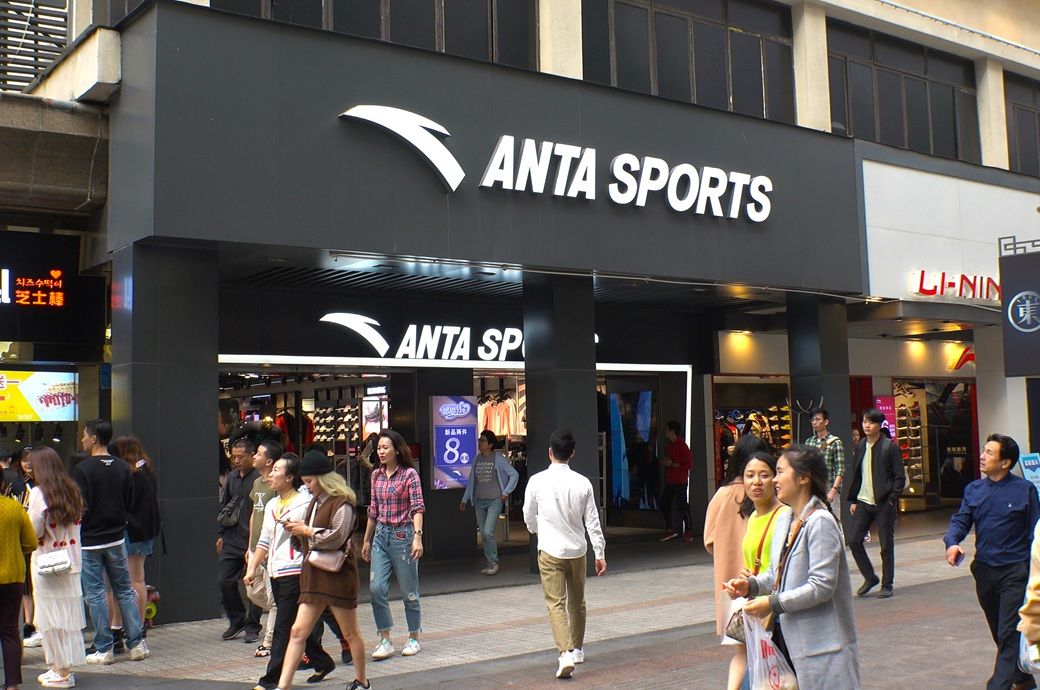
The operating profit increased by 15 per cent to RMB 19.09 billion (~$2.77 billion), while operating margin improved to 23.8 per cent, reflecting strong operational efficiency. Profit attributable to shareholders rose 13.9 per cent to RMB 13.59 billion, excluding one-off gains related to the Amer Sports listing.
Anta Sports has reported revenue of RMB 80.22 billion (~$11.62 billion) in 2025, up 13.3 per cent, strengthening its China market leadership with a 21.8 per cent share.
Operating profit rose 15 per cent, supported by margin improvement and strong growth across brands, especially Fila and Descente.
Solid cash flow, rising R&D investment, and ESG progress further reinforced its global top three position.
The company further expanded its domestic dominance, achieving an estimated market share of around 21.8 per cent, according to industry data. The company’s core ANTA brand generated revenue of RMB 34.75 billion, up 3.7 per cent, with operating profit reaching RMB 7.21 billion, maintaining steady growth, Anta Sports said in a press release.
Fila continued to outperform within the premium sports fashion segment, with revenue increasing 6.9 per cent to RMB 28.47 billion and operating profit rising 10.1 per cent to RMB 7.42 billion. Meanwhile, other brands delivered standout growth, with revenue surging 59.2 per cent to RMB 17 billion and operating profit climbing 55.3 per cent to RMB 4.74 billion. Notably, Descente’s retail sales surpassed RMB 10 billion for the first time.
The group’s financial position remained strong, with free cash flow of RMB 16.11 billion and a net cash position of approximately RMB 31.72 billion at year-end, underscoring its balance sheet strength and liquidity.
Anta also continued to invest in long-term capabilities. Research and development spending rose to RMB 2.2 billion, supported by the rollout of its AI365 strategy aimed at integrating artificial intelligence across the value chain. The company expanded its workforce to over 69,100 employees and supported nearly 300,000 direct and indirect jobs.
On the sustainability front, Anta achieved inclusion in the Hang Seng ESG 50 Index and improved its MSCI ESG rating to ‘AA’. Its total charitable contributions exceeded RMB 800 million in 2025, taking cumulative donations beyond RMB 3.5 billion.
The company’s strong financial and operational performance highlights its ability to scale profitably while investing in innovation, sustainability and brand equity, further consolidating its leadership in China’s highly competitive sportswear market.
Ding Shizhong, executive director and board chairman of Anta Sports, said, “In 2025, amid a complex and rapidly changing environment, we once again delivered resilient growth by staying true to our single focus, multi-brand, globalization strategy. Each of our brands delivered differentiated, high-quality growth. Growth is the best corporate culture, but it is not about simple expansion of scale.”
Fibre2Fashion News Desk (SG)
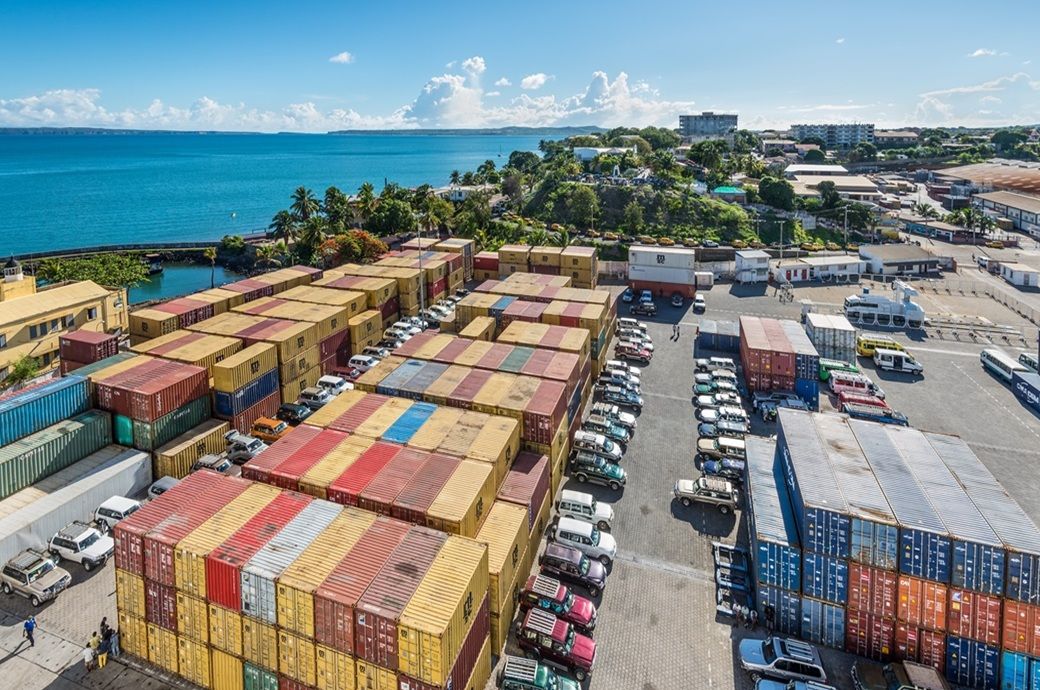
The programme is jointly implemented by UN Trade and Development (UNCTAD), the World Customs Organization and UK Customs.
The UK has committed around $1.25 million in funding for the ‘Accelerate Trade Facilitation’ programme for the 2026-2029 period.
The programme is jointly implemented by UNCTAD, the World Customs Organization and UK Customs.
The latest phase will expand the programme’s capacity-building activities and introduce the Reform Tracker tool to up to three additional countries.
For more than a decade, the programme has supported over 30 economies to speed up the movement of goods and strengthen cooperation between the public and private sectors.
“We will build on the strong and sustained impact achieved by partner countries over the last 11 years of the programme, strengthening national trade facilitation committees and driving practical, lasting reforms that make trade simpler, faster and more inclusive while supporting economic growth,” said Megan Shaw, deputy director of international customs and border engagement at UK Customs in an UNCTAD release.
The programme will continue to place national trade facilitation committees (NTFCs) at the core of its work. NTFCs serve as coordination platforms where government agencies and businesses identify bottlenecks, agree on priorities and advance trade facilitation reforms.
UNCTAD has supported them through specialised training, including via its trade facilitation e-learning platform, and practical tools such as the Reform Tracker. The tool helps countries monitor progress on trade facilitation reforms and keep society-wide collaborators aligned.
“These reforms contribute to a trading environment that is faster, cheaper, more transparent and more predictable—conditions that help businesses compete and grow,” said Angel Gonzalez Sanz, officer-in-charge of UNCTAD’s division on technology and logistics.
The 2026-2029 phase will expand the programme’s capacity-building activities and introduce the Reform Tracker to up to three additional countries.
These efforts will help deepen digitalisation and improve coordination between border agencies—measures crucial to reducing costs and processing times for traders.
Fibre2Fashion News Desk (DS)
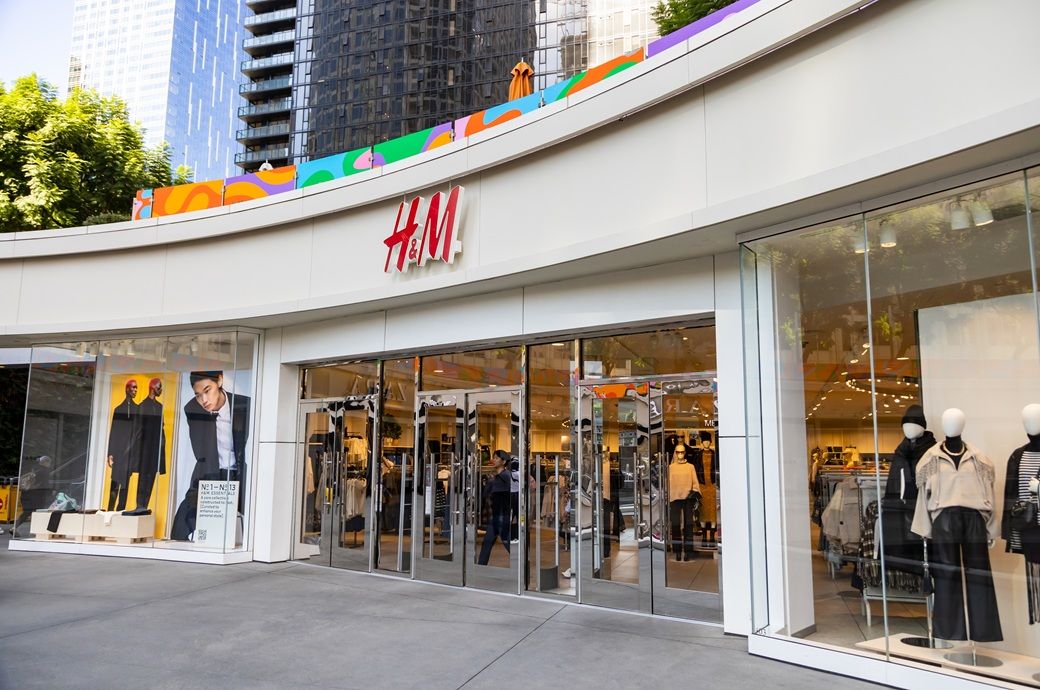
The gross profit reached SEK 25,138 million (~$2.39 billion), with the gross margin improving to 50.7 per cent from 49.1 per cent a year earlier, supported by lower markdown costs and more efficient sourcing.
H&M has reported net sales of SEK 49,607 million (~$4.72 billion) in Q1 FY26, with sales down 1 per cent in local currencies.
Improved cost control lifted gross margin to 50.7 per cent and operating profit rose 26 per cent.
The net profit increased to SEK 704 million (~$75.05 million), while inventory fell 16 per cent.
Currency effects weighed on revenue despite stronger margins and improving sales.
The operating profit rose by 26 per cent to SEK 1,512 million, lifting the operating margin to 3 per cent from 2.2 per cent. Selling and administrative expenses declined by 1 per cent in local currencies and by 9 per cent in SEK terms, reflecting continued cost discipline, H&M said in a press release.
The net profit after tax (PAT) increased to SEK 704 million (~$75.05 million), with earnings per share (EPS) improving to SEK 0.45 from SEK 0.37. Inventory management also showed progress, with stock-in-trade falling 16 per cent to SEK 34,608 million, indicating improved inventory productivity.
However, sales in SEK terms were impacted by a currency translation effect of just over 9 percentage points due to the strengthened Swedish krona. The quarter began with weaker demand following strong Black Friday trading, though sales trends improved towards the end, supported by spring collections.
“Good cost control and improved gross margin contributed to strengthened profitability in a quarter marked by cautious consumption and large currency translation effects,” said Daniel Erver, CEO at H&M.
Looking ahead, H&M expects March 2026 sales to rise by 1 per cent in local currencies. The company also highlighted its sustainability progress, noting that 32 per cent of materials used in 2025 were recycled, while 91 per cent were either recycled or sustainably sourced.
Fibre2Fashion News Desk (SG)


China’s Anta Sports posts record $11.62 bn revenue in 2025

GST collections rise 8.2% in March 2026 to hit Rs 1.78 lakh crore – The Times of India

Tehran residents on edge after month of war

Afghanistan announces release of detained US citizen

Property Play: Home flippers see smallest profits since the Great Recession, real estate data firm says

Broadcast industry CEO says consolidation is ‘essential’ to compete for NFL soaring media rights prices

-
 Politics1 week ago
Afghanistan announces release of detained US citizen
-
Business1 week ago
Property Play: Home flippers see smallest profits since the Great Recession, real estate data firm says
-
 Sports1 week ago
Broadcast industry CEO says consolidation is ‘essential’ to compete for NFL soaring media rights prices
-

 Entertainment1 week ago
UN warns migratory freshwater fish numbers are spiralling
-

 Tech1 week ago
Can a Home Appliance Fix the Problem of Soft-Plastic Waste?
-
 Business1 week ago
Gold prices soar in Pakistan – SUCH TV
-

 Fashion1 week ago
ICE cotton slips on weaker crude, profit booking
-
 Business1 week ago
More women are entering wealth management, but few are in advisory roles, study finds