

Fashion
BGMEA, AmCham Bangladesh welcome reciprocal tariff agreement with US

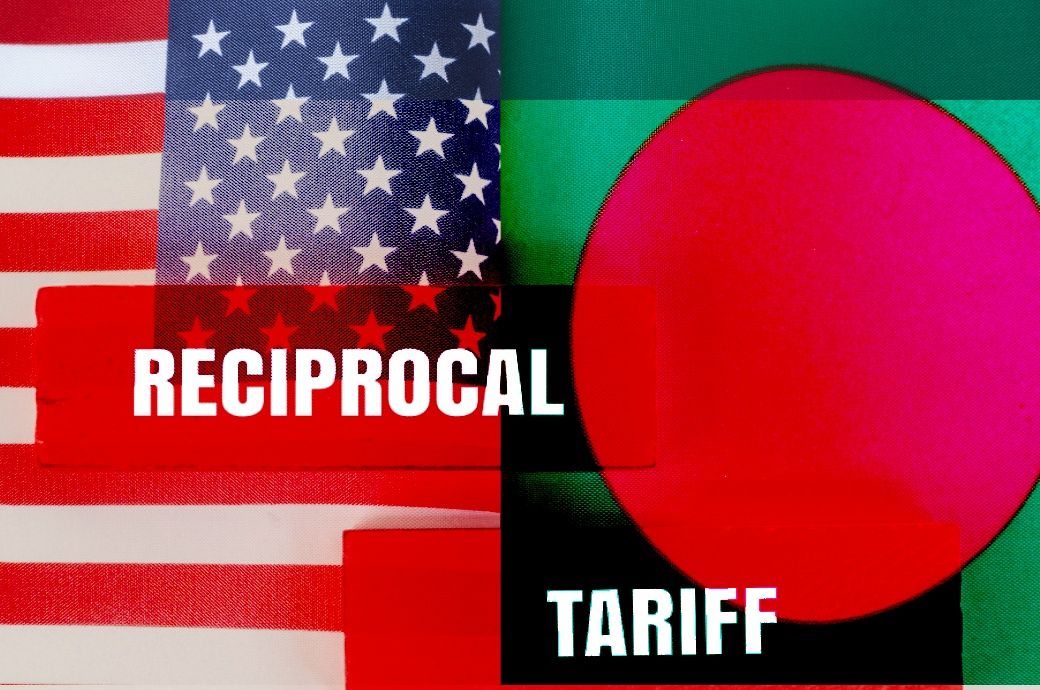
The agreement was signed after nine months of negotiations.
BGMEA and AmCham Bangladesh have welcomed the signing of a reciprocal tariff pact with the US, terming it as a positive development for the apparel sector.
Garments manufactured using US inputs will be exempt from such tariffs and that will improve Bangladesh’s market access to the US, BGMEA noted.
The provision can encourage deeper supply-chain integration and promote value addition, AmCham said.
Garments manufactured in Bangladesh using cotton and man-made fibres imported from the United States will be exempt from such tariffs and that will improve Bangladesh’s market access to the United States, BGMEA noted.
It, however, emphasised that proper evaluation and traceability mechanisms must be ensured to fully benefit from the provision allowing the use of US-origin raw materials.
The trade body observed that while US cotton is of better quality, it is relatively expensive as well. If local spinning mills can ensure competitively priced yarn, the agreement could create substantial opportunities for export growth, it added.
The deal reflects constructive engagement between two longstanding economic partners and sends a positive signal to global investors amid heightened uncertainty in international trade, an AmCham statement said.
The provision that allows zero-tariff access for certain products manufactured with US inputs has the potential to encourage deeper supply-chain integration, promote value addition and strengthen backward linkages between US producers and Bangladeshi manufacturers, it added.
Fibre2Fashion (DS)









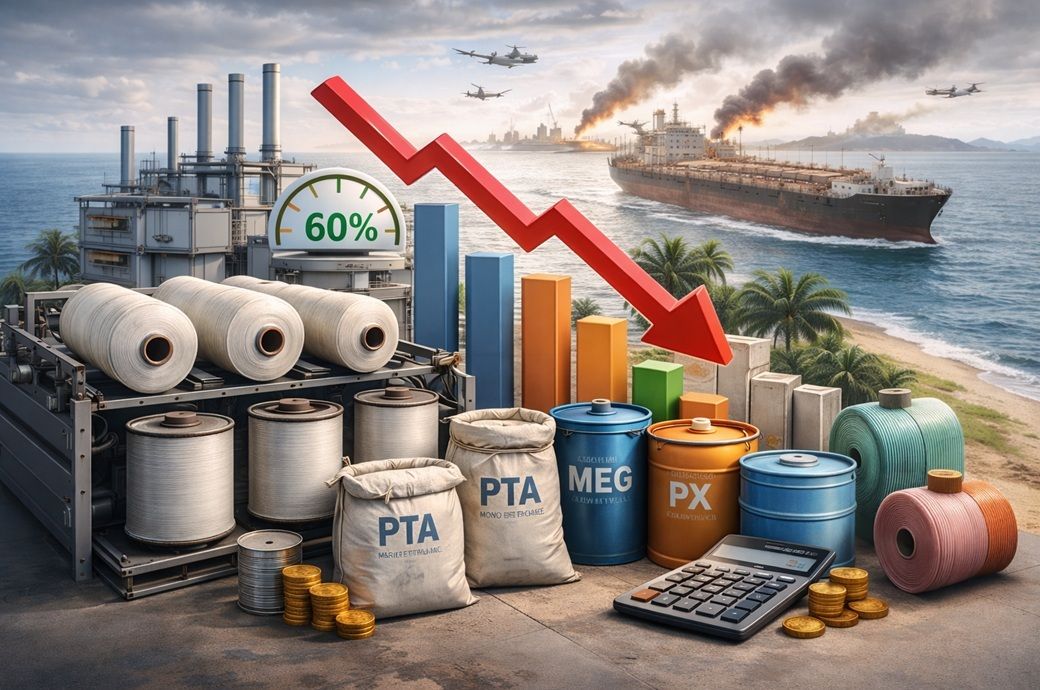
India**;s partially oriented yarn (POY) manufacturing sector has significantly scaled back production, with plant utilisation rates falling to approximately ** per cent of installed capacity. The pullback is not demand-led; rather, it is a direct consequence of extraordinary inflationary pressure in petrochemical feedstocks, compounded by supply chain uncertainty stemming from ongoing geopolitical tensions across West Asia.
Within the first week of March ****, prices of the three core inputs for POY production purified terephthalic acid (PTA), monoethylene glycol (MEG), and paraxylene (PX) rose sharply and simultaneously, catching yarn producers with limited room to adjust. The aggregate cost of the raw material basket climbed by an estimated ** to ** percent in under a month, an extraordinary pace of inflation by any historical measure in this sector.

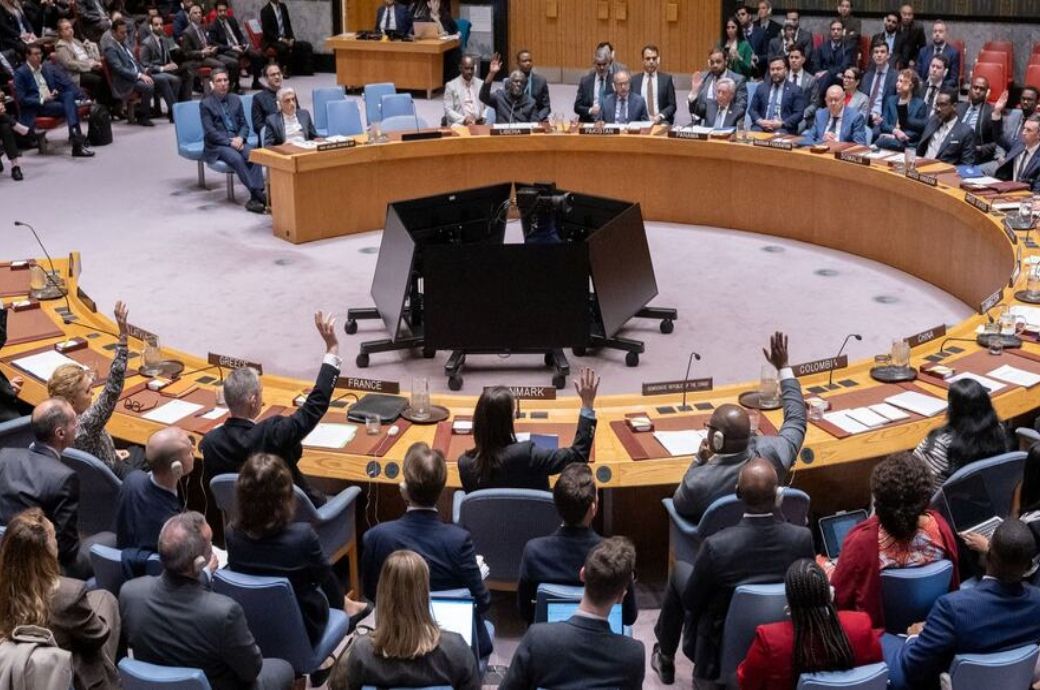
The vote followed multiple rounds of negotiations.
The UN Security Council has rejected a draft resolution submitted by several Gulf states that would have strongly encouraged countries to coordinate defensive efforts and deter attempts to interfere with navigation through the Strait of Hormuz.
By a vote of 11 in favour to two against (China, Russia), with two abstentions, a draft resolution submitted by several Gulf states could not be adopted.
Abdullatif bin Rashid Alzayani, Minister for Foreign Affairs of Bahrain and Council President for April, presided over the meeting. “We [member states of the Gulf Cooperation Council] declare loudly and unequivocally before this Council, which is charged with the maintenance of international peace and security, that [Iran] has no right to close this waterway to international navigation,” he said.
He cautioned that if the Council permits the Strait of Hormuz to remain closed today, “such a scenario would inevitably be replicated in other straits and waterways, thereby transforming the world into a jungle where force, arrogance and hegemony prevail”.
However, by a vote of 11 in favour to two against (China, Russia), with two abstentions (Colombia, Pakistan), the draft resolution could not be adopted.
The Chinese representative said that the proposed draft “failed to capture the root causes and the full picture of the conflict in a comprehensive and balanced manner”. Noting that it contained one-sided condemnations, he stressed that “this war should never have happened” and called on the United States and Israel to cease what he described as illegal military actions.
He also called on Iran to stop its attacks and noted that his delegation is currently working alongside Moscow on an alternative resolution to address the situation, according to a UN press release.
Beijing and Moscow announced plans to introduce an alternative text soon. “Our draft will be concise, equitable and balanced,” said the Russian representative.
“The objective of this draft is obvious,” stated Iran’s representative, as it seeks to “punish the victim for defending its sovereignty and vital national interests in the Persian Gulf and the Strait of Hormuz while providing political and legal cover for further unlawful acts by the aggressors”.
Fibre2Fashion News Desk (DS)


Laufey teases new music video co-starring Lola Tung, Alysa Liu, KATSEYE

Documents: NC State trainer initiated ‘unwelcome,’ ‘sexual’ contact

Lidl begins building its first pub at site in Dundonald, Northern Ireland

-
Uncategorized7 days ago
[CinePlex360] Please moderate: “Trump signals p
-
 Business7 days ago
Jaguar Land Rover sees sales recover after cyber attack
-

 Entertainment6 days ago
Joe Jonas shares candid glimpse into parenthood with Sophie Turner
-

 Tech6 days ago
Our Favorite iPad Is $50 Off
-
 Fashion1 week ago
China’s Anta Sports posts record $11.62 bn revenue in 2025
-

 Politics6 days ago
Iran can sustain Strait of Hormuz closure for years, will cut US military logistics: Official
-

 Sports6 days ago
UConn Final Four run could trigger a $50M furniture giveaway for Massachusetts-based Jordan’s Furniture
-
 Business6 days ago
Video: Why Is the Labor Market Stuck?