

Entertainment
‘Bridgerton’ stars Luke Thompson, Yerin Ha tease big surprise on Chirstmas


Bridgerton season four cast, Luke Thompson, Yerin Ha and Hannah Dodd, has a treat for their fans.
The series run by Jess Brownwell introduced the 12 Days of Bridgerton, a festive promotional campaign run by Shondaland and Netflix.
It was launched on December 15 and will run through late December functioning like an adventure calendar for fans.
In a new Instagram post Thompson, Ha and Dodd excited fans with what to expect during 12 Days of Bridgerton.
In the clip Thompson on behalf of the series wished the fans a “Happy Holiday season,” with Dodd chiming in saying, “and a happy New Year.”
Ha added that the cast is looking forward for fans to watch the new season.
Before the clip could end, Dodd quickly added that “Before that, there is one last surprise.”
Thompson ended the clip by saying, “that’s all we can say now.”
Meanwhile, Netflix’s Tudum site has released an invitation and RSVP portal for the Bridgerton season four premiere Masquerade, a free virtual live event for fans worldwide.
The show will be premiered on January 14, 2026, two weeks before it’s available.
The worldwide premiere of season four will be in two volumes, part one will be released on January 29 and second on February 26.
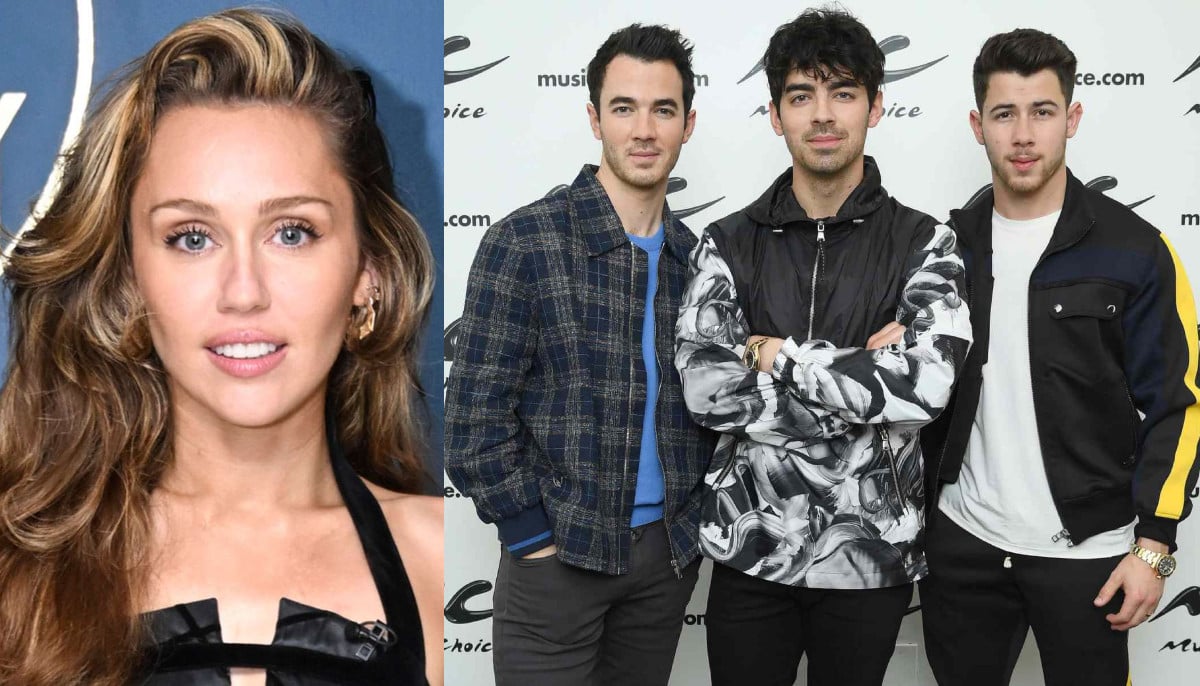
Miley Cyrus has let slip the real reason the Jonas Brothers ended up on her 2006 Best of Both Worlds Tour, and it had nothing to do with business strategy.
Speaking on the Hannah Montana 20th Anniversary Special, the 33-year-old admitted the booking came down to one simple fact: she was dating Nick Jonas and didn’t want to leave him behind.
“Literally, the reason that the Jonas Brothers were on tour with me was because Nick was my boyfriend, and I wanted to not leave my boyfriend,” she said.
“So I’d be like, ‘OK, well, I’ll go on tour if my boyfriend can come.’ And they’re like, ‘Cute, have your boyfriend open for the show.’ Boom.”
The special was packed with candid revelations.
Cyrus also shared that she had childhood crushes on both Zac Efron and her Hannah Montana co-star Mitchel Musso, and shed light on how Taylor Swift ended up in the 2009 film Hannah Montana: The Movie.
Swift, 36, appeared in a barn dance scene, performing her original song Crazier.
“This was kind of the beginning of her career, and they were looking for someone that would authentically, no shade, I guess, be performing in a barn. We both performed in the barn,” Cyrus said.
She also spoke warmly about the song she and Swift co-wrote together, You’ll Always Find Your Way Back Home, calling it a “banger” that “stands the test of time.”
Perhaps the most unexpected revelation of the night, though, involved Panda Express.
Cyrus admitted that she and co-star Emily Osment used to make a habit of visiting the fast food chain after work, where she would order white rice and pour Diet Coke over it instead of soy sauce.
“I did something really gnarly,” she said, before immediately defending herself. “I am from the south in a way that it’s really hard to describe.”
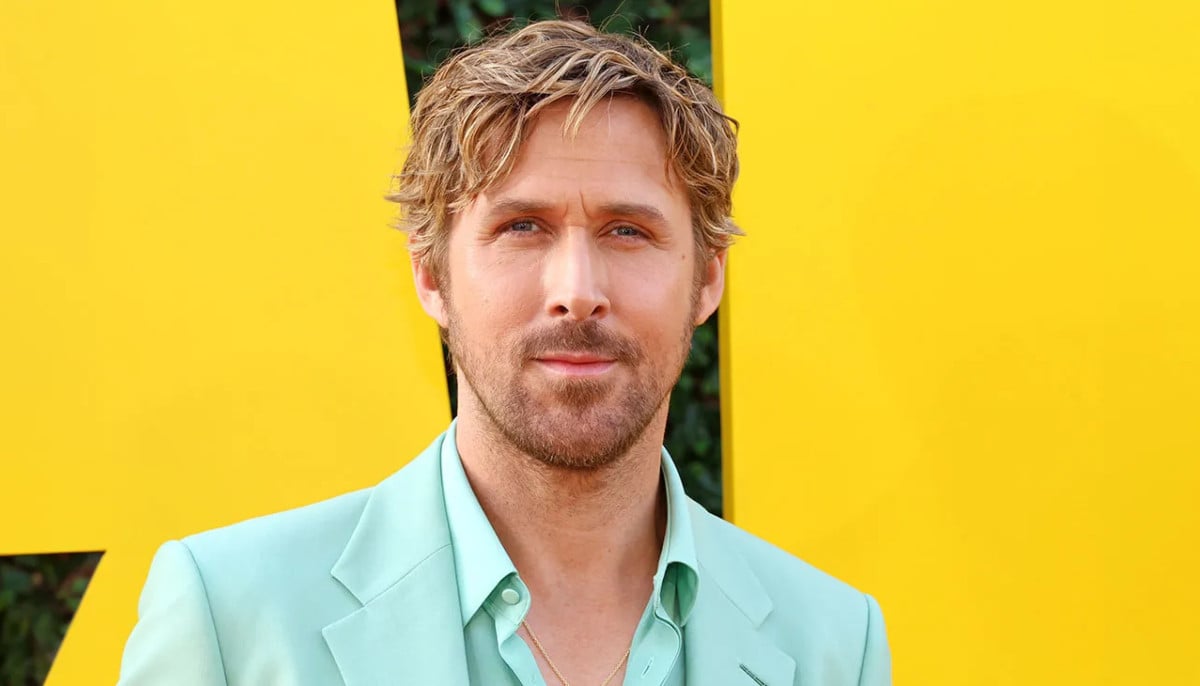
Ryan Gosling is wasting no time lining up his next major project.
Days after Project Hail Mary shattered box office records, the actor has signed on to star in the next film from Everything Everywhere All at Once directors Daniel Kwan and Daniel Scheinert, the filmmaking duo known as the Daniels.
The untitled Universal Pictures project is currently set for release on 19 November 2027, with the news confirmed by multiple outlets on Thursday, 26 March.
The timing is striking.
Project Hail Mary, Gosling’s new science fiction adventure, opened to $80.6 million at the domestic box office in its first weekend, with a further $60.4 million collected internationally.
That makes it the biggest opening ever for an Amazon MGM Studios release, surpassing 2023’s Creed III, and the largest domestic debut of the year so far, ahead of February’s Scream 7.
Kwan and Scheinert, both 38, became one of Hollywood’s most sought-after creative forces after Everything Everywhere All at Once swept the 2023 Academy Awards, winning seven Oscars including Best Picture, Best Director, Best Actress for Michelle Yeoh and Best Supporting Actor for Ke Huy Quan.
Gosling has been vocal about his belief in the theatrical experience.
At a surprise appearance at a New York City screening of Project Hail Mary earlier this week, he told the audience it was the film industry’s “job to make things that make it worth you coming out” to cinemas.
His schedule for the next few years is formidable.
Alongside the Daniels project, he is set to star in the next Star Wars film, Starfighter, due in May 2027, and an action comedy with Will Ferrell titled Tough Guys.
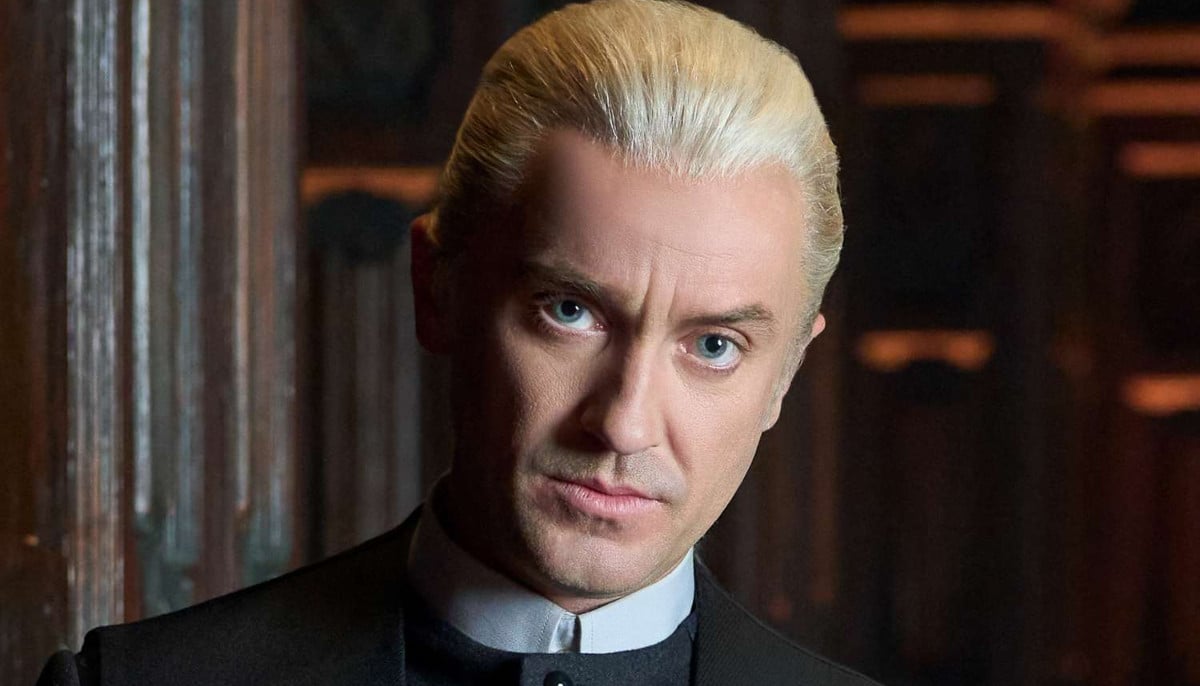
Tom Felton has revealed he had absolutely no idea that his sneering pronunciation of the word Potter would become one of the most celebrated moments in Harry Potter history, and credits his older brothers for unknowingly teaching him how to do it.
Speaking on the Happy Sad Confused podcast on Thursday, 26 March, the 38-year-old actor said of the now-famous delivery.
“I don’t know how that’s become an iconic thing. I certainly had no idea.” He traced the pronunciation back to his childhood dynamic as the youngest of four brothers.
“I have three older brothers, so they all would always call me something like maggot or runt. Runt of the pack. Because I was the youngest and the shortest considerably. So I don’t remember ever thinking about it for a second. But ‘Potter,’ it just got more and more venomous.”
He marvelled at the reaction it still prompts.
“All you have to do is say that in the company of a Potter fan and… goosebumps and, like, applause, something happens,” he said.
“I never knew any of these things were gonna be iconic lines.”
Felton is currently back in the Slytherin robes on Broadway, playing Draco Malfoy in Harry Potter and the Cursed Child, which picks up 19 years after the events of Deathly Hallows and follows the next generation of Hogwarts students.
He told podcast host Josh Horowitz that he has smuggled at least one of his most famous film lines into the stage production, not through planning, but instinct.
“I said it once spontaneously in rehearsals and John Tiffany, our fabulous director, who’s been doing it out for ten years, I could see his eyes twinkle and go, ‘Yes. Put that back in.'”
The response from audiences has been predictable.
“It’s, needless to say, quite a hit every night,” he added.


Men’s March Madness live tracker: Updates from every Sweet 16 game Thursday

Man City to seek Rodri talks amid Real Madrid links – sources

2027 NFL free agency: Top players, QBs potentially available

Sales at US apparel, clothing accessories stores up 4% YoY in Jan 2026

Spain’s Inditex FY25 sales rise 3.2% to $46.28 bn amid strong demand

March Madness 2026 – How to watch in SA, start time, schedule, TV channel for NCAA championship basketball tournament

-
 Fashion1 week ago
Sales at US apparel, clothing accessories stores up 4% YoY in Jan 2026
-
 Fashion1 week ago
Spain’s Inditex FY25 sales rise 3.2% to $46.28 bn amid strong demand
-

 Politics1 week ago
Iran strikes Tel Aviv with cluster-warhead missiles in retaliation of Larijani’s martyrdom
-

 Entertainment1 week ago
Val Kilmer revived 1 year after death through AI
-
 Sports1 week ago
March Madness 2026 – How to watch in SA, start time, schedule, TV channel for NCAA championship basketball tournament
-
 Business1 week ago
Brits cashing in jewellery as gold price hits record high
-

 Fashion1 week ago
US’ G-III Apparel’s FY26 sales fall 7% to $2.96 bn
-

 Politics1 week ago
US judge directs Trump administration to bring VOA employees back