

Fashion
China’s forex reserves fall to $3.34 tn in March 2026

It attributed the decline to a combination of external financial factors. In March, the US dollar index strengthened, while prices of major global financial assets fell, reflecting shifts in the global macroeconomic environment, monetary policy adjustments by major economies, and evolving market expectations.
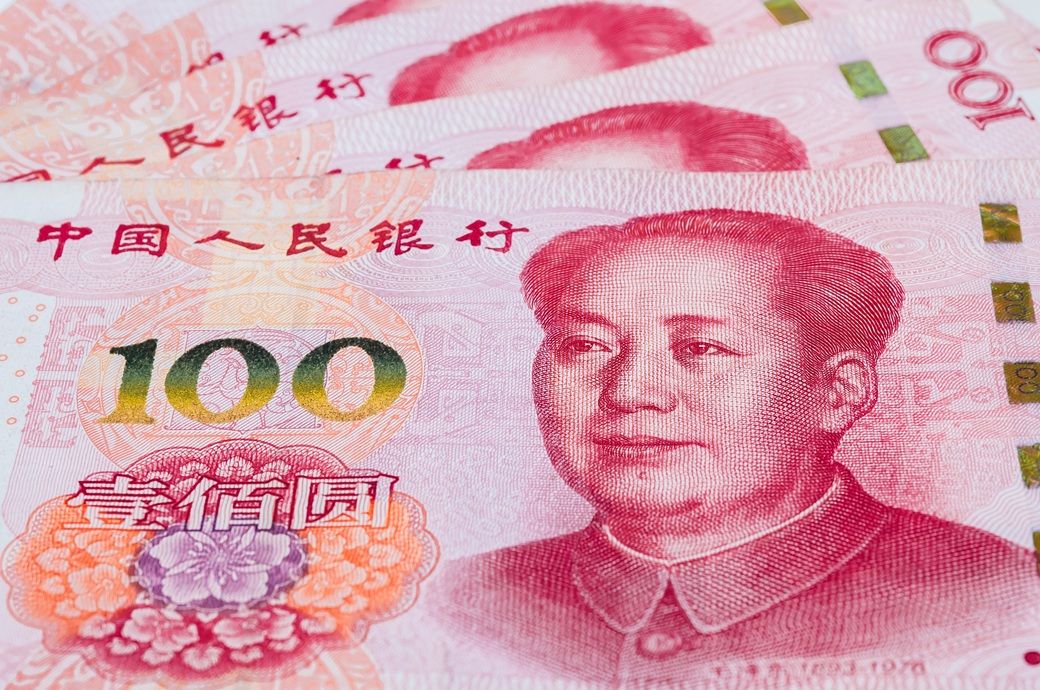
China’s forex reserves fell by $85.7 billion to $3.3421 trillion in March 2026, impacted by a stronger US dollar and declining global asset prices.
The State Administration of Foreign Exchange cited exchange rate and valuation effects, while noting that steady economic performance continues to support overall reserve stability.
The reserves remain among the world’s largest.
It also noted that exchange rate conversion effects and changes in asset prices together led to the reduction in reserves during the month.
Despite the decline, China’s economy maintained steady and improving performance, supported by emerging higher-quality development drivers. This stability has provided a solid foundation for keeping the country’s foreign exchange reserves broadly stable, said Chinese media reports.
Fibre2Fashion News Desk (JP)












Australia’s textile and apparel imports showed a mixed trend in FY26 (July–January), with apparel down 3.77 per cent and textiles up 3.44 per cent.
Fibre imports and exports recorded modest growth, while monthly trends remained soft.
The broader trade reflects recovery in FY25 after a weak FY24 marked by lower prices, inventory correction, and logistics disruption.
Source link
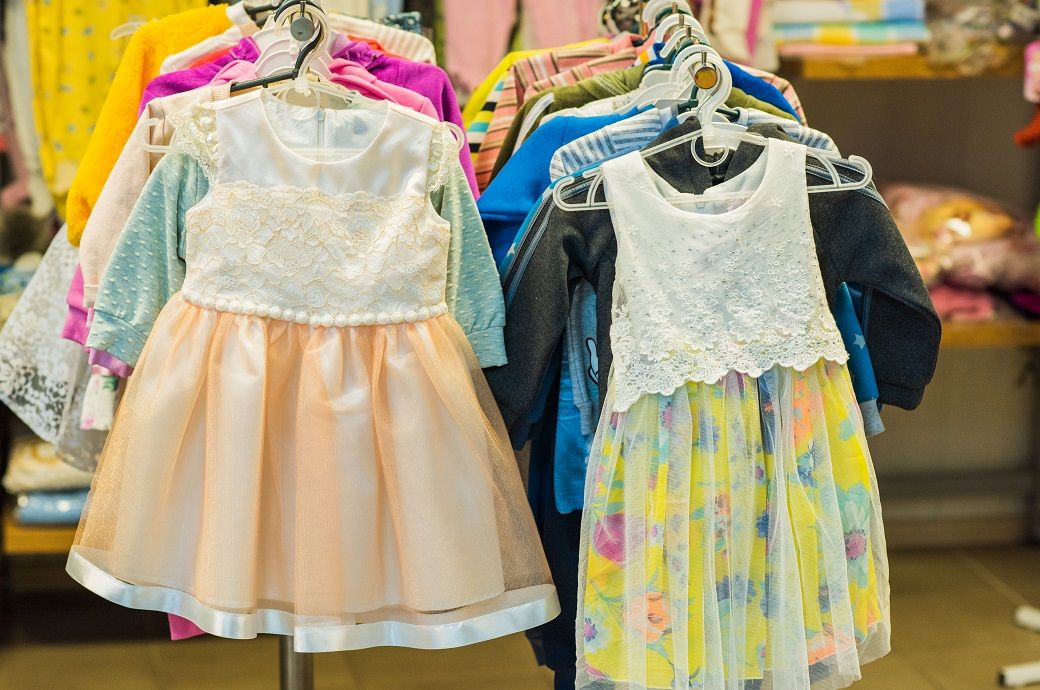
During the first two months of ****, textile exports increased by *.* per cent to $**.* million. Over the same period, exports of other manufactured textile articles increased by *.* per cent to $**.* million, as per the Central Bank’s publication ‘External Sector Performance – February ****’.
Combined exports of textiles, garments, and other manufactured textile articles accounted for **.** per cent of all industrial exports from Sri Lanka during the first two months of this year. Total textile product exports amounted to $***.* million between January-February ****, while the country’s overall industrial exports were valued at $*,***.* million over the same period. This underscores the continued dominance of the apparel sector in Sri Lanka’s industrial export base, despite ongoing global demand volatility.
Consequently, the standing deposit facility (SDF) rate remains at 5 per cent and the marginal standing facility (MSF) rate and the bank rate remain at 5.5 per cent.
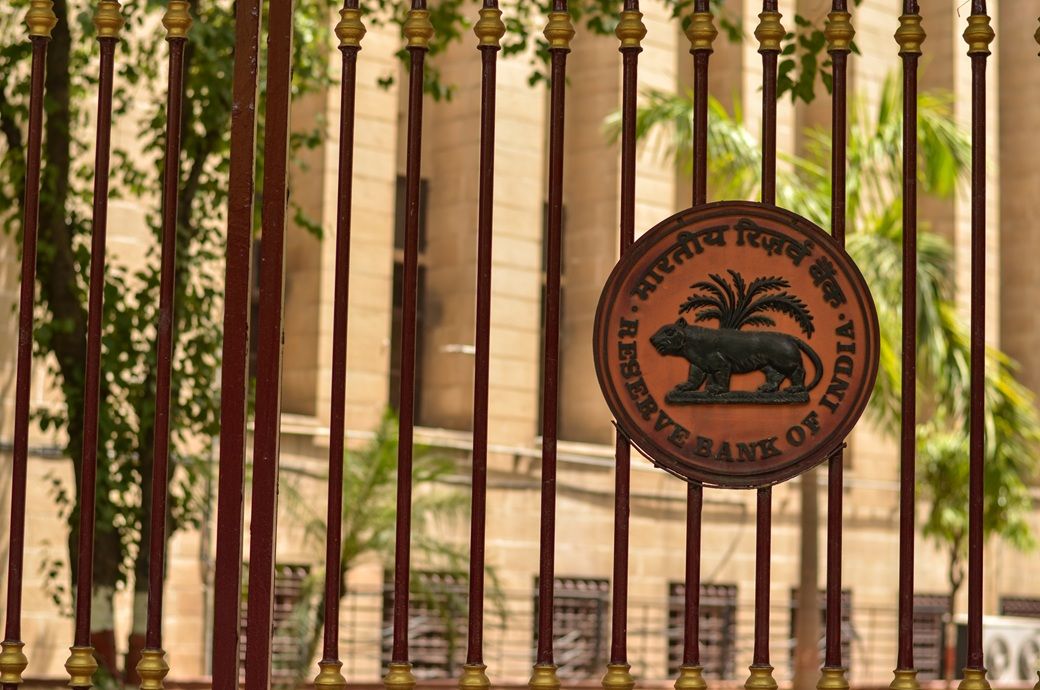
India’s central bank has decided to keep the repo rate under the liquidity adjustment facility unchanged at 5.25 per cent.
Elevated energy and other commodity prices coupled with supply shock due to disruptions in the Strait of Hormuz would act as a drag on FY27 domestic production.
India’s FY27 real GDP growth is projected at 6.9 per cent, while CPI inflation for the fiscal is projected at 4.6 per cent.
The committee, which held its 60th meeting from April 6 to 8 under the chairmanship of RBI governor Sanjay Malhotra, also decided to continue with the neutral stance, the monetary policy statement released after the meeting said.
Elevated energy and other commodity prices coupled with supply shock due to disruptions in the Strait of Hormuz would act as a drag on domestic production in fiscal 2026-27 (FY27), the statement noted.
Heightened volatility in global financial markets with its spillover on domestic financial conditions would weigh on growth prospects, it said.
Merchandise exports may be adversely affected from disruptions to key shipping routes and the concomitant rise in freight and insurance costs in case the conflict is long-drawn, it added.
India’s FY27 real gross domestic product (GDP) growth is projected at 6.9 per cent, with the first quarter (Q1) at 6.8 per cent; Q2 at 6.7 per cent; Q3 at 7 per cent; and Q4 at 7.2 per cent.
Further escalation of the conflict, its continuation over a wider geographical spread and uncertainty regarding the damage to the energy infrastructure, apart from weather related events, pose downside risks to the domestic growth outlook.
Consumer price index (CPI)-based inflation for FY27 is projected at 4.6 per cent, with Q1 at 4 per cent; Q2 at 4.4 per cent; Q3 at 5.2 per cent; and Q4 at 4.7 per cent. Persistently elevated energy prices due to the Middle East conflict and possible El Nino conditions pose upside risks to inflation.
Core inflation is projected at 4.4 per cent for FY27 and, excluding precious metals, it is even lower, indicating that underlying inflation pressures are expected to remain contained, the statement observed.
With the rupee depreciating, RBI would then work to keep inflation within its target range of 2-6 per cent.
Fibre2Fashion News Desk (DS)


Australia’s apparel imports slip 3.7% to $6 bn, textiles rise

Pirates agree to massive contract extension with 19-year-old phenom

Halle Bailey and Regé-Jean Page talk new film “You, Me & Tuscany” and growth from past roles

-
Uncategorized6 days ago
[CinePlex360] Please moderate: “Trump signals p
-

 Entertainment5 days ago
Joe Jonas shares candid glimpse into parenthood with Sophie Turner
-

 Tech5 days ago
Our Favorite iPad Is $50 Off
-

 Fashion1 week ago
China’s Anta Sports posts record $11.62 bn revenue in 2025
-
 Business6 days ago
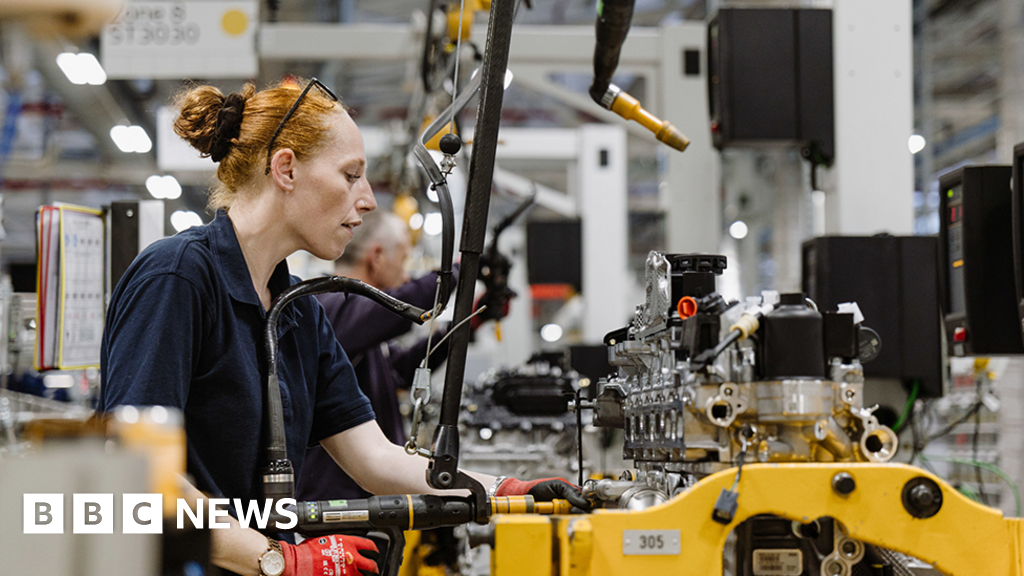
Jaguar Land Rover sees sales recover after cyber attack
-

 Politics5 days ago
Iran can sustain Strait of Hormuz closure for years, will cut US military logistics: Official
-

 Sports5 days ago
UConn Final Four run could trigger a $50M furniture giveaway for Massachusetts-based Jordan’s Furniture
-

 Politics1 week ago
Trump considers asking Arab allies to help to pay for Iran war