

Fashion
Christian Louboutin appoints Jaden Smith as its menswear creative director


Translated by
Nazia BIBI KEENOO
Published
September 17, 2025
Christian Louboutin has appointed Jaden Smith as its first creative director for the men’s line. The label, renowned for its iconic red soles, announced the unexpected appointment around 15 years after expanding its range to include menswear.
According to FashionNetwork.com, the American rapper and actor will relocate to Paris to take up the role and will unveil his first collection in January during fashion week.
Jaden Smith, the son of Hollywood stars Will Smith and Jada Pinkett Smith, will oversee the creation of four collections annually, encompassing shoes, leather goods and accessories. He will also develop campaigns, events, and immersive experiences.
Smith’s arrival is expected to enable Louboutin to focus more on its womenswear business. His contribution will also serve to revitalize and strengthen the menswear offering, which accounts for 24% of Christian Louboutin’s business.
This article is an automatic translation.
Click here to read the original article.
Copyright © 2025 FashionNetwork.com All rights reserved.




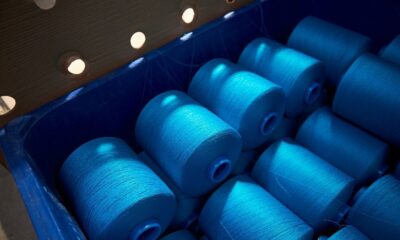


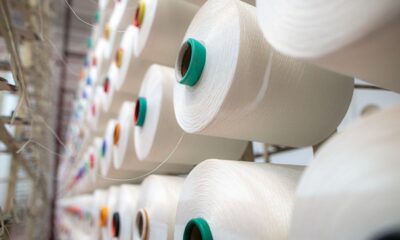


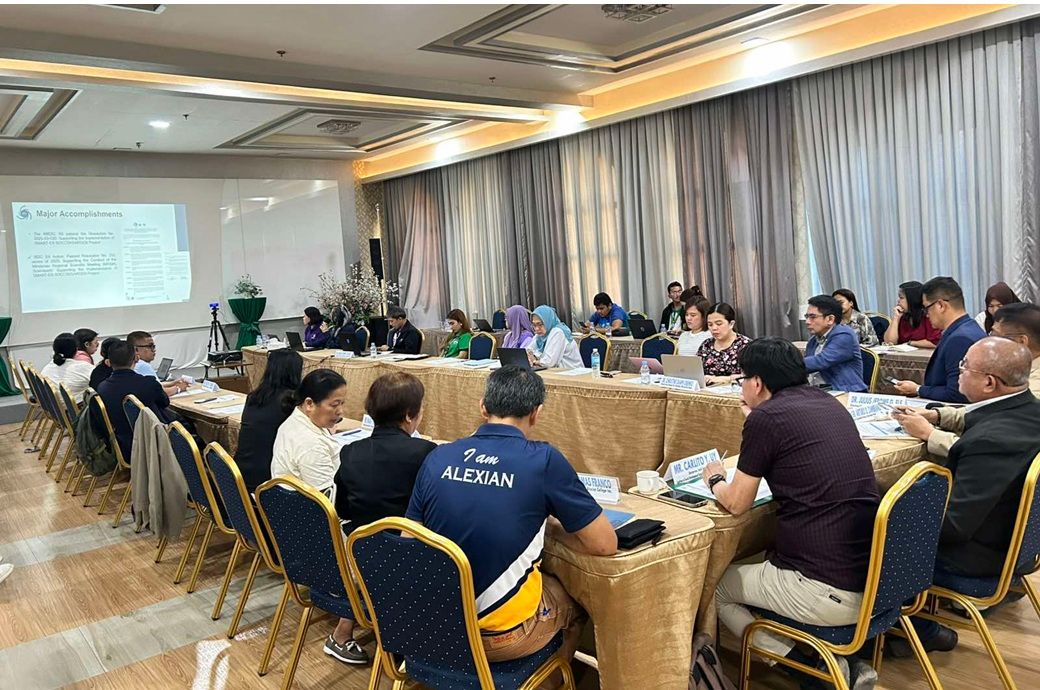
The facility will process natural fibres such as abaca, banana and pineapple into high-quality yarn, addressing long-standing challenges faced by local weavers who have relied on imported materials. This initiative is expected to create new markets for agricultural produce while providing additional income streams for farmers.
The DOST-PTRI, with DOST Region 12, will establish the Regional Yarn Production and Innovation Center in Philippine’s Cotabato to process natural fibres into yarn and support Mindanao’s textile industry.
The facility aims to boost farmer incomes, reduce reliance on imported yarn and strengthen local weaving communities through training, technology transfer and improved supply chain infrastructure.
During the first-quarter meeting of the Regional Research, Development, and Innovation Committee, Evangeline Flor P. Manalang, chief science research specialist of DOST-PTRI’s Technical Services Division, stated “The RYPIC will serve as a key facility to process our natural fibers into yarn and open opportunities for skills training among farmers and local stakeholders.” She also emphasised the project’s role in building a sustainable textile ecosystem in Soccsksargen.
The RYPIC complements existing facilities such as the Natural Textile Fiber Innovation Hub at Sultan Kudarat State University and forms part of broader national programmes including the Clothing and Textile Research Innovation and Investment Agenda (CATRINA) and the FRONTIER initiative. These efforts aim to strengthen the domestic textile value chain, reduce reliance on imports and support the government’s push to expand Telang Pinoy, as highlighted by President Ferdinand R. Marcos Jr. in his fourth State of the Nation Address.
Fibre2Fashion News Desk (JP)
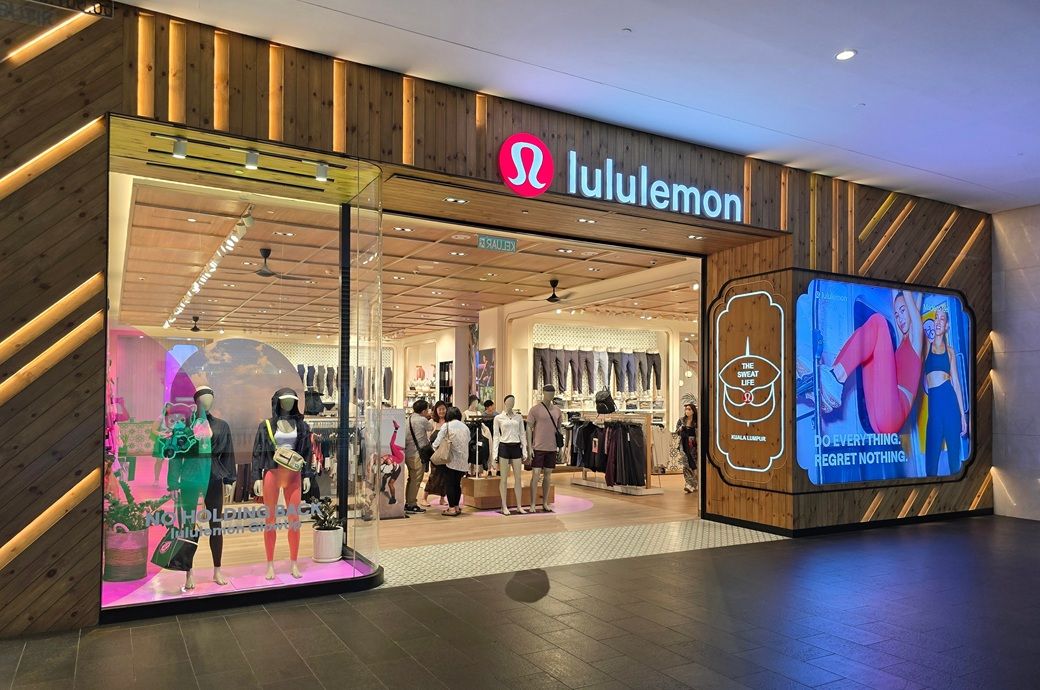
International markets remained a key growth driver, with revenue rising 22 per cent, while the Americas saw a marginal 1 per cent decline. Comparable sales increased 2 per cent overall, with a 15 per cent rise internationally offset by a 3 per cent decline in the Americas.
Lululemon has reported revenue of $11.1 billion in FY25, up 5 per cent YoY, driven by 22 per cent international growth despite weak Americas sales.
Margins and profits declined, with EPS falling to $13.26.
The company expanded stores and repurchased shares.
Q4 showed modest growth but weaker profitability.
Lululemon expects FY26 revenue growth of 2-4 per cent amid ongoing macroeconomic challenges.
The gross profit remained flat at $6.3 billion, while gross margin contracted by 260 basis points to 56.6 per cent. Income from operations declined 12 per cent to $2.2 billion, with operating margin narrowing to 19.9 per cent. Diluted earnings per share (EPS) fell to $13.26 from $14.64 in FY24, Lululemon Athletica said in a press release.
The company continued to invest in expansion and shareholder returns, opening 44 net new stores to reach a total of 811 locations and repurchasing 5 million shares worth $1.2 billion. Lululemon ended the year with $1.8 billion in cash and cash equivalents, while inventories rose 18 per cent to $1.7 billion.
Andre Maestrini, interim co-CEO, president, and chief commercial officer at the company, stated, “Throughout 2025, we reported double-digit revenue growth in our international business and are taking action to incorporate learnings from across our regions to drive forward our strategies. Our teams are energised by the initial response to our recent product launches and continue to deliver successful guest activations globally. Looking ahead, we are encouraged by our opportunities in North America and around the world and are grateful to our teams for their commitment to delivering the products and experiences our guests love.”
In the fourth quarter (Q4) of FY25, revenue increased 1 per cent to $3.6 billion, with international growth of 17 per cent offsetting a 4 per cent decline in the Americas. However, profitability weakened, with operating income falling 22 per cent and gross margin declining by 550 basis points to 54.9 per cent. Quarterly diluted EPS dropped to $5.01 from $6.14.
Meghan Frank, interim co-CEO and chief financial officer at Lululemon, stated, “We are pleased to achieve fourth quarter revenue and EPS results ahead of our expectations. As we begin our new fiscal year, we are focused on executing on our action plan, offering new and differentiated products to our guests, and elevating their experiences with lululemon. Driving improvement in our full-price sales over the course of 2026 is also a key priority, particularly in North America, and will enable us to enhance our brand health and deliver long-term growth and value creation for shareholders.”
Looking ahead, Lululemon expects first-quarter FY26 revenue between $2.4 billion and $2.43 billion, with full-year revenue projected at $11.35 billion to $11.5 billion, representing growth of 2 per cent to 4 per cent. Diluted EPS is forecast in the range of $12.1 to $12.3 for FY26, as the company navigates macroeconomic uncertainties and evolving market conditions.
Fibre2Fashion News Desk (SG)

China’s shipment of garments and accessories increased **.* per cent year on year to $**.*** billion from $**.*** billion, driven by steady demand from key markets such as the US and EU, where retailers have begun restocking after cautious inventory management in ****. Meanwhile, exports of textile products, including yarns, fabrics and related articles, rose at a faster pace of **.* per cent to $**.*** billion from $**.*** billion, supported by stronger downstream manufacturing activity across Asia and improved order flows from emerging sourcing hubs.
In February **** alone, exports of textile yarns, fabrics and related articles were valued at $**.*** billion, while garment shipments stood at $**.*** billion, taking the combined monthly total to $**.*** billion. The relatively balanced contribution of textiles and apparel highlights a synchronised recovery across the value chain, from raw materials to finished goods.


Man City beat passive Arsenal in Carabao Cup; Premier League title race not over?

Uma Thurman bags praise from ‘Pretty Lethal’ director Vicky Jewson

Carabao Cup final LIVE: Arsenal and Manchester City battle for first trophy of the season

Tips and Advice for Buying Used or Refurbished Electronics

UAE savings strategies 2026 explained: Best apps, tools, budget rules and smart money hacks to beat rising cost of living in emirates – The Times of India

Iran threatens US-linked oil facilities after Kharg Island bombed

-
 Tech1 week ago
Tips and Advice for Buying Used or Refurbished Electronics
-
Business1 week ago
UAE savings strategies 2026 explained: Best apps, tools, budget rules and smart money hacks to beat rising cost of living in emirates – The Times of India
-
 Politics1 week ago
Iran threatens US-linked oil facilities after Kharg Island bombed
-

 Fashion1 week ago
US court to review de minimis ban on imports from China & Hong Kong
-

 Sports1 week ago
Japan suffers shocking collapse to Venezuela in World Baseball Classic
-

 Entertainment1 week ago
Strategic oil stocks to be released ‘immediately’ in Asia and Oceania: IEA
-

 Entertainment1 week ago
Iran at war
-

 Politics1 week ago
How can US get out of Iran war?