

Business
Cost of living: Students praise ‘essential’ food bank service

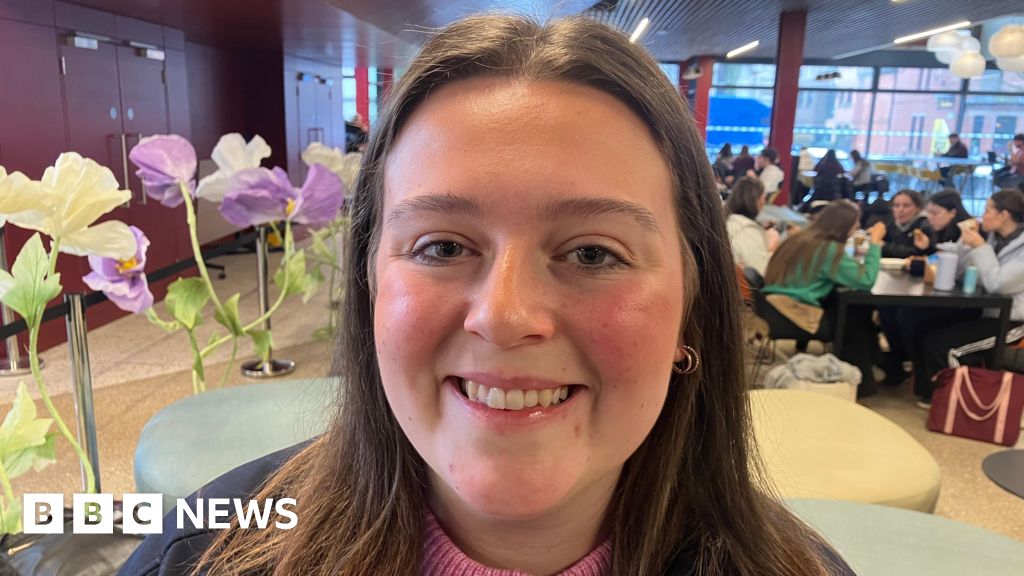
Queen’s University Belfast says there were more than 10,500 visits by students to its food bank in the students’ union.
Source link
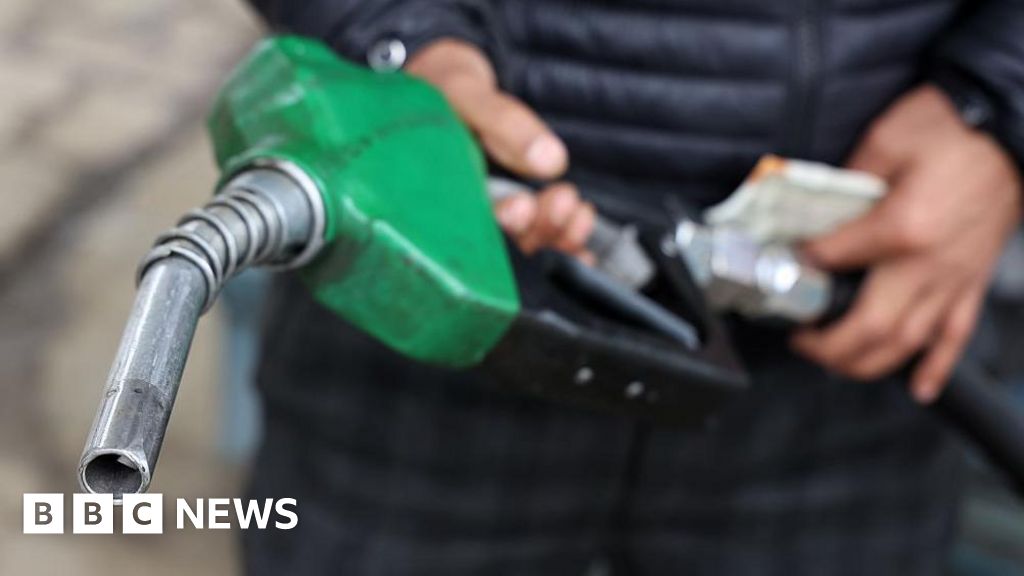
The failure of negotiations at the weekend has raised concerns that the global energy crisis will deepen.
Source link

Moerdijk has been earmarked for removal, to make way for a vast electricity substation.
Source link

MUMBAI: Consumers seem to be cutting back on discretionary spends, allocating more budgets to essentials and value purchases as a mix of war-driven uncertainty and layoffs have nudged people to tighten their purse strings and save more. Even as the US and Iran agreed upon a two-week ceasefire last week, the prospects of a peace deal faded as talks between the two countries held in Pakistan failed to produce desired results. Analysts said that caution will prevail until there’s clarity on a full-fledged de-escalation. “Post mid-March, discretionary offtakes slowed down,” said Satyaki Ghosh, CEO at Raymond Lifestyle, pinning hopes on the upcoming wedding season to support demand going ahead. “We are running some value-based offerings but no direct discounts as yet,” Ghosh said. Consumers are not just curbing overall spending at stores, but are also gravitating more towards affordable options and value-driven choices, prioritising essentials over indulgences, said Tarun Arora, CEO & whole-time director at Zydus Wellness, maker of brands such as Complan and Glucon-D which is looking at smaller and more accessible formats where relevant. People are not necessarily trading down although there is some tightening of spends with simpler routines and fewer impulse additions, said Shankar Prasad, CEO at D2C beauty brand Plum. “What we are seeing is a gradual shift in consumer preference towards essential categories, with relatively higher spends on everyday, need-based products, while discretionary and indulgent purchases have softened a bit, which is typically the case during periods of uncertainty,” said Mayank Shah, chief marketing officer at Parle Products. For the time being, the company is focusing on pushing value packs of premium products so that even indulgent purchases remain accessible, said Shah. The war-led surge in crude oil has already pushed up costs for companies with firms pointing to inflationary pressures and looking to implement price hikes. Many firms across spaces such as edible oils, bottled water, beverages and consumer durables have already taken some price increases, straining middle class households. Analysts at Nuvama expect a post-election uptick in inflation across the country. “Footwear players shall likely face margin pressure as roughly 30% of their raw material inputs are crude-linked. QSRs may also experience cost headwinds from increased energy, packaging and secondary input expenses,” they said in a recent note. Alongside price hikes, the job market is also likely to see a slowdown as some companies freeze hiring amid uncertainty while AI-led tech layoffs continue to bruise the salaried class. Unilever, for instance, has frozen global hiring for three months due to the war.


Sources: Doc Rivers out after three years as Bucks coach

How Justin Baldoni lawsuit has ‘ruined’ Blake Lively?

Magyar ends Trump-backed Orban’s 16-year rule in major Hungary election upset

-

 Fashion6 days ago
India’s exports face reset as EU links trade to carbon metrics: EY
-

 Politics1 week ago
Trump confirms rescue of airman whose F-15 was downed in Iran
-

 Entertainment5 days ago
Queen Elizabeth II emotional message for Archie, Lilibet sparks speculation
-

 Tech6 days ago
A Single Strike Won’t Shut Off the Gulf’s Desalination System
-

 Tech4 days ago
This AI Button Wearable From Ex-Apple Engineers Looks Like an iPod Shuffle
-

 Fashion6 days ago
ICE cotton hits 11-month high on drought concerns, demand boost
-

 Sports1 week ago
Transfer rumors, news: Arsenal eye Bayer Leverkusen forward
-

 Tech4 days ago
As the Strait of Hormuz Reopens, Global Shipping Will Take Months to Recover