

Business
Dr Martens to raise prices in the US because of tariff hit


Dr Martens has announced plans to raise prices in the US from January to offset a multimillion-pound hit from higher tariffs.
The footwear retailer had previously pledged to keep prices on hold in 2025 despite high tariffs, but said it would need to make increases from the start of 2026 on “selected products” in the US only.
It makes the bulk of its footwear in Vietnam and almost a third in neighbouring Laos, which have been hit with higher tariffs because of US President Donald Trump’s trade war.
Dr Martens said it now expects a “high single digit” million-pound impact from tariffs on full-year profits, of which roughly half can be offset in 2025-26 because of the timing of action being taken.
Ije Nwokorie, chief executive of Dr Martens, told the PA news agency: “Now that the tariffs are firm and and we know how the market is responding to it, we are looking at increasing prices in the States.”
But he said the price rises were “by no means across the board” and would be in the US market only.
He said the group would not need to increase prices on the back of tariffs elsewhere globally, and confirmed it had no plans to raise prices in the UK.
Dr Martens said it remained on track with full-year forecasts, for between £53 million to £60 million underlying pre-tax profits, although it said this did not include the tariff hit.
Shares in the firm fell 9% in Thursday trading.
The group, whose yellow-stitched boots have been a retro mainstay for decades, said it plans to fully offset the extra tariff costs from 2026-27 onwards.
It said: “This aim has driven both the actions we have taken and the timing of those actions.
“We expect to fully mitigate the impact of increased tariffs for 2026-27 and beyond through continued tight cost control, flexible product sourcing, and targeted adjustments to our USA pricing policy.”
While the firm plans to keep sourcing from its existing South East Asia partners, Mr Nwokorie said the group would look to lessen the tariff blow by shifting more orders from Vietnam to the US, where tariffs are 20%, versus 40% for Laos.
It will increasingly use Laos for other markets outside of the US, he said.
Dr Marten’s half-year results on Thursday showed Dr Martens narrowed pre-tax losses to £11 million for the six months to September 28 from losses of £12.3 million a year earlier.
Sales rose 0.8% on a constant currency basis to £327.3 million in the first half as Dr Martens praised its “consumer first” strategy.
Mr Nwokorie said: “Our brand is strong, as evidenced by the 33% increase in shoes volumes and the successful launch of new products such as the Zebzag Laceless boot and the 1460 Rain boot.
“While it’s still early days, we are happy with the advances we’re making and are seeing green shoots.
“While the marketplace remains uncertain and consumers are cautious, and our biggest trading weeks are ahead, we are confident in our plans for the year.”
The group also said sales of shoes had overtaken boots for the first time in the first half, driven by demand for its Adrian tassel loafer, which saw sales growth of 24%, and its Adrian Black Polished Smooth shoe design, which was the number two bestseller.
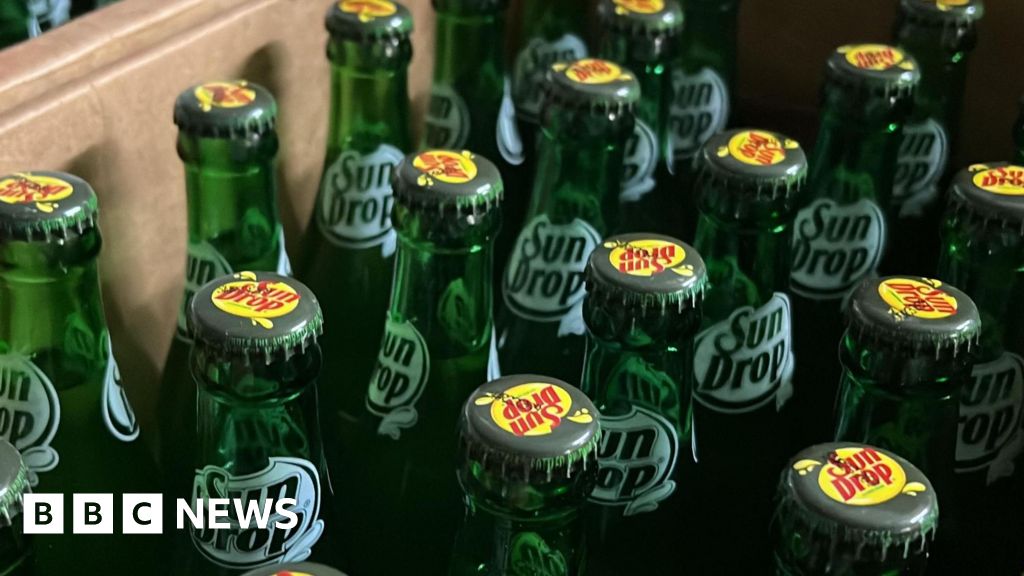
Soft drinks company Twig’s Beverage has a loyal following for its old-fashioned approach.
Source link

Queen’s University Belfast says there were more than 10,500 visits by students to its food bank in the students’ union.
Source link
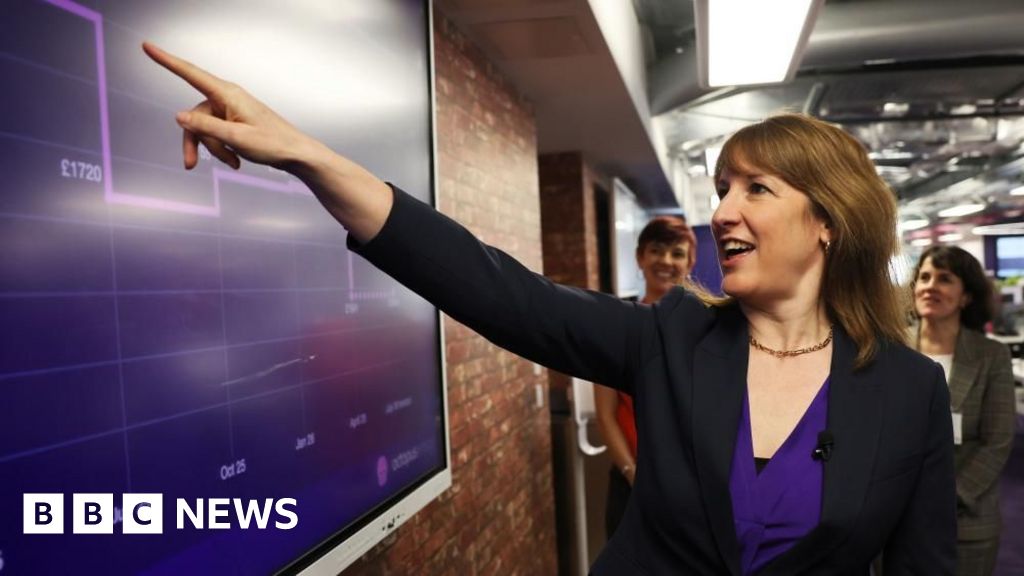
The Chancellor is trying to use this moment as a launching pad for a wider attempt to gee up consumer and business confidence.
Source link

The family-owned soda firm that stuck to returnable glass bottles
Cost of living: Students praise ‘essential’ food bank service

College track athlete allegedly stabbed to death by girlfriend over suspected affair

-

 Entertainment1 week ago
Queen Camilla reveals her sister’s connection to Princess Diana
-

 Tech1 week ago
Rakuten Mobile proposal selected for Jaxa space strategy | Computer Weekly
-

 Politics1 week ago
Ramadan moon sighted in Saudi Arabia, other Gulf countries
-

 Entertainment1 week ago
Robert Duvall, known for his roles in "The Godfather" and "Apocalypse Now," dies at 95
-
 Business1 week ago
Tax Saving FD: This Simple Investment Can Help You Earn And Save More
-

 Politics1 week ago
Tarique Rahman Takes Oath as Bangladesh’s Prime Minister Following Decisive BNP Triumph
-

 Tech1 week ago
Businesses may be caught by government proposals to restrict VPN use | Computer Weekly
-

 Sports1 week ago
Usman Tariq backs Babar and Shaheen ahead of do-or-die Namibia clash