

Business
Fabric, yarn excellence showcased in Shanghai | The Express Tribune

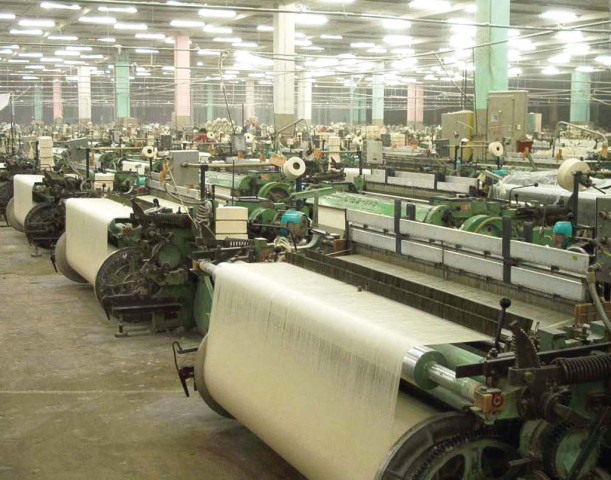
With an eye on expanding its footprint in the global textile market, Pakistan marked a strong presence at Intertextile Shanghai Apparel Fabrics and Yarn Expo Autumn 2025. Featuring 10 exhibitors, including participants under the Pakistan Pavilion supported by TDAP, the country highlighted its excellence in fabric and yarn production before a diverse international audience.
From September 02 to 04, 2025, the National Exhibition and Convention Centre (Shanghai) hosted the Autumn editions of Intertextile Shanghai Apparel Fabrics and Yarn Expo, featuring 10 exhibitors from Pakistan. Of these, 07 showcased at ITSA and 03 at Yarn Expo.
Pakistan’s textile exports rose 32% YoY to USD 1.7bn in Jul’25, driven by the US trade deal, tariff relief, and seasonal demand, according to Taurus Securities.
Intertextile Shanghai Apparel Fabrics welcomed around 3,700 domestic and international exhibitors from 26 countries and regions, while Yarn Expo featured approximately 580 exhibitors from 16 countries. This strong international presence highlighted the fair’s standing as a major international centre for the textile and clothing sector, providing unmatched opportunities for cooperation, innovation, and trade.
Significant numbers of international trade visitors attended the event, establishing a thriving platform for global sourcing, networking, and industry exchange.
To support exhibitors in connecting with their target markets, the fair offered a wide range of product zones, group pavilions, and dedicated country and region pavilions.
Among the 10 Pakistani exhibitors, three were represented in the Pakistan Pavilion at Intertextile Shanghai through Trade Development Authority of Pakistan (TDAP), whereas the other four Intertextile participants and three Yarn Expo participants joined the exhibition independently. The industry gained significantly from the international involvement of both exhibitors and attendees at this edition.
“We met several serious international buyers,” commented Muhammad Abdullah Tanvir, Deputy Marketing Manager, Diamond Fabrics Limited. “Intertextile Shanghai is definitely the right platform for expanding our global reach; the event attracts the right audience and provides an excellent opportunity to showcase our products,” he added.
“The exhibition has always been amazing and valuable for them, and it’s their honour to be a regular exhibitor for a decade,” Khawaja Muhammad Muzaffar Iqbal, Director of Mahmood Textile Mills, expressed.
Pakistan’s continued participation in Intertextile Shanghai Apparel Fabrics and Yarn Expo reflects the country’s dedication to quality textile production and its ambition to strengthen its footprint in the global market, he said. The 2025 editions are expected to open new avenues for trade, promote industry innovation, and foster stronger international partnerships.
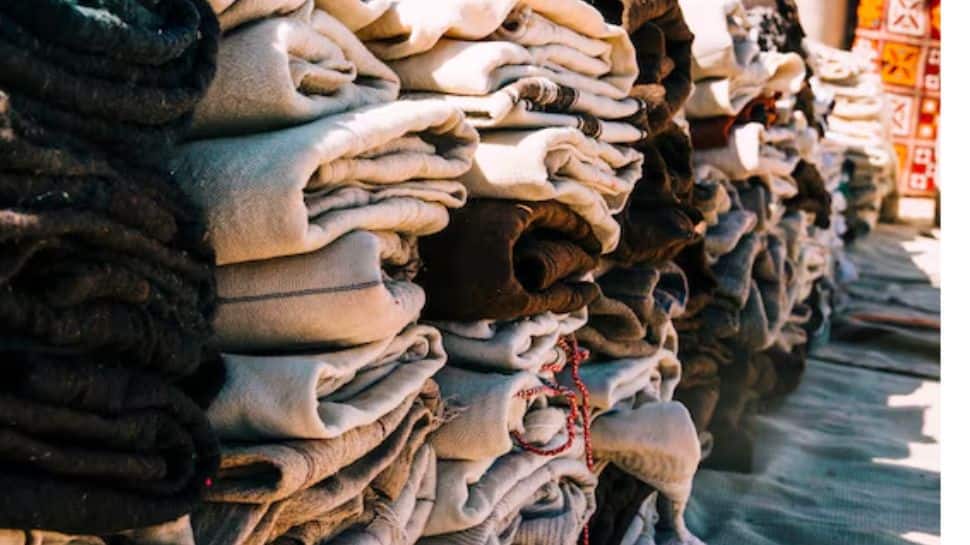


Food delivery giant Just Eat, funeral firm Dignity and motor platform Autotrader are among five firms under investigation by the UK’s competition watchdog as part of its crackdown on fake and misleading online reviews.
The Competition and Markets Authority (CMA) said it had launched probes against the companies – also including customer review and feedback firm Feefo and Pasta Evangelists – to see whether consumer laws have been broken.
Since April last year, companies have been banned from certain tactics around online reviews under law, such as fake posts, paid-for reviews that are not clearly marked as incentivised, as well as for hiding negative feedback.
Sarah Cardell, chief executive of the CMA, said: “Fake reviews strike at the heart of consumer trust – with many of us worrying about misleading content when looking at reviews online.
“With household budgets under pressure, people need to know they’re getting genuine information – not reviews or star ratings that have been manipulated to push them towards the wrong choice.
“We’ve given businesses the time to get things right. Now we’re deploying our new powers to tackle some of the most harmful practices head on.”
The CMA said it was looking into whether Just Eat’s ratings system had inflated some restaurant and grocer star ratings, giving a misleading picture of quality.
For Autotrader and Feefo, the CMA is investigating whether a number of one-star reviews – moderated by Feefo, which handles reviews for the new and used car site – were hidden on the platform and did not count towards the star ratings.
Dignity is under investigation by the CMA into whether it asked staff to write positive reviews about the firm’s crematoria services.
And artisan fresh pasta chain Pasta Evangelists is being probed over allegations it offered customers discounts for leaving five-star reviews on delivery apps without this being disclosed.
If the CMA finds the firms have broken the law, it can order them to change their practices and fine them up to 10% of their annual global sales.
An Autotrader spokesperson said: “We endeavour always to operate as a responsible and compliant business and will co-operate fully with the CMA’s investigation.”
It comes after the CMA recently secured commitments from Google and Amazon to beef up their systems to identify and remove fake reviews.
Amazon last June agreed to put in place “robust processes” to quickly detect and remove fake reviews alongside sanctions for rogue sellers and businesses after an investigation by the CMA to curb the customer hazard.
The tech giant said it would sanction businesses that boost their star ratings via bogus reviews or catalogue abuse, including bans from selling on the website, while users could also be banned for posting fake reviews.
Consumer group Which? welcomed the investigations and said the CMA must “get tough” on firms found to be breaking the law with reviews.
Sue Davies, head of consumer rights policy at Which?, said: “Investigations are a welcome first step, but enforcement will be key – the regulator must be prepared to get tough, use its powers and issue serious fines if these companies aren’t playing by the rules.”
The CMA said it swept more than 100 review publishers as part of the clampdown and sent advisory letters to 54 firms to improve their compliance with the law, with 90% having made changes in response and 75% telling the watchdog they better understood the rules.
Anthony Albanese says nation’s supply remains “secure” amid reports of panic buying and shortages.
Source link

A woman has been awarded $6m in a verdict that could have implications for hundreds of other cases in the US.
Source link

Just Eat and Autotrader among five firms under investigation over online reviews

Australia’s Myer posts strong H1 FY26 sales growth, up 24.5% YoY

John Mellencamp wins Icon Award at 2026 iHeartRadio Music Awards

-
 Fashion1 week ago
Sales at US apparel, clothing accessories stores up 4% YoY in Jan 2026
-

 Entertainment1 week ago
Val Kilmer revived 1 year after death through AI
-
 Fashion1 week ago
US’ G-III Apparel’s FY26 sales fall 7% to $2.96 bn
-
 Business1 week ago
Brits cashing in jewellery as gold price hits record high
-

 Sports1 week ago
March Madness 2026 – How to watch in SA, start time, schedule, TV channel for NCAA championship basketball tournament
-

 Fashion6 days ago
China’s textile & apparel exports surge 17% to $50 bn in Jan-Feb 2026
-
 Business1 week ago
Video: The Effects of High Oil Prices
-
 Business6 days ago
Flipkart group CFO to leave co amid IPO plans – The Times of India