

Fashion
FDI inflows into Turkiye up 12.2% to $13.1 bn in 2025: Central bank


The Netherlands ranked first among the FDI sources with $2.86 billion, followed by Luxembourg with $1.16 billion and Kazakhstan with nearly $1.14 billion.
FDI into Turkiye rose by 12.2 per cent YoY last year to $13.1 billion despite a relatively stagnant global investment climate.
The Netherlands topped among the FDI sources with $2.86 billion, followed by Luxembourg with $1.16 billion and Kazakhstan with nearly $1.14 billion.
Wholesale and retail trade attracted the largest 32-per cent share.
Manufacturing followed closely with a 31 per cent share.
Other major investors included Germany, the United States, France, the United Arab Emirates (UAE), Switzerland, the United Kingdom and Ireland.
FDI investment was concentrated in production, trade and technology-oriented activities, according to domestic media reports.
Wholesale and retail trade attracted the largest share of last year’s FDI, driven mainly by investments in e-commerce platforms. The sector accounted for 32 per cent of total inflows, or $3.05 billion.
Manufacturing followed closely with a 31 per cent share, totalling just over $3 billion.
Fibre2Fashion (DS)








During a session conducted jointly by the Tiruppur Exporters’ Association (TEA) and Adani Total Gas, K. M. Subramanian, President, TEA, highlighted that gas connectivity will become an essential requirement for industries in the coming years, adding that Adani Total Gas is prepared to accelerate PNG rollout in Tiruppur.
Tiruppur’s textile industry is accelerating its shift towards PNG as LPG shortages and rising energy costs disrupt operations.
With production costs up nearly 15 per cent and ESG compliance tightening, PNG is emerging as a reliable and cleaner alternative, helping exporters ensure supply stability, meet global standards, and sustain competitiveness.
He also pointed to upcoming Digital Product Passport (DPP) regulations which will mandate stricter digital monitoring and sustainability compliance across production processes under European ESG norms.
Kumar Duraiswami, Joint Secretary, TEA underscored PNG as a strategic necessity rather than a temporary alternative. He stated that the adoption of PNG is not merely a response to any temporary geopolitical situation, but an essential step as the global industry moves towards sustainable production.
He further noted that exporters to Europe will be required to comply with ESG norms within the next two years, necessitating a gradual shift away from fuels such as LPG and coal.
According to a TEA press release, industry concerns over rising costs were also flagged, with Subramanian noting that energy shortages have already pushed production costs up by nearly 15 per cent, creating operational challenges. He stressed the need for a stable and reliable gas supply to sustain Tiruppur’s large manufacturing ecosystem and urged faster implementation of PNG infrastructure.
Providing operational insights, K. R. Venkatesan, Cluster Head at Adani Total Gas, outlined PNG connectivity availability, registration procedures, and industrial pricing, while Karthik B, Joint Marketing Manager, elaborated on practical applications and addressed industry queries during the session.
Tiruppur’s move towards PNG reflects a broader transition in India’s textile sector, where cleaner energy adoption is becoming central to ensuring supply security, cost stability, and compliance with evolving global sustainability standards.
Fibre2Fashion News Desk (KUL)
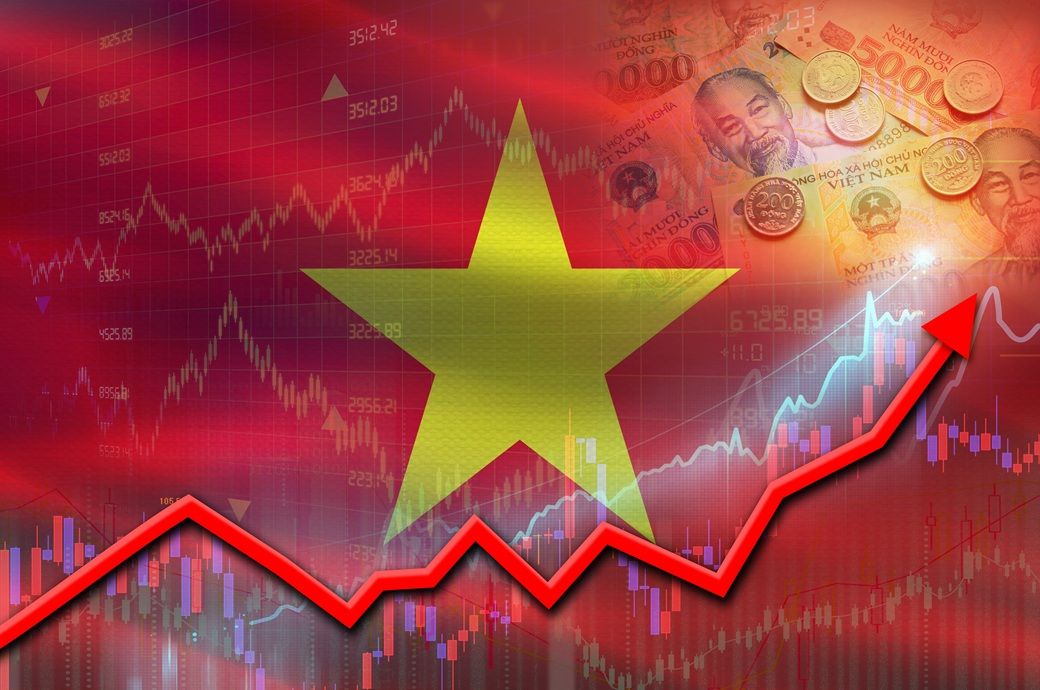
NSO director Nguyen Thi Huong told a press conference that the solid start offers a foundation to achieve full-year growth target even as global uncertainties loom.
Vietnam’s economy expanded by 7.83 per cent in Q1 2026 compared to 7.07 per cent in Q1 2025, as strong consumer demand and resilient manufacturing underpinned growth despite mounting global uncertainties.
Growth was broad-based across all major sectors.
Foreign trade activity picked up sharply.
Growth pressures could intensify in Q2 as the Middle East conflict drives up oil prices and input costs.
Growth was broad-based across all major sectors. The industry and construction sector grew by 8.92 per cent year on year (YoY), contributing 44.08 per cent to overall expansion, with processing and manufacturing continuing to act as the main engine after posting 9.73 per cent growth.
Foreign trade activity picked up sharply, with exports of goods and services rising by 19.85 per cent YoY and imports rising by 24.27 per cent YoY, reflecting stronger demand for raw materials, a domestic media outlet reported.
NSO, however, cautioned that growth pressures could intensify in the second quarter as the Middle East conflict drives up oil prices and input costs, increasing risks to supply chains and production.
Fibre2Fashion News Desk (DS)
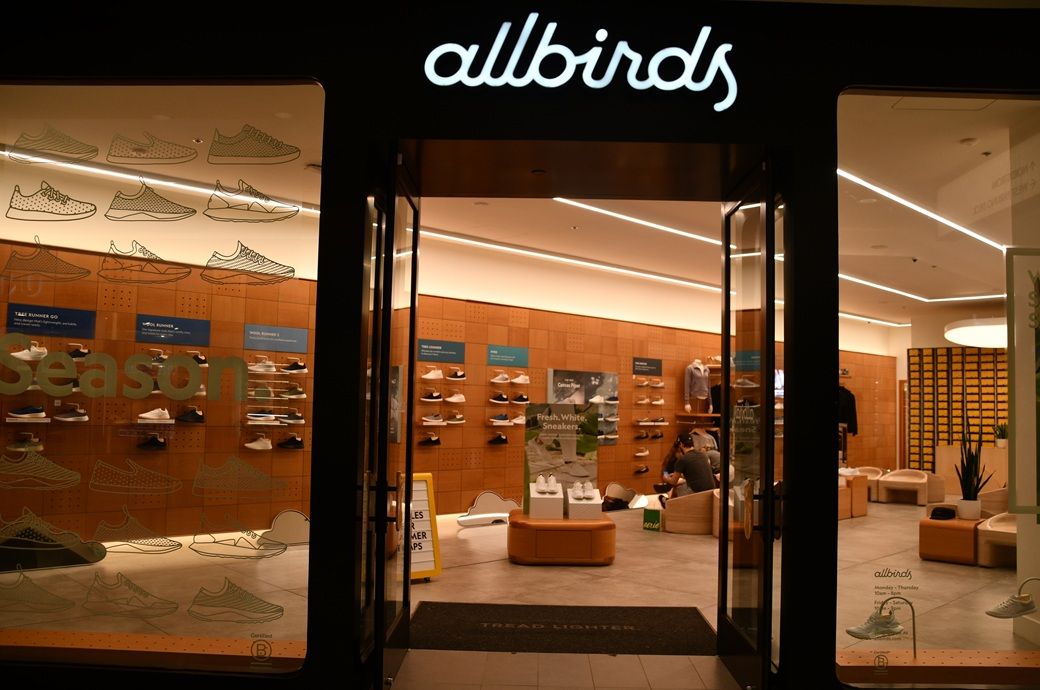
The Asset Sale was negotiated by a special committee of independent directors, received unanimous approval by Allbirds’ Board of Directors, and is subject to approval by Allbirds’ common stockholders.
Allbirds has entered a definitive agreement to sell its intellectual property and select assets to American Exchange Group for an estimated $39 million, subject to shareholder approval.
The transaction is expected to close in the second quarter of 2026, after which the company plans to dissolve and distribute remaining net proceeds to shareholders in the third quarter, following wind-down costs.
A proxy statement describing the transaction and seeking stockholder approval of the Asset Sale and subsequent dissolution and winding down of the Company (the ‘Dissolution’), is expected to be filed no later than April 24, 2026.
The transaction is expected to close in the second quarter of 2026 and a distribution to stockholders of net proceeds, taking into account wind-down expenses, is anticipated to be made in the third quarter of 2026.
Joe Vernachio, CEO of Allbirds, stated, “We are incredibly thankful to our teams for the work they have been doing to fuel our product engine, build awareness of Allbirds and deliver an engaging customer experience. Over the past decade, Allbirds has evolved into a lifestyle footwear brand known for modern design, innovative materials and unparalleled comfort. This next chapter with AXNY builds on the foundational work already completed and sets up the brand to thrive in the years ahead.”
Note: The headline, insights, and image of this press release may have been refined by the Fibre2Fashion staff; the rest of the content remains unchanged.
Fibre2Fashion News Desk (RM)


India’s Tiruppur shifts to PNG amid LPG shortage in textile units
[CinePlex360] Please moderate: “Andrew Windsor,
[CinePlex360] Please moderate: “Tata Motors Demerg

-
Uncategorized4 days ago
[CinePlex360] Please moderate: “Trump signals p
-

 Tech3 days ago
Our Favorite iPad Is $50 Off
-
Uncategorized1 week ago
[CinePlex360] Please moderate: “Further tariff
-

 Entertainment3 days ago
Joe Jonas shares candid glimpse into parenthood with Sophie Turner
-
 Fashion6 days ago
China’s Anta Sports posts record $11.62 bn revenue in 2025
-

 Politics7 days ago
Trump considers asking Arab allies to help to pay for Iran war
-

 Entertainment1 week ago
Demystifying the PTI
-

 Sports1 week ago
How Arizona beat Purdue and Illinois defeated Iowa in Saturday’s Elite Eight