

Sports
FIFA alters WC draw so top sides won’t meet early

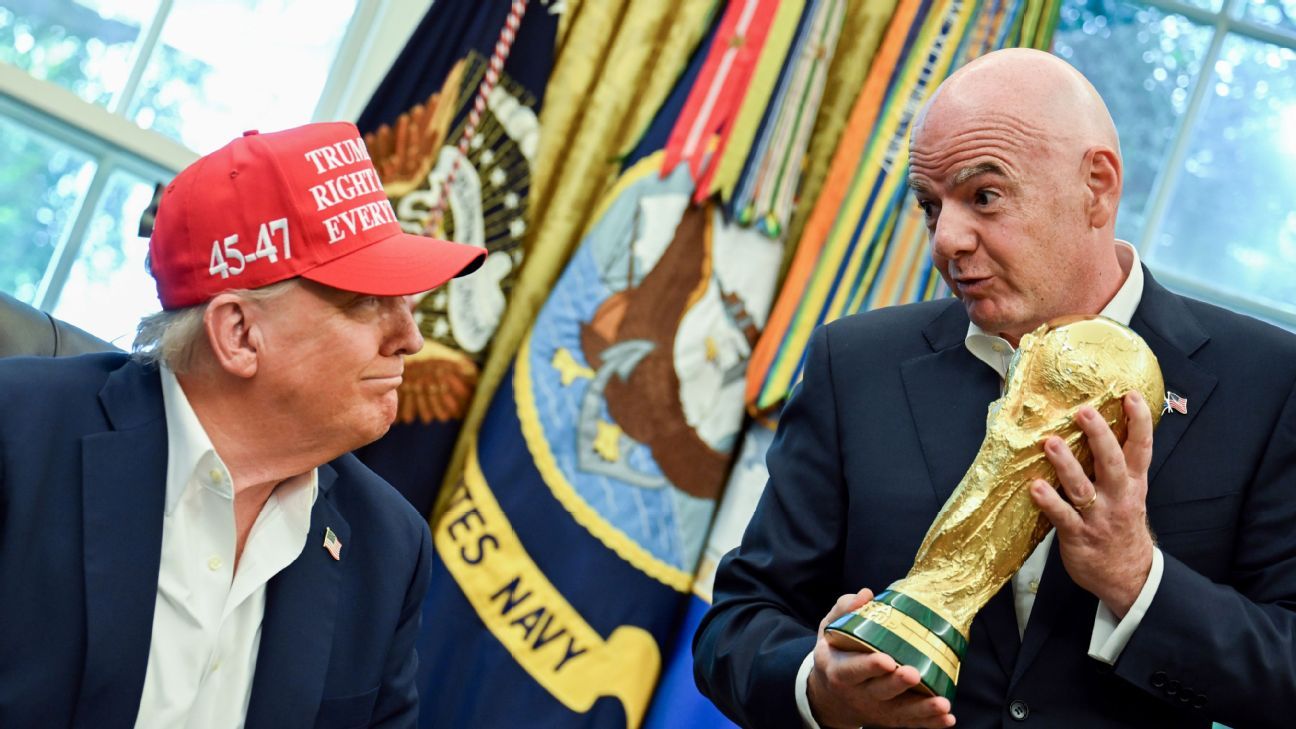
The 2026 World Cup draw on Dec. 5 will reward the four highest-ranked teams — Spain, Argentina, France and England — which will be placed in separate sections of a new tennis-style seeded tournament bracket.
FIFA said Tuesday the top four teams in the latest men’s rankings will, if they finish top of their respective round-robin groups, avoid each other until the semifinals of the June 11-July 19 tournament being co-hosted by the United States, Canada and Mexico.
Defending champion Argentina with Lionel Messi and top-ranked European champion Spain with Lamine Yamal therefore can ensure they do not meet until the final at MetLife Stadium near New York.
At previous World Cups, the path for teams into and through the knockout phase was decided by which group they were drawn into.
The draw, to be held at the Kennedy Center in Washington, D.C., will see 48 teams placed into four pots from which they will be drawn into 12 groups of four teams. An updated match schedule, assigning each match to a stadium with its respective kickoff time, will be released on Saturday, Dec. 6. The draw is scheduled to take about 45 minutes during a show lasting about an hour and a half, FIFA said.
The three host countries have been placed into Pot 1 along with the nine highest-ranked countries based on FIFA’s rankings. These include Spain, Argentina, France, England, Brazil, Portugal, the Netherlands, Belgium and Germany.
The 42 teams that already qualified include Iran and Haiti, which FIFA expects will play exactly where they are drawn regardless of complicated politics those countries have with the U.S. The 16 host venues for the 104 games include 11 cities with NFL stadiums in the U.S., three in Mexico and two in Canada.
The other six entries will be decided in March when European and global playoffs brackets are scheduled, and those teams all will come out of the draw pot of lowest-ranked teams.
That means four-time champion Italy could be a dangerous option in the draw on Friday of next week that will set the match schedule by placing teams in 12 round-robin groups of four teams each.
For Pot 1, Canada, Mexico and the United States, as the host countries, will be identified by different colored balls and, when drawn, will be assigned to position A1 for Mexico (green ball), B1 for Canada (red ball) and D1 for the USA (blue ball).
The remaining nine top-ranked teams in Pot 1 will be identified by nine balls of the same color and automatically allocated to Position 1 of the group into which they are drawn.
The next 12 highest-ranked teams will go into Pot 2.
These include Croatia, Morocco, Colombia, Uruguay, Switzerland, Japan, Senegal, Iran, South Korea, Ecuador, Austria and Australia.
The next 12 highest teams will go into Pot 3, and will be comprised of Norway, Panama, Egypt, Algeria, Scotland, Paraguay, Tunisia, Ivory Coast, Uzbekistan, Qatar, Saudi Arabia, and South Africa.
The remaining teams will go in Pot 4 along with the six winners of the intercontinental playoffs. This pot includes Jordan, Cape Verde, Ghana, Curacao, Haiti and New Zealand.
The four intercontinental playoff winners will include four teams from UEFA and two teams from elsewhere.
The draw will take place in a manner by which teams from the same confederation cannot be placed in the same group. The exception to this is Europe due to the fact that there are more European teams (16) than there are groups (12).
This will result in four groups having two European teams with the remainder having one team from Europe.
To ensure competitive balance, top-ranked Spain and second-ranked Argentina will be randomly drawn and placed in groups in opposite pathways. The same will apply to the third- and fourth-highest-ranked teams (France and England). This ensures that should they each win their group, the two highest ranked teams cannot meet before the final.
The U.S., which had previously been placed in Group D, will face a team from Pot 3 in its opening game on June 12 in Inglewood, Calif. That will be followed by a match against a team from Pot 2 on June 19 at Lumen field in Seattle, with its group stage finale taking place against a team from Pot 4 back in Inglewood. For the USMNT, the most difficult game will likely be the second match with a team from Pot 2.
Along similar lines, Mexico, which has been placed in Group A, will open the tournament on June 11 against a team from Pot 3 at the Estadio Azteca in Mexico City, followed by matches against a team from Pot 2 on June 18 at the Estadio Akron outside Guadalajara, and their final group stage match six days later against team from Pot 4 back in Mexico City
Canada will have a slightly different schedule. It will open the tournament on June 12 at BMO Field in Toronto against a team from Pot 4. Its second match will be in Vancouver six days later against a team from Pot 3, with the group stage finale against a team from Pot 2 also in Vancouver.
World Cup draw pots
Pot 1: Canada, Mexico, USA, Spain, Argentina, France, England, Brazil, Portugal, Netherlands, Belgium, Germany
Pot 2: Croatia, Morocco, Colombia, Uruguay, Switzerland, Japan, Senegal, IR Iran, Korea Republic, Ecuador, Austria, Australia
Pot 3: Norway, Panama, Egypt, Algeria, Scotland, Paraguay, Tunisia, Côte d’Ivoire, Uzbekistan, Qatar, Saudi Arabia, South Africa
Pot 4: Jordan, Cabo Verde, Ghana, Curaçao, Haiti, New Zealand, European Playoff A, B, C and D, FIFA Playoff Tournament 1 and 2
Information from The Associated Press was used in this report.
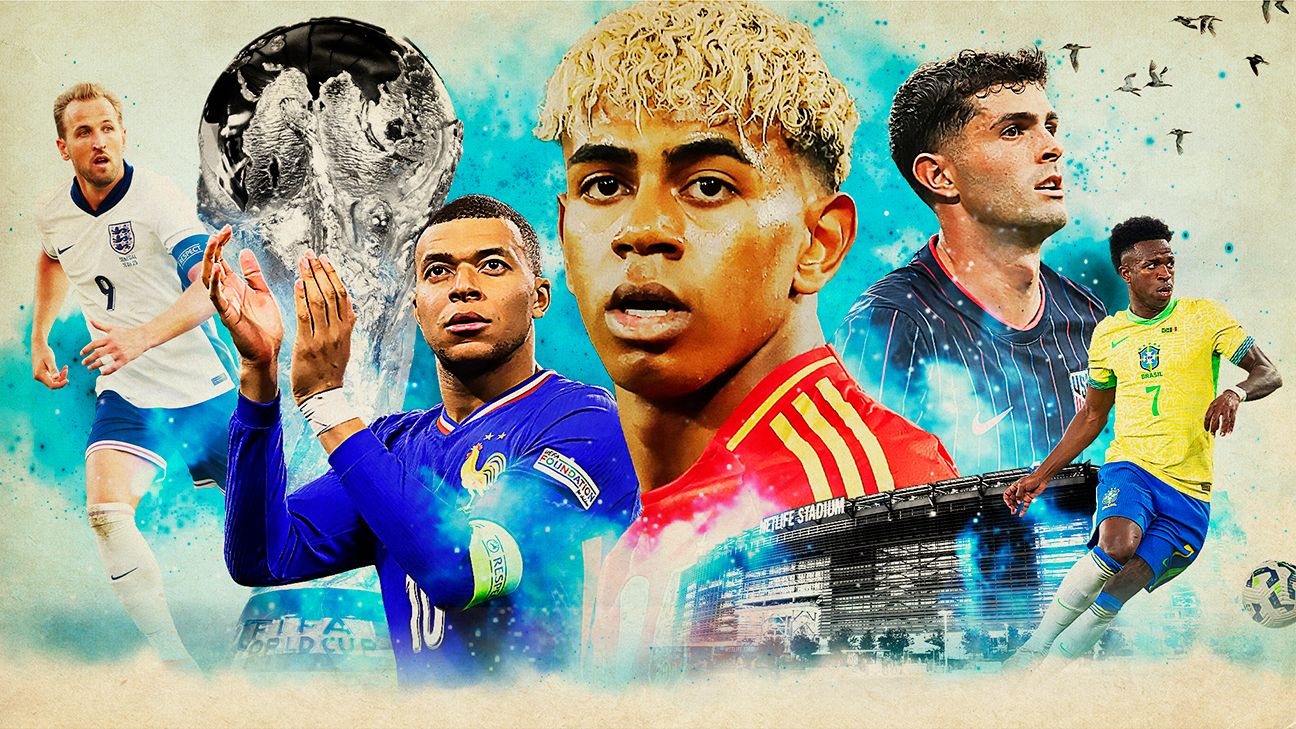
It’s official: Tuesday, March 3 marks 100 days until the 2026 World Cup kicks off in earnest, when Mexico host South Africa in Mexico City on June 11. But before we get there, we have a few big hurdles to clear.
The last week in March will see the final six tournament spots claimed, with four teams from Europe and two more via an intercontinental playoff. We also have the dramatic, high-pressure final weeks of the European club season, in which any injuries to top players will undoubtedly impact World Cup chances for a wide range of nations depending on the severity. And then, weeks before the action begins, all 48 national team coaches will make their final roster cuts.
So, we’re launching our semiregular power rankings of how the field is shaping up. We polled all our ESPN FC reporters credentialed for this summer’s festivities, along with reporters from around the globe, on who they think are the top 15 strongest nations in the field right now. Yes, we know there are several big teams still hoping to qualify — Italy, in particular, received several conditional votes should they survive a playoff bracket with Wales, Bosnia and Herzegovina and Northern Ireland — but there’s enough information out there to start sorting the contenders from the pretenders.
We’ll have another set of rankings to commemorate the 50-day mark (April 22) when the full field is locked in, and again in the run-up to the opening ceremony once rosters are finalized and we know whether injured players are fit enough or have to stay home this summer.
ESPN FC’S World Cup Power Rankings, 100 days out
Breaking down the top 15
1. SPAIN
Well, well, well. As near-unanimous No. 1 picks in our inaugural Power Rankings, scooping up 15 of 21 first-place votes, it appears as though this is already La Roja‘s world and we’re all just living in it. Will the World Cup run in much the same way, though?
They weren’t dynamic in qualifying despite topping their group over Bulgaria, Türkiye and Georgia with five wins from six matches, but they do have Lamine Yamal, Pedri and Ferran Torres to count on in attack. Cruising to victory at Euro 2024 without Rodri, their Ballon d’Or winning midfielder, showed that they can function with significant absentees, though a wobbly defense is a concern. Questions need to be answered around which two of Dean Huijsen, Robin Le Normand, Aymeric Laporte and Pau Cubarsí start at center back, while the goalkeeper should end up being Unai Simón despite David Raya‘s exceptional form at Arsenal.
Did we mention Lamine Yamal, though? The human cheat code for any packed defense, Yamal (22 goals+assists in 22 LaLiga games for Barcelona this season) will again be expected to do the impossible when needed, but there is concern about the sheer volume of minutes he’s racking up despite turning only 18 this past July. Also, the bigger issue around this team is their youth; veteran experience is often key at major tournaments, but where will that come from? A group containing Cape Verde, Saudi Arabia and Uruguay shouldn’t cause too much trouble for Luis de la Fuente & Co. upon arrival in the U.S., but tougher challenges will require them to really meet the moment in a way we’ve not seen since they won the Euros.
 2. FRANCE
Les Bleus are a powerhouse from top to bottom, no matter how you assess their squad or talent pool. Every position is filled multiple times over with proven quality and bankable star power, and after cruising through qualifying with five wins from six and Kylian Mbappé scoring plenty, the future looks bright again.
But how easily can they shrug off the heartbreak of losing the 2022 final to Argentina on penalties after a 3-3 extra-time thriller in which Mbappé scored a hat trick and really should have had a winner late on? And is there any anxiety over the confirmed end of the Didier Deschamps era as manager — he announced in January that he would step down as manager after France’s World Cup run? Pressure to send their boss off on a high note could wear heavily, and a group containing Africa Cup of Nations champions Senegal plus Norway (hello, Erling Haaland) could make for a tricky farewell party.
About Mbappé: Questions about his fitness have been whispered around Real Madrid for some time, and news Monday that he’s getting some treatment for a sprained knee mean he’ll need to work back up to his best. If the likes of Michael Olise, Désiré Doué and Ousmane Dembélé are at their best, Mbappé can relax a little, but questions around the fullback positions (where most of the options have had lackluster seasons) do at least invite a little concern.
 3. ARGENTINA
We’re expecting this summer to be Cristiano Ronaldo‘s proverbial last dance (more on him later), but it might be the final curtain for Lionel Messi at the international level as well, and it’s hard to know how to process all this happening at a single World Cup. That said, there’s a vibe that he’s playing with house money to some degree having finally clinched one in 2022, when the Albicelestes beat France in one of the most enthralling World Cup finals ever. Winning the past two Copa América competitions and being one of the first teams worldwide to clinch their 2026 World Cup spot — in March 2025, to be exact! — shows that they’re the ultimate tournament team.
Argentina are in transition between the Messi generation and that next wave, but they’re still a credible contender to do what no team has done since Brazil (1958, 1962) and win back-to-back editions. Even without Ángel Di María, there’s quality all around Messi, from Rodrigo De Paul, Enzo Fernández and Alexis Mac Allister in midfield to Lautaro Martínez up front. Plus, Emi Martínez remains one of the best (and most entertaining) goalkeepers around. The wild card will be Julián Álvarez, who has struggled for form and goals this season with Atlético Madrid, but a group stage containing Algeria, Austria and Jordan should be smooth sailing for Lionel Scaloni and his experienced team.
 4. ENGLAND
Ahh, England. The Three Lions. Is it coming home? And will it ever come home again? The trick here — spoiler alert — is as it always is with England: trying to fit the right combo of superstars together and plug the gaps (left back, holding midfield) with the right personnel to make it all sing. Harry Kane will be tasked with the goals, Bukayo Saka and Anthony Gordon the quality from wide positions and Declan Rice the dynamism from midfield, but chemistry and coherence will be key here if the individuals are to shine.
The right midfield combo around Rice and the right center back pairing from a host of options with clear pros/cons will also be weighing heavily on Thomas Tuchel’s mind, and he might well lament the lack of an “easy” opponent in the group stage to make adjustments on the fly. Croatia, Ghana and Panama will test them to the fullest, meaning that March’s tune-ups against Uruguay and Japan carry a little more importance than fans might be hoping for with just 100 days until the tournament’s first game.
 5. BRAZIL
Are the Seleção back and ready to challenge? Fresh off back-to-back quarterfinal exits, Brazil have tons of talent at their disposal as you’d expect, but this time, they are rolling into battle with the charismatic superstar-whisperer Carlo Ancelotti as manager. If anyone can create a winning formula from the chaotic energy of Rodrygo, Raphinha and Vinícius Jr., it would be the man who took home 11 trophies in his second stint as Real Madrid boss.
However, as is always the case at the World Cup, their defending will need to be up to par. Here is where things still seem a work in progress as Ancelotti tries to build around Arsenal star Gabriel and Liverpool keeper Alisson in the pursuit of clean sheets and calmness. Defeats to Bolivia and Japan in recent months — the latter saw Brazil hold a 2-0 lead into the second half before conceding three times in 19 minutes — have shown that balance remains elusive, with a lot riding on Bruno Guimarães and Casemiro to knit things together in midfield.
 6. PORTUGAL
Yes, this is the only major trophy Cristiano Ronaldo has yet to lift in the air surrounded by jubilant teammates … but will 2026’s World Cup end any differently to the other five he has played in? Fourth place in 2006 is his best effort yet, followed by exits in the round of 16 (twice), group stage and quarterfinals, with plenty of Ronaldo tears that followed.
These days, Ronaldo reliance is waning somewhat, but that’s more down to the volume of exciting talent around him than any diminishment in his own powers. Yet will coach Roberto Martinez take that decisive step to make CR7 a support player rather than automatic starter? Regardless of how it shakes out, Bruno Fernandes will be Portugal’s chief playmaker and antagonist in the attacking third, Rafael Leão offers plenty of tricks from the wing, and a midfield with Bernardo Silva, Vitinha and Rúben Neves will overwhelm most opponents simply by showing up. That’s before you factor in the intangibles Nuno Mendes brings from the fullback position, as well as Rúben Dias keeping the defense organized.
A group containing Colombia, Uzbekistan and an intercontinental qualifier (New Caledonia, Jamaica or DR Congo) should yield little real challenge, but we’ll know more about their chances after they play co-hosts Mexico and the U.S. at the end of March.
 7. GERMANY
Always spoken of as one of the heavyweights in international soccer, recent years have made Germany a bit of a history lesson in that regard. Despite boasting three European Championship crowns (1972, 1980, 1996) and four World Cups (1954, 1974, 1990, 2014), Die Mannschaft were bounced out at the group stage in each of the past two World Cups. Winning five of six in qualifying should ease immediate concerns, but there are question marks up and down the starting XI and little time left to figure things out.
Talent has never been an issue and still isn’t in 2026 — though Joshua Kimmich, Florian Wirtz and Jamal Musiala need help around them — and a group stage with Curacao, Ivory Coast and Ecuador should enable them to reach the round of 32. It’s anyone’s guess as to how they proceed from there.
 8. NETHERLANDS
The Oranje left it late to finally secure their spot at this summer’s festivities, drawing 1-1 with Poland and then hammering Lithuania 4-0 in Amsterdam during the final round of qualifiers to make it certain. Their inconsistency makes them a tough team to predict when it comes to the World Cup, where they’ve been drawn against Japan, Tunisia and a UEFA qualifier (one of Ukraine, Sweden, Poland or Albania), but individual quality and defensive toughness can take you far.
When it comes to these two elements, Ronald Koeman‘s side have plenty of both: Memphis Depay (8 goals) will be the primary goal threat, Cody Gakpo and Donyell Malen offer different flavors of flair on the flanks, and the trio of Frenkie de Jong, Tijjani Reijnders and Ryan Gravenberch offer culture and class in midfield. (Don’t overlook Xavi Simons too, much as he’s struggling to assert himself at Tottenham Hotspur right now). At the back, the peerless Virgil van Dijk is surrounded by plenty of dynamism, and teams will find it hard to carve through the Dutch defense. Upcoming fixtures with Norway and Ecuador should give us a clearer sense of where this team stands.
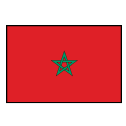 9. MOROCCO
Fresh off defeat to Senegal in the Africa Cup of Nations final, the surprise 2022 World Cup semifinalists will be all too keen to show that they are no fluke at this level. Buoyed by a perfect 8-0-0 record in qualifying — making them one of the first countries to officially punch their ticket to this summer’s competition — and with 12 players scoring in the process, they bring a tenacity that makes them a tough opponent every time. Forwards Youssef En-Nesyri and Ayoub El Kaabi are competent around goal, there’s a ton of big five European league experience throughout the midfield, and Achraf Hakimi is well-established as one of the best attacking fullbacks in the game right now.
A group with Brazil, Haiti and Scotland will offer three distinct challenges for manager Walid Regragui, but they have enough quality and confidence to make another deep run.
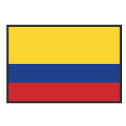 10. COLOMBIA
After missing out on the 2022 edition, Los Cafeteros are back and perhaps better than ever in 2026, fresh off a strong qualification performance (third overall in CONMEBOL, with seven wins and seven draws in 18 games) and robust defensive effort. Stars such as Luis Díaz and Luis Suárez (not that one) are contributing goals, with 11 between them in qualifying, while playmaker James Rodríguez is using a spell at Major League Soccer’s Minnesota United FC to get in tip-top shape. It’s not just the results they’re getting, but the run of form: Undefeated since a 2-1 loss in Brazil a year ago, they’ve looked good against several World Cup teams (Canada, New Zealand, Australia and Paraguay) and thumped co-hosts Mexico 4-0 to give a sense of their readiness.
Drawn against Portugal, debutants Uzbekistan and an intercontinental qualifier (New Caledonia, Jamaica or DR Congo), they should progress comfortably and cause trouble for whomever draws them in the knockout stages.
2:05
Are Belgium past their prime for the World Cup?
Gab Marcotti and Julien Laurens break down ESPN FC’s World Cup Power Rankings and debate which teams they feel don’t belong in the top 15.
 11. BELGIUM
Belgium have been World Cup mainstays for the past decade-plus, with their steady presence — including a run to the quarterfinals in 2014 and a third-place finish in 2018 — led by the country’s “Golden Generation” of talent. But that talent isn’t aging gracefully, with Axel Witsel (37 years old), Kevin De Bruyne (34) and Romelu Lukaku (32) all in decline, to the extent that this team feels like a work in progress.
The green shoots of rebirth are there through the spine of this team: Charles De Ketelaere is their next playmaker-elect in the final third along with Jérémy Doku, while Youri Tielemans adds dynamism in midfield, Arthur Theate is a defensive force in his own right and Thibaut Courtois remains elite at the goalkeeping position. A group draw with Egypt, Iran (for now) and New Zealand, however, should assure they book another knockout round appearance where their individual talent could help overcome any structural flaws.
 12. NORWAY
It’s so hard to know what to make of the Landslaget right now. They have a core of incredible players — led by Martin Ødegaard and Erling Haaland — and cruised through World Cup qualifying, going 8-0-0 with 37 goals scored (just five conceded) against Italy, Israel, Estonia and Moldova. And yet, this is the first World Cup for which they’ve qualified since 1998, so it’s hard to predict how qualification form will translate to the big stage. Upcoming games against fellow World Cup participants Netherlands and Switzerland should offer some clarity, but it’s clear that they’ll need the goals of Haaland — who netted a stunning SIXTEEN times in qualifying — if they’re to escape a difficult group.
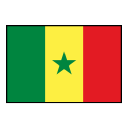 13. SENEGAL
Senegal will hit the World Cup as one of the in-form national teams thanks to their impressive run in the 35th edition of the Africa Cup of Nations at the beginning of the year. They rode an impressive collective resolve — and overcame the chaos of the final vs. Morocco — to win the tournament. Upcoming friendlies against Peru and Gambia will reveal little as to their World Cup readiness, but a seasoned team led by Sadio Mané, Nicolas Jackson, Kalidou Koulibaly and Ismaïla Sarr is as dangerous as any. That said, being drawn against France and Norway means they cannot afford to be anything less than perfection.
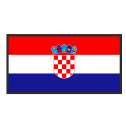 14. CROATIA
No matter how often we think Croatia can’t turn on the style at this level, led by seemingly ageless 40-year-old midfielder Luka Modric and a strong veteran presence up and down the squad, they remain formidable at this level no matter what. Finishing second in 2018 and third in 2022 feels like a tall order to replicate this summer, but a favorable group draw — they will face El Tri, South Africa and a UEFA qualifier (one of Czechia, Republic of Ireland, Denmark or North Macedonia — at least gives them a strong edge to the round of 32. Beyond that, it’s anyone’s guess.
 15. JAPAN
Sneaking into the rankings are the Samurai Blue, as they’re colloquially known. While their regional strength in Asia is largely undisputed, we will get a true measure of their World Cup readiness with friendlies against fellow qualifiers Scotland and England at the end of March. That said, we expect them to compete hard as they always do at this level, having made it to the round of 16 at the past two editions thanks to their collective work rate and individual skill. (Finishing first in their group last time out, with wins over Germany and Spain, speaks to their ability.)
That said, this World Cup could prove trickier if captain Wataru Endo is unable to suit up. The Liverpool midfielder underwent ankle surgery and will miss the rest of the 2025-26 season, putting his summer plans in jeopardy.
Sports
Miami (OH) AD David Sayler Rips Bruce Pearl, Suggests TV ‘Disclaimer’ Over Auburn Bias In NCAA Tournament
NEWYou can now listen to Fox News articles!
In the midst of a shiny and perfect season by his men’s basketball team that has caught the attention of college basketball fans across the country, Miami (OH) AD David Sayler has clapped back at former Auburn head coach Bruce Pearl. Pearl has made comments that Miami (OH) is a mid-major team that doesn’t have the best strength of schedule to make the NCAA Tournament without winning the MAC.
Last weekend, Pearl took to the airwaves during his appearance on TNT’s college basketball show to discuss Miami’s lack of big wins against higher-ranked teams that puts them in a spot in which winning the MAC tournament next week is the only viable way the team should make the postseason.
Right now, sitting at 30-0 on the season, the Redhawks have been the talk of the sport, but a point of contention on social media and other platforms has centered around their scheduling.
CLICK HERE FOR MORE SPORTS COVERAGE ON FOXNEWS.COM
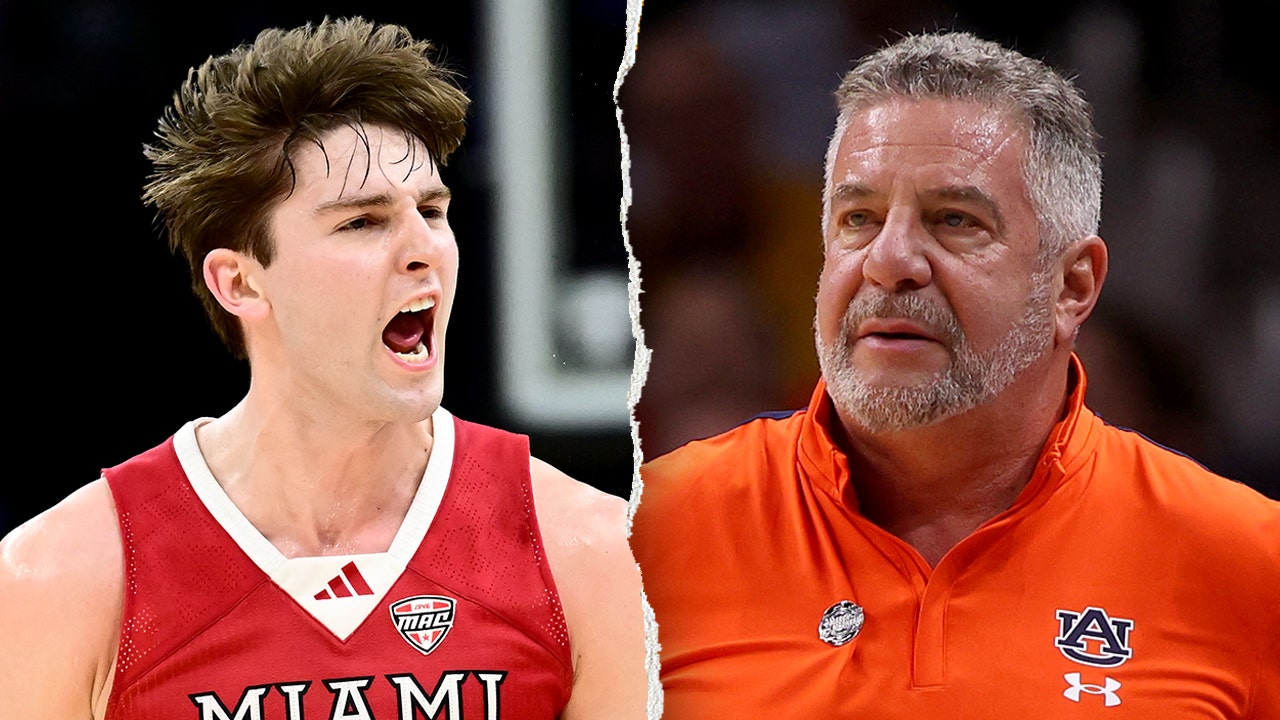
(Left) Miami (Ohio) RedHawks guard Peter Suder (5) celebrates after hitting a three-point basket against the Akron Zips during the first half of the MAC Conference Tournament Championship game at Rocket Arena in Cleveland, Ohio, on Mar. 15, 2025. (Right) Auburn Tigers head coach Bruce Pearl reacts during the first half in the South Regional final of the 2025 NCAA Tournament against the Michigan State Spartans at State Farm Arena in Atlanta, Georgia, on Mar. 30, 2025. (Ken Blaze/Imagn Images;Brett DavisImagn Images)
If we’re selecting the 68 best teams, then Miami (Ohio) is going to have to win their tournament to qualify as a champion. Because as an at-large, they are not one of the best teams in the country,” Bruce Pearl noted.
In a very awkward coincidence, Pearl’s former squad, who just so happens to be coached by his son Steven, is squarely on the NCAA Tournament bubble.
While Bruce made it abundantly clear this week that he is rooting for his son to make the postseason, which isn’t some sort of shocking news, there are some that feel as though his remarks about Miami (OH) were also made in conjunction with Auburn being on the bubble.
In speaking with OutKick on Friday, Miami (OH) athletic director David Sayler had a recommendation about what networks should do when Bruce Pearl is discussing teams who should be in contention for a spot in the NCAA Tournament.
“I have a lot of respect for him as a coach, but when he starts to use the word ‘We’ about Auburn, that certainly rankles me,” Sayler pointed out. “He shouldn’t be on a TV screen giving advice or opinions on the NCAA Tournament when he’s clearly biased. There should be a disclaimer on the bottom of the screen, or something, that’s clearly what he’s doing.”
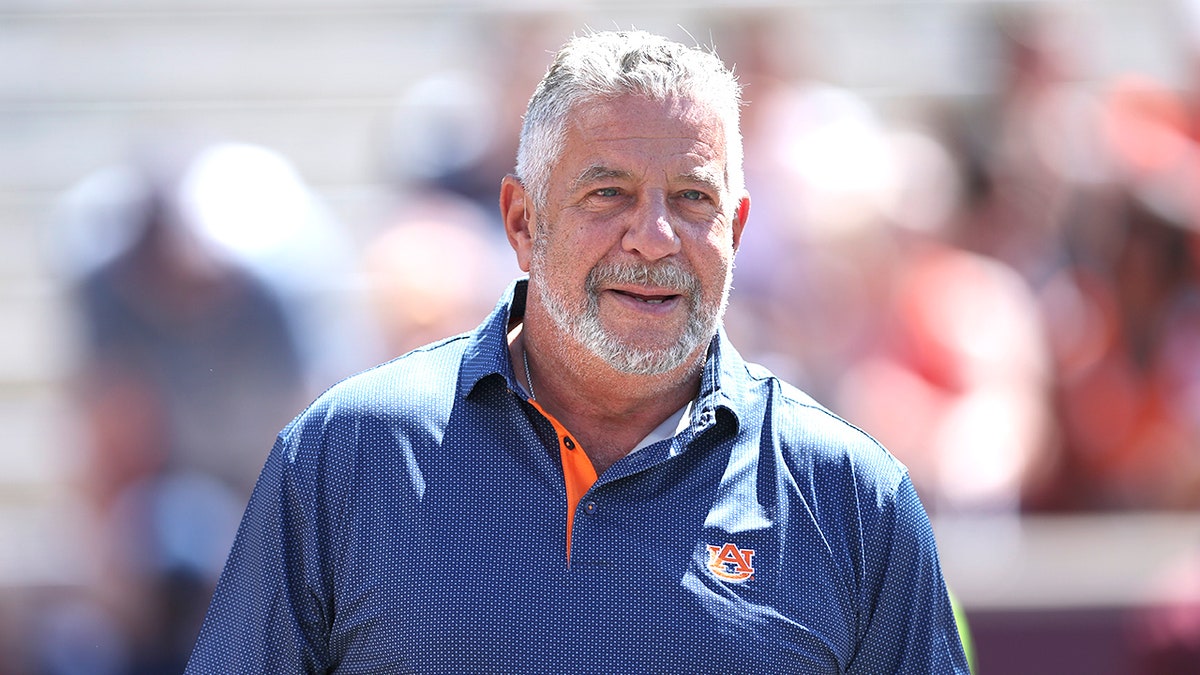
Auburn Tigers former men’s basketball head coach Bruce Pearl walks on the field before the game against the Texas A&M Aggies in College Station, Texas. (Troy Taormina/Imagn Images)
The conversation around Miami (OH) has reached a fever-pitch, with a majority of reactions in the favor of the team making the postseason, even if the Redhawks suffer a loss in their regular season finale against Ohio, or in the MAC tournament next week in Cleveland.
David Sayler Channels His Inner ‘Yoda’ When Fighting Against Expansion
Even though the NCAA has tabled the conversation on adding additional teams until after the 2026 season is completed, there is still a looming discussion to be had.
The question of whether expanding the NCAA Tournament will help mid-major teams in the long run has been a hot-button topic, given the current landscape of college athletics.
For Sayler, he views schools like Miami (OH) and others as an ‘afterthought’ in these conversations.
CLICK HERE TO GET THE FOX NEWS APP
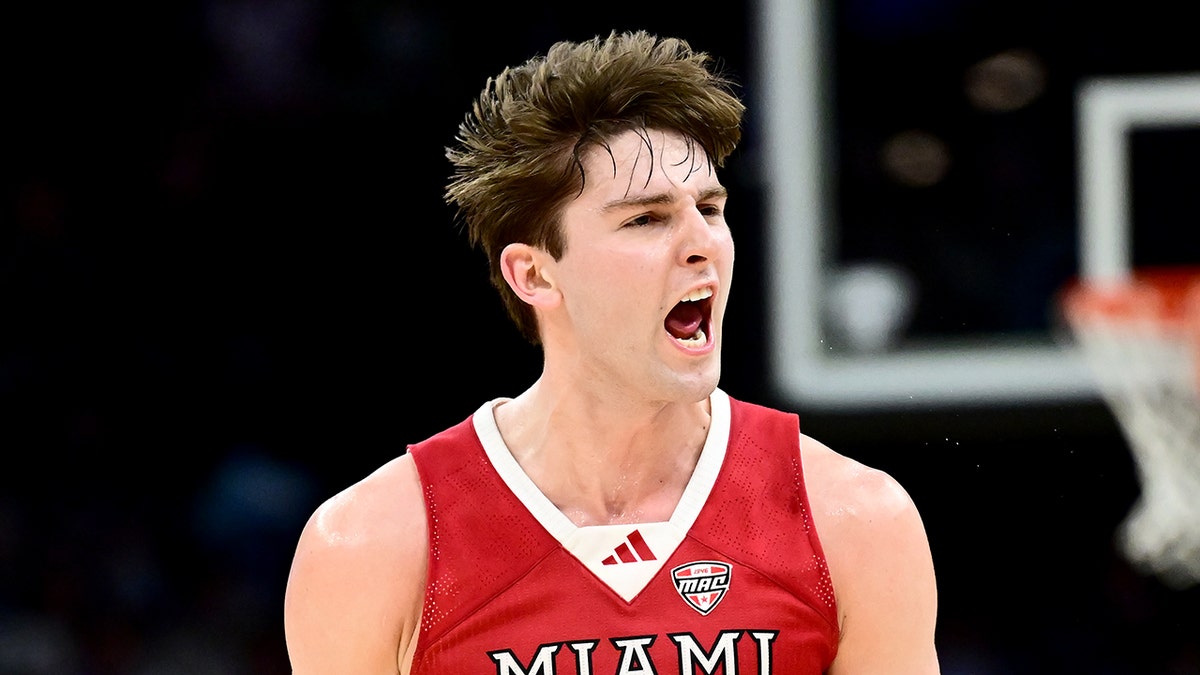
Miami (Ohio) RedHawks guard Peter Suder (5) celebrates after hitting a three-point basket against the Akron Zips during the first half of the MAC Conference Tournament Championship game at Rocket Arena in Cleveland, Ohio, on Mar. 15, 2025. (Ken Blaze/Imagn Images)
“I don’t want to see the 11th place SEC team or the 12th place Big Ten, and that’s why I’m against expansion of the tournament,” Sayler told OutKick. “Now, you’re going to get the 13th place team in these leagues. It’s not for the mid-majors. There’s no talk of the CFP or expanding the college basketball tournament because of us. We are the afterthought. It’s like, ‘Ok, they’ll just be happy with what they get’.
“That’s why I’ve been quoting Yoda when fighting the evil empire lately, because that’s really what this is, the Death Star marching on, and we’re powerless to do it. So I’m part of the group of rebel AD’s trying to fight the system and leaning on sage advice from Yoda.”
The conversation around Miami (OH) isn’t dying down, especially if the Redhawks were to lose a game during the MAC tournament, or even their regular season finale on Friday night against the Ohio Bobcats.
LEARN MORE ABOUT THE ULTIMATE COLLEGE HOOPS EXPERIENCE
But, this has clearly been one of the most intriguing stories in college basketball this season. Maybe the slipper will fit over the next month.
Follow Fox News Digital’s sports coverage on X, and subscribe to the Fox News Sports Huddle newsletter.
Related Article
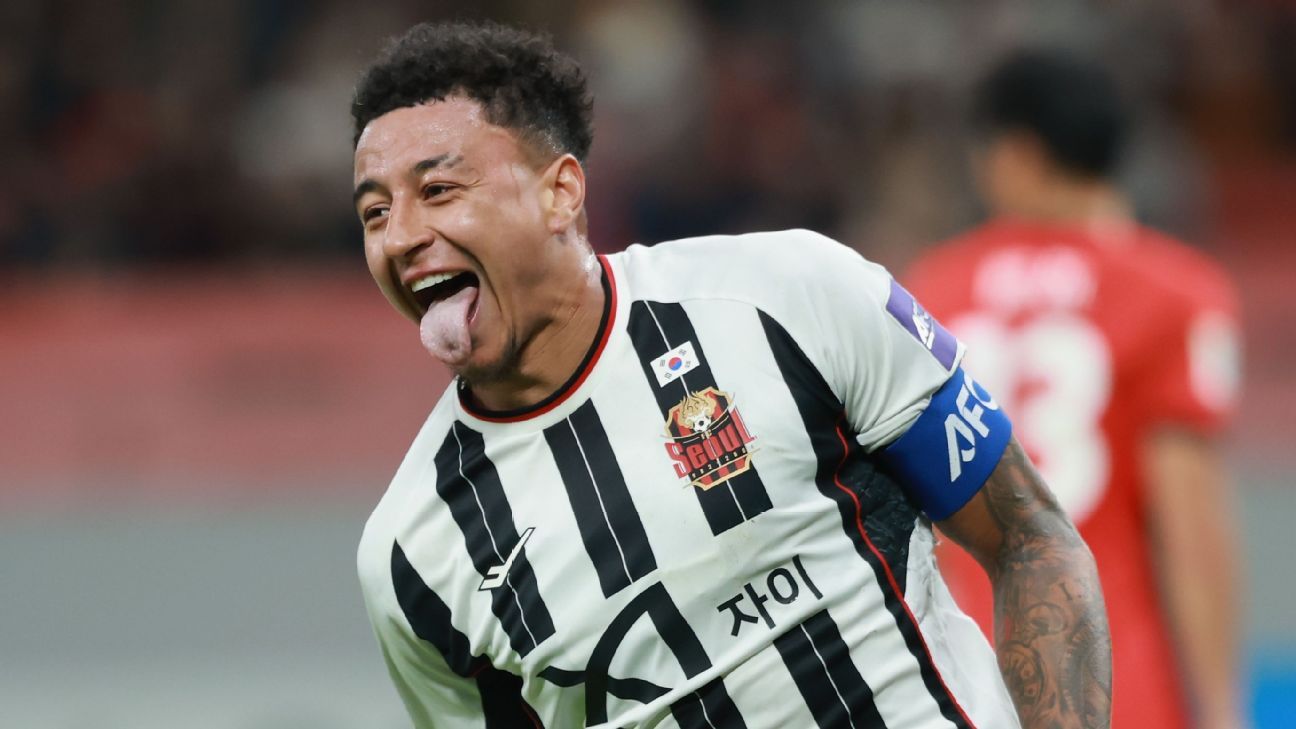
Former England and Manchester United midfielder Jesse Lingard has joined Corinthians for the remainder of the season, the Brazilian club announced.
Lingard, 33, had been a free agent since leaving Korean side FC Seoul after his contract expired at the end of last year.
Despite reported interest from MLS, Lingard will continue his career in Sao Paulo, signing a contract with Corinthians until December. He will wear the No. 77 shirt.
“It’s a magical feeling. I can imagine with the fans it’ll be a crazy atmosphere,” Lingard said after his arrival at the club.
“First, I saw the fans at the airport saying ‘Go, Corinthians! Go, Corinthians!’ There’s a lot of passion from the fans, which is amazing to see. The facilities are amazing.
“The lads welcomed me with open arms, the coach, the CEO have been really good to me. My first impressions: very happy, I can’t wait to get going.”
Lingard joined FC Seoul in February 2024 after seven months without a club, having been released by Nottingham Forest the year before.
After coming up through the club’s youth academy, Lingard made 232 appearances for Manchester United and lifted the FA Cup, League Cup and Europa League.
He was also a key part of the England side that reached the semifinals of the 2018 World Cup, winning 32 caps for his country.
At Corinthians, Lingard will be reunited with former Manchester United teammate Memphis Depay.
– Flamengo president: Sacking Filipe Luís wasn’t ‘impulsive’
– Santos president explains Joao Basso departure after Neymar criticism
– Brazilian player Marques banned 12 games for sexism toward ref
Corinthians, coached by former Brazil manager Dorival Júnior, have taken seven points from their opening four league games.
Lingard is the second British-born player to represent the club after Colin Kazim-Richards, who later played internationally for Turkiye.


Ben Stiller condemns use of ‘Tropic Thunder’ clip in political video

Spain, France lead World Cup 2026 Power Rankings, 100 days out

This Jammer Wants to Block Always-Listening AI Wearables. It Probably Won’t Work

Attock Cement’s acquisition approved | The Express Tribune

India Us Trade Deal: Fresh look at India-US trade deal? May be ‘rebalanced’ if circumstances change, says Piyush Goyal – The Times of India

Bobby J. Brown, “The Wire” and “Law & Order: SUV” actor, dies of smoke inhalation after reported fire

-
Business1 week ago
Attock Cement’s acquisition approved | The Express Tribune
-
Business1 week ago
India Us Trade Deal: Fresh look at India-US trade deal? May be ‘rebalanced’ if circumstances change, says Piyush Goyal – The Times of India
-

 Politics1 week ago
US arrests ex-Air Force pilot for ‘training’ Chinese military
-
 Entertainment1 week ago
Bobby J. Brown, “The Wire” and “Law & Order: SUV” actor, dies of smoke inhalation after reported fire
-

 Fashion1 week ago
Policy easing drives Argentina’s garment import surge in 2025
-

 Politics1 week ago
What are Iran’s ballistic missile capabilities?
-

 Sports1 week ago
Sri Lanka’s Shanaka says constant criticism has affected players’ mental health
-

 Sports1 week ago
LPGA legend shares her feelings about US women’s Olympic wins: ‘Gets me really emotional’