

Business
FTA: Only genuine European car cos will get duty benefits – The Times of India

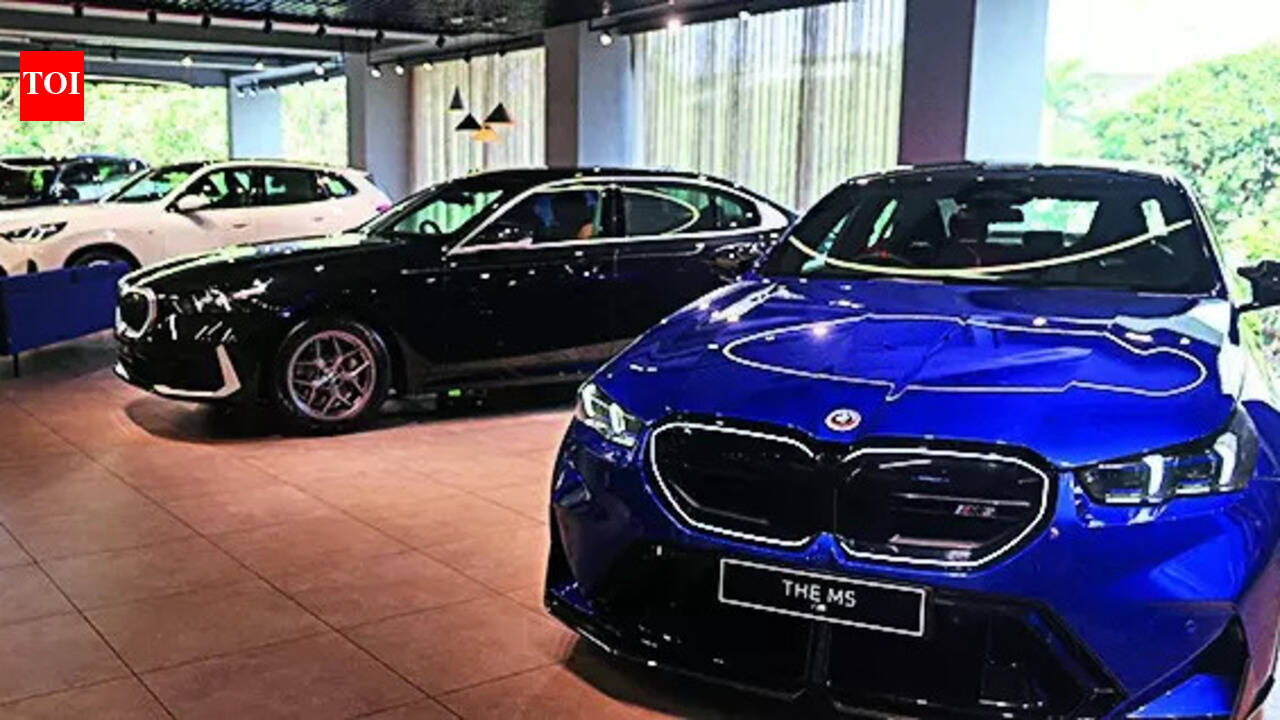
New Delhi: The benefits of lower duty access for passenger vehicles will flow to European Union’s “traditional” carmakers, providing further comfort to domestic players as the market opening up is for vehicles priced above Rs 25 lakh and for specific numbers.Under the agreement, India will grant an annual quota of 1.6 lakh diesel and petrol vehicles, and 90,000 for electric vehicles (EVs), when the full benefits are given. While the benefits of lower tariff of 30% or 35%, depending on the cost, will flow to internal combustion engine vehicles in the first year, for electric vehicles no benefits are available until the fifth year. By the 10th year, duty will fall to 10% for a maximum 2.5 lakh cars. India’s quota starts with one lakh once the treaty is effective, then rises to 2 lakh units in the 10th year and then 2.5 lakh in 14th year.Duty for completely knocked down (CKD) kits for 75,000 ICE vehicles will also be halved from the current 16.5%, a move that is expected to bring down the prices of luxury cars assembled in India.Carmakers such as BMW and Mercedes have said that over 90% of the cars now sold in India are assembled locally. Industry players said that these companies, instead of importing kits have been shipping in components, which attract 5-7% duty.Officials said the treaty provisions have been designed in a way that only genuine European carmakers, some seven-eight manufacturers, can take advantage of the concessions, addressing a major worry among auto players from both sides. As a result, the benefits are likely to flow to BMW, Mercedes, Audi, Skoda-Volkswagen, Stellantis (which has brands such as Citroen, Fiat and Jeep in its portfolio), Volvo and Renault.`“What auto companies have told us is that they will use import route for testing the market for models that they intend to launch. We have designed the package in a way that there will be local assembly once the number of vehicles sold here goes up,” a senior govt official said, adding that the quota will not cross three lakh units at any time. Officials said overall number of vehicles imported will be under 2.5% the sales in India.For Indian carmakers, EU will provide a quota that is 2.5 times higher than what India will offer to the trading bloc. This means that for vehicles that cost up to 50,000 euro, the quota for India will be 6.25 lakh vehicles. “We want to capture the market and bring in supply chains. Auto part concession goes down to zero in the 10th year, so that we can bring in supply chains here and do value addition,” another official.

Larissa Manoela and Josh D’Amaro, Chairperson of Walt Disney Parks and Resorts, wave to the audience after Panel Disney Experiences during Day 2 of the D23 Brazil: A Disney Experience at Transamerica Expo Center on November 09, 2024 in Sao Paulo, Brazil.
Ricardo Moreira | Getty Images
Disney is turning the page on a new chapter as Josh D’Amaro steps in as CEO of the media and theme park powerhouse.
D’Amaro most recently served as chairman of Disney Experiences, which includes the company’s theme parks, cruise line, resorts and consumer products. He will officially succeed Bob Iger as chief executive during the company’s annual shareholder meeting Wednesday.
The longtime Disney executive takes over after a period of uncertainty for the century-old company — including a closely watched succession race and a recent reorganization and turnaround — that has left it with a mixed reception from Wall Street.
Disney’s stock is down more than 10% year to date as of Tuesday’s close.
D’Amaro’s most immediate task will be sustaining momentum in Disney’s core growth areas. The company’s most recent quarterly earnings were lifted by its theme parks and streaming, the two areas that remain in focus for investors, industry peers and consumers alike.
The company has recently embarked on a major investment in its theme parks, including an expansion with a theme park and resort in Abu Dhabi, United Arab Emirates, and has seen its streaming business reach consecutive quarters of profitability.
Disney also returned to the top of the box office with hits like “Lilo & Stitch,” “Zootopia” and “Avatar” in 2025.
Welcome wagon
In this handout image provided by Disneyland Resort, Disney Experiences Chairman Josh D’Amaro and The Walt Disney Company Chief Executive Officer Bob Iger speak during the 70th anniversary celebrations of Disneyland Resort on July 17, 2025 in Anaheim, California.
Handout | Getty Images Entertainment | Getty Images
This is the second time Iger handed over the reins to a successor in roughly six years. He will remain as a Disney senior advisor and board member until he retires from the company on Dec. 31.
The storied CEO led Disney for roughly 20 years over the course of two stints at the top. In his first 15 years Iger was responsible for some of its biggest acquisitions like Marvel’s and Fox’s entertainment assets, as well as the launch of Disney+.
He stepped down in 2020, but his time away from the company was capped at two years following a handoff to Bob Chapek that was rife with drama.
In Disney’s February announcement of D’Amaro’s appointment, Iger called D’Amaro an “exceptional leader and the right person to become our next CEO.”
D’Amaro, 55, has been at Disney since 1998 and has held a variety of roles at the company. Under his leadership, Disney’s theme parks division has blossomed into a driving force and an earnings driver.
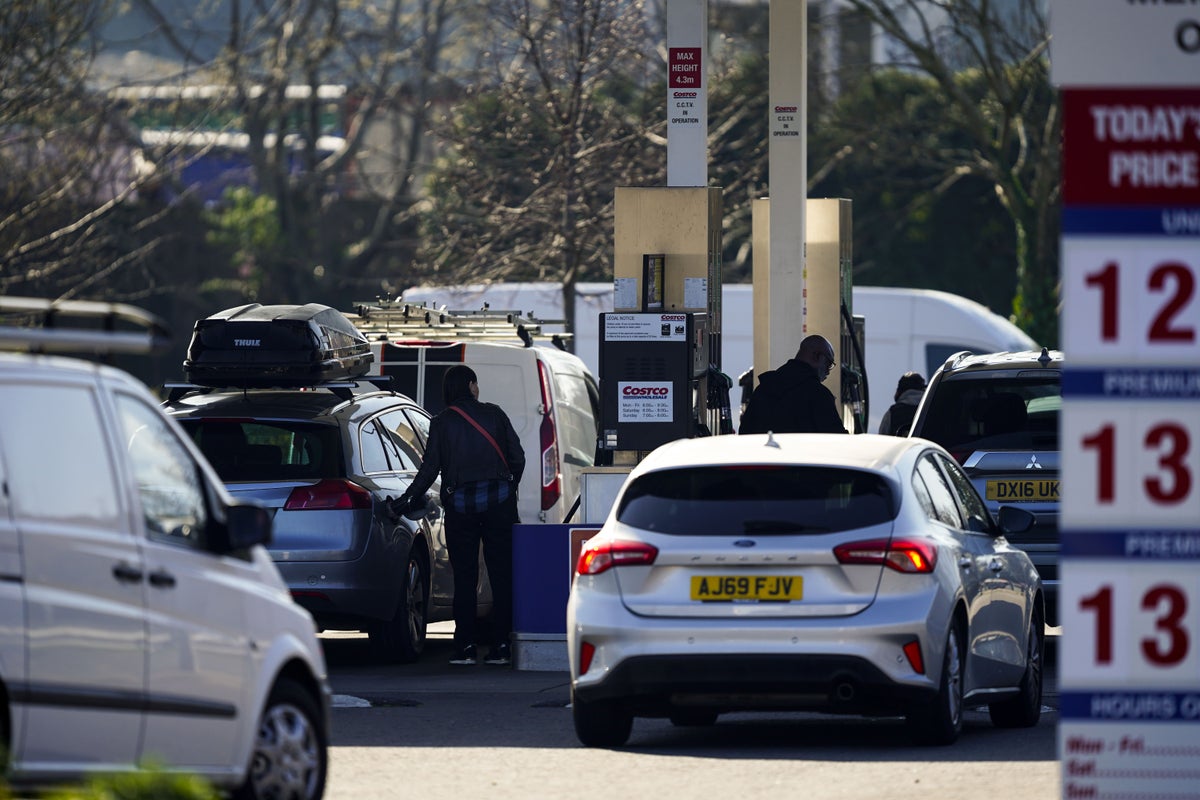
The Tories are set to force a vote in the Commons on scrapping a planned fuel duty increase amid soaring oil prices following the US-Israel attacks on Iran.
Shadow transport secretary Ricard Holden branded the increase “another egregious tax” as he opened an Opposition Day motion on Wednesday in an effort to block the proposed September rise.
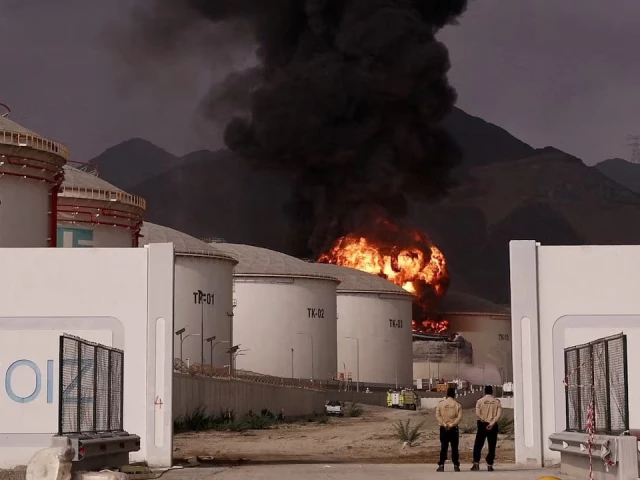
Oil and gas prices have been driven up as Iran has throttled key shipping routes through the Strait of Hormuz, with commercial vessels coming under attack in the region.
The Conservatives’ motion is unlikely to pass due to Labour’s large Commons majority.
Mr Holden branded the increase the “wrong thing to do” and accused the Government of “choosing to balance the books on the back of working Britain”.
He said: “This House has come together to hear of yet another egregious tax on transport pushed out by this Labour Government at a time when people across the country are worried about the cost of getting around.
“On this occasion, the Government, in its infinite wisdom, has decided that this is a moment, the opportune time, to cancel the fuel duty freeze the last Conservative government kept for 13 years, protecting hard-working people from paying extra to get to work, to have appointments, to visit friends and families.”
Fuel duty has been frozen since 2011, and was temporarily cut by 5p in 2022 in response to Russia’s full-scale invasion of Ukraine.
In her budget last year, Ms Reeves said the 5p cut would be gradually unwound from September.
Mr Holden continued: “Under this Government, on top of the countless tax rises that they‘ve already shafted us with, we cannot even get through two years before they decide that the British people need yet another tax rise, and it’s a tax rise in a sneaky and stealthy way.”
Under current plans, fuel duty will rise by 1 pence per litre in September. The current levels are the same as the freeze introduced in March 2022.
He said: “The British people deserve better than underhand taxes swindling them out of the pounds in their pockets, and to pay for that? To pay for more welfare, a tax on every car, every van, every motorbike and every bus.”
Treasury minister Torsten Bell responded that the Government recognises that “fuel costs matter enormously to people right across the country” and insisted they have “already taken action to ensure that fuel remains affordable”.
“In November’s budget, we extended the temporary 5p per litre cut to fuel duty for a further five months,” he said.
“Additionally, we cancelled the inflation-linked increase plan for 26/27.
“Our fuel duty changes will save the average motorist over £90.”
He added: “This Government will take the necessary decisions to help protect both household finances and public finances.”
“For all the froth from the shadow secretary of state, the truth is the last government didn’t budget for any extension of the 5p cut.
“They said explicitly it was temporary, and on the level of fuel duty, here is the truth: through the entire 14 years in office, it was never lower than it is today. In fact, it was higher than it is today for 80% of the time they were in office.”

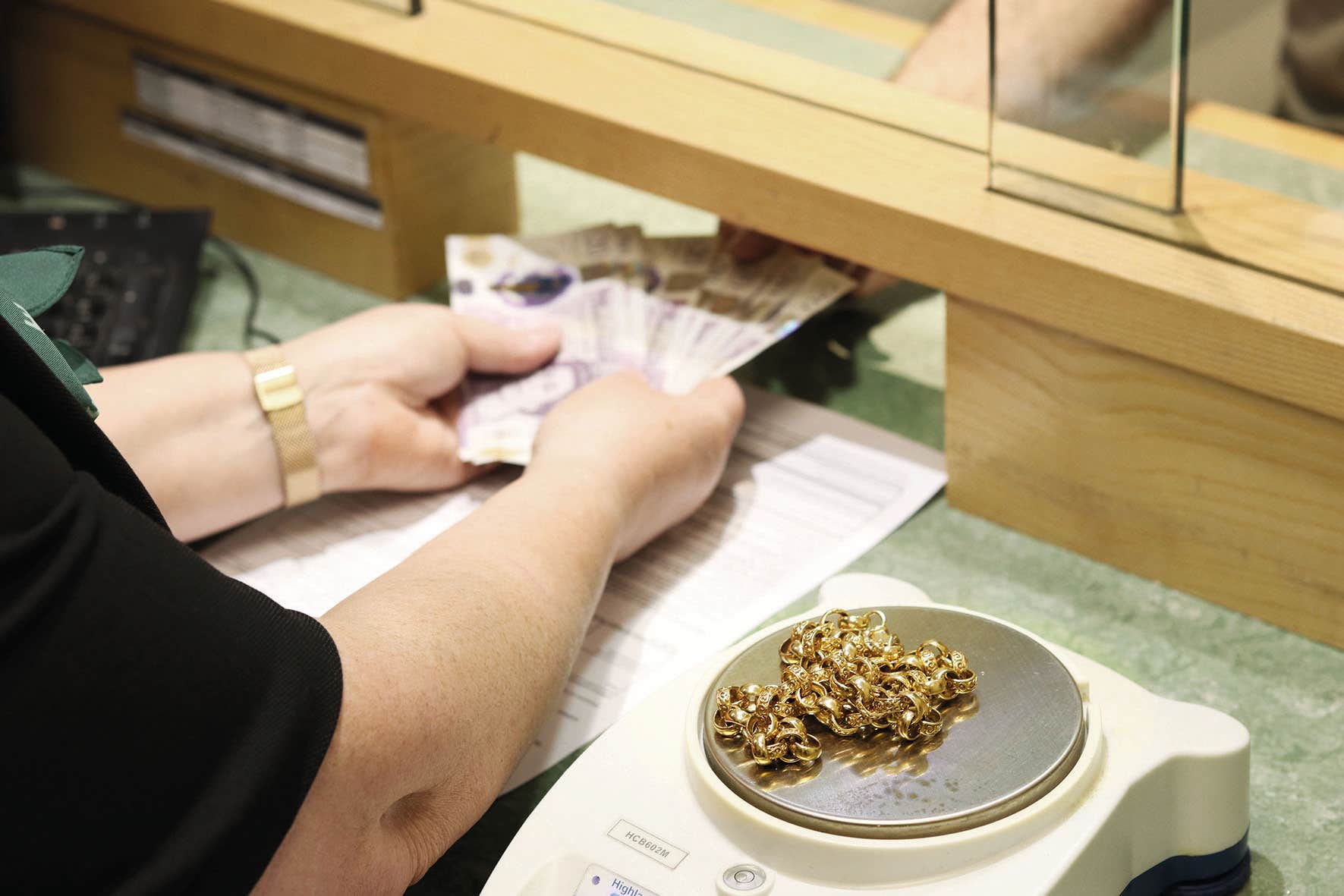
Pawnbroker Ramsdens has significantly upgraded its annual profit forecast, attributing the boost to record levels of lending as consumers increasingly turn to their jewellery for cash amidst soaring gold prices.
The lender and retailer noted the precious metal’s higher price was driving demand and bolstering profits.
Pawnbroking lending hit record levels in February, continuing into March, and boosting its loan book by 18 per cent since the financial year ended in September.
Ramsdens’ service allows individuals to secure loans against jewellery or watches.
The company also purchases unwanted items for resale in stores, online, or to bullion dealers. Furthermore, revenues from its jewellery shops climbed by approximately a quarter year-on-year.
It comes as the price of gold has rallied to reach record highs at points during 2026, as investors sought refuge during global geopolitical uncertainty, conflict and worries about tariffs.
The most recent spike occurred at the beginning of March following the escalation of conflict in the Middle East, with gold hitting around $5,400 (£4,040) an ounce.
The average gold price for the year-to-date is about 50 per cent higher than last year, and the geopolitical and economic climate could mean it remains elevated throughout the months ahead, Ramsdens said.
The London-listed business told investors that owing to stronger trading in the first five months of its financial year and the outlook for gold prices, it was now expecting to make an annual pre-tax profit of at least £24 million, which could rise to as much as £28 million.
Analysts had previously been forecasting a profit of £21.1 million for the year to the end of September.

Get a free fractional share worth up to £100.
Capital at risk.
Terms and conditions apply.
ADVERTISEMENT
Get a free fractional share worth up to £100.
Capital at risk.
Terms and conditions apply.
ADVERTISEMENT
Chief executive Peter Kenyon said: “In addition to underlying progress across the business, we continue to benefit from the high gold price, which is significantly boosting both customer demand and profits within our purchase of precious metals segment.”
Russ Mould, investment director for AJ Bell, said: “This is the second profit forecast increase of 2026, following on from February’s trading update, and means Ramsdens is now on track to post record annual earnings in the 12 months to September 2026.
“The good news is it is not just the soaring gold price that is doing the heavy lifting.
“Ramsdens reports strong sales of jewellery and rapid growth in the pledge book at the pawnbroking operation, while the foreign currency exchange business seems steady, although there remains a chance that the conflict in the Middle East has an impact there at some stage.”
Ramsdens’ shares jumped by about a tenth on Wednesday.


Confessions of the ICE Agent Whisperer
Disney embarks on new chapter as Josh D’Amaro takes over as CEO
Tories set to force vote on scrapping fuel duty increase

Stock market crash today (March 12, 2026): Nifty50 opens below 23,600; BSE Sensex down over 900 points on continuing US-Iran war – The Times of India

Intertextile Shanghai 2026: Fringe events spotlight market trends

What time will NASA’s 600 kg satellite crash to Earth today— 14 years after launch?

-
Business7 days ago
Stock market crash today (March 12, 2026): Nifty50 opens below 23,600; BSE Sensex down over 900 points on continuing US-Iran war – The Times of India
-
 Fashion1 week ago
Intertextile Shanghai 2026: Fringe events spotlight market trends
-
 Entertainment1 week ago
What time will NASA’s 600 kg satellite crash to Earth today— 14 years after launch?
-

 Fashion1 week ago
German brand Adidas posts 13% revenue growth in 2025
-
 Tech1 week ago
Meta Developed 4 New Chips to Power Its AI and Recommendation Systems
-

 Fashion1 week ago
UK’s Topshop unveils Tolu Coker capsule collection
-
 Business1 week ago
US ignites Iran war, but Gulf Arab states pay the price | The Express Tribune
-

 Fashion1 week ago
India’s textile recycling market may reach $3.5 bn by 2030: Report