

Fashion
FTA to boost Indian textiles in New Zealand’s $1.9 bn market


According to the government, the FTA provides zero-duty access on 100 per cent of India’s exports across all tariff lines, benefitting labour-intensive sectors such as textiles, apparel, leather and footwear. The agreement aims to improve India’s export competitiveness, support MSMEs, artisans and women-led enterprises, and strengthen India’s integration with global value chains.
Indian textile and garment exporters are set to benefit from duty-free access to New Zealand’s $1.9 billion textile and apparel market under the new FTA.
The pact grants zero-duty access across all tariff lines, boosting competitiveness and exports.
Industry bodies say it will support MSMEs, employment, value-added exports and diversification amid global demand uncertainty.
S C Ralhan, president of the Federation of Indian Export Organisations (FIEO), described the agreement as a game-changer for Indian exporters. He said comprehensive tariff elimination would significantly enhance the competitiveness of Indian textile and garment products in New Zealand while supporting employment-generating sectors. He also highlighted New Zealand’s commitment to facilitate $20 billion in foreign direct investment into India over the next 15 years as a strong signal of confidence in India’s manufacturing and export ecosystem.
The Southern India Mills’ Association (SIMA) also welcomed the conclusion of the agreement. Durai Palanisamy, chairman, SIMA, noted that the FTA, following the recently concluded India–UK trade agreement, would further strengthen India’s growth trajectory by expanding market access and improving competitiveness.
Durai appreciated and thanked Prime Minister Narendra Modi and his government for securing zero-duty access for Indian textiles and apparel. He pointed out that while India’s overall textile and apparel exports stood at $36.9 billion in fiscal 2024–25, exports to New Zealand had already crossed $103 million, and this trend is expected to gain momentum given New Zealand’s annual textile imports of nearly $1.9 billion.
SIMA said the agreement would help Indian manufacturers strengthen their presence in value-added segments such as fabrics, garments and made-ups, particularly in a developed market like New Zealand that offers stable demand and high standards. The association added that the FTA would support employment generation, higher capacity utilisation and sustained sectoral growth, while also aiding export diversification amid volatility and demand uncertainty in the global textile trade.
Fibre2Fashion News Desk (KUL)










The gross profit reached SEK 25,138 million (~$2.39 billion), with the gross margin improving to 50.7 per cent from 49.1 per cent a year earlier, supported by lower markdown costs and more efficient sourcing.
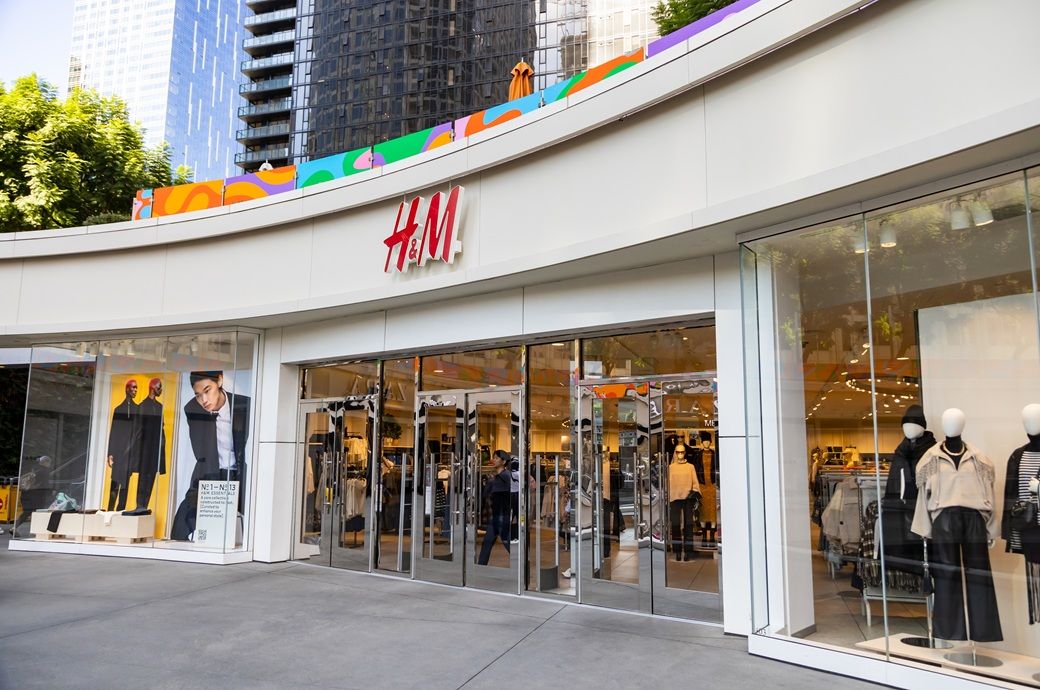
H&M has reported net sales of SEK 49,607 million (~$4.72 billion) in Q1 FY26, with sales down 1 per cent in local currencies.
Improved cost control lifted gross margin to 50.7 per cent and operating profit rose 26 per cent.
The net profit increased to SEK 704 million (~$75.05 million), while inventory fell 16 per cent.
Currency effects weighed on revenue despite stronger margins and improving sales.
The operating profit rose by 26 per cent to SEK 1,512 million, lifting the operating margin to 3 per cent from 2.2 per cent. Selling and administrative expenses declined by 1 per cent in local currencies and by 9 per cent in SEK terms, reflecting continued cost discipline, H&M said in a press release.
The net profit after tax (PAT) increased to SEK 704 million (~$75.05 million), with earnings per share (EPS) improving to SEK 0.45 from SEK 0.37. Inventory management also showed progress, with stock-in-trade falling 16 per cent to SEK 34,608 million, indicating improved inventory productivity.
However, sales in SEK terms were impacted by a currency translation effect of just over 9 percentage points due to the strengthened Swedish krona. The quarter began with weaker demand following strong Black Friday trading, though sales trends improved towards the end, supported by spring collections.
“Good cost control and improved gross margin contributed to strengthened profitability in a quarter marked by cautious consumption and large currency translation effects,” said Daniel Erver, CEO at H&M.
Looking ahead, H&M expects March 2026 sales to rise by 1 per cent in local currencies. The company also highlighted its sustainability progress, noting that 32 per cent of materials used in 2025 were recycled, while 91 per cent were either recycled or sustainably sourced.
Fibre2Fashion News Desk (SG)

RegioGreenTex was one of the first projects funded under the Interregional Innovation Investments (I3) Instrument programme that focused on process, service and business model innovation, developing advanced textile recycling technologies, regional recycling hubs, and a digital ecosystem for matchmaking and capacity building.
Five regional hubs mapped SME needs and developed services and value chains as well as tools that keep helping SMEs, an official release said.
The RegioGreenTex Digital Tool keeps matchmaking, sharing trainings and hosting the participants’ knowledge base.
The Waste Wizard shows how artificial intelligence-enhanced matchmaking can link leftover textiles with the right reuse or recycling routes.
From recycled-content yarn processes (Tintex) to Recycrom low-impact dyeing (Officina39), ultrasonic quilting for full recyclability (Rovitex) and hybrid recycled-fibre yarns (Hilaturas Mar), the pilots showed concrete, repeatable ways to cut impact without losing performance.
The hubs are now open for collaboration, the digital tools are live and the pilot portfolio is primed for investors and adopters.
Fibre2Fashion News Desk (DS)
While trends in high frequency indicators for January-February 2026 appear favourable, the heightened uncertainty around the duration of the Middle East conflict casts a shadow on the near-term macroeconomic outlook for India amid high import dependency for items like crude oil, natural gas and fertilisers, it noted.
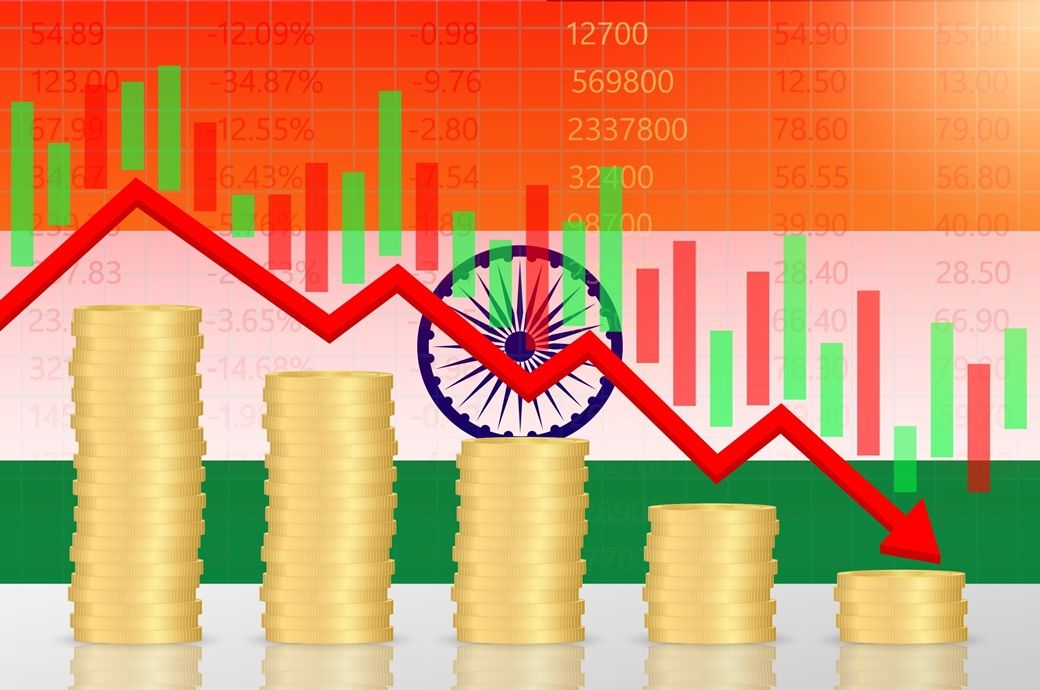
India’s FY27 GDP growth is likely to slow to 6.5 per cent from the projected 7.5 per cent in FY26 owing to the impact of higher energy prices and concerns around energy availability, ICRA Ratings said.
The heightened uncertainty around the duration of the Iran war casts a shadow on the near-term macroeconomic outlook for India.
If the conflict lasts longer, the adverse effects could widen across sectors.
If the conflict lasts for an extended period, the adverse implications of the same could widen across sectors, amid an uptick in input costs and the consequent impact on profitability of the India corporate sector.
Amid the projected uptrend in the consumer price index-based inflation in FY27 with risks tilted to the upside, ICRA Ratings expects an extended pause on the policy rates by the central bank’s monetary policy committee in the fiscal despite the anticipated softening in the GDP growth. However, it expects the Reserve Bank of India to continue to intervene on the liquidity front during FY27.
The available data for January–February FY2026 indicate a positive trend across most non-agricultural indicators, with the year-on-year performance of 12 out of 18 indicators improving compared to the third quarter of FY26, while the remaining six deteriorated.
Fibre2Fashion News Desk (DS)


Sweden’s H&M’s Q1 FY26 sales dip but margins improve on cost control

The Best Babbel Promo Codes and Deals for April 2026
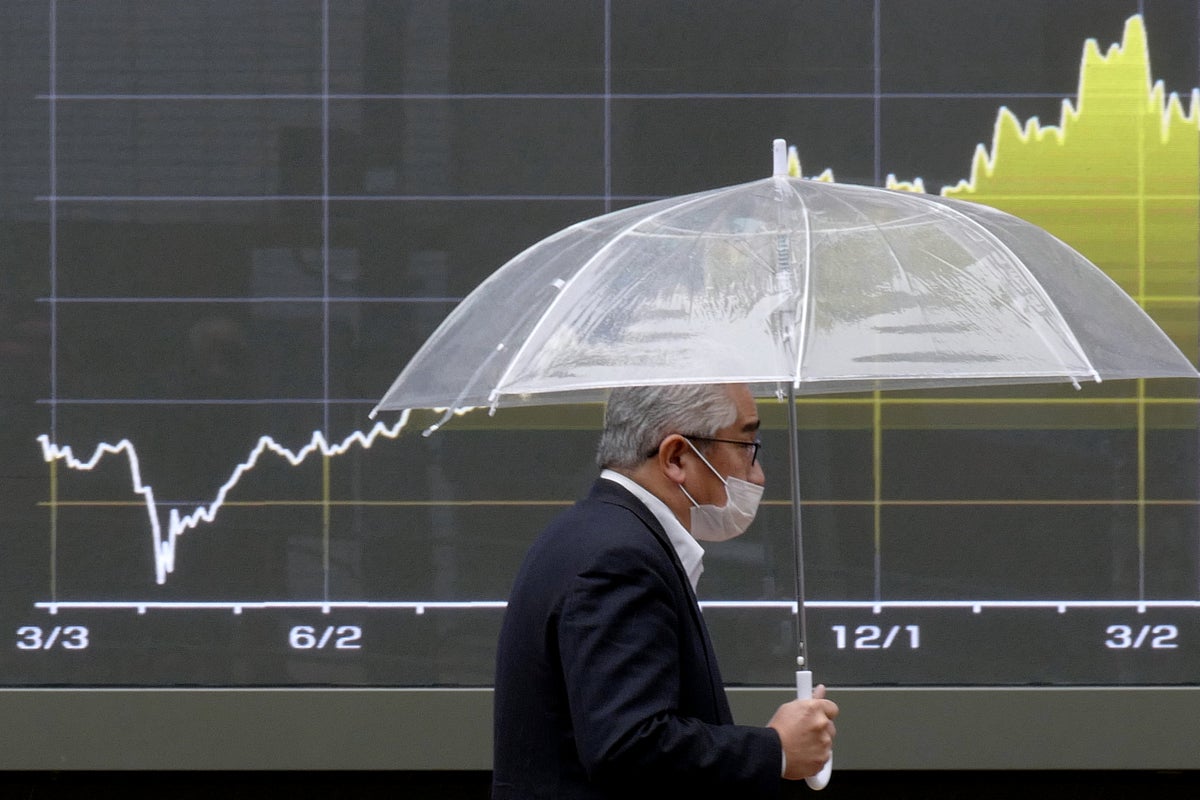
Iran war worries fail to dampen business sentiment in Japan

-

 Politics1 week ago
Afghanistan announces release of detained US citizen
-

 Sports1 week ago
Broadcast industry CEO says consolidation is ‘essential’ to compete for NFL soaring media rights prices
-
 Business1 week ago
Property Play: Home flippers see smallest profits since the Great Recession, real estate data firm says
-

 Entertainment1 week ago
UN warns migratory freshwater fish numbers are spiralling
-

 Tech1 week ago
Can a Home Appliance Fix the Problem of Soft-Plastic Waste?
-
 Business1 week ago
Gold prices soar in Pakistan – SUCH TV
-

 Fashion1 week ago
ICE cotton slips on weaker crude, profit booking
-
 Business1 week ago
More women are entering wealth management, but few are in advisory roles, study finds