

Business
German media group Axel Springer to buy Telegraph for £575m

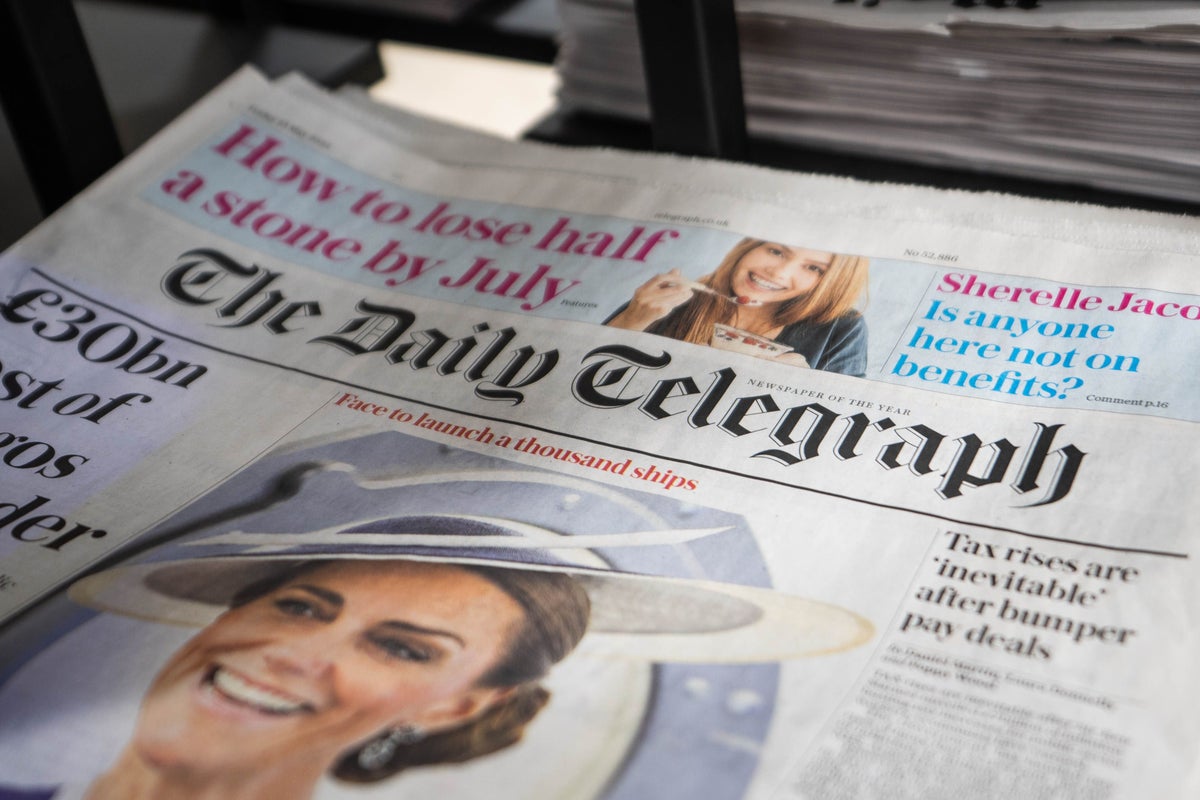
German media firm Axel Springer has agreed to buy the Telegraph Media Group (TMG) for £575 million, scuppering efforts by the owner of the Daily Mail to snap up its UK newspaper rival.
It is the latest major twist in a roughly three-year ownership tussle for the politically influential newspaper group.
Daily Mail and General Trust (DMGT) had previously agreed a £500 million deal to buy The Telegraph last year.
However, Abu Dhabi-backed consortium RedBird IMI said it now plans to sell the business to the Berlin-based Politico owner.
Axel Springer and TMG said the deal will “preserve the integrity” of the brand and help provide a platform for growth.
The companies stressed their commitment to independent journalism in the UK and said they look forward to further discussions with the Department for Culture, Media and Sport (DCMS) and other stakeholders in the coming weeks.
Culture Secretary Lisa Nandy had launched an intervention and competition probe into the previous deal agreed with DMGT, amid concerns of the size of the newspaper market taken up through a merger deal.
Bosses at Axel Springer, which also owns the German newspaper Bild, said they will back an investment programme in TMG to expand the business to help it “become the leading centre-right media outlet in the English-speaking world”.
They also plan to expand the company’s footprint in the US market, potentially leveraging expertise from its Politico and Business Insider titles.
Axel Springer chief executive Mathias Dopfner said: “More than 20 years ago, we tried to acquire The Telegraph and did not succeed.
“Now our dream comes true.
“To be the owner of this institution of quality British journalism is a privilege and a duty.”
In a statement, RedBird IMI said the German business is partly well placed to buy the Telegraph due to the “straightforward regulatory path to ownership” involved in the deal.
“Our team is now working closely with the UK Government to obtain the necessary approvals to finalise this transaction,” the company added.
RedBird IMI is having to sell the Telegraph business after its own takeover move was blocked by the then-Tory government over foreign ownership concerns.
RedBird IMI, which was partly backed by US firm RedBird Capital but majority-owned by Sheikh Mansour bin Zayed Al Nahyan, vice president of the United Arab Emirates, originally agreed to buy the media firm and fellow title The Spectator in 2023.
The Spectator has since been sold to hedge fund tycoon Sir Paul Marshall’s OQS Ventures business for £100 million.
Lengthy talks were then held to find a new suitor after RedBird IMI was forced to sell, with New York Sun publisher Dovid Efune in exclusive discussions to take control.
These collapsed before DMGT struck an agreement with RedBird IMI.
Reports last month indicated that Axel Springer was considering backing a deal with Mr Efune.
On Friday, Axel Springer said it would “like to acknowledge” Mr Efune for “his essential support and assistance on this transaction”.
It is understood that Axel Springer will gain full ownership of TMG as part of the deal.
A spokesman for DMGT criticised the “protracted and out-of-date” regulatory framework which it said disadvantages UK newspaper groups in merger processes.
The company said: “We have worked hard to complete the acquisition of the Telegraph and were confident that the organisation would have thrived under our long-term stewardship,” the company said.
“We were optimistic about our plans to invest in its exceptional journalism and secure the future of a respected British media brand.
“We wish every success to Axel Springer and the Telegraph.
“We believe that the protracted and out-of-date regulatory framework guarantees that UK-based national newspaper groups are at a huge competitive disadvantage in any merger process.”
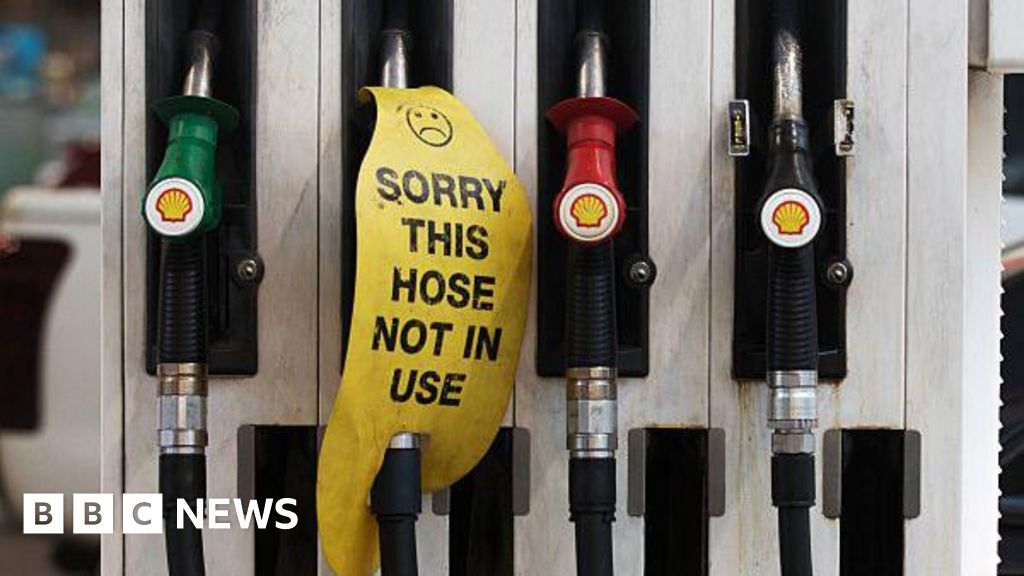
Anthony Albanese says nation’s supply remains “secure” amid reports of panic buying and shortages.
Source link

A woman has been awarded $6m in a verdict that could have implications for hundreds of other cases in the US.
Source link
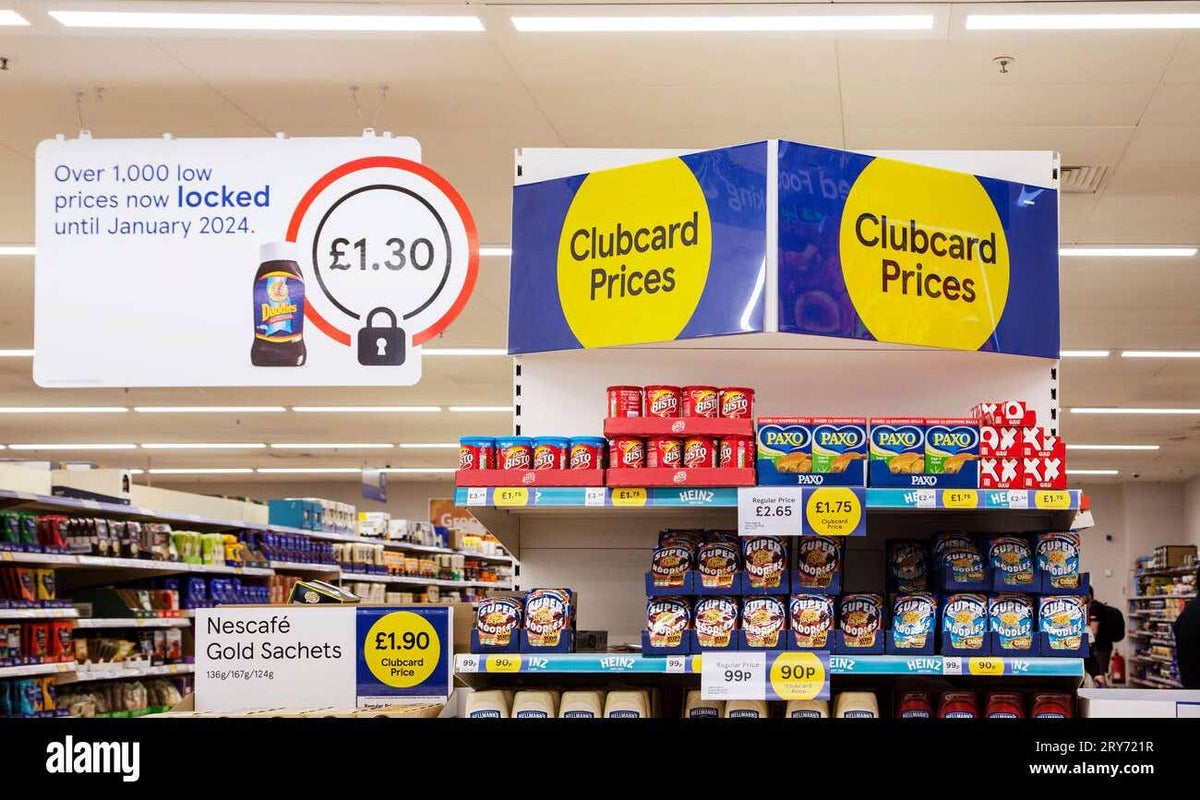
Tesco and Sainsbury’s customers are paying more than Waitrose shoppers for some common branded groceries if they are not using a loyalty scheme, analysis by Which? has found.
The watchdog compared a list of 245 branded items including Heinz, Nescafe and Mr Kipling in February, finding that it was, on average, most expensive for customers at Sainsbury’s and Tesco who were not using the Nectar or Clubcard loyalty schemes.
Which? acknowledged that most shoppers are part of a membership scheme, but said some may be unwilling to sign up to loyalty cards for reasons such as data privacy, while others have no choice because of eligibility criteria.
Tesco customers who are under 18 can not sign up to a Clubcard, although the supermarket has announced it will review this before the end of the year.
The Which? list of items was most expensive at Sainsbury’s for non-Nectar members at £942.66 – 14% more than the cheapest retailer in the study Asda, which cost £823.58.
Tesco followed behind Sainsbury’s, with its non-Clubcard price totalling 11% more than Asda at £916.56.
Which? said it did not include discounters Aldi and Lidl in the study because they did not stock a sufficiently large range of branded goods.
Both Tesco and Sainsbury’s – the UK’s two largest grocers – were more expensive for non-members of their loyalty schemes than Waitrose, which cost £899.05.
Waitrose was 9% more expensive than Asda and emerged as a “more competitive option”, Which? said.
Which? found several products that were cheaper at Waitrose, including Amoy Straight To Wok Noodles, which were on average £1.25 at both Waitrose and Morrisons but most expensive at Sainsbury’s and Tesco without a loyalty card at an average of £2.15 – a 72% difference.
Sea salt and vinegar Ryvita Thins were also cheapest on average at Waitrose at £1.25, but shoppers buying this product at Morrisons, Tesco, and Sainsbury’s without a loyalty card would all have paid an average of £2.30, making them 84% more expensive.
For customers with a Clubcard, Which? found that the same list of groceries at Tesco fell to £837.43 on average – just 2% more expensive than Asda.
Which? found various instances of branded products where the Tesco Clubcard price was the cheapest on average.
Carex Hand Wash was 95p at Tesco with a Clubcard but £1.70 at Waitrose where it was the most expensive.
Another example showed Kellogg’s Crunchy Nut cornflakes was £1.55 on average in February, while the highest average price among the supermarkets was at Waitrose where it cost £2.50.
Which? said the figures showed the “dramatic price gulf” created by loyalty pricing.
In one example at Tesco, Which? found a 200ml bottle of L’Oreal Paris Elvive Bond Repair Shampoo was double the price on average for shoppers without a Clubcard – at £13 compared to £6.50.
The higher price was also found at both Morrisons and Sainsbury’s.
Which? found that a 200g jar of Kenco Smooth coffee cost shoppers at Tesco and Sainsbury’s without a loyalty card £8.35 – the highest price on the market.
In contrast, the same jar was £7 at Waitrose and £6.32 at Asda, on average.
Similarly, Waitrose had the cheapest average price for Nescafe Gold Blend at £6.25, while non-members at Sainsbury’s were asked to pay £8.35.
Meanwhile, Which? found customers who used a Nectar card at Sainsbury’s could expect to pay only 3% more than Asda at £848.56 for the entire list of items.
Morrisons averaged 4% more expensive than Asda when using a More card and 5% more expensive without one.
Ocado was also 5% more expensive than Asda.
Which? retail editor Reena Sewraz said: “Our analysis reveals a shocking truth and shows the impact loyalty schemes have had on grocery pricing.
“Branded favourites can actually be cheaper at Waitrose than at the UK’s biggest supermarkets for shoppers who don’t use a loyalty card – something that would have seemed unthinkable until a few years ago.
“If you’ve got your heart set on specific brands, your best bet is to shop around, keep a close eye on the unit price, and stock up whenever you see a good deal – otherwise, you’re likely to end up paying way over the odds.
“While loyalty cards definitely offer some savings, if you don’t use one you’re better off heading to Asda, where the pricing is usually cheaper on a range of branded goods.”
A Sainsbury’s spokesman said: “We have invested over £1 billion in recent years to help keep prices low and we know more customers are choosing to do their shop at Sainsbury’s.
“We are committed to helping customers access great quality at lower prices and remain focused on offering outstanding value across thousands of products through our Aldi price match scheme, Nectar prices, Your Nectar Prices and our own-brand value lines.”
A spokesman for Tesco said: “It’s no secret that Tesco Clubcard unlocks exceptional savings for the 24 million UK households who have one.
“More than 80% of our sales are made with a Clubcard – but it’s just one of the ways our customers get great value.
“Though everyday low prices we keep prices consistently low on thousands of branded products, and our Aldi price match ensures shoppers can be confident they’re getting competitive prices.”


WTO launches 3rd phase of Enhanced Integrated Framework

Time to hold the line

Vietnam overtakes China in US jackets, blazers imports

-
 Fashion1 week ago
Sales at US apparel, clothing accessories stores up 4% YoY in Jan 2026
-

 Entertainment1 week ago
Val Kilmer revived 1 year after death through AI
-
 Fashion1 week ago
US’ G-III Apparel’s FY26 sales fall 7% to $2.96 bn
-

 Sports1 week ago
March Madness 2026 – How to watch in SA, start time, schedule, TV channel for NCAA championship basketball tournament
-
 Business1 week ago
Brits cashing in jewellery as gold price hits record high
-

 Fashion6 days ago
China’s textile & apparel exports surge 17% to $50 bn in Jan-Feb 2026
-
 Business1 week ago
World’s largest mining group names new chief executive
-

 Fashion1 week ago
Suez and Hormuz shut together, triggering global supply shock