

Business
Global Airline Industrys Revenue Projected To Rise 4.5% To Over $1 Trillion In 2026


New Delhi: The total revenues of the global airline industry are expected to reach $1.053 trillion in 2026, up 4.5 per cent from $1.008 trillion expected in 2025, the International Air Transport Association (IATA) said on Tuesday. Meanwhile, return on invested capital (ROIC) is expected to be 6.8 per cent, unchanged from 2025. “Despite deleveraging and improved operating profitability, ROIC is expected to remain below the weighted average cost of capital (WACC) estimated to be 8.2 per cent in 2026,” IATA noted in a statement.
The association said that in the upcoming year, airlines’ combined total net profit is projected at $41 billion, up from $39.5 billion in 2025. Profit numbers would set a new record, the net profit margin may remain unchanged at 3.9 per cent from the current year.
Net profit per passenger transported is expected to be $7.90, down from the 2023 high of $8.50. At the same time, operating profit in the industry would be $72.8 billion, up over 8 per cent from $67.0 billion in 2025 for a net operating margin of 6.9 per cent (improved on the 6.6 per cent expected for 2025).
The number of passengers is also expected to grow 4.4 per cent to 5.2 billion in 2026. As per the global air transport body, the load factors are expected to continue setting new record highs as airlines’ seat accuracy is expected to be 83.8 per cent in the coming year (2026).
Cargo volumes are expected to reach 71.6 million tonnes, up 2.4 per cent in 2025. “Airlines are expected to generate a 3.9 per cent net margin and a $41 billion profit in 2026. That’s extremely welcome news considering the headwinds that the industry faces—rising costs from bottlenecks in the aerospace supply chain, geopolitical conflict, sluggish global trade, and growing regulatory burdens among them,” said Willie Walsh, IATA’s Director General.
Meanwhile, according to IATA, deliveries of new aircraft began to pick up in late 2025, and production is expected to accelerate next year. “Demand is forecast to outstrip the availability of aircraft and engines. The normalisation of the structural mismatch between airline requirements and production capacity is unlikely before 2031-2034 due to irreversible losses on deliveries over the past five years and a record-high order backlog,” IATA highlighted.

Global energy prices plunged on Monday after Trump said he had postponed strikes on Iranian power plants.
Source link

Australia and the EU sign sweeping trade and security deals after years of negotiations.
Source link
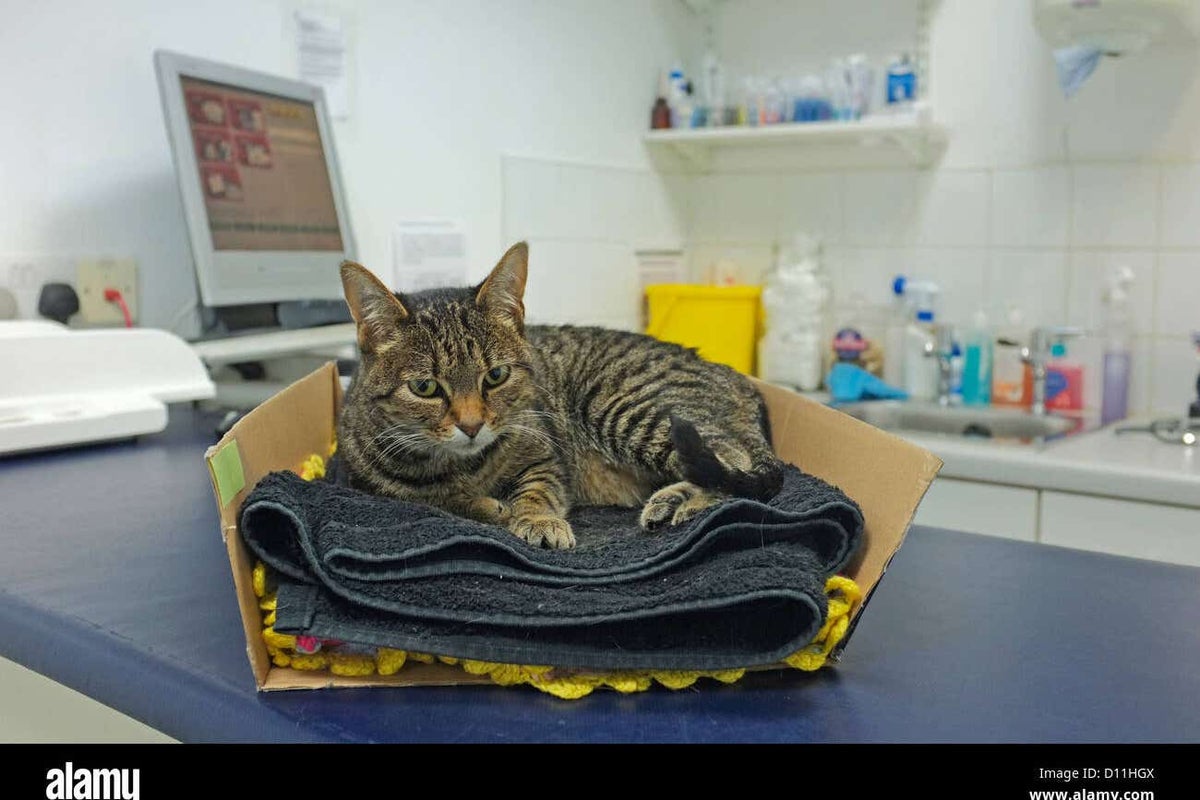
Vets will be legally bound to prescription fee caps and publishing price lists among new measures which will start coming into force later this year, the competition watchdog has announced.
The Competition and Markets Authority (CMA) said its final reforms for the sector will help pet owners better navigate the vet services market.
Other legally binding measures will include a price comparison website and mandatory branding by the large groups to boost competition and drive down prices.
The CMA said pet owners using a vet practice that is part of a larger chain can expect to see changes before Christmas, including standard price lists.
The measures follow the CMA finding that fees have risen at almost twice the rate of inflation, with pet owners not being given enough information about their vet and the prices of treatments.
Martin Coleman, chairman of the independent Inquiry Group, said: “This is the most extensive review of veterinary services in a generation, and today’s reforms will make a real difference to the millions of pet owners who want the best for their pets but struggle to find the practice, treatment and price that meets their needs.
“Too often, people are left in the dark about who owns their practice, treatment options and prices – even when facing bills running into thousands of pounds.
“Our measures mean it will be made clear to pet owners which practices are part of large groups, which are charging higher prices, and for the first time, vet businesses will be held to account by an independent regulator.
“Our changes put pet owners at the centre but also help vets by enhancing trust in the profession and protecting clinical judgment from undue commercial pressure – and that is important to ensure our pets continue to get the best care.”
The CMA said practices must publish a comprehensive price list for standard services, including consultations, common procedures, diagnostics, written prescriptions and cremation options under its new rules.
Prescriptions – for which “many” practices charge £30 or more for each – are to be capped at £21 for the first medicine and £12.50 for any additional medicines.
Practices must also provide a written estimate in advance for any treatment expected to cost £500 or more, including aftercare costs, as well as an itemised bill.
Emergency care will be the only exception for written estimates.
Prices and information about who owns the surgery are to be made available to pet owners through the Royal College of Veterinary Surgeons (RCVS) ‘Find a Vet’ service, which will share the data with third-party comparison sites.
Vet businesses must make it clear whether they are part of a group or an independent business, with details of group ownership to be displayed on signs at the surgery and online.
British Veterinary Association president Rob Williams said: “The majority of the CMA’s measures focus on increasing transparency and information, which will help pet owners make more informed choices and support competition, which is a really positive step.”
He added: “Delivering highly skilled veterinary medicine is costly and whilst we recognise prices have risen sharply in recent years this is due to a number of factors, including the higher costs all businesses are experiencing – and vet practices are not immune.
“Plus, thanks to advances in diagnostics and medical technology over the last 20 years, vets can now do much more to manage disease and injury in animals, whereas in the past the only option available may have been to euthanase.
“Owners today also have a greater expectation of their vet, with many expecting human quality healthcare for their pets and whilst this is possible to deliver, it comes at a cost.”

Oil back above $100 as conflicting claims emerge on US-Iran talks

South Korea’s Misto Holdings’ 2025 profit jumps 31.6% on steady growth

Can Modular Phone Accessories Finally Evolve Beyond MagSafe?

Strategic oil stocks to be released ‘immediately’ in Asia and Oceania: IEA

Transfer rumors, news: Real Madrid open to Camavinga exit, as Premier League clubs circle

New Income Tax Act 2025 To Take Effect From April 1: 10 Key Changes That Will Affect Your Money

-
 Entertainment1 week ago
Strategic oil stocks to be released ‘immediately’ in Asia and Oceania: IEA
-
 Sports1 week ago
Transfer rumors, news: Real Madrid open to Camavinga exit, as Premier League clubs circle
-

 Tech1 week ago
Early Deals From the Amazon Spring Sale That Passed Our BS Test
-
Business1 week ago
New Income Tax Act 2025 To Take Effect From April 1: 10 Key Changes That Will Affect Your Money
-
 Business1 week ago
Stocks To Watch: Tata Motors, IndiGo, Jindal Stainless, GMR Airports, Hindalco, And Others
-
 Business1 week ago
UK looking at all options to secure Strait of Hormuz, says Ed Miliband
-

 Tech6 days ago
Justice Department Says Anthropic Can’t Be Trusted With Warfighting Systems
-

 Sports1 week ago
Team USA advances to World Baseball Classic final after win over Dominican Republic