

Fashion
Groz-Beckert to showcase textile innovation at ShanghaiTex 2025

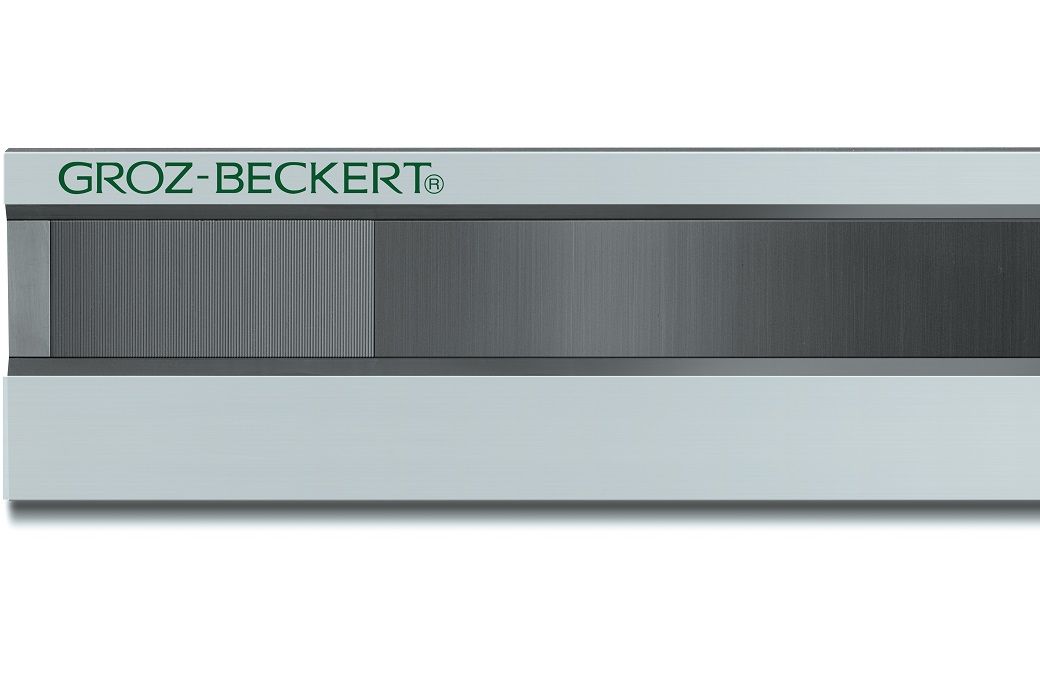
From December 16 to 19, 2025, the global textile industry will gather at ShanghaiTex at the Shanghai New International Expo Center (SNIEC), where Groz-Beckert will present its latest highlights and innovations across its five product areas – Knitting, Weaving, Nonwovens, Sewing, and Spinning – at Hall N3, Booth A05.
Groz-Beckert will showcase innovations across Knitting, Weaving, Nonwovens, Sewing, and Spinning at ShanghaiTex 2025 from December 16 to 19, 2025.
Highlights include LCmax energy-saving needles, ultra-fine transfer and compound needles, specialised SAN series, advanced reeds and card clothing, high-performance sewing needles, and low-maintenance spinning solutions.
Innovations Across Five Product Divisions
Knitting
In the Circular Knitting segment, the spotlight will be on the LCmax, the next generation of energy-saving needles. Featuring a pioneering wave-shaped shank geometry, LCmax ensures optimal energy efficiency, reduced friction, and ease of handling – delivering maximum performance with minimal energy consumption.
Additionally, the cooperation with machine builder BORGFLY will be presented. Together, a new LCmax needle with an customized hook geometry has been developed. The first prototype of this specialized needle was delivered after just four weeks.
In collaboration with PAILUNG, Groz-Beckert introduces two new knitting systems: a transfer needle and a compound needle.
- The transfer needle Vo-Spec. 94.41-30 G 0010 sets a new industry benchmark with a needle thickness of just 0.30 mm and a 0.15 mm thin transfer clip, making it the finest of its kind. This precision enables exceptionally reliable loop transfer and opens new creative possibilities for ultra-fine fabrics.
- The new compound needle offers enhanced productivity, process reliability, and durability – even at high production speeds or when processing demanding yarns.
For applications using staple fiber yarns, the SAN SF staple fiber needle and SNK SF sinker combination reduces contamination and extends cleaning intervals, boosting overall efficiency.
In Flat Knitting, the cooperation with machine builder CIXING will be highlighted, where the durable VOSA-SPEC. 89.60-45 G02 needle has been developed.
In addition, two specialised needles take the stage:
- The SAN TT, designed for particularly tight loops, ideal for technical and medical textiles.
- The SAN FY, engineered for processing uneven effect yarns, ensuring flawless fabric appearance even with complex designs.
The Legwear Segment will showcase dur needles, known for their extreme durability and precision in fine hosiery production. Complementing these are new system parts, including toe-closing components that guarantee uniform loop transfer and perfect fabric finish.
In Warp Knitting, Groz-Beckert presents its expanding module range and an innovative guide needle for Piezo-Jacquard machines, setting new standards in precision, stability, and efficiency for loop formation.
Weaving
Groz-Beckert’s Weaving division will demonstrate how precision and reliability in preparation and accessories can elevate fabric production quality and efficiency.
The portfolio includes heald frames, healds, warp stop motions, drop wires, and reeds, all compatible with major weaving machines and tailored to the diverse requirements of fashion, home, and technical textiles. Special focus will be on Groz-Beckert reeds, valued for their technical precision and versatility. Whether in high-speed production or complex technical fabric manufacturing, these reeds ensure perfect thread guidance and flawless results.
Nonwovens
In Nonwovens, Groz-Beckert showcases advanced solutions for both traditional needling and carding applications.
Focusing on the card clothing sector, the product area presents its innovations from the Groz-Beckert InLine family:,The SiroLock plus worker and doffer wires. Their special geometry enhances machine availability and ensures consistently high carding quality across nonwoven production processes.
Sewing
The Sewing division highlights their special application needles, tailored to meet the demands of advanced sewing applications:
- SAN 5.2 – for technical textiles such as airbags, offering greater stability and secure loop pick-up.
- SAN 6 – ideal for woven fabrics like denim, with enhanced durability through GEBEDUR coating.
- SAN 10 and SAN 10 XS – designed for fine knits and delicate materials requiring precise stitching.
- Litespeed – the latest innovation, developed for high-speed or dense material sewing where needle heat buildup is critical. Its geometry reduces friction and heat, ensuring smoother processes.
- MR needle – suitable for multidirectional sewing operations offering consistent performance across changing stitch directions.
- DBxK5 SAN 1 – designed for embroidery on hard and sturdy materials ensuring reliable performance and clean embroidery results.
Spinning
For the Spinning industry, Groz-Beckert introduces a maintenance-free cylinder wire designed for longer service life and reduced maintenance costs. Further innovations include enhanced revolving tops optimised for fine yarn processing and stationary flats featuring a robust new aluminium profile – ensuring precision, durability, and reliability in every stage of the spinning process.
Note: The headline, insights, and image of this press release may have been refined by the Fibre2Fashion staff; the rest of the content remains unchanged.
Fibre2Fashion News Desk (HU)








These countries are particularly vulnerable to rising oil prices and potential supply disruptions, it noted in a recent article.
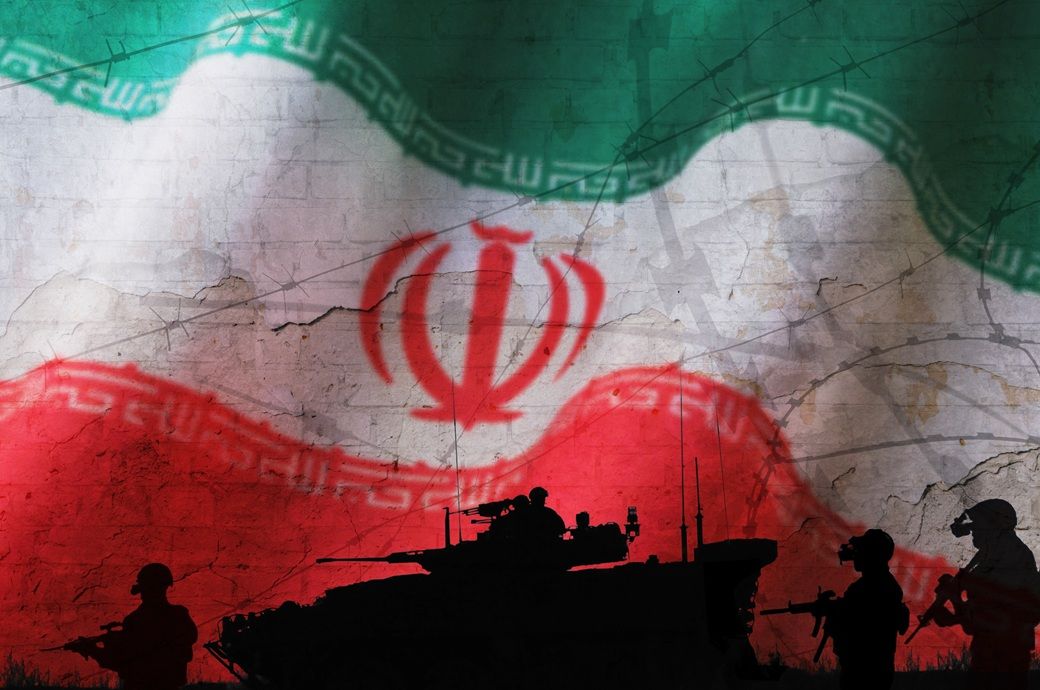
The Iran war poses a greater risk to Bangladesh, Pakistan and Sri Lanka, and to a lesser extent Laos, due to their high dependence on imported energy and limited reserves, S&P Global Ratings said.
These countries are particularly vulnerable to rising oil prices and potential supply disruptions.
All four governments are likely to see significant credit metric deteriorations, if the conflict is prolonged.
In our base case scenario, the war is unlikely to have a material impact on our sovereign ratings on these countries, but a more prolonged price and supply shock in global energy markets could cause more pronounced credit damage.
Pakistan, Sri Lanka, and Bangladesh are showing signs of economic recovery. The three countries have made progress, but sustained high energy prices and potential disruptions to trade and remittances could derail their fragile economies.
S&P Global Ratings believes the higher-income Asia-Pacific (APAC) economies are better placed to weather temporary disruptions to oil and gas supply from the Middle East.
Even where they are highly dependent on imported energy, they generally have more significant oil reserves to meet the shortfall in imports. They also have financial resources to acquire available supply in the spot oil and gas markets to secure needed energy, the rating agency noted.
Lower-income economies in the region do not enjoy such flexibility. The sovereign ratings on some may face pressure if the supply disruption persists longer than our assumptions. Bangladesh, Laos, Pakistan and Sri Lanka are among this group. These economies have one thing in common: a high dependence on imported energy products.
The Middle East war is likely to have a more severe impact on these economies, due to their fuel import bills, and generally weaker fiscal and external reserves to withstand supply shortages and high oil prices.
Among the four sovereigns, Laos is likely to fare better due to the dominance of hydropower in its energy mix.
Bangladesh, with government revenues at only around 9 per cent of gross domestic product, has fewer options to cap electricity and fuel prices through fiscal means.
All four governments are likely to see significant credit metric deteriorations, through inflation and currency channels, if the Middle East conflict is prolonged. However, the impact on the agency’s ratings on these sovereigns may be limited, as the generally low rating levels have already captured a significant share of the risks.
S&P Global Ratings’ base case for the Middle East war assumes that elevated hostilities will persist into early April, with the Strait of Hormuz facing material disruptions.
Fibre2Fashion News Desk (DS)
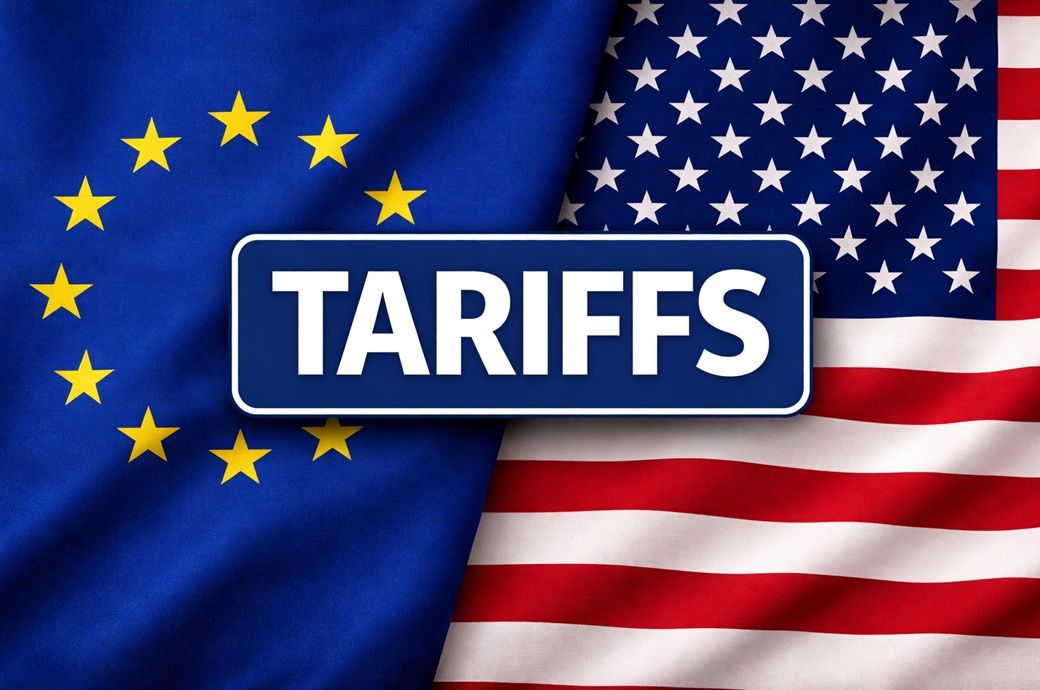
On July 27, 2025, in Turnberry, Scotland, US President Donald Trump and European Commission President Ursula von der Leyen reached a deal on tariff and trade issues, outlined in a joint statement published on August 25.
EU Parliament members have adopted their position on two proposals implementing the tariff aspects of the EU-US Turnberry trade deal.
The texts, if agreed with EU members, will eliminate most tariffs on US industrial goods and offer preferential market access for many US seafood and agricultural goods.
The members strengthened the proposed suspension clause, and introduced ‘sunrise’ and ‘sunset’ clauses.
The texts, if agreed with EU member states, will eliminate most tariffs on US industrial goods and provide preferential market access for a wide range of US seafood and agricultural goods, in line with the commitments made in summer 2025 between the EU and the United States.
The MEPs strengthened the proposed suspension clause, which would allow the tariff preferences with the US to be suspended under a number of conditions.
For instance, the Commission would be able to propose suspending all or some trade preferences if the US were to impose additional tariffs exceeding the agreed 15-per cent ceiling, or any new duties on EU goods, a release from the Parliament said.
The suspension clause could also be activated if the US undermines the objectives of the deal, discriminated against EU economic operators, threatened member states’ territorial integrity, foreign and defence policies, or engaged in economic coercion, it noted.
The MEPs have introduced a ‘sunrise clause’ that means the new tariffs would only become effective if the US respects its commitments. These conditions include the US lowering its tariffs on EU products with a steel and aluminium content below 50 per cent, to a tariff of maximum 15 per cent.
Furthermore, for EU products with a steel and aluminium content of above 50 per cent, unless the US reduces its tariffs to a maximum of 15 per cent, EU tariff preferences for US exports of steel, aluminium and their derivative products would cease to apply six months after the entry into application of the regulation.
The members also agreed on an expiry date for the main regulation on March 31, 2028. This could only be extended via a new legislative proposal, to be submitted following a thorough impact assessment of the effects of the regulation.
The European Commission would be tasked with monitoring the impact of the new rules and would be able to suspend the new tariffs temporarily, should US imports reach a level that could cause serious harm to EU industry.
Fibre2Fashion News Desk (DS)

The uncertainty has increased noticeably, with the ongoing conflict involving Iran weighing heavily on corporate confidence. The escalation has effectively stalled hopes of a near-term economic recovery, particularly as energy markets remain volatile, ifo said in a press release.
In the manufacturing sector, sentiment declined after showing improvement in recent months. The drop was driven largely by a significant deterioration in expectations, while firms also reported a less favourable view of their current business situation. Energy-intensive industries were particularly affected, underscoring the pressure from elevated input costs.
Germany’s business sentiment weakened in March, with the ifo business climate index falling to 86.4 from 88.4 amid rising uncertainty and the Iran conflict dampening recovery hopes.
Manufacturing saw a sharp drop in expectations, especially in energy-intensive sectors.
Trade sentiment also declined due to inflation concerns, although current conditions remained relatively stable across sectors.
The trade sector also registered a decline in sentiment, primarily due to a more pessimistic outlook. Concerns over rising inflation among German consumers have led to weaker expectations in both wholesale and retail segments, signalling subdued demand conditions ahead.
Despite the gloomier outlook, businesses in the trade sector reported a slightly improved assessment of their current situation. This suggests that while present activity remains relatively stable, confidence in future performance is deteriorating.
Fibre2Fashion News Desk (SG)


It has never been easier to start investing. As more take advantage, should you?

Skip the TSA Line: Where to Find Travel by Bus, Train, and Boat

Illinois defense gets tough, ousts Houston to reach Elite Eight

-

 Entertainment1 week ago
Val Kilmer revived 1 year after death through AI
-

 Fashion6 days ago
China’s textile & apparel exports surge 17% to $50 bn in Jan-Feb 2026
-
 Business1 week ago
Video: The Effects of High Oil Prices
-
 Business7 days ago
Flipkart group CFO to leave co amid IPO plans – The Times of India
-

 Sports7 days ago
Rating Adidas’ 2026 World Cup away shirts: Argentina, Spain, Mexico and more
-

 Sports7 days ago
American Conference Commissioner Tim Pernetti thanks Trump for Army-Navy game executive order
-
Tech1 week ago
The Corsair 4000D RS PC Case Keeps Your System Cool
-
 Fashion1 week ago
The hidden $1.62 war tax now embedded in every garment you source